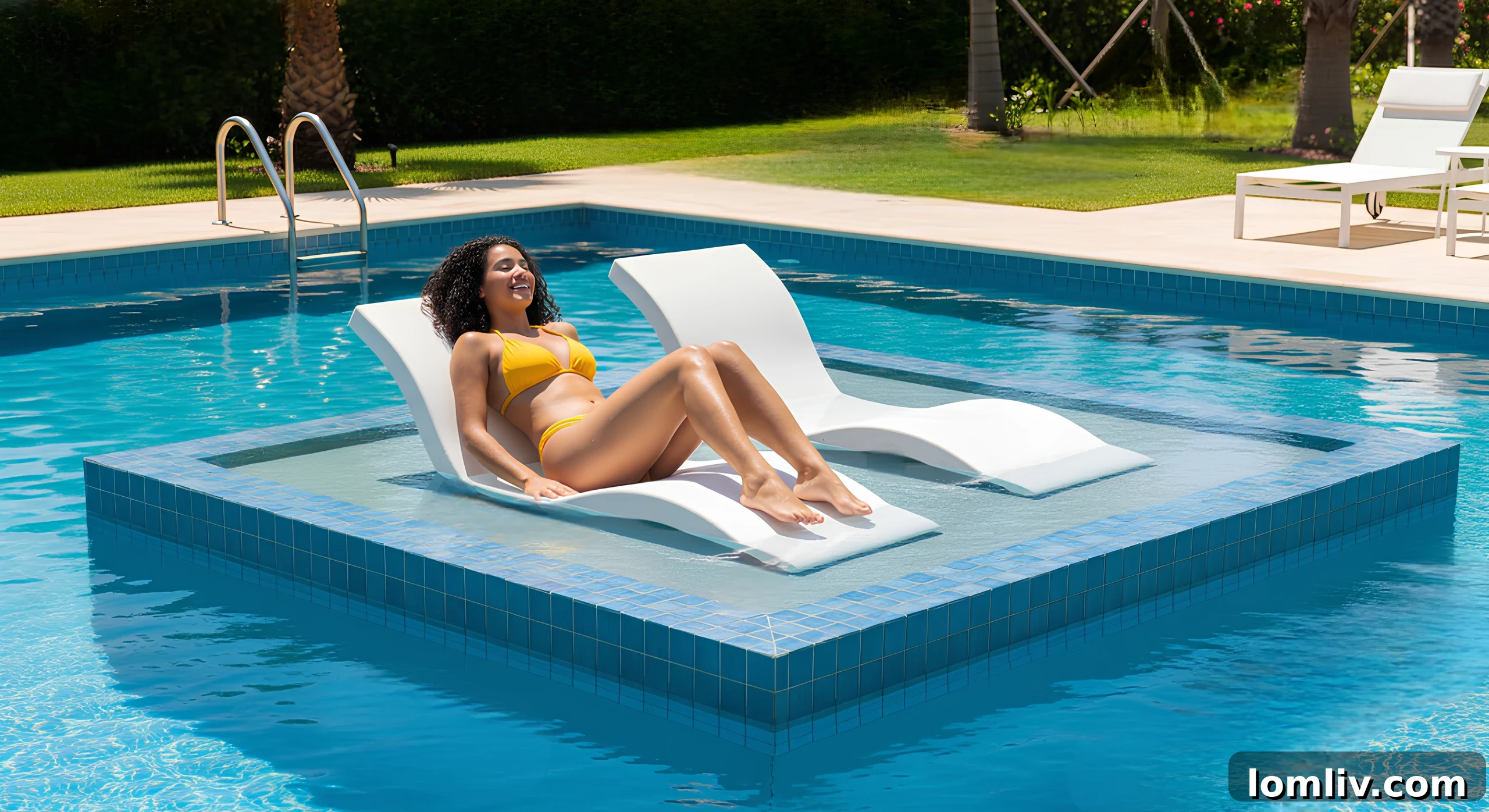
Installing a new swimming pool is undoubtedly one of the most transformative home upgrades, promising endless summer fun, cherished family moments, and a personal retreat just steps from your back door. Imagine sun-drenched afternoons, the joyous laughter of children splashing, and the serene shimmer of your very own aquatic oasis. It’s an investment in lifestyle, leisure, and lasting memories.
However, the journey from dream to reality often brings with it a fascinating, yet sometimes overwhelming, array of choices. Suddenly, you’re navigating a sea of decisions: from the fundamental choice between saltwater and chlorine systems to determining optimal depth, understanding advanced filtration, and deciphering what exactly a ‘Baja shelf’ entails. What begins as an exciting vision can quickly feel like a daunting design challenge.
This comprehensive guide is crafted to demystify the pool planning and construction process. We’ll walk you through every critical stage, prioritizing the essential safety measures first, then delving into the exhilarating world of design features and practical considerations. Our aim is to empower you with the knowledge needed to create not just a pool, but a memory-making machine perfectly tailored to your desires and your home.
Prioritizing Safety: The Non-Negotiable Foundation of Your New Pool
Before you even begin to envision elegant waterfalls, sophisticated lighting, or luxurious tanning ledges, the paramount conversation must revolve around safety. When designing a new pool, safety isn’t merely a checklist item; it is the absolute foundation upon which every joyful memory will be built. Overlooking or compromising on safety features can have devastating consequences, making it the most critical aspect of your pool project.
The statistics underscore this gravity. The U.S. Consumer Product Safety Commission (CPSC) consistently highlights drowning as one of the leading causes of accidental death among young children. These sobering figures serve as a powerful reminder that robust safety measures are not optional luxuries, but essential investments in the well-being of your family and guests.
1. The Indispensable Four-Sided Isolation Fence
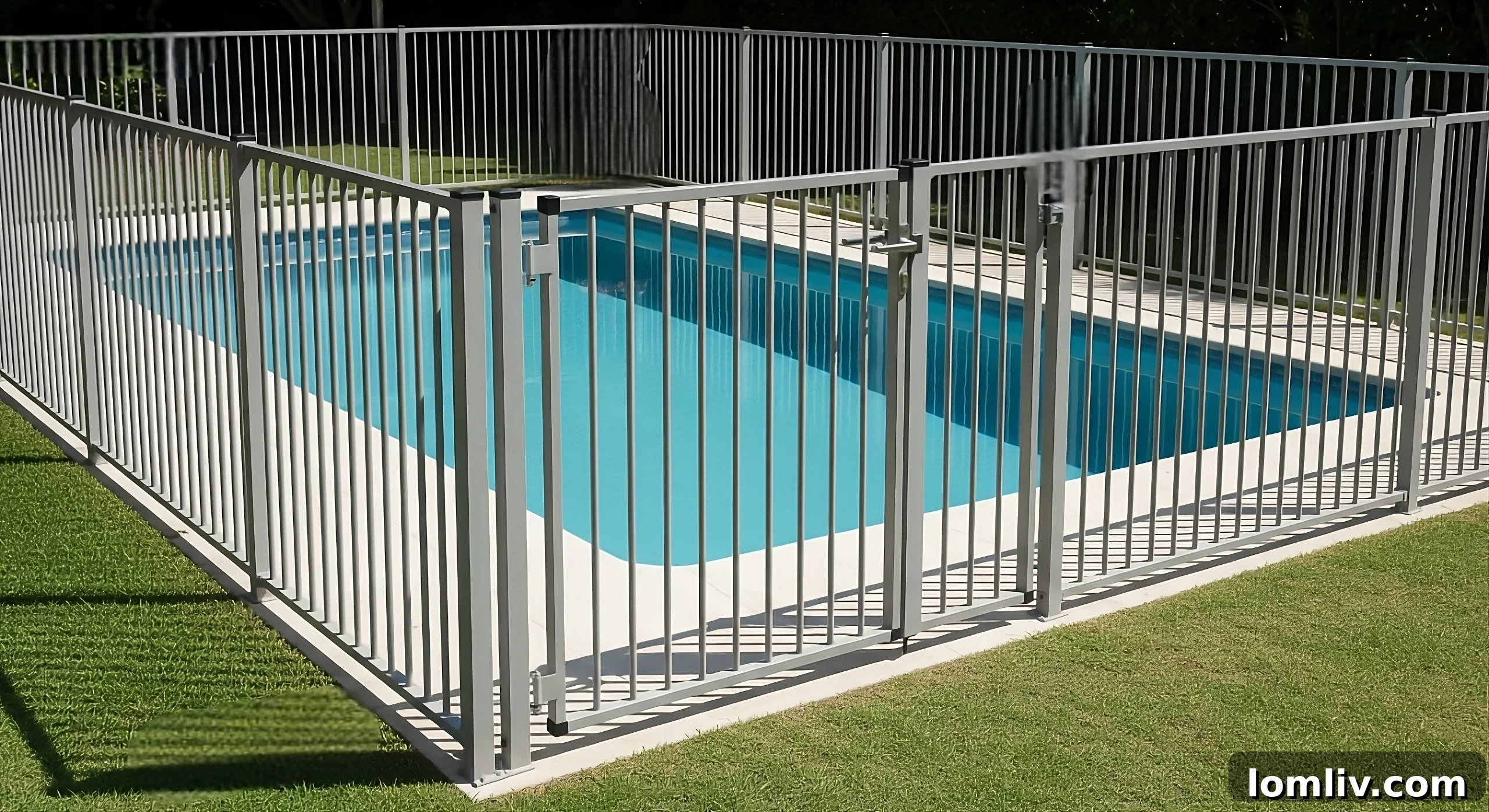
This is universally recognized as the single most crucial safety barrier for any residential pool. It goes beyond simply fencing in your entire yard; the objective is to create a dedicated, isolated barrier that completely separates the pool area from your home and the rest of the property. This prevents direct access to the pool from the house or other parts of the yard, eliminating common accidental entry points.
The Centers for Disease Control and Prevention (CDC) provides compelling evidence, stating that a four-sided isolation fence can reduce a child’s risk of drowning by an astounding 83 percent compared to a standard three-sided property-line fence. This statistic alone should solidify its position as a non-negotiable component of your pool design. For maximum effectiveness, the fence should be at least four feet tall and equipped with self-closing, self-latching gates that open outward away from the pool area. These latches should be positioned high enough to be out of a child’s reach, typically at least 54 inches from the bottom of the gate.
2. Layers of Protection: Alarms, Covers, and Supervision
Effective pool safety operates on a principle of multiple, redundant layers of protection. Beyond the physical barrier of a fence, additional safeguards significantly enhance security:
- Pool Alarms: These devices serve as your next line of defense. Various types are available, including gate alarms that alert you if the gate is opened, floating alarms that detect disturbances on the water’s surface, and even wristband alarms that activate if a child falls into the water. Integrating these into your overall safety plan provides invaluable early warning systems.
- Automatic Pool Covers: An automatic pool cover is a versatile safety device, offering triple benefits. Firstly, it acts as a robust physical barrier, preventing accidental falls into the water when the pool is not in use. Secondly, it keeps debris, leaves, and dirt out of the pool, significantly reducing cleaning efforts. Thirdly, and perhaps most economically, it dramatically conserves heat. According to the U.S. Department of Energy, pool covers can reduce evaporation by 90 to 95 percent. Since evaporation is the primary source of heat loss from a pool, this translates into substantial savings on heating costs and chemical usage over time.
- Constant Adult Supervision: While physical barriers and alarms are critical, they are never a substitute for vigilant adult supervision. Whenever children are near or in the pool, an adult should be designated to actively watch them, free from distractions.
- Swim Lessons and CPR Knowledge: Enroll children and even adults in swimming lessons. Knowing how to swim is a fundamental life skill. Additionally, all pool owners and frequent users should consider becoming certified in CPR and first aid, as rapid response in an emergency can be life-saving.
The Science of Sparkle: How Your Pool Actually Works
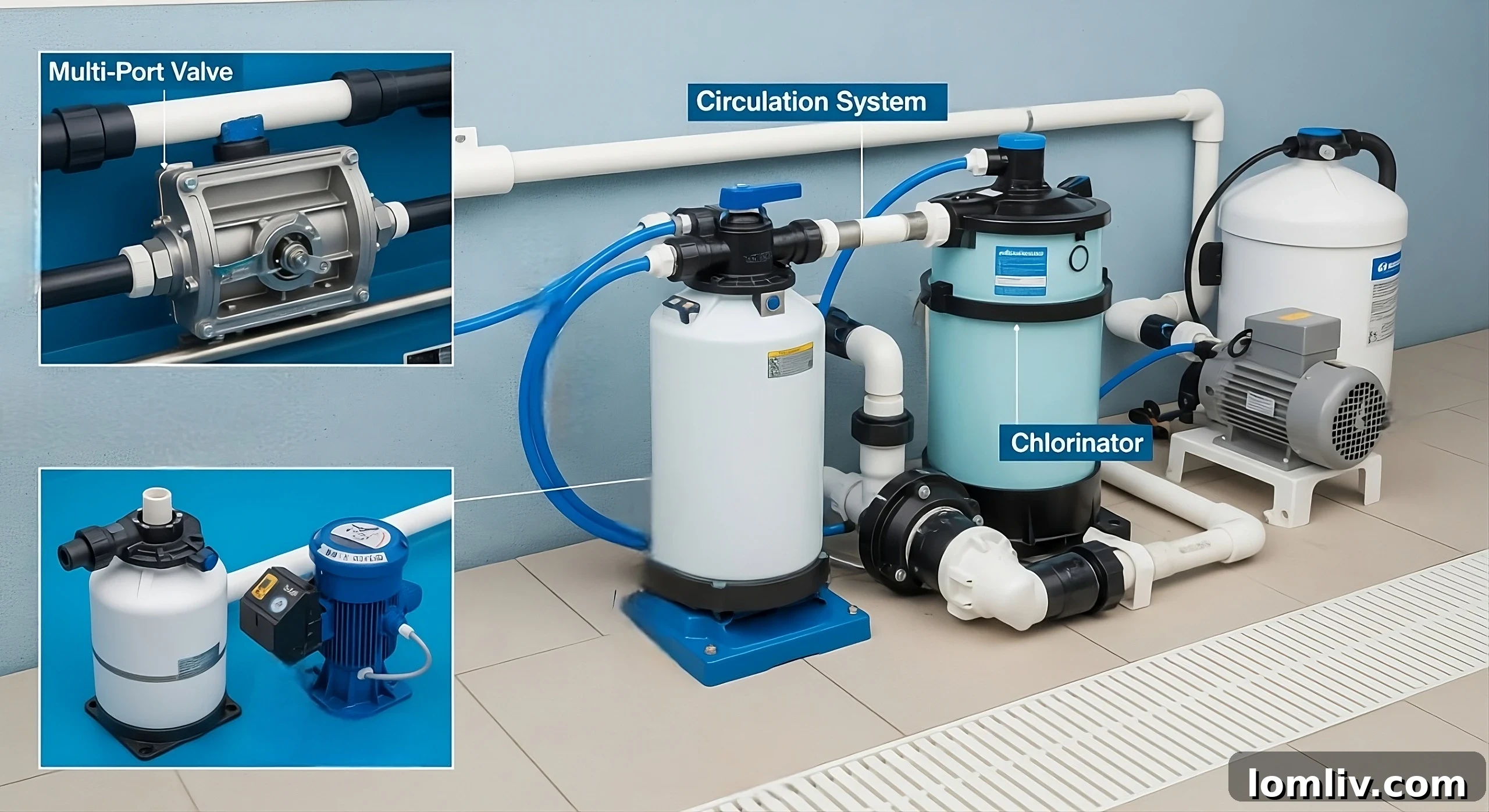
With safety meticulously addressed, our focus shifts to the vital systems that maintain your pool’s pristine condition. These are the unsung heroes of your backyard oasis – the equipment that you might not always see, but whose proper functioning ensures your water remains sparkling, clean, and healthy. Investing in a high-quality, efficient system from the outset will save countless hours of maintenance, reduce frustration, and protect your investment in the long run. Professional pool cleaning services, like those offered by experts, can also make a significant difference in maintaining optimal water quality.
Circulation and Filtration: The Heartbeat and Lungs of Your Pool
Think of your pool’s circulation and filtration system as its vital organs, working in concert to keep the water continuously moving, clear, and sanitized. The circulation system consists of the skimmers and main drain (where water is pulled into the system), the pump (which drives the water), and the return jets (where filtered water re-enters the pool). The filtration system then removes impurities before the water is returned. This is emphatically not an area where cutting corners will pay off. A robust and well-maintained system is the key to minimizing algae growth, chemical imbalances, and the buildup of debris.
There are three primary types of pool filters, each with its own advantages and considerations:
- Sand Filters: These are the most common and oldest type, using a bed of specialized sand to trap particles. They are relatively inexpensive, easy to maintain (requiring backwashing), and durable. However, they typically filter particles down to about 20-40 microns, which is less fine than other options.
- Cartridge Filters: Comprising a large pleated cartridge, these filters offer superior filtration, often down to 10-20 microns. They are energy-efficient as they require less pump pressure, and cleaning involves simply rinsing the cartridges. Their upfront cost can be higher, and cartridges need periodic replacement.
- Diatomaceous Earth (DE) Filters: These filters provide the finest level of filtration, often capturing particles as small as 1-5 microns, resulting in exceptionally clear water. They utilize a powder made from fossilized diatoms. While offering superior clarity, they are generally the most expensive and require more involved maintenance, including backwashing and replenishing DE powder.
Saltwater vs. Chlorine Pools: A Modern Dilemma
This is a frequently discussed topic among prospective pool owners. It’s important to clarify that a saltwater pool is not like swimming in the ocean; it still utilizes chlorine. The key difference lies in how the chlorine is introduced into the water.
- Saltwater Pools: These pools employ a salt chlorine generator. This device uses electrolysis to convert a small amount of dissolved salt (sodium chloride) in the pool water into chlorine (hypochlorous acid) gradually and consistently. The result is a softer, silkier water feel that is often gentler on the skin and eyes, and less harsh on swimsuits. Homeowners appreciate the reduced need to constantly handle and store concentrated liquid or tablet chlorine. While the upfront installation cost for a salt system is higher than a traditional chlorine system, many find that the steady water quality, convenience, and lower day-to-day chemical expenses offer a smart trade-off over the pool’s lifespan. Industry reports indicate a clear and growing shift in consumer preference towards saltwater systems due to these benefits.
- Traditional Chlorine Pools: With a traditional chlorine pool, you are responsible for regularly adding chlorine in liquid, tablet, or granular form to maintain proper sanitation levels. This method is generally less expensive to set up initially. However, it requires more hands-on chemical management, precise balancing to prevent skin and eye irritation, and careful storage of strong chemicals.
Heating Your Oasis: Extending Your Swimming Season
To maximize your pool’s usability beyond the peak summer months, consider adding a heating system. Popular options include:
- Solar Pool Heaters: Environmentally friendly and cost-effective to operate, these systems use solar collectors to absorb sunlight and transfer heat to the pool water. Their effectiveness depends on sun exposure and weather conditions.
- Gas Heaters: Offering rapid heating on demand, gas heaters (natural gas or propane) are powerful but can be more expensive to operate, especially for frequent use.
- Electric Heat Pumps: These systems draw heat from the ambient air and transfer it to the pool water, making them very energy-efficient in moderate climates. They are slower to heat than gas heaters but offer lower operating costs.
Elevating Your Pool: Innovative Design Features and Luxurious Enhancements
This is where your personal style and vision truly come to life. Beyond mere functionality, these design features transform a basic swimming spot into a full-fledged backyard retreat, reflecting your aesthetic preferences and enhancing your lifestyle.
1. The Tanning Ledge (Baja Shelf): A Modern Must-Have
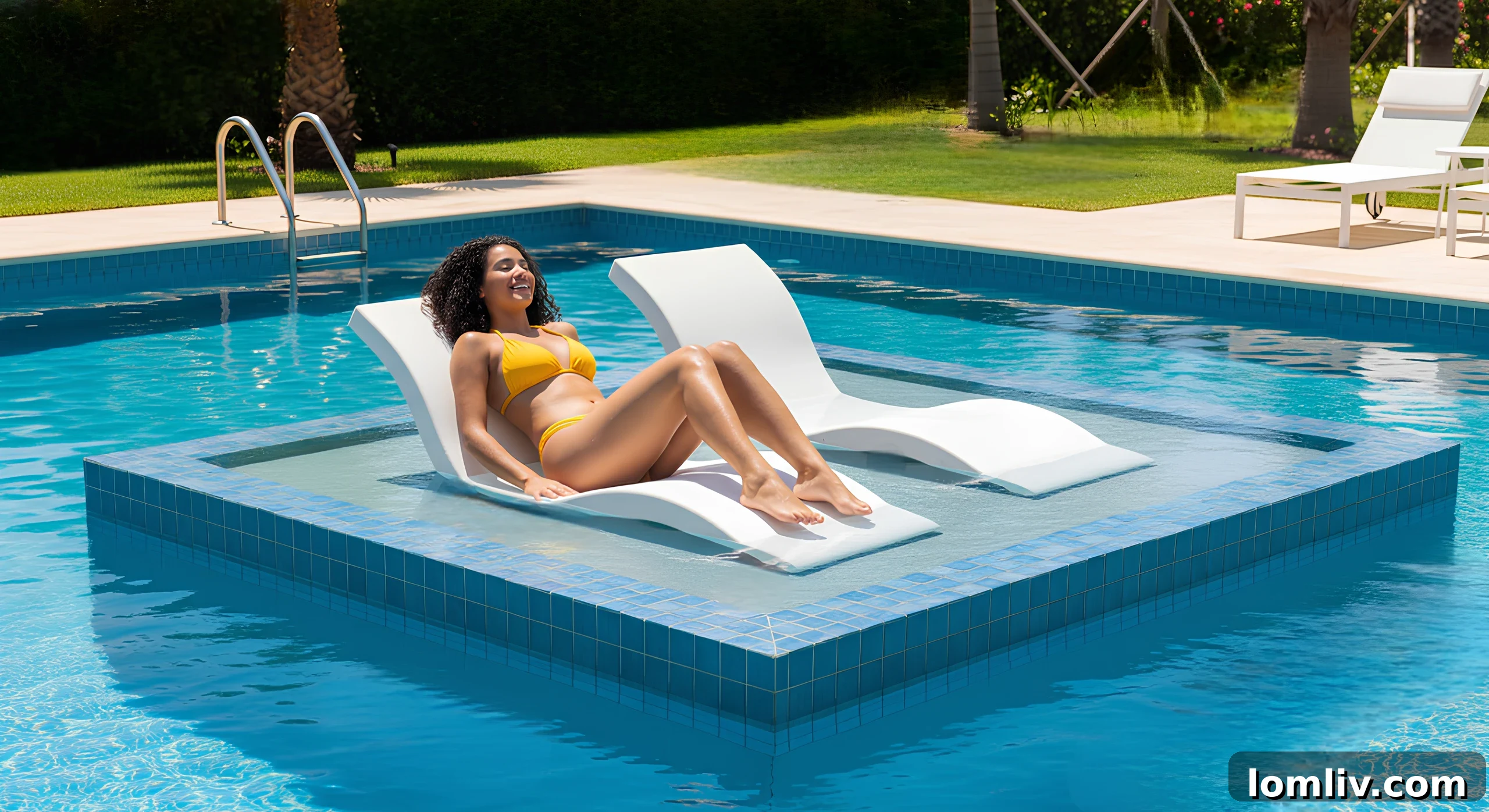
If one feature has truly redefined contemporary pool design over the past decade, it is undoubtedly the tanning ledge, often referred to as a Baja shelf, sun shelf, or lounge ledge. This wide, shallow platform, typically ranging from 9 to 18 inches deep, is ingeniously designed for lounging directly in the water without fully submerging. It’s the quintessential spot for placing in-pool lounge chairs, allowing you to relax with just your feet and lower body in the cool water, cocktail in hand. Furthermore, it serves as an excellent play area for toddlers, a safe entry point for pets, or a tranquil space to simply keep an eye on playing children. Industry sources like Pool and Spa News consistently rank it as one of the most highly requested features by new pool owners, precisely because it fundamentally alters how people interact with and enjoy their pool.
2. Dynamic LED Lighting: Transforming Your Nighttime Oasis
Never underestimate the transformative power of well-designed lighting. Modern LED pool lighting systems completely redefine the mood and ambiance of your backyard after sunset, extending your enjoyment hours well into the evening. These energy-efficient systems offer an impressive spectrum of colors, allowing you to customize the atmosphere at the touch of a button. Picture a serene, calming blue for a quiet evening swim, a vibrant, playful magenta for a lively poolside gathering, or even a synchronized light show for a special occasion. Beyond aesthetics, proper lighting significantly enhances safety around the pool at night, illuminating steps, edges, and features. Many contemporary systems can be integrated with smart home technology, allowing for control via smartphone apps, further adding a touch of magic and convenience.
3. Soothing Water Features and Integrated Spas
The addition of water features elevates the sensory experience of your pool. The gentle, cascading sound of a waterfall, the playful arc of deck jets, the tranquil bubbling of a sheer descent, or the elegant stream of laminar jets all contribute to a calming and visually appealing environment. These features add dynamic movement, mask ambient noise, and create a resort-like atmosphere.
Integrating a built-in spa or hot tub directly into your pool design is the ultimate two-for-one enhancement. This allows for seamless transitions between swimming and relaxing in therapeutic warm water. This trend is a significant component of the broader outdoor living movement, where backyards are increasingly designed as true extensions of the home, offering diverse zones for entertainment, relaxation, and wellness. While the return on investment for a pool can vary by region (as data from the National Association of Realtors suggests), transforming your outdoor space into a complete entertainment and wellness zone—with a spa, stylish patio, and sophisticated landscaping—can significantly boost your home’s appeal and value.
4. Thoughtful Entry Points and Pool Shapes
Consider how you’ll enter and exit your pool. Options include:
- Built-in Steps: Gradual steps offer easy entry and exit, often incorporating textured surfaces for safety.
- Ladders: Traditional ladders are space-efficient but less comfortable for lounging.
- Zero-Entry (Beach Entry): This highly sought-after feature mimics a natural beach, with the pool bottom gradually sloping from deck level into the water. It’s perfect for small children, pets, or anyone who prefers a gentle entry.
Pool shapes range from classic rectangles and ovals to free-form designs that integrate organically with your landscape. The choice of shape often dictates the overall aesthetic and flow of your backyard.
5. Interior Finishes: The Pool’s Skin
The interior finish of your pool plays a huge role in its appearance and longevity:
- Plaster: The most traditional and economical finish, plaster offers a smooth, classic look but can be prone to staining and etching over time.
- Pebble Aggregate: Made from small river pebbles mixed with cement, pebble finishes offer a natural, textured look, excellent durability, and are very resistant to chemicals and staining.
- Tile: Glass or ceramic tiles provide a luxurious, custom look and are extremely durable. They are the most expensive option but offer unparalleled aesthetic versatility and longevity.
Designing the Complete Outdoor Living Space Around Your Pool
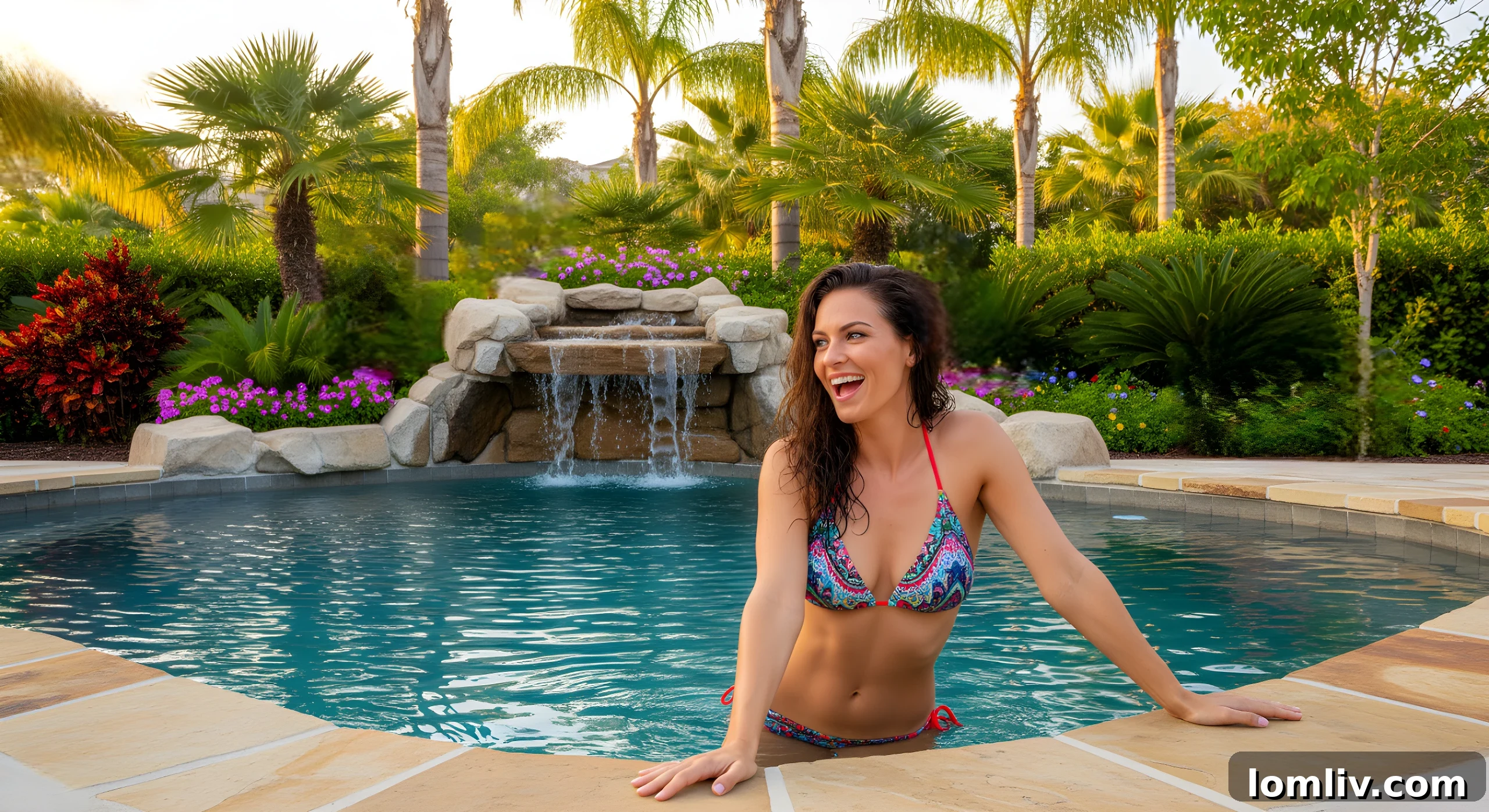
A truly exceptional pool isn’t just a body of water; it’s the centerpiece of a meticulously designed outdoor living area. Modern pool design has evolved far beyond mere swimming, focusing on creating a cohesive and inviting environment that feels like an extension of your indoor living space. This holistic approach ensures maximum enjoyment, functionality, and aesthetic appeal.
The Poolside Living Room: Deck and Patio
The deck and patio areas surrounding your pool are essentially your outdoor living rooms. It’s crucial to plan for ample space dedicated to various activities: lounging, dining, entertaining, and simply moving around comfortably. Consider the flow between these zones and how they connect to your home. Material choices for your decking are vital, impacting both aesthetics and practicality:
- Pavers: Available in a vast array of colors, sizes, and textures, pavers offer durability, slip resistance, and easy repair. They also allow for better drainage.
- Poured Concrete: A versatile and economical option, concrete can be stained, stamped, or brushed to achieve various looks. It’s durable but can crack over time.
- Natural Stone: Flagstone, travertine, and limestone provide a luxurious, natural aesthetic, offering cool surfaces and excellent durability, albeit at a higher cost.
- Wood and Composite Decking: While charming, traditional wood requires more maintenance around a pool. Composite decking offers the look of wood with reduced maintenance and improved resistance to moisture and UV rays.
Ensure adequate drainage is incorporated into your patio design to prevent water pooling and potential hazards.
The Oasis Effect: Landscaping and Privacy
Thoughtful landscaping is what transforms a pool into a true oasis. It provides privacy, integrates the pool into the natural environment, and enhances visual appeal. When selecting plants, consider varieties that are low-maintenance, drought-tolerant, and crucially, non-shedding, to minimize debris in the pool. Strategic placement of trees, shrubs, and hedges can create natural privacy screens, while decorative plantings add color, texture, and fragrance. Outdoor lighting integrated into the landscaping can highlight features and extend the beauty of your yard into the evening. Recent trends show a significant increase in spending on high-end outdoor spaces, underscoring that landscaping is not an optional extra but a key piece of the overall pool experience.
Beyond the Pool: Integrated Outdoor Living Zones
The modern backyard is evolving into a multi-functional outdoor haven. This trend extends far beyond just pools, encompassing a range of amenities that elevate the entire property. Houses with outdoor kitchens, complete with grills, refrigerators, sinks, and even pizza ovens, are redefining al fresco dining and entertaining. Cozy fire pits or fireplaces create inviting gathering spots for cooler evenings. Pergolas or covered patios offer shade and shelter, creating distinct lounge areas. By designing these various zones to complement each other and flow seamlessly, you create a cohesive environment that maximizes your enjoyment and the value of your home.
Practical Considerations: Budget, Regulations, and Maintenance
Before embarking on this exciting project, a realistic understanding of practical considerations is essential:
- Budgeting Realistically: A new pool is a significant investment. Be honest with yourself about what you can afford, considering not only the initial construction costs (excavation, materials, equipment, features, landscaping) but also ongoing expenses for maintenance, chemicals, utilities (water, electricity for pump and heater), and potential repairs. Obtain detailed quotes from multiple reputable builders.
- Local Regulations and Permits: Always, without exception, check your local zoning laws, building codes, and homeowners’ association (HOA) rules before any digging begins. These regulations cover everything from fence heights and setback requirements to specific safety features and construction standards. Ignoring them can lead to costly delays, fines, or even the forced removal of your pool.
- Maintenance Commitment: Pools require consistent maintenance. Understand the daily, weekly, and monthly tasks involved (skimming, brushing, vacuuming, chemical testing and balancing, filter cleaning). Decide whether you plan to handle this yourself or budget for professional pool service. Also, consider winterization procedures if you live in a climate with freezing temperatures.
- Choosing the Right Pool Builder: This decision is paramount. Select a licensed, insured, and experienced pool contractor with a solid reputation. Ask for references, view their previous projects, and ensure they provide a comprehensive contract detailing all costs, timelines, and warranties. A trustworthy builder will guide you through the complexities and deliver a quality result.
Building a pool is a monumental project, but with careful planning, clear communication, and a focus on both safety and enjoyment, it doesn’t have to be stressful. Start by prioritizing safety, gain clarity on the essential operational basics, and then unleash your creativity with the exciting design features. You’re not just installing a structure in your backyard; you’re setting the stage for years of relaxation, celebration, and invaluable memories with family and friends.
So, as you envision your perfect backyard transformation, the real question now becomes: What does your ultimate dream pool look like?