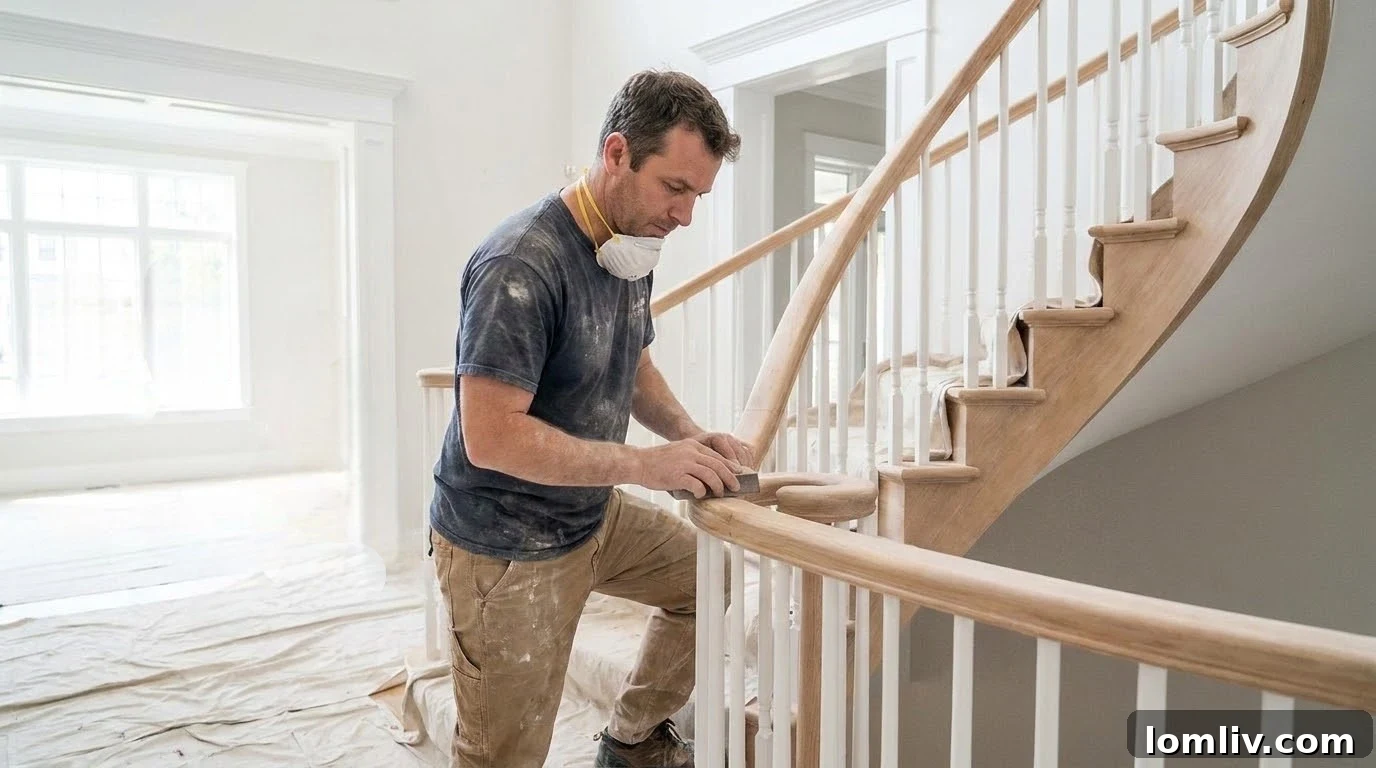
When potential buyers step into a home, their gaze instinctively travels upwards. If the staircase is prominently featured in the entryway, the railing immediately becomes one of the initial design elements they perceive. This crucial first impression is formed before they even remove their coats, profoundly influencing their perception of the entire property.
It’s a common oversight for homeowners to funnel the majority of their renovation budgets into kitchens and bathrooms, relegating the staircase to an afterthought. This is a significant mistake. A stair railing that appears loose, shaky, or out of sync with the home’s aesthetic can dramatically detract from the appeal of everything around it, irrespective of how pristine the hardwood floors are or how fresh the paint looks.
In reality, updating a stair railing stands out as one of the most impactful yet affordable improvements a seller can undertake prior to listing a property. The substantial return on investment (ROI) often surpasses their expectations, making it a strategic choice for maximizing home value.
First Impressions: Shaping Buyer Psychology and Home Value

Experienced real estate agents frequently emphasize that prospective buyers often form a definitive decision about a home within the first ninety seconds of their visit. Since staircases are typically situated in highly visible areas like the entryway or living room, they wield immense influence during these critical initial moments. A well-maintained and stylish staircase railing communicates a sense of care and modernity, immediately setting a positive tone for the buyer’s experience.
Conversely, an outdated stair railing – perhaps an old oak design with bulky spindles and a yellowed, honey-toned varnish – instantly signals to buyers that the home has not seen significant updates since a prior decade, potentially the early 2000s or even earlier. This visual cue prompts buyers to begin mentally calculating the costs and efforts associated with necessary renovations, potentially devaluing the property in their minds. Even if the remainder of the home showcases recent upgrades, a single dated staircase can instill doubt and lead buyers to question the overall quality and consistency of other improvements.
On the other hand, a clean, contemporary, or well-preserved new railing immediately conveys to buyers that the property is meticulously maintained and move-in ready. Whether it features sleek black iron, modern cable systems, or smooth, updated wood, it sends a clear message of a home that is cared for and requires no immediate work. This perception of a well-kept and updated house is a powerful motivator, frequently leading to stronger offers that are closer to, or even above, the asking price. It significantly boosts the perceived home value and buyer confidence.
Safety, Code Compliance, and Home Inspections: Non-Negotiables for Sellers
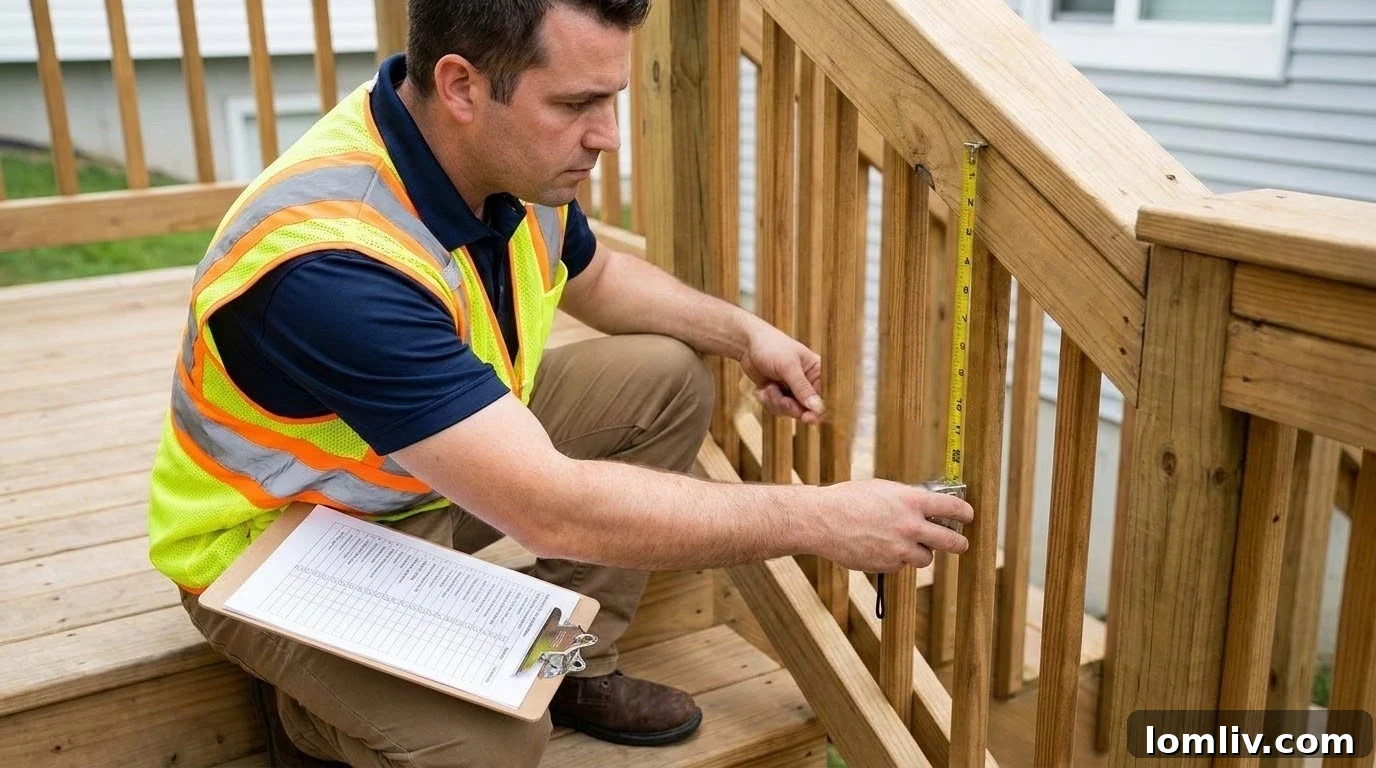
Beyond aesthetic appeal, the structural integrity and safety of a stair railing are paramount and can profoundly impact a home sale, sometimes even causing a deal to collapse entirely. During a professional home inspection, inspectors are trained to meticulously flag any railings that exhibit instability, wobbliness, or possess baluster gaps that exceed the standard four-inch safety limit. Furthermore, railings that fall below the legally mandated height requirements will also be noted. Buyers and their agents frequently leverage these safety concerns as powerful negotiation points for a reduced asking price or, in more severe cases, decide to withdraw their offer altogether.
To a discerning buyer, a loose or damaged railing represents a significant red flag that extends beyond a simple repair. It suggests a potential history of deferred maintenance on the seller’s part, prompting deeper concerns about other potential hidden problems or structural issues within the property. A seemingly minor safety concern such as this can easily lead to a reduction of thousands of dollars in a buyer’s offer, directly impacting the final sale price and the seller’s overall equity. The cost of a new railing is often a fraction of the potential loss during negotiation.
Staircase safety is of utmost importance to specific buyer demographics, particularly families with young children and elderly buyers. For families with toddlers, the risk posed by wide baluster gaps or an unstable banister can be an immediate disqualifier. Similarly, for older buyers or those planning to live with aging parents, a perceived risky banister can mentally rule out a property before the home tour is even completed. Losing an entire segment of potential buyers due to an easily rectifiable safety issue is a scenario every seller should strive to avoid, as it severely limits market reach and desirability.
Strategic Return on Investment: Remodeling Costs vs. Home Value
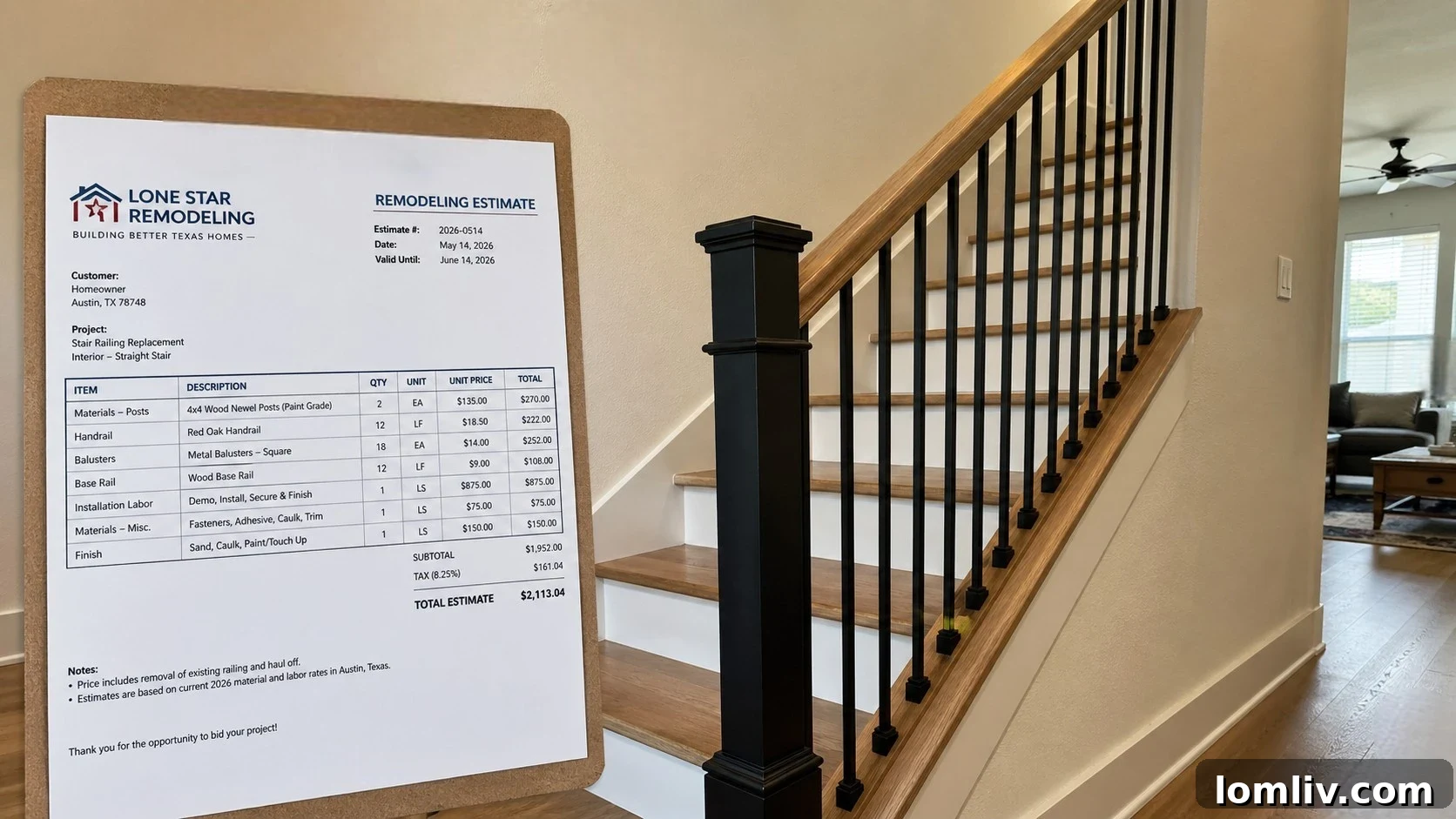
Analyzing the financial implications of a stair railing upgrade reveals a compelling case for its value. A comprehensive staircase remodel, which might include replacing outdated balusters with elegant iron ones and installing a new, stylish handrail, typically ranges between $2,000 and $6,000. This cost can vary based on factors such as the staircase’s length, the complexity of the design, and the chosen materials. Homeowners who partner with specialized professionals, like those at sihandrails, often discover that even custom iron options can be integrated within a reasonable budget, resulting in a dramatic transformation of the main floor’s aesthetic.
While home appraisers do not assign a specific, standalone dollar value solely to stair railings, an updated railing significantly enhances the overall interior condition rating of a property. Homes featuring modern, well-maintained staircases consistently tend to appraise at the higher end of their neighborhood comparables. Depending on the dynamics of your local real estate market, this upgrade can translate into a substantial increase of $8,000 to $20,000 in additional home equity or perceived value. This impressive uplift underscores the strategic financial advantage of such an improvement.
Sellers typically achieve a remarkable recoupment of 70 to 90 percent of their investment on a stair railing upgrade, provided the new design seamlessly integrates with the existing architectural style of the home. This exceptional ROI stands in stark contrast to major kitchen remodels, which commonly yield an average return of approximately 60 percent. The disparity clearly illustrates why astute sellers prioritize staircase improvements. It is consistently ranked among the highest-return updates you can make when preparing a house for the competitive real estate market, offering a superior balance of cost and value generation.
Furthermore, contemporary real estate market data consistently indicates that “turnkey homes”—properties that require no immediate repairs or updates—sell considerably faster and often command a premium price. A secure, aesthetically pleasing, and updated staircase acts as a strong visual cue to buyers, assuring them they are considering a turnkey property. This assurance significantly alleviates buyer anxiety concerning unexpected post-closing expenses or immediate renovation headaches, making the property far more attractive and facilitating a smoother transaction.
Matching the Material: Harmonizing Stair Railings with Your Home’s Architectural Style
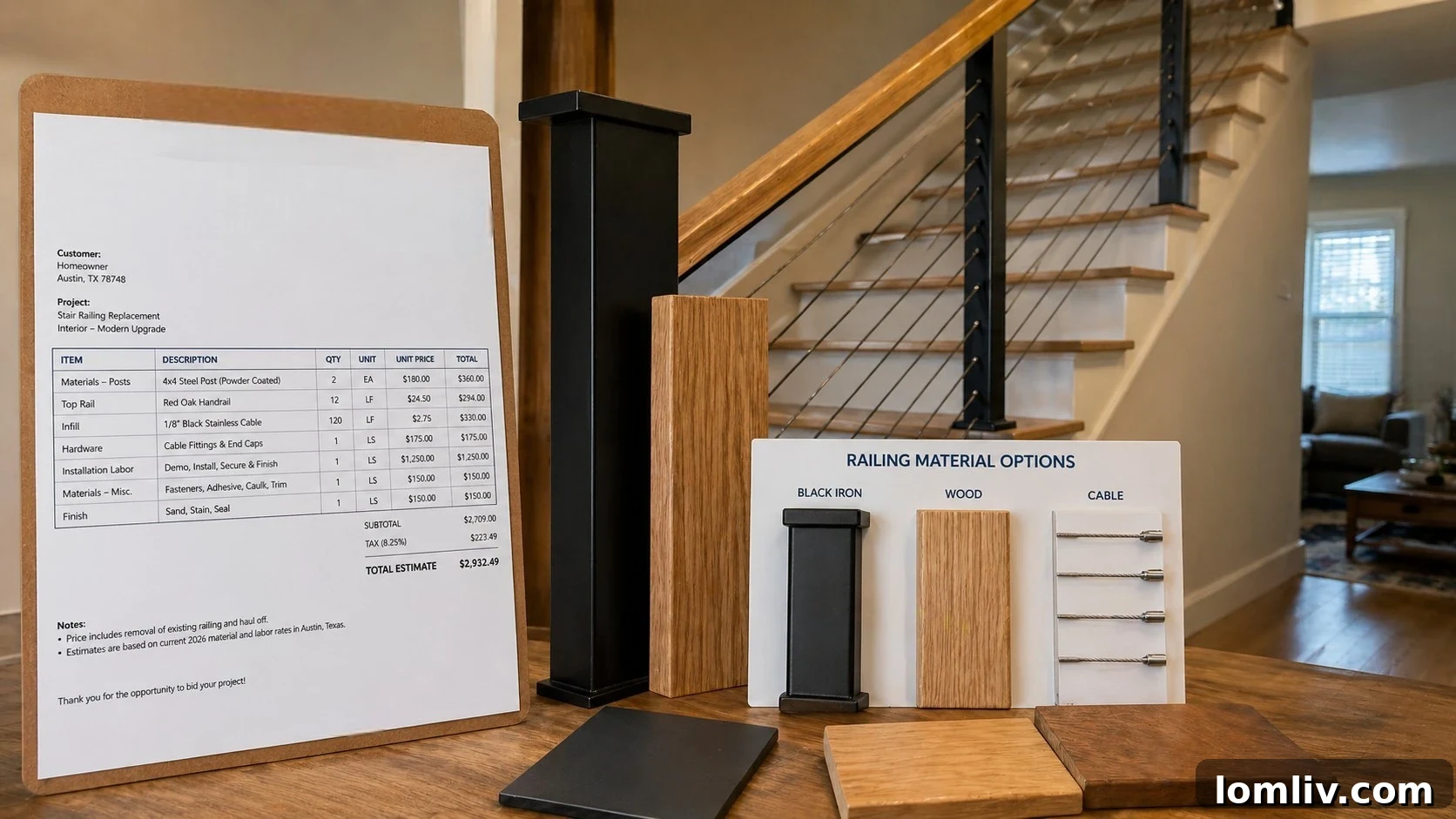
One of the most frequent and costly errors sellers make is installing a trendy or fashionable railing that glaringly clashes with the overall architectural style and existing décor of the house. For instance, an industrial-style cable railing would appear entirely out of place within the classic charm of a traditional colonial home. Conversely, intricately hand-carved oak spindles would look incongruous in a sleek, minimalist modern loft. The railing’s design, material, and finish must be thoughtfully chosen to complement and enhance the inherent architecture of the home, creating a cohesive and harmonious aesthetic.
For homes with traditional or transitional architectural styles, wrought iron with subtle scrollwork, classic basket patterns, or even simple vertical bars is an exceptional and enduring choice. This material offers a timeless elegance that appeals to a broad spectrum of buyers and photographs beautifully for online listings. Buyers browsing through real estate applications or websites are often captivated by the clean lines and classic sophistication of a well-designed wrought iron railing, which conveys a sense of quality and established style.
In newly constructed homes or properties featuring expansive open-concept floor plans, more contemporary materials and designs are typically preferred. Black metal rails, sophisticated horizontal cable systems, minimalist wood designs, or even glass panels are ideal choices. These materials are chosen for their ability to maintain clear sightlines, contributing to an illusion of greater space and openness, which is a significant selling point, especially in properties with smaller footprints. In homes where the staircase is visible from multiple living areas, the railing transcends its functional purpose to become a central artistic feature, significantly contributing to the main floor’s overall aesthetic and design narrative.
Furthermore, consider the texture and finish. A high-gloss finish might suit an art deco space, while a matte black or brushed nickel often complements modern farmhouse or industrial styles. The weight and visual presence of the railing also play a role; delicate designs can open up a space, while more substantial ones provide a sense of grandeur. The goal is always to create a seamless integration that elevates the home’s style rather than detracting from it.
Pre-Listing Strategies: Optimizing Your Staircase for a Quick Sale
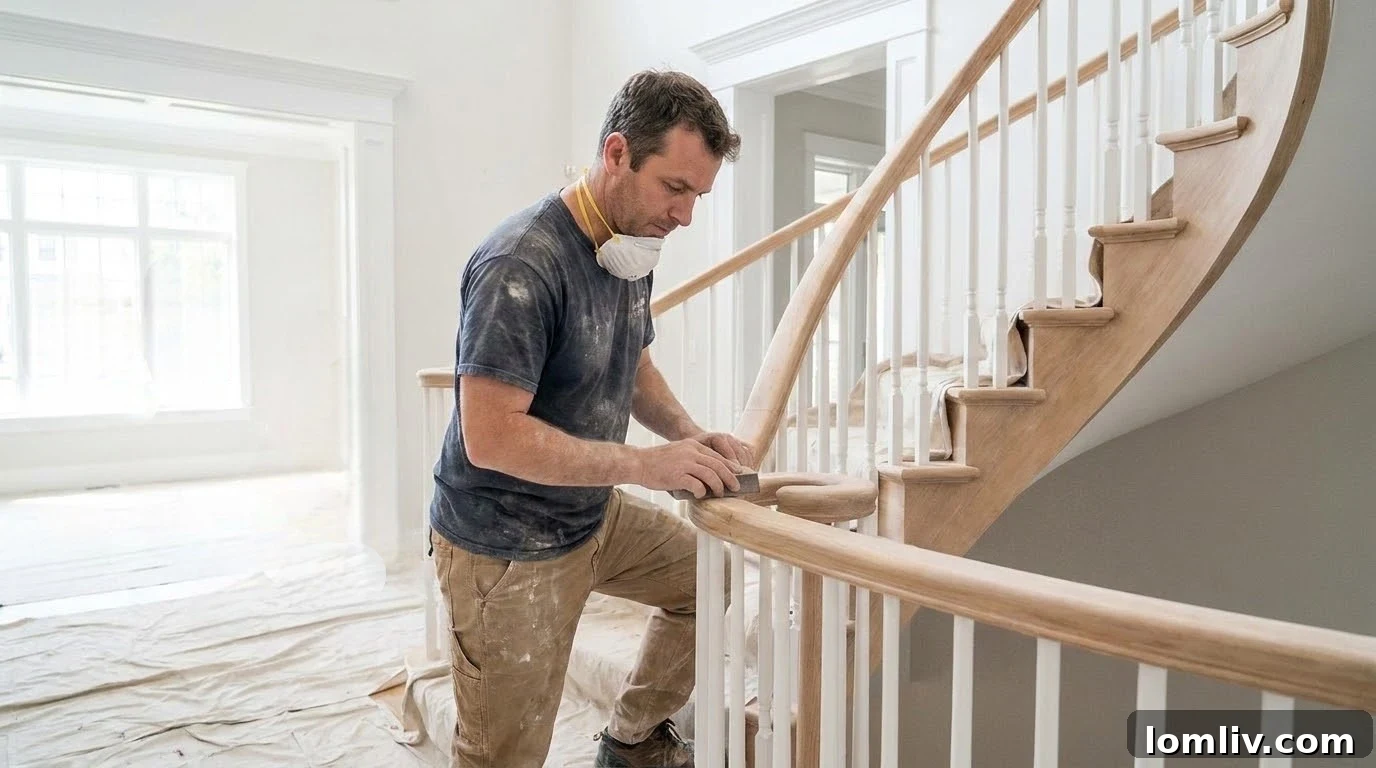
If your existing stair railing is structurally sound but visually dated, a strategic refinishing can deliver a significant impact for a relatively small investment. Stripping away old varnish or paint and applying a modern matte black or rich dark walnut stain can completely revitalize and modernize the entire space for just a few hundred dollars. Another highly effective and budget-friendly option is to swap out bulky wooden balusters for sleek, contemporary iron ones. This upgrade can often be achieved for under $1,000, creating an entirely fresh and updated aesthetic that appeals to modern buyers.
However, if your railing exhibits signs of structural compromise—such as being loose, cracked, or failing to meet current safety codes—the most prudent course of action is a complete tear-out and installation of a new system. Attempting to cosmetically patch up a failing railing solely for the purpose of selling the house is an invitation to an inspection nightmare. Experienced buyers and their agents possess a keen eye for detail and can easily detect a hastily applied paint job or superficial fix attempting to mask a more serious structural issue. Such an attempt can quickly erode buyer trust, potentially jeopardizing the entire sale.
Timing is also a critical factor in this process. Ensure that all staircase upgrades are completed at least a few weeks before your property is officially listed for sale. This timeframe allows for the space to be professionally cleaned and prepared for high-quality real estate photography. A professional and visually appealing listing photo is paramount, as it is the primary tool for attracting more attention to your property online. An elegant, updated staircase prominently featured in online photos often serves as the initial hook that entices potential buyers to schedule a physical tour and step through your front door.
The significance of online presentation cannot be overstated. Data from the National Association of Realtors indicates that over 90 percent of prospective buyers commence their home search online. This means your main listing photo is not just a picture, but your single, most critical opportunity to make a compelling first impression digitally. If that leading image showcases a grand, inviting, and updated entryway with a stunning staircase, you will naturally generate significantly more interest and drive increased foot traffic to your open houses and private showings. This strategic pre-listing investment translates directly into accelerated sales and higher offers.