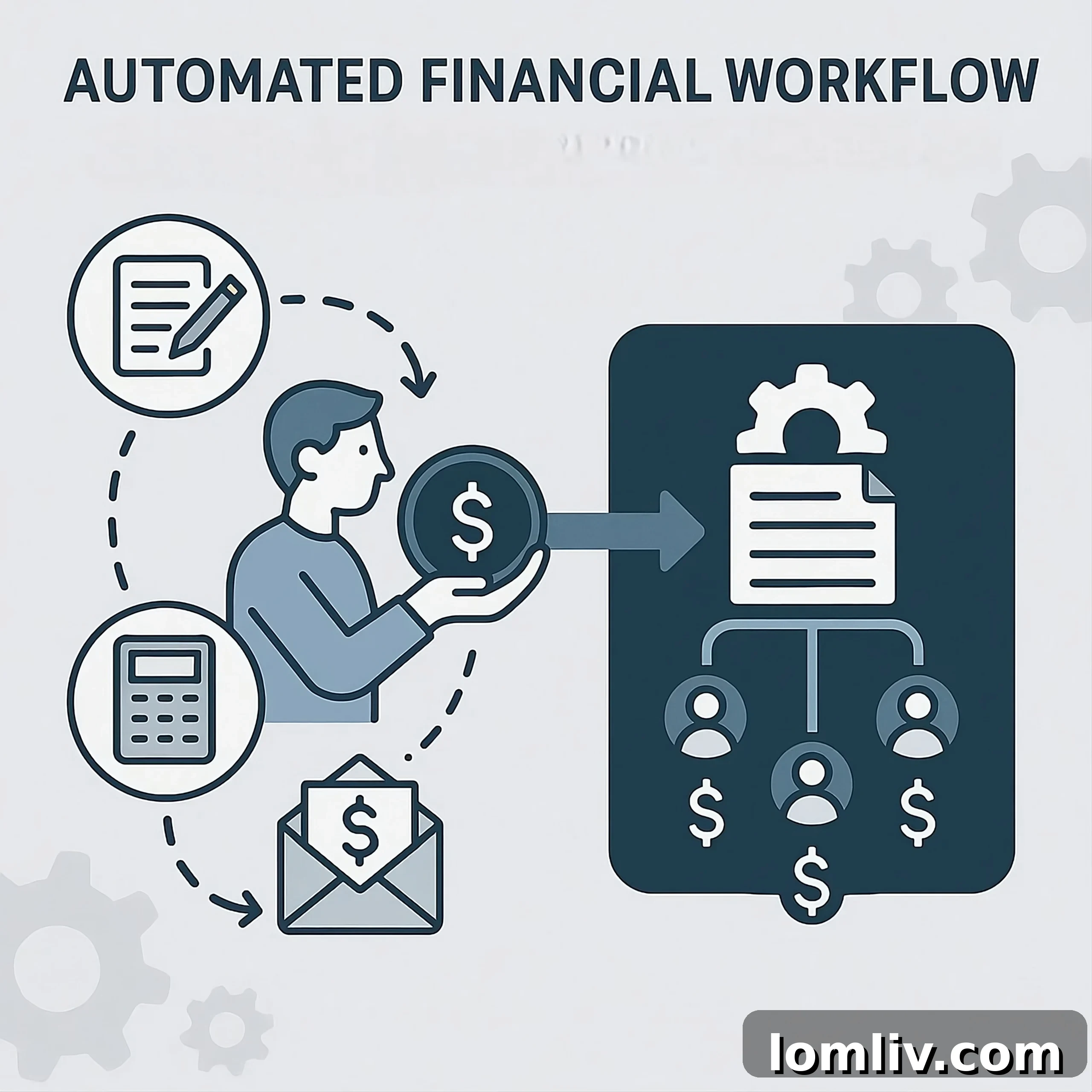
In today’s interconnected global economy, the lines between domestic and international business operations are increasingly blurred. A significant majority of North American businesses, from emerging startups to established enterprises, rely on expansive international supply chains. Beyond sourcing and logistics, many also engage with diverse global teams, independent contractors, and freelancers scattered across different continents. This widespread international engagement, while unlocking unparalleled growth opportunities, simultaneously introduces a complex web of financial challenges, particularly when it comes to managing mass payments to multiple recipients in various countries.
Navigating the intricacies of international mass payments can quickly become a formidable logistical and financial hurdle for even the most agile organizations. Businesses are often forced to contend with constantly fluctuating exchange rates, a myriad of regional banking restrictions, and diverse regulatory frameworks, all while striving to maintain efficiency and transparency. Without the appropriate technological infrastructure and strategic tools, these cross-border financial processes can become a major drain on resources, escalating operational complexity and exposing businesses to unnecessary risks. However, by strategically implementing modern payment solutions, your business can dramatically streamline these vital workflows, significantly reducing the administrative burden and enhancing the overall efficiency of its global financial operations.

Decoding the Complexities: The Challenges of Global Mass Payments
Managing global mass payments involves much more than simply sending money overseas. It requires a meticulous approach to a multitude of interconnected factors. Businesses must adeptly manage dynamic currency conversions, understand and mitigate per-payment transaction fees, and meticulously navigate an intricate web of international banking rules and regulations. Crucially, all these operations must remain fully compliant with diverse local and international laws, a task that demands constant vigilance.
The act of paying a freelance designer in Europe, a critical supplier in Asia, or a strategic partner in Latin America rarely follows a uniform process. Each transaction often necessitates different account formats, such as the International Bank Account Number (IBAN) prevalent in Europe, various local clearing codes unique to specific countries, and country-specific payment forms. Furthermore, international transactions frequently involve intermediary banks, which can add unexpected layers of time, cost, and complexity to the payment journey. Perhaps one of the most significant financial risks stems from foreign exchange (FX) rates, which can fluctuate dramatically. If not proactively and effectively managed, these currency movements can profoundly impact overall costs and profitability, eroding margins and introducing significant financial uncertainty.
Attempting to handle the sheer volume and intricate details of global mass payouts manually is inherently risky and prone to error. Even minor mistakes in account details, incorrect currency conversions, or late payments can have severe repercussions. Such errors can quickly erode trust with valuable international partners, disrupt critical project timelines, and damage business relationships. As a company scales and the volume of international payouts grows from dozens to hundreds or even thousands, the challenges of manual processing become insurmountable. A lack of real-time visibility into payment statuses, processing times, and potential issues creates operational roadblocks, leading to delays, increased administrative burden, and inefficient resource allocation. Without a robust system, managing these complexities becomes a continuous uphill battle, hindering global expansion and operational efficiency.
Unlocking Efficiency: The Benefits of Automating Global Payouts
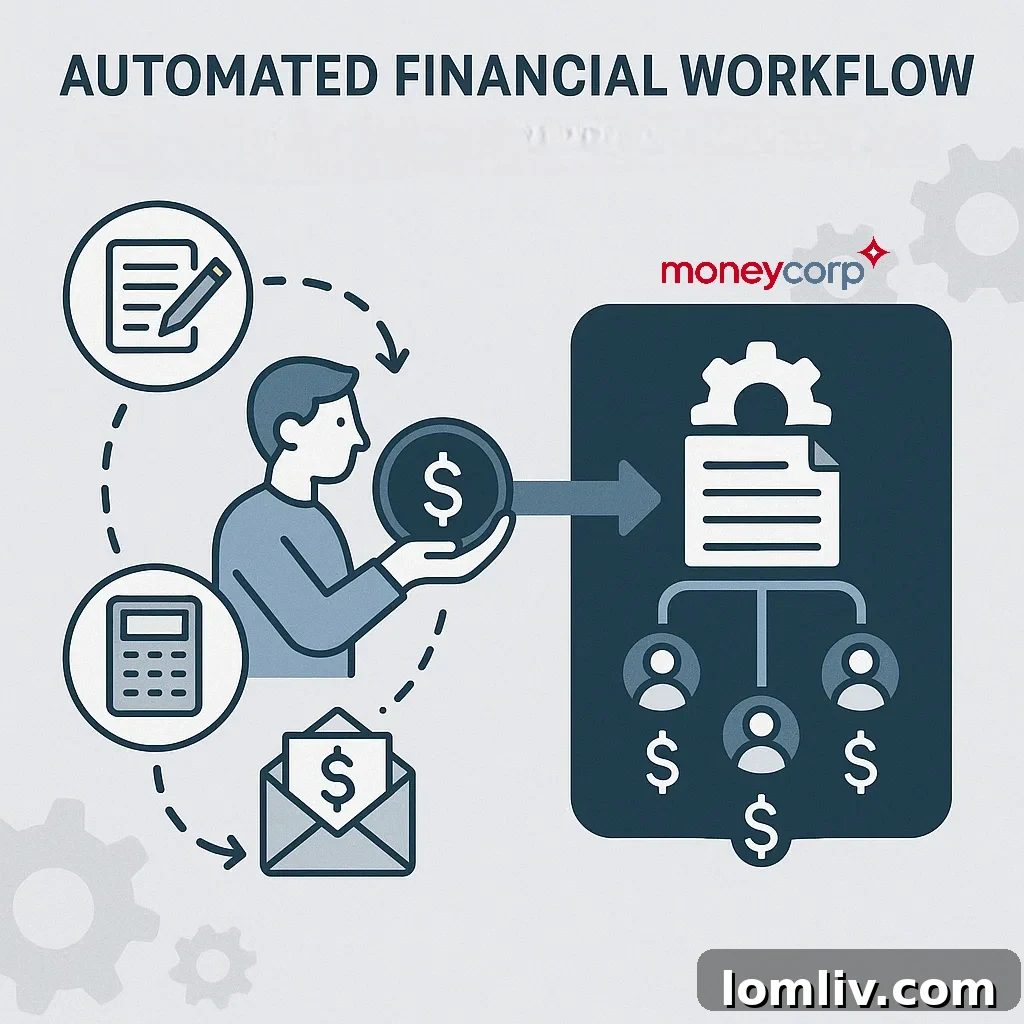
In the realm of cross-border payments, automation is not merely a convenience; it is a strategic imperative that delivers profound benefits. At its core, automating international payouts dramatically saves time by eliminating manual processing steps, significantly reduces the potential for human error, and provides your finance team with unparalleled clarity and a clear, real-time view of every transaction, detailing what was paid, when, and to whom. Modern mass payout tools are specifically designed to facilitate the simultaneous transfer of funds to numerous recipients in a wide array of currencies. These advanced platforms leverage either live, real-time FX rates or allow for locked-in quotes, providing greater certainty and control over currency conversion costs.
The transition to automated payment systems effectively removes the laborious and error-prone process of manual data entry. This streamlining not only shortens payout cycles considerably but also generates immaculate, tamper-proof audit trails with built-in verification mechanisms. This level of transparency and accuracy is invaluable for internal financial management and external compliance audits.
A direct and immediate benefit of automation is that your clients, partners, and contractors experience faster and more reliable payments with significantly fewer interruptions or hiccups. This consistency and punctuality are paramount in business environments where timely delivery and trust are critical drivers of success and strong relationships. Furthermore, a well-implemented automated system is inherently scalable. It is designed to effortlessly accommodate your business’s growth trajectory, meaning you can expand your global operations without incurring a proportional increase in administrative overhead or needing to stack additional manual tasks. Beyond efficiency, leading payment platforms intelligently route payments over local rails, such as SEPA (Single Euro Payments Area) in Europe and Faster Payments in the UK, whenever geographically and technically possible. This strategic routing not only bypasses costly international wire transfer fees but also dramatically improves payment speed, ensuring funds reach recipients much quicker and more economically.
Strategic Selection: Choosing the Right Mass Payment Platform
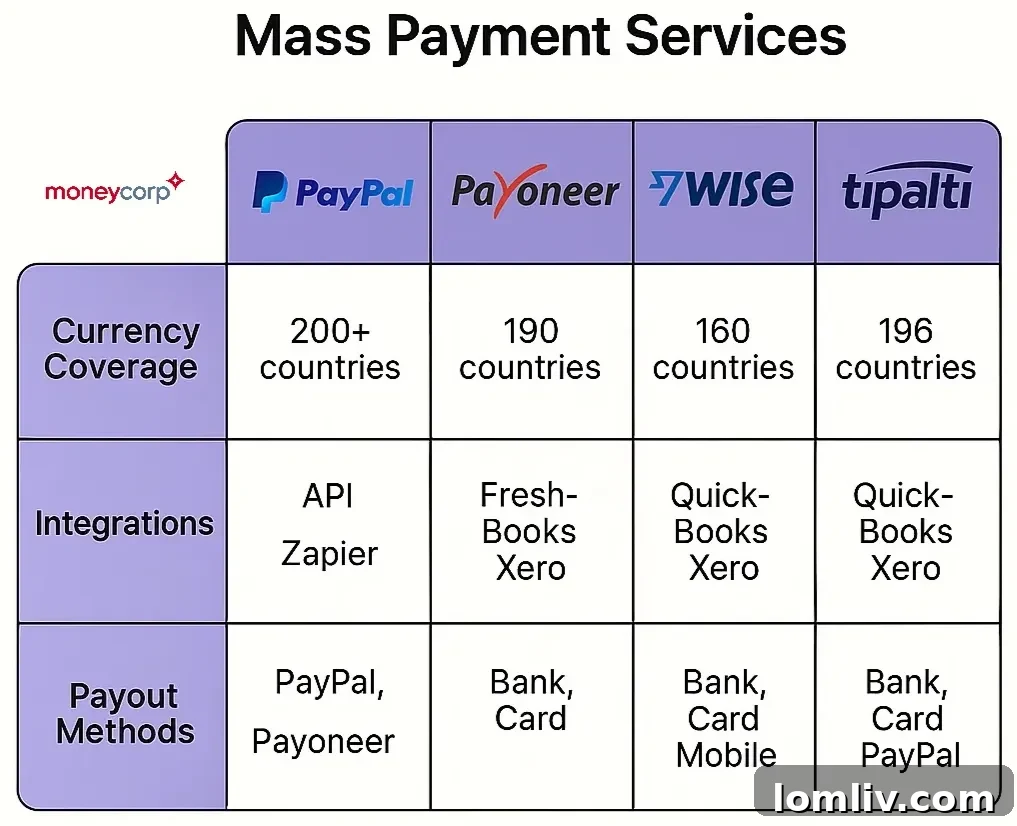
Selecting the optimal mass payment platform is a pivotal decision that directly impacts your global financial efficiency and growth potential. It’s crucial to choose a platform that not only meets your current needs but also seamlessly aligns with your operational workflows and future expansion plans. Begin by evaluating the platform’s country coverage and its support for the specific currencies you most frequently use for payouts. A robust platform should offer extensive geographical reach and comprehensive multi-currency capabilities. Additionally, look for solutions that provide robust, plug-and-play integrations with your existing core financial tools, including accounting software, payroll systems, and Enterprise Resource Planning (ERP) tools. Seamless integration is key to automating data synchronization and eliminating manual entry across your financial ecosystem.
Prioritize providers that offer transparent foreign exchange (FX) pricing, clearly detailing any upfront markups or conversion fees. Hidden costs can quickly erode savings, so clarity in pricing is non-negotiable. The platform should also offer flexible payout options to cater to diverse recipient preferences and regional banking landscapes. This includes support for traditional bank transfers, efficient local payment rails (like ACH, SEPA, UPI), and increasingly popular digital wallets. This flexibility is especially vital if you’re managing regular money transfer overseas operations to a variety of global stakeholders. Seek out providers that specialize in multi-currency business payments and offer advanced features tailored for corporate needs, such as rate locks to mitigate FX volatility, bulk approval capabilities for high-volume transactions, and real-time tracking that provides end-to-end visibility into every payment’s journey.
The strength of a platform’s integrations cannot be overstated. Powerful integration capabilities ensure that critical data—such as vendor profiles, invoice details, and payout statuses—are automatically synchronized across all your financial systems. This holistic data flow provides your finance team with crucial end-to-end visibility, transforming potentially fragmented processes into smooth, efficient handoffs from initial payment approval all the way through to final reconciliation. Furthermore, a truly effective platform must incorporate robust internal controls. Look for features like role-based access controls, customizable approval rules, and a comprehensive, immutable audit log. These controls are essential for ensuring adherence to internal policies, maintaining financial integrity, and meeting regulatory requirements without introducing unnecessary bottlenecks or slowing down critical operations.
Upholding Integrity: Ensuring Compliance and Security in Cross-Border Transactions
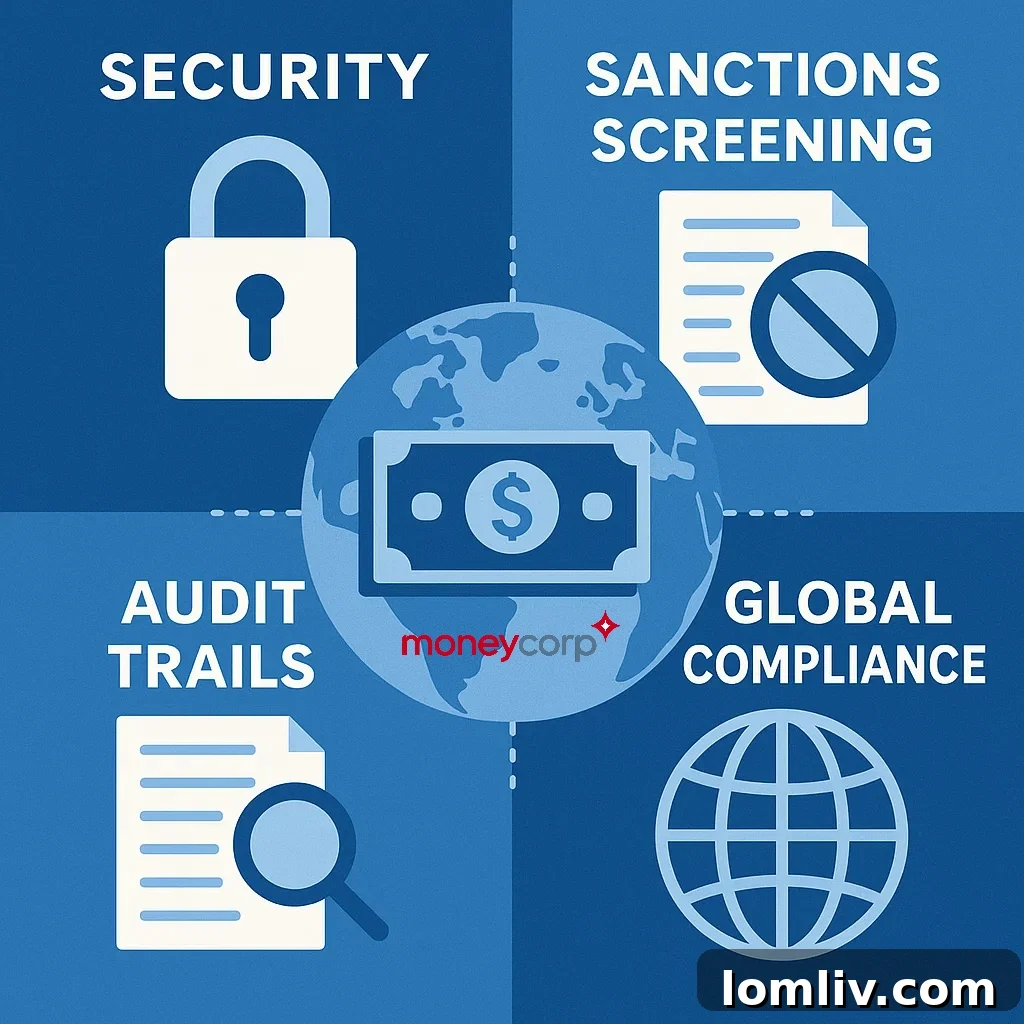
Compliance and security are not merely features but fundamental pillars of trust and legality in the complex world of cross-border payments. Every international payment your business initiates must rigorously adhere to a wide array of global regulations, including stringent Anti-Money Laundering (AML) directives and Know Your Customer (KYC) checks. Failure to comply with these critical requirements can expose your business to severe penalties, ranging from hefty fines to the freezing of funds, and significant reputational damage. It is therefore imperative to partner with payment providers that seamlessly integrate automated verification processes, comprehensive sanctions screening, and continuous monitoring into their platform.
Specifically, if you engage international contractors, it’s vital to collect the correct tax forms, such as W-8BEN for individuals or W-8BEN-E for entities, and to diligently check international sanctions lists like those maintained by the Office of Foreign Assets Control (OFAC) before disbursing any funds. Automated systems can significantly simplify these complex compliance tasks, reducing manual effort and minimizing the risk of oversight.
Beyond regulatory compliance, robust security measures must be an absolute non-negotiable aspect of any chosen payment platform. Partner with providers who employ industry-leading security protocols. This includes the use of modern encryption standards (e.g., TLS 1.2 or higher) to protect data in transit, tokenized account storage to safeguard sensitive financial information, and mandatory multi-factor authentication (MFA) to prevent unauthorized access to accounts. These foundational security layers are crucial for protecting your business and your recipients from fraud and cyber threats.
Furthermore, look for platforms that offer clear, comprehensive reporting capabilities, real-time payment tracking, and easily exportable logs. These features are indispensable not only for proving compliance to auditors and regulatory bodies but also for maintaining complete accountability throughout the entire payment lifecycle, from initial setup to final settlement. A strong audit trail ensures transparency and provides an irrefutable record of every transaction, bolstering both internal controls and external regulatory adherence.