Arlington Interlink: A Strategic Repositioning Success in the Dynamic DFW Office Market
In a compelling demonstration of strategic foresight and effective asset management, TXRE Properties, a Dallas-based real estate firm, has successfully executed the sale of Arlington Interlink, an office property situated in the thriving Dallas-Fort Worth metroplex. This transaction, involving Hielan Real Estate as the buyer, stands as a notable case study in revitalizing commercial assets amidst a challenging market landscape. Acquired during the turbulent post-pandemic period, when office real estate faced unprecedented uncertainties, TXRE’s intervention transformed the property into a high-performing asset, pushing occupancy from a mere 36% to an impressive 95% and significantly increasing asking rents.
The TXRE Strategy: Identifying Opportunity Amidst Uncertainty
The acquisition of Arlington Interlink by TXRE Properties in 2022 marked a bold move, made at a time when the commercial office sector was grappling with the profound shifts brought about by the COVID-19 pandemic. Many investors paused, wary of the long-term impact of remote work trends on physical office demand. TXRE, however, recognized an underlying opportunity: a distressed asset with strong fundamentals, ripe for renovation and strategic repositioning. Their approach was straightforward yet highly effective: acquire an underperforming office building, invest substantially in its modernization, and meticulously lease it to tenants who demonstrably required physical space for their operations.
This calculated risk paid off handsomely. Before the recent sale to Hielan Real Estate, TXRE announced a remarkable turnaround. The property’s occupancy soared from 36% to an impressive 95%, reflecting robust tenant demand for well-located and updated office environments. Concurrently, asking rents for the approximately 80,000-square-foot facility experienced a substantial climb, increasing from $16 to $24 per square foot. While the exact sale price was not disclosed, this dramatic improvement in key performance indicators suggests a significant return on investment for TXRE Properties, validating their value-add strategy.
Arlington Interlink: A Strategic Location and Modern Appeal
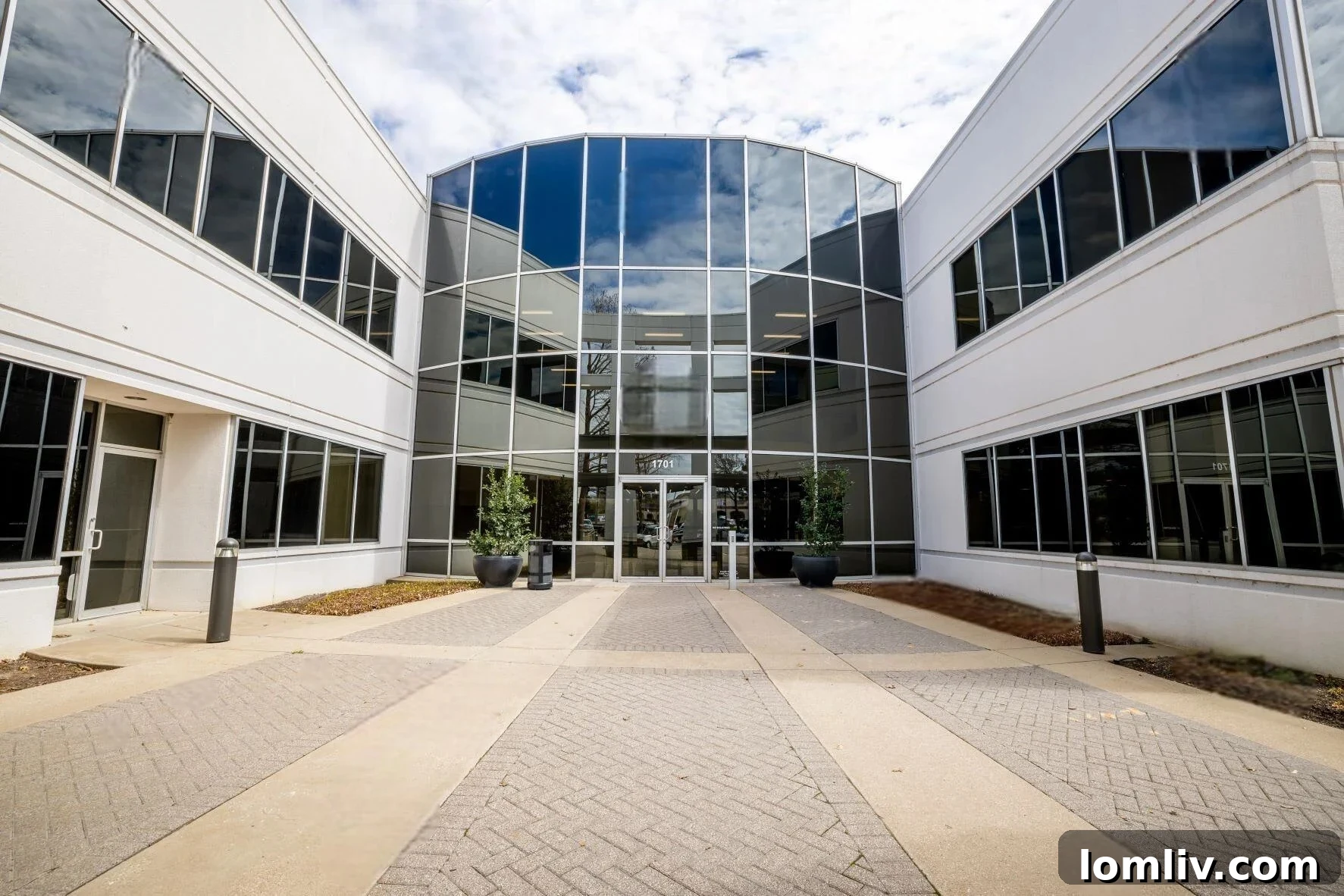
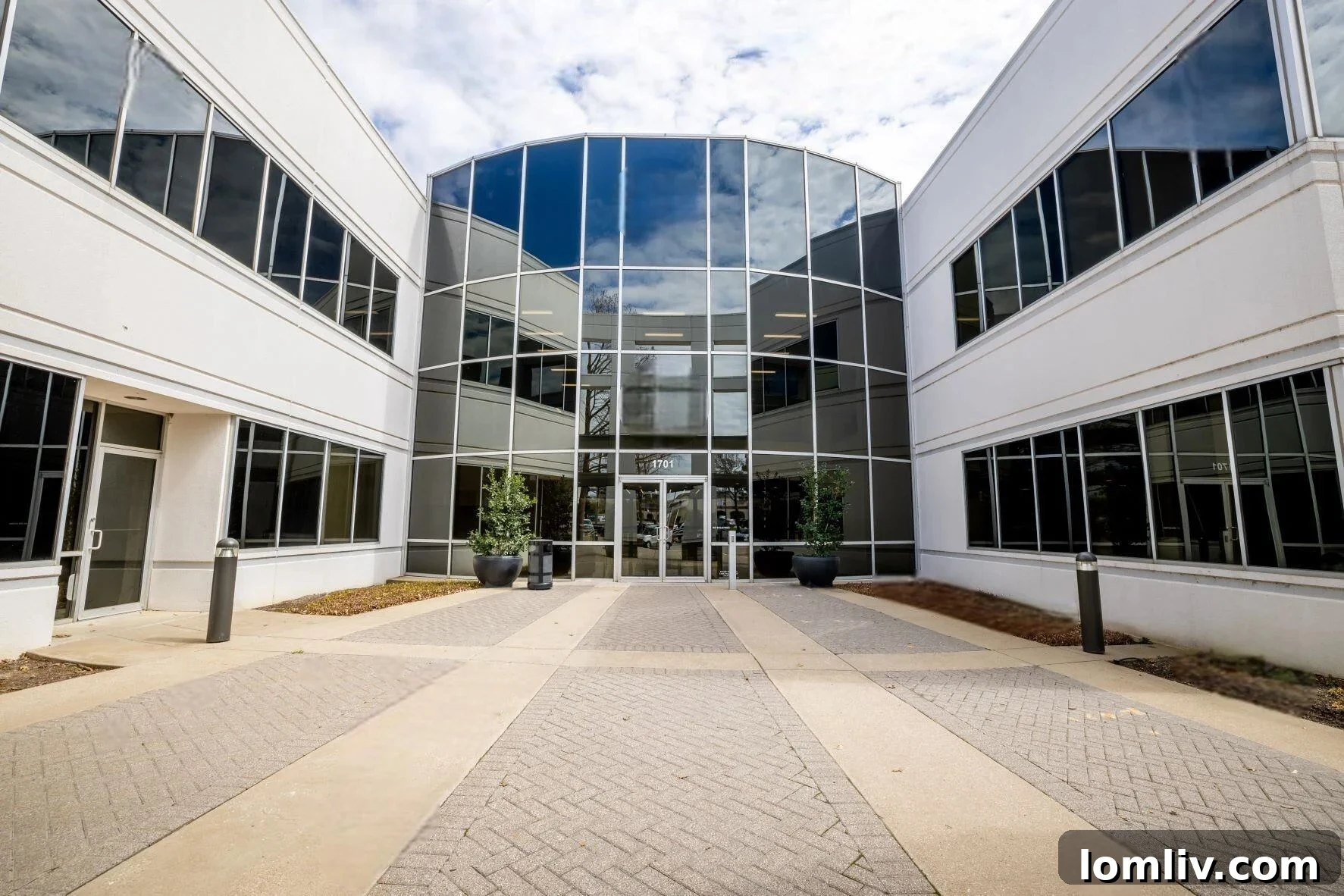
The Arlington Interlink property, located at 1701 E. Lamar Blvd., benefits from a highly advantageous position. It boasts excellent connectivity, situated just off the convergence of Interstate 30 and State Highway 360, providing convenient access across the Dallas-Fort Worth region. Crucially, its proximity to Arlington’s Entertainment District further enhances its appeal. This district is a vibrant hub of activity, home to major sports venues, entertainment options, and hospitality establishments, creating a dynamic environment that attracts businesses and their employees.
When TXRE acquired the building, originally constructed in the late 1990s, they immediately embarked on a comprehensive repositioning strategy. Extensive renovations were undertaken to transform the asset into a modern and attractive workspace, rebranded as Arlington Interlink. Marketing materials for the renovated property proudly highlight upgraded common areas, designed to foster collaboration and provide a welcoming atmosphere. The introduction of dedicated on-site management ensures efficient operations and responsive tenant services, while ample parking addresses a critical need for suburban office users. These improvements collectively elevated the building’s standing, making it competitive in a market increasingly demanding higher quality and amenity-rich spaces.
Sportec Solutions: A Catalyst for Success
A pivotal moment in the Arlington Interlink’s resurgence was the decision by Munich-based Sportec Solutions to establish its U.S. headquarters within the building in 2024. This significant move not only validated TXRE’s investment but also underscored the property’s enhanced appeal. Sportec Solutions, a prominent provider of live match data and sophisticated video assistant referee (VAR) services for major sports leagues, found the renovated Interlink a fitting home for its expanding North American operations. The company now officially lists Arlington Interlink as its U.S. address, solidifying its presence in the region.
The relocation of Sportec Solutions was not merely a private business decision; it was significantly supported by local economic development initiatives. Arlington city officials played a proactive role, backing the headquarters move with a $1 million performance grant, facilitated through the Arlington Economic Development Corporation. This incentive package was instrumental in attracting the international company and was projected to create 17 new jobs within the city. The arrival of a high-tech sports data company like Sportec Solutions perfectly aligns with Arlington’s broader strategy to diversify its economy and capitalize on its reputation as a premier sports and entertainment destination.
Arlington’s Economic Development Blueprint: Beyond Game Days
The Sportec Solutions deal offers a clear glimpse into Arlington’s sophisticated economic development strategy. The city has deliberately cultivated a corridor defined by sports, hospitality, and unparalleled regional access. This combination is not accidental; it represents a concerted effort to leverage targeted incentives to broaden the area’s economic base beyond the episodic influx of game-day traffic. By attracting companies like Sportec, Arlington aims to create stable, high-value employment opportunities that contribute to the local economy year-round, reducing reliance on event-driven tourism alone.
The Debate Over Public Incentives
This approach, while yielding tangible results, is not without its ongoing debate. Supporters of such targeted public incentives argue that this is precisely how local economic development should function. By strategically deploying grants and other support, cities can successfully draw in new jobs, anchor high-value tenants within their commercial real estate markets, and stimulate further investment. In an office market that many investors still approach with considerable caution, securing a tenant of Sportec’s caliber is seen as a significant victory, providing stability and signaling confidence in the local economy.
Conversely, critics often contend that the public return on these incentives can be narrower than it initially appears. They argue that the same public funds, totaling millions of dollars across various projects, might yield greater societal benefits if directed towards other critical areas such as public transit infrastructure, affordable housing initiatives, or broader workforce development programs. While both perspectives hold valid points, the Arlington Interlink case demonstrates that, when carefully applied, such incentives can indeed act as powerful catalysts for private investment and economic growth, particularly in sectors where a city has a clear competitive advantage.
Lessons for the DFW Office Market: A Realistic Path to Success
The success story of Arlington Interlink also casts a stark light on the current realities of the broader DFW office market. It underscores that while the sector has not universally recovered from the widespread disruptions of the past few years, specific buildings and strategic investments can still achieve significant success. This deal serves as a pragmatic example that certain fundamental attributes, when coupled with fresh capital and a clear vision, remain crucial for triumph in the evolving commercial real estate landscape.
Key factors that underpinned Arlington Interlink’s success include excellent highway access, a significant infusion of capital for modern renovations, a realistic scale for the building, and the provision of ample parking – a non-negotiable amenity for many suburban tenants. Most importantly, it attracted tenants with a practical, demonstrable reason to maintain a physical office presence. This targeted approach represents a far more realistic scenario for success in a region where many other Arlington office properties continue to face distress, and where Dallas is increasingly leaning into office conversions to alleviate excess supply in its urban core. The market is discerning, and success now hinges less on broad trends and more on individual asset performance and strategic positioning.
Investment and Urban Development in the Metroplex
From the perspective of the buyer, Hielan Real Estate, the acquisition of Arlington Interlink appears to be a calculated bet on a single, thoroughly renovated asset that has already demonstrated significant momentum and tenant appeal. It is a targeted investment in a proven success story, rather than a broad, speculative gamble on the overall, still-recovering office market. This strategy reflects a growing trend among savvy investors who are meticulously selecting properties with strong fundamentals and established value-add propositions.
For the city of Arlington, this transaction represents another crucial test of whether its unique combination of public incentives, the powerful draw of its entertainment district, and robust private redevelopment efforts can continue to sustain the economic viability of its aging suburban office stock. In a commercial real estate market that is actively “picking winners and losers,” the ability to adapt, innovate, and attract top-tier tenants will be paramount to keeping these properties economically useful and preventing widespread obsolescence.
Conclusion: A Blueprint for Future Success in DFW Commercial Real Estate
The successful repositioning and sale of Arlington Interlink by TXRE Properties serves as an important blueprint for navigating the complexities of the contemporary commercial real estate market in the Dallas-Fort Worth metroplex and beyond. It highlights the critical importance of a strategic vision, substantial capital investment in property upgrades, and a keen understanding of evolving tenant needs. This case unequivocally demonstrates that even in a challenging environment, well-executed value-add strategies, particularly when supported by strategic urban planning and incentives, can yield remarkable results. The Arlington Interlink story is not just about a successful real estate deal; it’s about intelligent investment, urban revitalization, and the ongoing transformation of the DFW commercial landscape.