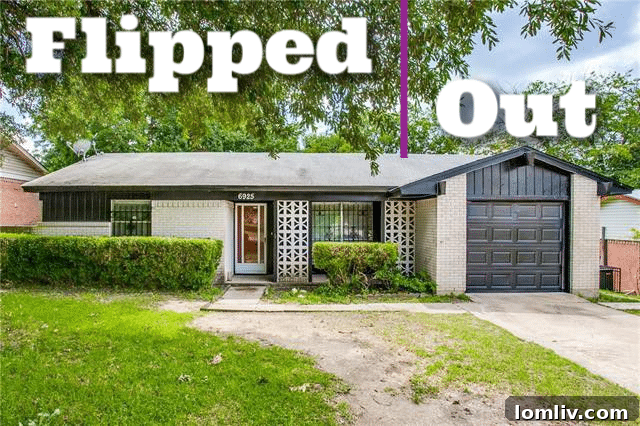
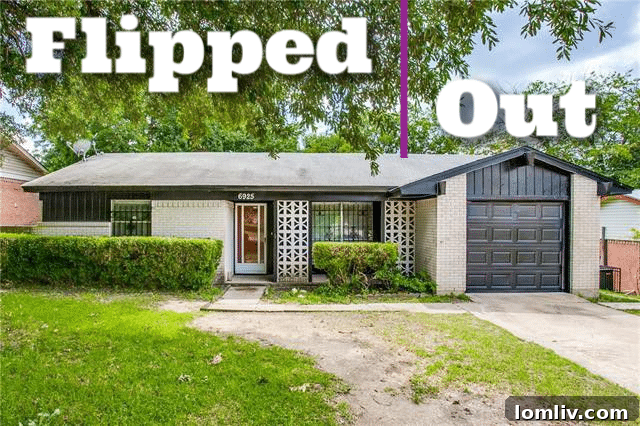
Welcome to “Upon Closer Inspection,” a weekly series brought to you by the expert team at Green Scene Home Inspections. Dedicated to empowering Daltxrealestate.com readers with invaluable insights, we delve deep into the nuances of home inspection, revealing what truly lies beneath the surface. Navigating the complexities of real estate can be challenging, especially when considering a property that has undergone significant renovation. This series is designed to equip prospective homebuyers with the knowledge they need to make informed decisions and protect their investment.
In today’s dynamic real estate market, flipped homes often present an alluring proposition: a freshly renovated property, seemingly move-in ready, promising modern aesthetics and updated features. However, beneath this polished exterior, potential pitfalls frequently lurk. As seasoned home inspectors, we routinely encounter issues in recently flipped houses, ranging from minor cosmetic flaws to significant structural and safety hazards. These problems often stem from two primary sources: the pressure to complete renovations quickly to maximize profit, leading to rushed or superficial work, or a lack of qualified expertise among those performing the renovations, resulting in improper installations or code violations.
Even more concerning are instances where shoddy or improperly executed work is deliberately concealed, with flippers hoping these deficiencies will go unnoticed during the sale process. While many reputable house flippers pride themselves on delivering quality work, the prevalence of substandard renovations makes it imperative for homebuyers to approach flipped properties with an extra layer of caution and skepticism. A thorough, professional home inspection becomes not just advisable, but absolutely essential in such scenarios. This week, “Upon Closer Inspection” shines a spotlight on some of the most critical and alarming issues we’ve uncovered in flipped homes, providing a candid look at the challenges faced by unsuspecting buyers.
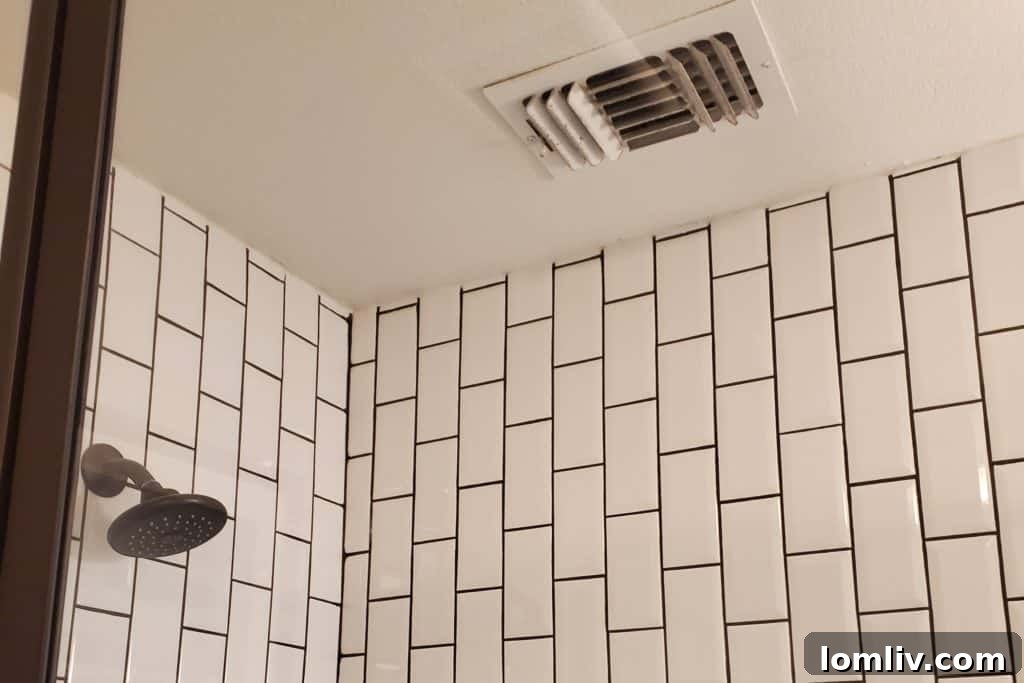
#thatsafirst: The Peril of the Shower Air Register
Imagine stepping into your newly renovated shower, expecting a refreshing experience, only to find an air register—a component of your home’s heating and cooling system—directly overhead. While the idea of a warm blast during a chilly morning shower might sound appealing, the reality is far from comfortable, and indeed, poses significant risks. This particular find is a classic example of a flipper cutting corners, opting to leave an existing HVAC register in place rather than undertaking the necessary work to relocate or properly seal it during a bathroom remodel.
The primary concern with an air register in a shower enclosure is moisture. Showers generate an immense amount of steam and humidity. When this moist air enters the vent system, it creates an ideal breeding ground for mold and mildew within the ductwork. Mold spores can quickly spread throughout your home’s HVAC system, compromising indoor air quality and potentially leading to serious health issues for occupants, including respiratory problems, allergies, and asthma flare-ups. Beyond health risks, persistent moisture within the ducts can lead to rust, corrosion, and deterioration of the HVAC system itself, necessitating costly repairs or even full replacement down the line. Furthermore, the constant exposure to water and steam can damage the register grates, paint, and surrounding ceiling materials, leading to peeling, staining, and eventual structural degradation. A proper bathroom renovation always includes adequate ventilation, typically through a dedicated exhaust fan, and ensures that HVAC registers are strategically placed away from direct moisture exposure to maintain the integrity of the system and the health of the home.
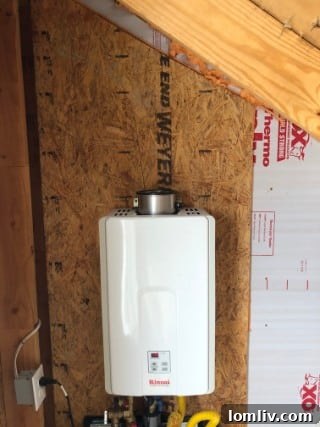
#wearamask: The Silent Threat of Unvented Water Heaters
During a recent inspection, we encountered a brand-new tankless water heater installed in an attic—a modern, efficient appliance, yet dangerously incomplete. The critical missing component? The flue pipe, designed to safely vent combustion byproducts to the exterior of the home. This oversight represents a severe health and fire hazard that any homebuyer should be acutely aware of, especially in newly renovated properties.
Tankless water heaters, like traditional tank models, operate by burning fuel (typically natural gas or propane) to heat water. This combustion process produces exhaust gases, including carbon monoxide (CO), a colorless, odorless, and highly toxic gas. Without a proper flue pipe, these deadly gases are not expelled outside but instead accumulate within the attic space. From there, carbon monoxide can easily seep into the living areas of the home, posing an immediate and silent threat of carbon monoxide poisoning to all occupants. Symptoms of CO poisoning can range from headaches, dizziness, and nausea to unconsciousness and even death, often without the victim ever realizing the source of their illness. Beyond the health risks, the buildup of hot exhaust gases in an enclosed attic space significantly increases the risk of fire, especially if combustible materials are present nearby. Proper installation of any gas-fired appliance, including a tankless water heater, mandates a correctly sized and installed flue pipe that terminates safely outside the home, in strict accordance with local building codes and manufacturer specifications. Always ensure a qualified professional handles gas appliance installations, and verify proper venting during your home inspection.
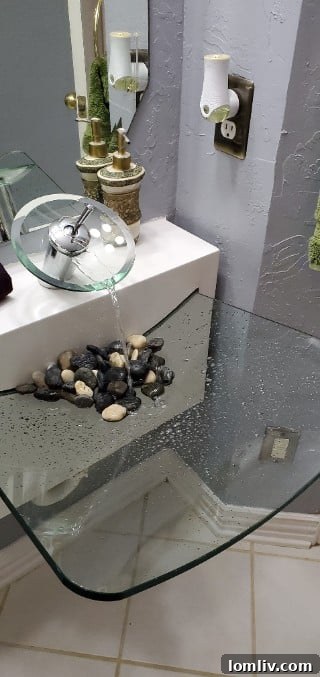
#ZenandtheArtofSinkInstallation: When Design Meets Disaster
A beautifully designed bathroom can be a major selling point for a flipped home. However, sometimes aesthetic choices or rushed installations completely undermine functionality and create daily frustrations. We recently encountered a seemingly elegant bathroom sink that, upon closer inspection and a simple test, revealed a fundamental flaw: running the water resulted in immediate splashing directly into the user’s face and onto the surrounding floor. This might seem like a minor inconvenience, but it speaks volumes about the attention to detail and practical considerations (or lack thereof) during the renovation process.
Such splashing typically occurs due to an incompatibility between the faucet and the sink basin. This could be because the faucet spout extends too far or not far enough, the water pressure is too high for the basin’s depth and angle, or the sink itself is too shallow or has an inadequate slope to contain splashes. The consequences extend beyond mere annoyance. Constant splashing means water accumulates on countertops, vanity cabinets, and the floor, increasing the risk of water damage to wood, grout, and sealants over time. This persistent moisture can lead to mold growth behind cabinets or under flooring, causing costly structural repairs and potential health issues. Moreover, wet floors present a slip hazard, especially in bathrooms. A well-designed and properly installed sink and faucet combination should provide a comfortable and contained water flow for everyday use, demonstrating that the flipper considered both form and function. Homebuyers should always test all fixtures during their walkthroughs to ensure practicality matches presentation.
#SomethingsMissing: The Incomplete Renovation
Our inspectors frequently encounter instances where a flipper’s bathroom renovation, while appearing complete at first glance, is actually missing crucial elements that impact both functionality and safety. This ‘something missing’ can range from minor cosmetic details to essential safety features or critical structural components, revealing a pattern of rushed work or a lack of attention to building standards.
For example, we might find a newly tiled shower that lacks proper grouting or sealant, an immediate recipe for water intrusion and subsequent mold growth and structural damage to the subfloor and walls. Or perhaps a bathroom exhaust fan is present, but it’s not actually vented to the exterior, merely circulating moist air into the attic—again, creating a perfect environment for mold and humidity issues. Even more concerning are missing safety features, such as the absence of Ground Fault Circuit Interrupter (GFCI) outlets near water sources, which are code requirements designed to prevent electrocution hazards. Other common oversights include a lack of proper shower pan liners, inadequate waterproofing behind tiles, or even basic functional items like access panels for plumbing, which makes future maintenance or repairs unnecessarily difficult and costly. These omissions are not just cosmetic flaws; they represent fundamental failures in adhering to building codes and best practices. A truly complete and compliant renovation ensures every detail, from the major installations to the smallest finishing touches, contributes to the home’s safety, durability, and long-term functionality. Homebuyers must look beyond the gleaming surfaces and verify that all systems and installations are not only present but also correctly and completely executed.
Purchasing a flipped home can be a fantastic opportunity, but it inherently carries a higher risk due to the varying quality and motivations of renovators. The examples highlighted in this “Upon Closer Inspection” series underscore the critical importance of engaging a qualified and experienced home inspector. Our role is to meticulously examine every accessible component of a property, identify potential issues—both visible and concealed—and provide you with a comprehensive report that details the true condition of the home. Don’t let a superficial makeover mask underlying problems that could cost you thousands in unexpected repairs or compromise your family’s safety. Prioritize your peace of mind and financial security by investing in a thorough home inspection, especially when considering a property that has been recently flipped. Green Scene Home Inspections is here to ensure your investment is sound.