

Considering putting your home on the market? Navigating the world of home improvements can be daunting. You know your property could use some updates, but where should you invest your hard-earned money to get the best return? Making savvy choices can significantly impact your final sale price, as some buyer turn-offs can cost sellers thousands. Understanding current design trends and homebuyer expectations is paramount to maximizing your home’s appeal and value.
For instance, research by furniture maker Joybird highlights regional preferences. In Texas, the top three interior design searches were for vintage, industrial, and rustic styles, indicating a strong lean towards character and specific aesthetics in this market.

Decoding What Today’s Homebuyers Really Want
According to the National Association of Home Builders’ (NAHB) “What Home Buyers Really Want” survey, modern buyers prioritize functionality and sustainability. Top desires include dedicated laundry rooms, energy-saving features, and homes with green certifications. Beyond these, storage solutions, durable hardwood flooring, inviting patios, and effective exterior lighting consistently rank high on homebuyers’ wish lists.
In competitive markets like Dallas, understanding what actively deters buyers is as crucial as knowing what attracts them. Opendoor, a prominent real estate platform, meticulously analyzed market data to identify specific features that turn local Dallas-Fort Worth (DFW) homebuyers away, essentially creating a roadmap for sellers to avoid costly mistakes before listing their property.
The Top Home Features That Decrease Your Property’s Value
When preparing to sell, certain elements can inadvertently diminish your home’s perceived value. Opendoor’s insights shed light on common pitfalls, revealing how seemingly minor details can translate into significant financial deductions for sellers.
Say Goodbye to Wall-to-Wall Carpet

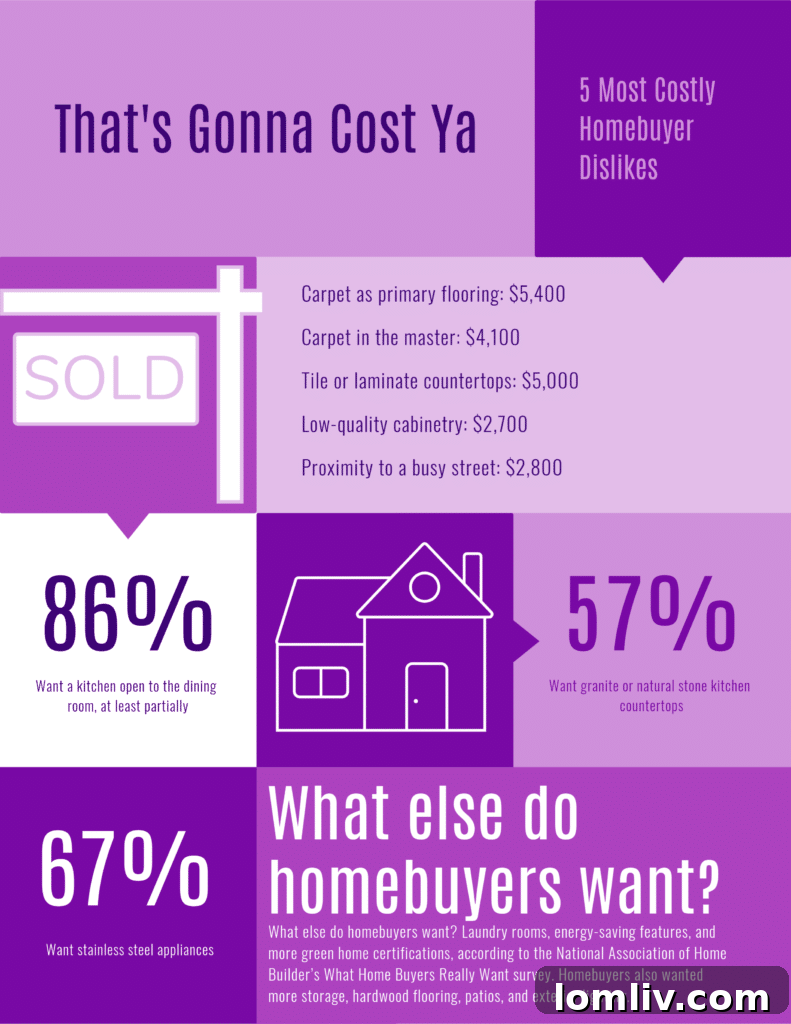
Perhaps one of the most significant detractors is extensive carpeting. Opendoor’s analysis indicates that homes with carpet as the primary flooring can see their value reduced by as much as $5,400. The reasons are numerous and often rooted in hygiene perception: buyers are wary of unknown carpet age, cleaning frequency, and past usage by previous occupants or pets. This “ick” factor creates a strong psychological barrier.
Swathy Prithivi, head of Opendoor’s Dallas-Fort Worth operations, emphasizes the widespread impact of this trend. “The very interesting thing we found is that the impact of this isn’t limited to the Dallas area — probably in almost every market that Opendoor operates in, carpet as the primary floor type was among the top five largest sort of home value detractors in the past year,” she noted. Specifically for DFW, the seasonal climate plays a role: “this wide expanse of carpet was found to be particularly unappealing to maintain year-round.”
Prithivi further elaborated on the practical aspect: “I think actually considering how hot it gets here in the summer, hardwood floors are much more comfortable to walk on during the sort of 90-100 degree scorching weather that we have now.” This comfort factor, combined with maintenance concerns, makes carpet a substantial drawback. Even in more private spaces, such as the master bedroom, carpeting can reduce your home’s value by up to $4,100, underscoring the broad buyer preference for hard surfaces.
Kitchen Updates: A Crucial Investment for Resale
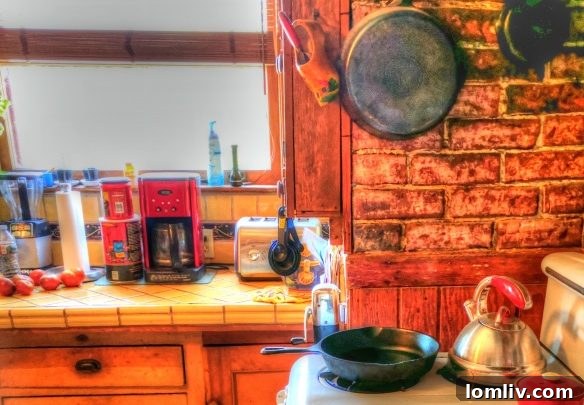
The kitchen often serves as the heart of a home, and its condition significantly sways buyer decisions. Dated or low-quality kitchen features are major turn-offs. Specifically, tile or laminate kitchen counters can reduce your home’s value by $5,000, while low-quality kitchen cabinets can cost you approximately $2,700.
Prithivi explains that in today’s market, buyers in areas like DFW have elevated expectations for kitchens. “Prospective buyers are pretty accustomed to seeing quartz or granite countertops, stainless steel appliances, and modern cabinetry during open houses — they’re definitely used to seeing that,” she states. The idea of undertaking a major kitchen renovation immediately after purchasing a home, especially with current property prices, is a significant deterrent. “You definitely don’t want to go through the hassle of a major kitchen remodel, which is what we found.”
“The kitchen is such an important part of the house that when you look Formica, and low-quality kitchen cabinetry, all of these are some of the top four reasons because it’s sort of a key part of the house,” Prithivi added. This sentiment aligns perfectly with NAHB findings, which highlight buyers’ desire for open floor plans, with 86% preferring their kitchen and dining room to be completely or almost completely open. Stainless steel appliances were favored by 67% of buyers, while 57% sought granite or natural stone countertops, and 32% specifically wanted white cabinetry. Notably, millennials showed a strong aversion to laminate countertops.
The Impact of Location on a Busy Street

The timeless real estate mantra “location, location, location” holds true, but with a nuanced caveat: not all locations are created equal. Opendoor’s data reveals that homes situated next to busy streets are less appealing to buyers, unless the property offers truly exceptional amenities to offset the drawback. A listing on a busy street can decrease your home’s value by approximately $2,800.
“The question on how much of an impact it really depends on some of the other factors that the house sort of brings,” Prithivi commented. She noted a softening in the market, with increasing supply creating more opportunities for buyers. This shift empowers buyers to be more selective. “Some of these less appealing home attributes like proximity to a busy street, and things they previously needed to ignore in order to be competitive and get the house of their dreams are now becoming more prominent home value detractors.” As the market evolves, buyer expectations are rising. “I think we expect prospective buyers will become less willing to budge on these types of things as the local real estate market becomes more knowledgeable,” she predicts.
Maximizing Your Home’s Appeal: Actionable Steps for Sellers
While some factors like location are beyond a seller’s control, many critical elements of home appeal are not. Prithivi advises sellers to focus on what they *can* control, particularly interior aesthetics.
Strategic, cost-effective upgrades can make a meaningful difference in how potential buyers perceive your home compared to the competition. For homes with wall-to-wall carpeting, a professional shampooing can significantly improve its appearance and address cleanliness concerns. In the kitchen, simply replacing old pulls and knobs can instantly modernize cabinetry without the expense of a full remodel.
Other easily achievable improvements include hiring a professional team for a deep cleaning of the entire home, painting walls in neutral, appealing tones, and meticulously tidying up the lawn and landscaping. These efforts contribute to a fresh, well-maintained impression that resonates positively with buyers.
For sellers who prefer not to manage these updates themselves, professional assistance is readily available. Prithivi suggests consulting with your Realtor, as many real estate companies now offer programs to help sellers spruce up their properties. Opendoor, for example, makes all-cash offers to prospective sellers and then handles the necessary improvements to prepare the home for resale. Similarly, companies like Compass and Ebby Halliday provide various services and opportunities designed to enhance a home’s market readiness and appeal.
By strategically addressing these key areas, sellers can significantly boost their home’s attractiveness, command a better price, and ensure a smoother, more successful sale in today’s competitive real estate landscape.
Interested in exploring more about popular interior design styles by state? Discover regional trends here. To learn more about what homebuyers prioritized in recent surveys, read the NAHB’s insights.