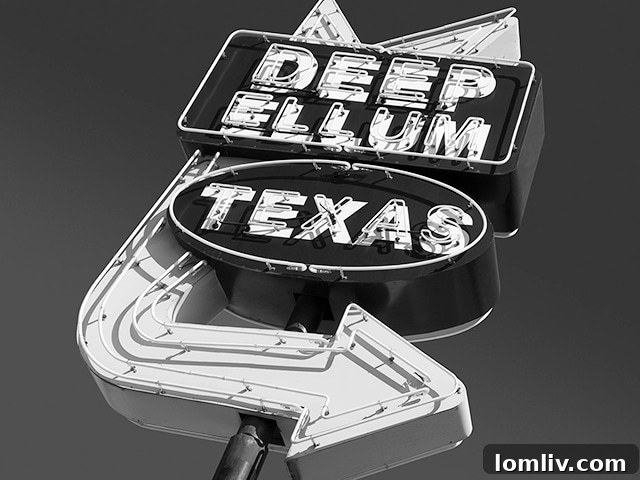
Deep in the heart of Dallas lies a neighborhood pulsating with history, culture, and an inimitable spirit: Deep Ellum. For generations, it has stood as a beacon of resilience, a crucible where artistic expression, entrepreneurial ambition, and profound community ties have forged an identity unlike any other in Texas. Yet, this cherished district now stands on the precipice of irreversible change. Preservation Dallas recently unveiled its 2020 Most Endangered Places in Dallas list, and to the alarm of many, Deep Ellum features prominently. The very soul of Dallas, embodied in Deep Ellum’s historic streets and structures, is under threat, facing what many describe as “gentrification run amok.”
The thought of losing Deep Ellum’s unique character should send shivers down the spine of anyone who values Dallas’s heritage. Its distinctive architecture, vibrant music scene, and unparalleled significance to Black history make it an irreplaceable cultural asset. This isn’t merely about preserving old buildings; it’s about safeguarding the narratives, the innovations, and the community spirit that have shaped our city. The current wave of development, however, threatens to erase these vital layers, replacing authenticity with a generic urban landscape that betrays the very essence developers initially found so appealing.
Gentrification’s Shadow: The Erosion of Authenticity
A drive through Deep Ellum today reveals a concerning transformation. What once was a cohesive tapestry of historic brick buildings, vibrant murals, and intimate venues is rapidly being fractured by incongruous new constructions. At one end, a jarringly ugly, modern edifice now abuts the beautiful 1920s Knights of Pythias building, an architectural masterpiece that deserves respect and thoughtful integration. The stark contrast is an affront to urban planning and historical sensitivity. It’s a clear indication of a design philosophy that prioritizes scale and profit over context and character. This isn’t just an aesthetic grievance; it signals a deeper disrespect for the historical fabric of the neighborhood.
The heart of Deep Ellum is increasingly being encroached upon by towering, multi-story apartment complexes. These nondescript blocks, often likened to circled wagons, loom over the existing landscape, creating a sense of displacement and overshadowing the very charm that drew people here in the first place. The irony is palpable: the allure of Deep Ellum – its gritty authenticity, its historic charm, its independent spirit – is precisely what developers are unwittingly destroying in their quest for “progress.” While change is an inevitable part of urban evolution, the manner and direction of this change are critical. If new constructions were designed with a sympathetic understanding of the original architecture, employing complementary materials, scales, and aesthetics, a harmonious integration might be possible. Instead, we are witnessing a wholesale impingement on the entire area’s character, eroding its unique sense of place with every new, ill-fitting structure.
For those who know Deep Ellum primarily as a bustling weekend entertainment district, it’s crucial to pause and consider *why* it developed into such a magnet for revelry and culture. Its magnetic appeal isn’t accidental; it’s deeply rooted in a rich, often untold, history that deserves not just recognition, but rigorous protection.
A Deep Dive into Deep Ellum’s Storied Past
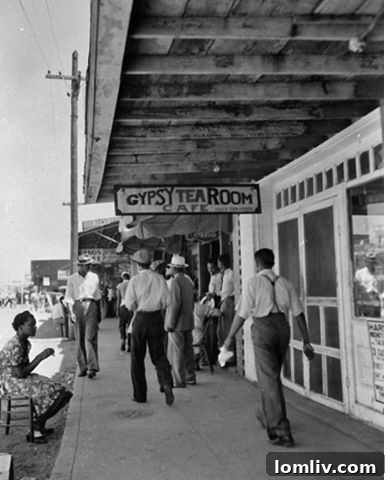
Deep Ellum’s origins are deeply intertwined with the post-Civil War era. Following the abolition of slavery, this area became a vital sanctuary and a land of opportunity for formerly enslaved people. They settled here, built homes, cultivated land, and established a burgeoning community that would quickly grow into one of the largest and most significant Black communities in Dallas. By 1872, with the arrival of train service, Deep Ellum already boasted over 500 residents, a testament to its rapid growth and the industrious spirit of its inhabitants. The railroad, a symbol of progress and connection, further fueled the neighborhood’s expansion, transforming it into a thriving commercial and cultural hub.
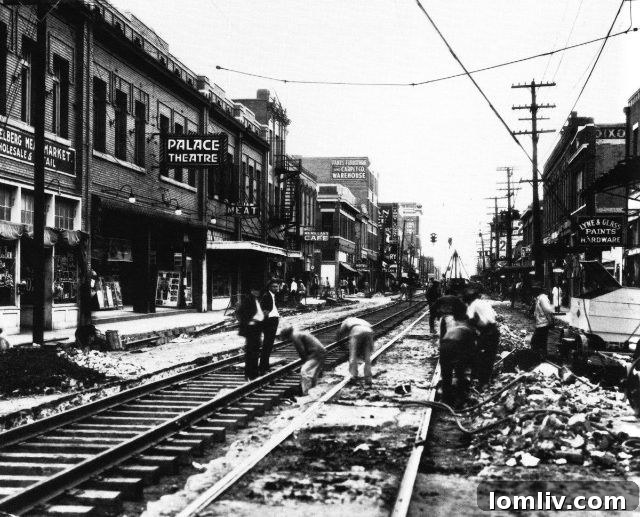
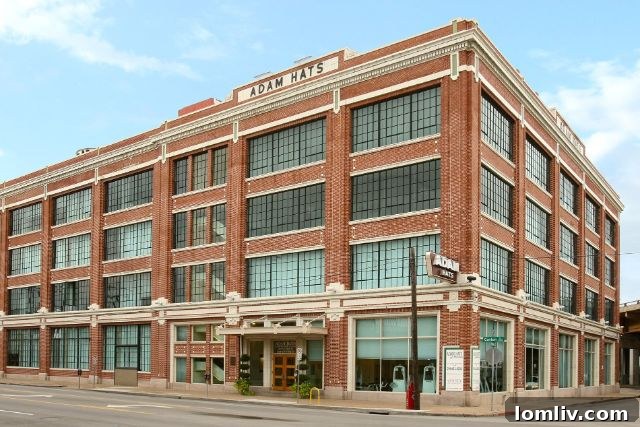
The early 20th century saw Deep Ellum flourish as an industrial powerhouse. In 1888, Robert S. Munger founded the Continental Gin Company, a significant agricultural enterprise. Later, in 1914, Henry S. Ford chose 2700 Canton Street as a manufacturing site for the iconic Model T, underscoring the area’s economic importance. These robust industrial structures, including the building later acquired by Adam Hats in 1959, exemplify how adaptive reuse can beautifully honor existing historic architecture. Their successful repurposing into desirable loft apartments serves as a shining example of how development can proceed harmoniously, breathing new life into old buildings without erasing their historical integrity.
-

-
William Sydney Pittman
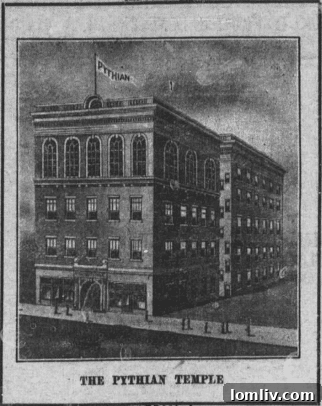
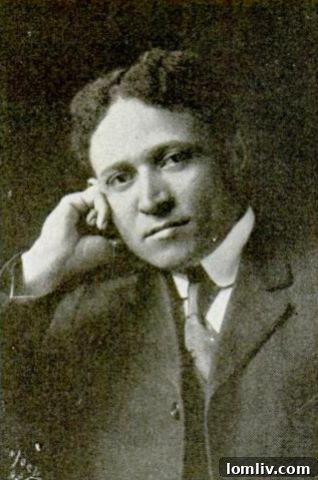
The Pythian Temple: A Cornerstone of Black History
Among Deep Ellum’s most significant architectural treasures is the Grand Temple of the Knights of Pythias. This building is far more than just bricks and mortar; it represents a profound chapter in Dallas’s Black history and serves as a monument to perseverance and self-sufficiency. As detailed by the Deep Ellum, Texas website, the temple was meticulously designed by William Sydney Pittman, an architectural giant who holds the distinction of being the state’s first Black architect and the distinguished son-in-law of educator Booker T. Washington. Pittman’s vision created a building that was not only the state headquarters for the Knights of Pythias but also a vibrant epicenter for the African American community until the late 1930s. It housed the city’s earliest offices for Black doctors, dentists, and lawyers, providing essential services and professional spaces at a time when racial segregation limited opportunities elsewhere. The Pythian Temple thus symbolizes a period of immense cultural pride and community building against formidable odds.
Beyond its significant architecture, Deep Ellum’s cultural DNA is deeply rooted in its music. The 1920s solidified its reputation as the beating heart of the jazz and blues scene in the South. Legendary musicians like Blind Lemon Jefferson, Lightnin’ Hopkins, Bessie Smith, and Robert Johnson were not just occasional visitors but regulars, gracing the stages and juke joints of Deep Ellum. Their soulful melodies and electrifying performances imbued the neighborhood with an unparalleled creative energy, attracting talent and audiences from across the nation. This era forged Deep Ellum’s identity as a place where music was not just entertainment but a profound expression of life, resilience, and cultural heritage.
A Cycle of Neglect and Resurgence: Ignoring Historic Capital
Despite its rich cultural and historical capital, Deep Ellum has frequently found itself on the short end of urban development priorities. Time and again, what was presented as “progress” led to the demolition and erosion of the neighborhood’s unique fabric. A particularly devastating blow occurred with the construction of a new elevation of Central Expressway in 1969, which resulted in the leveling of the 2400 block, then considered the very center of Deep Ellum. This infrastructure project carved through the heart of the community, displacing businesses and residents and leaving a void that would take decades to heal. By the 1970s, many of the original businesses had vanished, and the once-vibrant music scene had dwindled to near non-existence, a stark reminder of how easily historical neighborhoods can be dismantled in the name of modernization.
Yet, the spirit of rebirth is intrinsically woven into Deep Ellum’s DNA. The 1980s witnessed a phoenix-like rise with the emergence of a new, energetic punk rock music scene. This period, characterized by counter-culture and independent artistry, injected fresh vitality into the district. While this era unfortunately coincided with a temporary increase in crime, leading to another brief downturn, Deep Ellum’s resilience proved stronger than any setback. The neighborhood consistently demonstrates an uncanny ability to reinvent itself, returning stronger and more vibrant after each challenge.
The 1990s marked another significant resurgence, catapulting local artists such as Erykah Badu and The Toadies to national prominence. Iconic venues like The Curtain Club, Lizard Lounge, and Trees joined century-old originals like the Sons of Hermann Hall and the Gypsy Tea Room, opening their doors to a diverse array of musicians. This era hosted legendary acts including Nirvana, Pearl Jam, Radiohead, and countless other national and international artists, solidifying Deep Ellum’s status as a premier live music destination. At its peak, the district boasted an impressive 57 bars and nightclubs, cementing its reputation as a nocturnal playground and cultural hotbed.
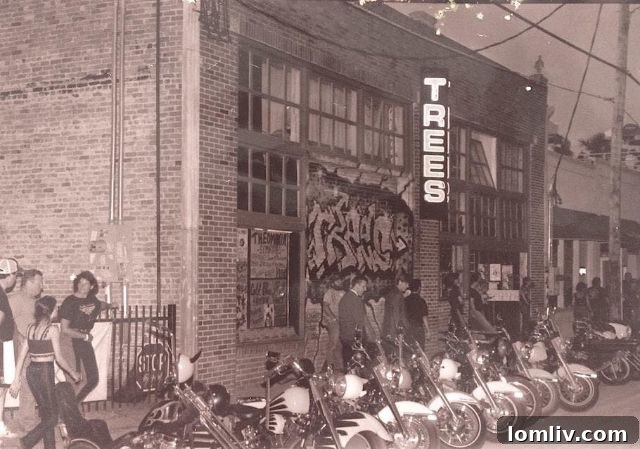
Alongside the musical renaissance, Deep Ellum experienced a dynamic rebirth of its public art scene. Murals adorned building facades and underpasses, transforming urban spaces into open-air galleries. Photographers, artists, designers, independent retailers, and innovative restaurateurs were drawn to the historic buildings, recognizing their inherent charm and potential. They breathed renewed life into these structures through adaptive reuse, demonstrating how creative energy can revitalize a community without compromising its architectural integrity. This symbiotic relationship between art, commerce, and preservation allowed Deep Ellum to flourish naturally.
The ebb and flow continued into the 2000s, bringing with it increased diversity and a new wave of gentrification. While some aspects of this transformation were positive, introducing new businesses and residents, it quickly became a double-edged sword. Preservation Dallas offers a stark synopsis of this evolving challenge: “The success of the redevelopment efforts has brought new development pressure to the historic area.” This pressure manifested in the late 2010s with large-scale high-rise apartment projects beginning to transform the edges of Deep Ellum. Alarmingly, mid-rise and high-rise apartments are now encroaching upon the very center of the district. As Deep Ellum continues its success, the pressure on its invaluable one- and two-story historic buildings intensifies, threatening them with demolition for ever-larger, out-of-scale development projects.
There is nothing to stop a developer from coming in and purchasing large swaths of commercial blocks on Main, Elm, Commerce, and Canton Streets for out of scale mid-to high-rise development, thereby erasing an essential segment of Dallas’ black history. Preservation of this district should be of paramount importance to ensure all Dallas citizens can witness and celebrate their ties to the development of our city.
Preservation Dallas, 2020 Most Endangered Places List
A Call for Systemic Protection: Insights from Phillip Kingston
To understand the policy failures that have led Deep Ellum to this critical juncture, insights from former Dallas City Council representative Phillip Kingston are invaluable. He succinctly articulated the core problem: “Instead of protecting the area with appropriately crafted regulations that serve the community, the present policy is almost guaranteed to chip away at the historical legacy of Deep Ellum, property by property.” This fragmented, individualized approach to preservation, where the Landmark Commission considers properties in isolation rather than as components of a cohesive historic district, proves fundamentally inadequate.
Kingston highlighted that such property-by-property approaches are unfair to individual owners and, more crucially, fail to safeguard the collective character of a neighborhood like Deep Ellum. He drew a compelling parallel to European cities, where clear rules and expectations are established for historic districts, preventing uncontrolled and incongruous development. “It’s important to build in forms that are compatible with the neighborhood,” he emphasized, adding that “What is happening now is not a model that works. The Westdale development is out of character, and the Case building is out of scale.” The burden of historic preservation should not solely rest on individual owners who lack a clear, comprehensive regulatory framework to follow. Genuine preservation requires a unified, district-wide strategy, acknowledging that the whole is greater than the sum of its parts. Kingston concluded that while property owners of these historic buildings generally wish to maintain the fundamental character of Deep Ellum, circumstances change: buildings are sold, owners pass away, and without robust, community-backed protection, the district remains vulnerable. “I don’t think anyone is focused enough on the problem yet. It must be a community effort with a wide buy-in. It’s a political process, and it needs to begin.”
Deep Ellum: Our History, Our Future
It is unequivocally clear that Deep Ellum is a neighborhood profoundly rich in architectural marvels, legendary musical heritage, and vibrant artistic expression. Most importantly, it is an indispensable repository of Black history in Dallas, bearing witness to the struggles, triumphs, and cultural contributions of African Americans who built this community from the ground up. To allow its essential character to be diluted or destroyed by thoughtless development would be a profound loss, not just for Deep Ellum, but for the entire city of Dallas.
Do we truly aspire to remain a culturally diverse city that genuinely values its history and diligently preserves the architecture that reflects our collective heritage? The integrity of Deep Ellum is a test of this commitment. We are not just at risk of losing one of our most important neighborhoods; we are at risk of losing a tangible connection to our past, a vital part of what makes Dallas unique. The call to action is urgent: Deep Ellum’s history is Black history, and Black history matters. More broadly, it is *our* shared history, a testament to the diverse foundations upon which Dallas was built. Are we willing to stand by and let this irreplaceable legacy crumble under the weight of unchecked development?
I implore every citizen who cares about Dallas’s identity and future to contact Adam Medrano, the city council person representing this critical area, and demand that Deep Ellum receive the comprehensive preservation status it so desperately deserves. The time for action is now, before the echoes of its past are silenced forever by the concrete and glass of a homogenized future.