Dallas Forges Ahead: Shaping the Future of Affordable Housing Through Community Engagement and Data Analysis
In a critical move toward fostering a more equitable and sustainable urban landscape, the City of Dallas has initiated a comprehensive public engagement process to update its Affordable Housing Strategy. This ambitious undertaking aims to address one of the most pressing challenges facing modern cities: ensuring access to safe, stable, and affordable housing for all residents. The effort kicked off with the first of four virtual town hall meetings, designed to gather invaluable community input that will directly inform the city’s evolving 3-year rolling strategy. This initiative follows closely on the heels of a significant Dallas City Council briefing on January 17, which highlighted a detailed Market Value Analysis (MVA) report. Conducted by the esteemed Reinvestment Fund, a non-profit organization renowned for its research and analysis in cities nationwide, this data-driven tool is poised to play a pivotal role in shaping Dallas’s future housing policies.
A Data-Driven Approach: The Power of Market Value Analysis (MVA)
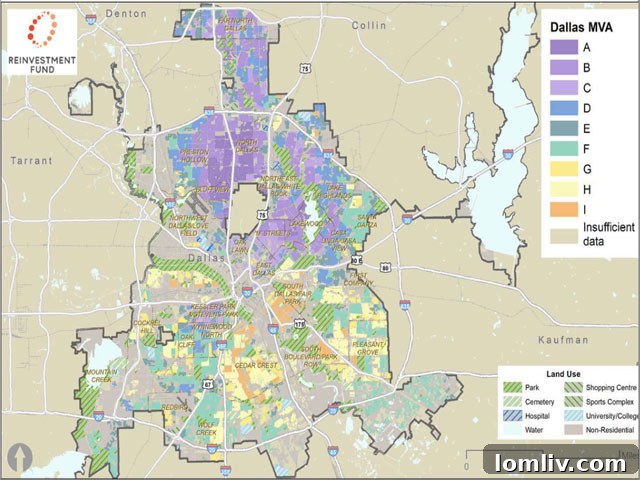
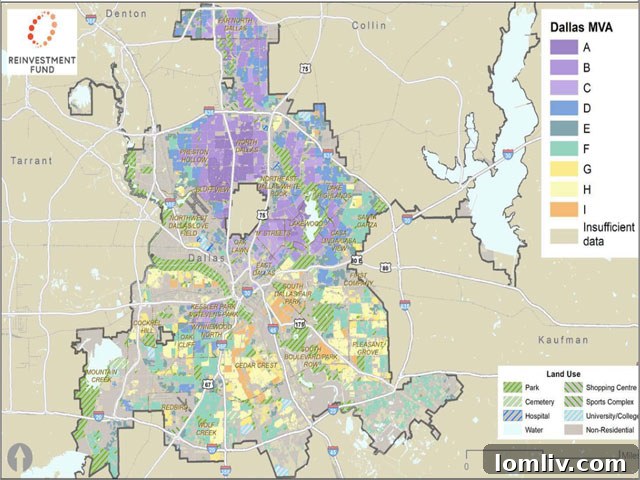
At the heart of Dallas’s updated housing strategy lies the Market Value Analysis (MVA), a sophisticated data tool that provides a nuanced understanding of the city’s diverse housing markets. Developed and presented by the Reinvestment Fund, the MVA offers more than just statistics; it provides a spatial analysis that categorizes neighborhoods based on their market conditions, from strong and appreciating to distressed and declining. This granular data helps city planners and policymakers identify areas most in need of investment, pinpoint where existing affordable housing is at risk, and strategically allocate resources to maximize impact. By moving beyond a one-size-fits-all approach, the MVA enables the City of Dallas to craft targeted interventions that are sensitive to local market dynamics and community needs. This strategic framework ensures that efforts to increase affordable housing are not only effective but also contribute to the long-term vitality and stability of Dallas’s neighborhoods.
Innovative Civic Engagement: Bridging Divides with Virtual Town Halls
The City of Dallas has demonstrated a forward-thinking approach to civic engagement, utilizing impressive technology to facilitate public participation in these crucial housing discussions. The first virtual town hall meeting set a high standard for accessibility and convenience, allowing residents to easily connect and contribute from the comfort of their homes. Participants could opt-in via text message, receive an automated call at the scheduled time, and seamlessly join the discussion. The meetings were streamed live on dallascitynews.net and Facebook Live, ensuring broad reach and real-time interaction. Attendees could easily submit questions, indicate interest in future meeting notifications, and provide their email for follow-up information. This level of technological integration speaks volumes about the city’s commitment to inclusive policymaking, highlighting a successful partnership with expert consultants who ensured a smooth and engaging experience for all. While initial concerns about how the city obtained contact information might arise, the transparent opt-in process ensured participants had control, underscoring a commitment to modern, accessible public discourse.
Laying the Foundation: Insights from the First Session on Housing Finance
The inaugural town hall meeting delved into the fundamental topic of “How Residential Development Gets Financed,” essentially serving as an “Introduction to the Housing Market.” This session was crucial for demystifying the complex mechanisms that underpin housing creation and affordability. Residents posed insightful questions, demonstrating a keen interest in understanding the forces at play in their city’s housing landscape. City staff, in turn, provided clear explanations of the various tools and programs available to low-income residents, outlining critical support structures and resources designed to prevent displacement and promote housing stability. Discussions covered basic market forces, illustrated with compelling data derived from the Market Value Analysis. Furthermore, staff offered a glimpse into potential new programs being considered for integration into the forthcoming housing strategy, signaling a proactive and adaptive approach. For those who missed the live event, valuable resources, including the presentation slides, were made available, reinforcing the city’s commitment to transparency and broad information dissemination. The meeting provided a robust foundation for the deeper discussions planned for subsequent sessions.
Charting the Path Forward: A Look at Upcoming Town Hall Topics
The subsequent virtual and in-person town hall meetings are designed to delve deeper into the practicalities of affordable housing development and policy. These sessions are particularly critical for gathering targeted insights from various stakeholders, including the vital development community whose expertise is invaluable. The topics are structured to address key hurdles and opportunities in the housing sector:
Reducing Development and Rehabilitation Costs
The next meeting, titled “How to Reduce Development / Rehab Costs,” promises to explore innovative strategies and policy levers that can lower the financial burden of constructing new affordable housing and rehabilitating existing structures. High land costs, regulatory complexities, material expenses, and labor shortages often inflate housing prices, making affordability a distant dream for many. This session will invite discussion on potential solutions such as streamlined permitting processes, incentives for using cost-effective and sustainable building materials, adaptive reuse of underutilized properties, and public-private partnerships that share risk and reward. Understanding and mitigating these costs is fundamental to increasing the supply of genuinely affordable homes in Dallas.
Increasing Access to Capital
Following this, the discussion will shift to “How to Increase Access to Capital.” Securing financing is often a significant barrier for developers committed to affordable housing projects, particularly for smaller, community-focused initiatives. This town hall will examine ways to unlock capital, exploring options such as dedicated public funding mechanisms, expanding the role of Community Development Financial Institutions (CDFIs), leveraging federal and state tax credits, and creating innovative loan programs. Engaging with financial institutions, investors, and philanthropic organizations will be key to identifying and implementing strategies that ensure a steady flow of capital to projects that serve Dallas’s diverse housing needs.
Programs, Tools, and Strategies for Housing Production
The final session, “Programs, Tools and Strategies to Increase Housing Production,” will synthesize the insights from previous discussions and explore a broader array of policy tools. This will include examining zoning reforms to allow for greater density and mixed-use development, implementing inclusionary housing policies that require a percentage of new developments to be affordable, utilizing public land for affordable housing projects, and exploring innovative housing models like land trusts or modular construction. The goal is to identify a robust portfolio of actionable strategies that Dallas can adopt to significantly boost its affordable housing stock and ensure its long-term availability.
A Collaborative Call to Action: Your Voice Shapes Dallas’s Future
City staff are particularly keen on receiving input from the development community during these upcoming sessions, recognizing that their practical experience and insights are invaluable to creating realistic and effective solutions. However, the call for participation extends to all Dallas residents, community leaders, non-profit organizations, and anyone passionate about the future of housing in our city. Your perspectives, experiences, and suggestions are vital to crafting a housing strategy that truly reflects the needs and aspirations of the entire community. There are multiple ways to get involved:
- You can sign up for an auto-call to join the next virtual town hall meeting.
- For those who prefer in-person engagement, information on physical meeting locations, such as the upcoming Saturday, Feb. 3 session at the Hampton Illinois Library, is readily available.
- Alternatively, you can share your thoughts and recommendations directly by emailing [email protected].
The success of Dallas’s affordable housing strategy hinges on a truly collaborative effort. By leveraging data, innovative technology, and the collective wisdom of its residents and stakeholders, the City of Dallas is setting a precedent for comprehensive urban planning and community-driven policy development. These town halls are not just meetings; they are crucial platforms for shaping a more inclusive, prosperous, and sustainable Dallas for generations to come.