The dynamic Dallas rental market is showcasing significant signs of recovery, painting a promising picture for both renters and investors. As the economy steadily emerges from the impacts of COVID-19, the housing and rental sectors in Dallas are experiencing a notable resurgence, characterized by escalating demand and a gradual but consistent rise in rental prices. This positive momentum indicates a thriving environment, ripe with opportunities and reflecting broader national trends.
According to the meticulously compiled May 2021 Dallas Rent Report by Apartmentlist.com, the city’s year-over-year rent growth stood at an encouraging 1.1 percent in April. This figure marks a solid improvement compared to the 0.7 percent recorded in the same period just a year prior. While this increase might appear modest at first glance, it is a crucial indicator of a stronger, more resilient market. More broadly, this trend aligns with a compelling national narrative: a remarkable 2.3 percent increase nationally, representing the most substantial monthly jump in Apartmentlist.com’s national index since its inception. These accelerating rent growth figures, consistently outpacing previous-year averages, strongly suggest that the current moving season could be one for the history books, underscoring a rapid rebound in housing demand across the country.
To gain a more comprehensive understanding of these evolving market dynamics, we encourage you to explore detailed reports from leading real estate analytics platforms:
- ApartmentList.com’s comprehensive report: Access Here
- Zumper’s latest rental market data: View Here
- Zillow Observed Rent Index for in-depth analysis: Explore Here
Diving into these resources will provide invaluable insights into the intricacies of the current rental landscape.
Despite the seemingly small percentage increase, Dallas’s consistent upward trajectory is noteworthy. April’s gain marked the fourth consecutive month of rental price appreciation, effectively reversing a decline observed in December 2020. This sustained recovery highlights the underlying strength and attractiveness of the Dallas market.
Further corroborating this positive trend, the Zillow Observed Rent Index also reflected robust rebound signs within the rental market. This index has been on an upward climb for the third consecutive month, steadily recovering the ground lost during the pandemic-fueled slump. The index escalated to $1,722, marking a 0.9% increase from February – the largest month-over-month surge for any March on record. Comparatively, this represents a 1.1 percent increase from March 2020. Specifically for the vibrant Dallas-Fort Worth metroplex, the Zillow index registered a median rent of $1,548, affirming the region’s strong performance.
Dallas Takes Its Place Among Top Rental Markets
When benchmarked against its national counterparts, Dallas demonstrates a respectable position in the U.S. rental market. Apartmentlist.com’s analysis placed Dallas’s rental growth at 54th among the nation’s 100 largest cities. This ranking, while not at the very top, signifies a healthy and competitive market. Prospective renters in Dallas can expect to find a median rent of $1,013 for a one-bedroom apartment, while a two-bedroom unit commands a median of $1,215. To put this into perspective, the median rent for a two-bedroom apartment in a famously expensive city like San Francisco stands at $2,496 – more than double the price in Dallas, making Dallas a comparatively more affordable and attractive option for many seeking urban living without the exorbitant costs.
The Dynamic Dallas-Fort Worth Metroplex: A Region of Diverse Growth
The Dallas-Fort Worth (DFW) metroplex is a sprawling economic powerhouse, and its rental market reflects a diverse range of conditions across its major cities. According to Apartmentlist.com, all of the largest 10 cities within the DFW area have experienced notable rental increases, showcasing widespread growth across the region. Among these, Arlington has emerged as a standout performer, registering the fastest growth with an impressive year-over-year increase of 72 percent. This rapid appreciation makes Arlington a compelling area for both residents and investors, with median one-bedroom rents costing $1,034 and two-bedroom units at $1,262.
On the other end of the spectrum in terms of cost, Plano distinguishes itself with the most expensive rental rates in the DFW region, where the median two-bedroom rent averages $1,589. This higher price point in Plano often correlates with its reputation for excellent schools, robust job opportunities, and upscale amenities, attracting a demographic willing to pay a premium for quality living.
In contrast, Fort Worth offers a more budget-friendly alternative within the DFW metroplex, boasting the least expensive rents. Despite its affordability, Fort Worth is also experiencing upward momentum, with rents increasing by 1.3 percent over the past month and a solid 2.8 percent over the past year. This growth indicates a healthy demand even in its more affordable submarkets, reinforcing the overall strength of the DFW rental landscape.
Expanding beyond the immediate metroplex, the statewide rental market in Texas has also demonstrated vigorous growth, with an average increase of 1.7 percent over the last year. Other major Texas cities like San Antonio have seen rent growth of 3.3 percent, while Austin registered a 1.5 percent increase. These figures underscore Texas’s broader appeal as a destination for relocation and investment, driven by strong economic fundamentals and a favorable business environment.
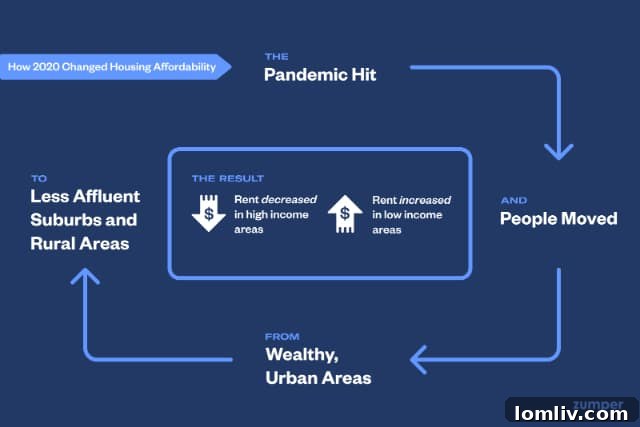
Key Real Estate and Economic Reports Influencing the DFW Market
Understanding the Dallas-Fort Worth real estate landscape requires a look at broader economic indicators and housing trends. Several notable reports provide critical insights into the forces shaping market conditions for both renters and homeowners.
- Zillow Home Value Index: This index provides a comprehensive measure of typical home values. In March, the typical U.S. home value surged to $276,717, marking a 1.2 percent increase from February. This was the largest one-month increase in the 25-year history of the Zillow Home Value Index, signaling intense demand nationwide. Locally, the Dallas-Fort Worth region witnessed its typical home value reach $283,123, a remarkable 9.9 percent increase from a year ago. A significant challenge continues to be the low inventory; U.S. for-sale inventory saw a mere 1.1% month-over-month dip in March, but in D/FW, the inventory plummeted by a staggering 35.2 percent, a stark contrast to the 5.4 percent decrease a year prior. This severe inventory shortage is a major driver of price appreciation in the region. Learn more about the Zillow Home Value Index.
- WalletHub’s Most Diverse Cities: Diversity plays a crucial role in a city’s vibrancy and economic resilience. According to a new study by personal finance website WalletHub, Dallas and Arlington are among the most diverse cities in the United States. Dallas ranked an impressive fourth, followed closely by Arlington at eighth. Fort Worth also made a strong showing at 25th, and Plano secured the 55th spot. Researchers analyzed data from the U.S. Census Bureau and the Association of Religion Data Archives, comparing 501 of the biggest cities across five key factors, including household diversity. High diversity often correlates with a dynamic job market and a rich cultural scene, making these cities highly attractive to a broad range of residents and businesses. Explore WalletHub’s diversity rankings.
- National Association of Realtors (NAR) Pending Home Sales Index: This index serves as a forward-looking indicator for the housing market. After two consecutive months of decline, pending home sales saw a welcome increase of 1.9 percent in March. A “pending sale” signifies that a contract has been signed, but the transaction has yet to close, typically finalizing within one to two months. The South, a region that encompasses Texas, experienced a robust jump of 2.9% in pending home sales, reaching an index of 137.2 in March. This rebound in pending sales indicates sustained buyer interest and suggests a continued robust market in the coming months, influencing both purchase and rental markets. Access the full NAR report here.
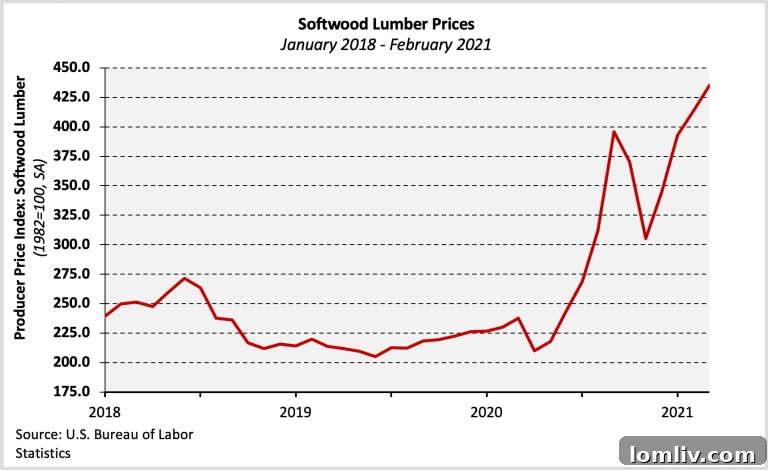
- National Association of Home Builders (NAHB) on Lumber Prices: Soaring material costs, particularly for lumber, have had a significant impact on housing affordability. An analysis by the NAHB Economics team revealed that record-high lumber prices have added an estimated $35,872 to the cost of an average new single-family home. Furthermore, this hike has increased the market value of an average new multifamily home by nearly $13,000. As of April 23, the Random Lengths prices showed framing lumber nearing $1,200 per thousand board feet, representing an astonishing nearly 250 percent increase since April of the previous year. These elevated construction costs can slow new housing development, exacerbating inventory shortages and potentially pushing more prospective homeowners into the rental market, thereby fueling demand and rent increases. Learn more about building material prices.
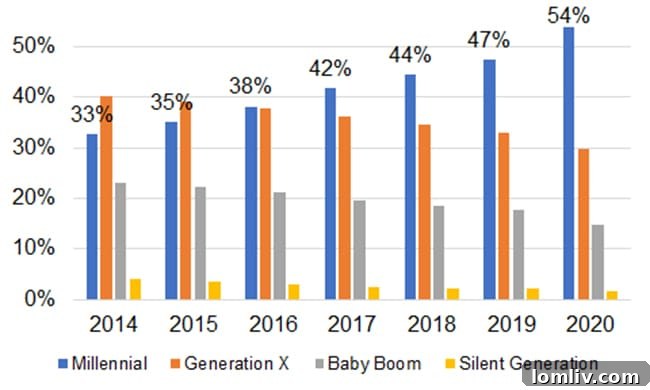
- CoreLogic on Millennial Homebuyers: Millennials have solidified their position as the leading demographic in the home purchase mortgage market. For the past five years, they have consistently comprised the largest share of home purchase mortgage applications, according to the CoreLogic Loan Application Database. Before 2020, millennial homebuyers accounted for more than half of all home-purchase applications. This demographic’s sustained entry into homeownership signifies a strong underlying demand for housing, impacting inventory levels and the broader real estate market. As more millennials transition from renting to owning, it creates vacancies but also fuels new construction demands in areas like DFW, influencing both rental and for-sale market dynamics. Discover more about millennial home purchasing trends.
- National Association of Home Builders (NAHB) Housing Trends Report – Buyer Expectations: Buyer sentiment is a crucial indicator of future market activity. The latest Housing Trends Report from NAHB reveals a notable shift in expectations among prospective homebuyers. In the first quarter of 2021, 33 percent of buyers anticipated that finding the right home would become easier in the coming months, a significant increase from 25 percent a year earlier. However, a majority of buyers (61 percent) still expect the house hunt to remain challenging or stay about the same in the near future. This mixed sentiment reflects both a growing optimism and the persistent reality of a competitive market with limited inventory. Read the full Housing Trends Report.
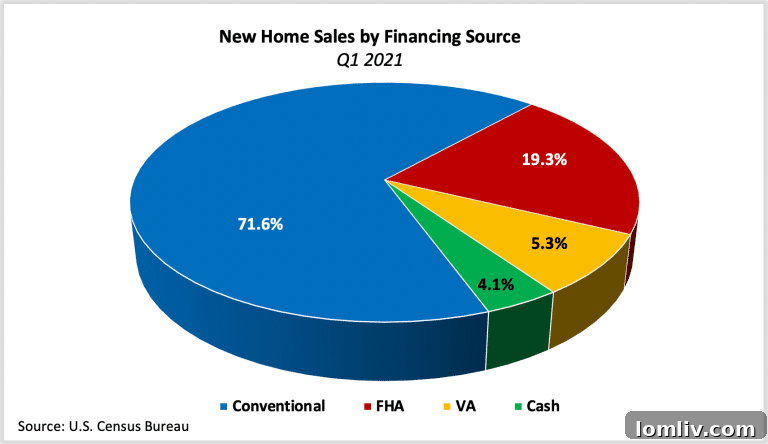
- NAHB Housing Trends Report – Mortgage Financing Trends: Understanding how homes are financed provides insights into market accessibility and buyer demographics. The NAHB Housing Trends Report for the first quarter of 2021 indicated that conventional mortgages continue to be the predominant financing method, accounting for the largest share of new home sales. FHA loans represented 19.3 percent of new home sales, while VA loans, popular among military service members and veterans, made up 5.3 percent. Cash purchases, often by investors or affluent buyers, constituted 4.1 percent. The prevalence of various loan types, especially government-backed options like FHA and VA, underscores efforts to broaden homeownership opportunities, even amidst a challenging market. These financing trends are critical for developers and policymakers alike, influencing housing supply and affordability. Explore mortgage financing data.
Looking Ahead: The Resilient Dallas Real Estate Outlook
The Dallas rental and housing markets are clearly on an upward trajectory, demonstrating remarkable resilience and growth in the wake of challenging global circumstances. The sustained rent increases, coupled with robust home value appreciation and significant demand from key demographics like millennials, underscore Dallas’s position as a premier destination for living and investment.
For renters, this means a competitive market where properties are moving quickly and prices are gradually climbing. Acting decisively and being prepared with all necessary documentation will be crucial. For investors, the consistent growth across the DFW metroplex, particularly in areas like Arlington, signals strong potential for return on investment in both single-family and multifamily properties.
As construction costs continue to rise and inventory remains tight, the interplay between the rental and sales markets will be critical to watch. Dallas and its surrounding cities are not just recovering; they are thriving, driven by strong economic fundamentals, a diverse population, and continuous job growth. This vibrant recovery solidifies the DFW area as a dynamic and attractive hub for real estate activity, promising continued opportunities and challenges in equal measure for all market participants.