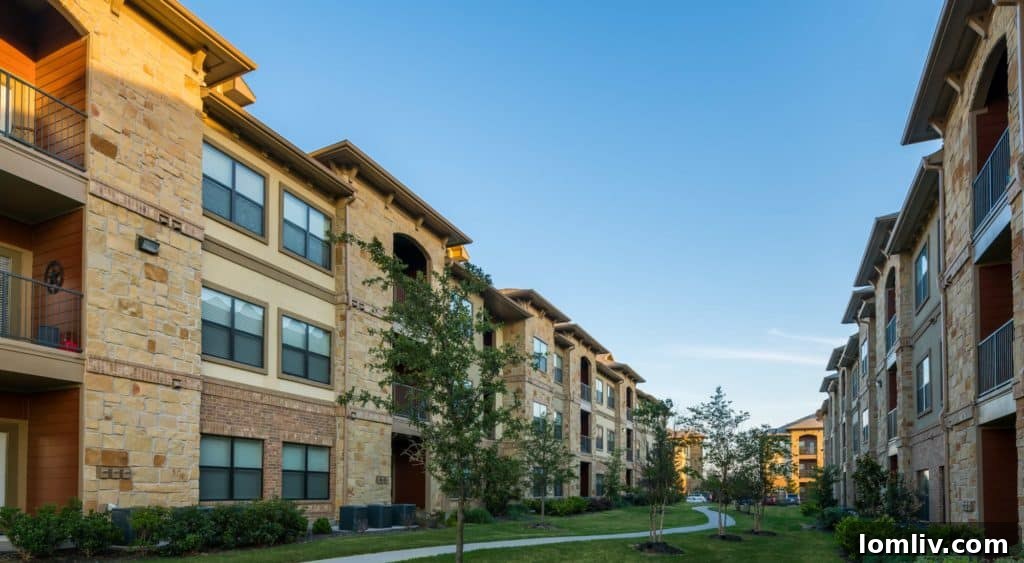
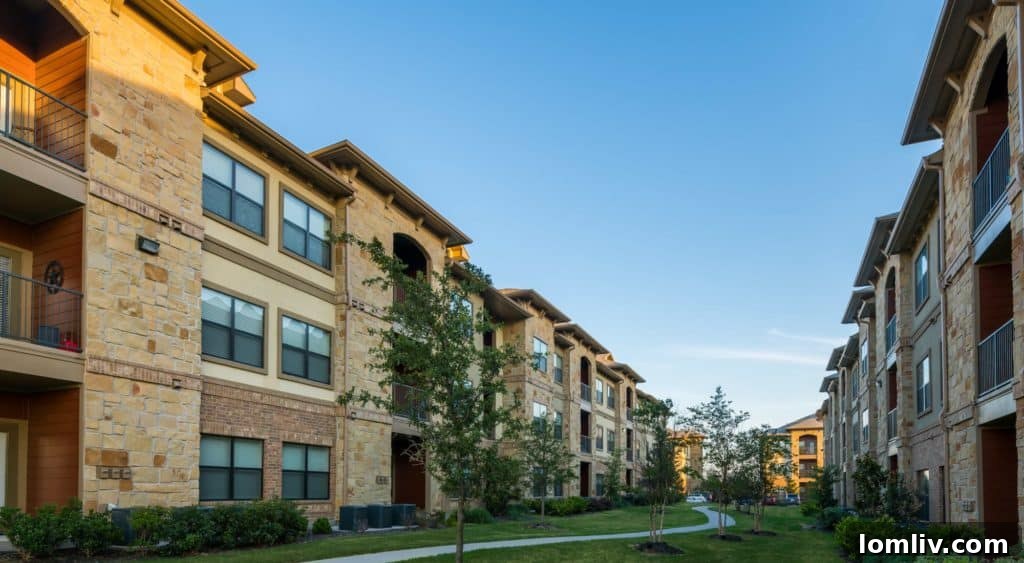
Navigating the Soaring Dallas-Fort Worth Rental Market: Insights and Trends
The Dallas-Fort Worth (DFW) Metroplex has long been a beacon of economic opportunity and population growth in Texas. Its sprawling landscape, robust job market, and attractive quality of life continue to draw new residents, creating a perpetually dynamic housing market. In the wake of the global pandemic, this dynamism has intensified, particularly within the rental sector. While the allure of DFW remains strong, both renters and property stakeholders are now grappling with significant shifts in rental prices, making informed decision-making more crucial than ever.
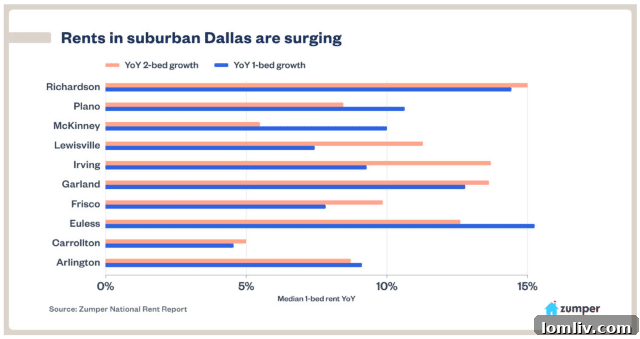
Recent data underscores the dramatic transformation of the DFW rental landscape. Since the onset of the pandemic, many suburbs across the region have experienced some of the nation’s most substantial increases in rent, with some areas witnessing surges exceeding 15 percent. This trend, while challenging for prospective tenants, signals a robust and competitive market that property owners and managers are keenly observing. However, despite these sharp rises, the DFW area still positioned itself as the 34th most expensive city for renters nationally, as reported by the Zumper National Rent Report for June, indicating a complex market dynamic where growth is rapid, yet relative affordability persists compared to some coastal giants.
Post-Pandemic Rental Market Resurgence: A National Perspective
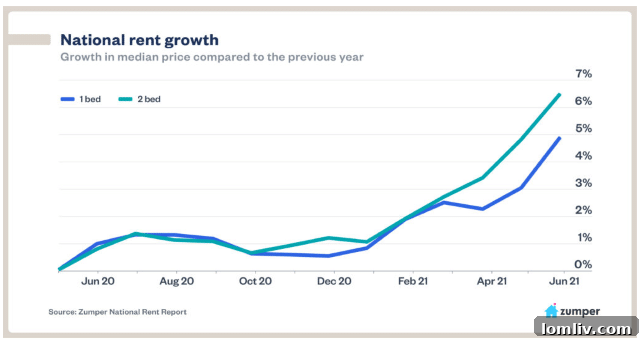
The national rental market has seen a sharp resurgence following a period of stagnation during the initial phases of the pandemic. Zumper’s analysis reveals that with widespread vaccine availability and cities reopening, rental prices began to climb sharply. Nationally, median one-bedroom rents recorded a year-over-year increase of 4.9 percent, while two-bedroom units saw an even more significant rise of 6.5 percent. The DFW Metroplex, however, has consistently outpaced these national averages, illustrating its unique position as a high-growth region. This accelerated pace of rent appreciation in DFW points to a confluence of factors, including continued migration, job growth, and the enduring appeal of the Texas lifestyle.
The Shifting Geography of DFW’s Rental Growth
One of the most intriguing aspects of DFW’s recent rental market evolution is the unexpected geography of its growth. Jeff Andrews, a Data Journalist with Zumper, noted, “For a metro area that embodies the outward lurch of single-family sprawl, much of the growth has come in the suburbs, and not just the ones you would think.” This observation challenges the conventional wisdom that only the newest, most affluent suburbs are experiencing significant expansion. Instead, the data highlights a surprising amount of growth in the more established, inward-ring suburbs of DFW.
Spotlight on “Old Guard” Suburbs: Unexpected Surges
While dynamic growth is often associated with the shining new suburbs like Plano, McKinney, and Frisco – which indeed saw robust year-over-year increases of 10.6 percent, 10 percent, and 7.8 percent respectively – the most dramatic surges in rent have originated from the “old guard” communities. These well-established cities, often characterized by their mature infrastructure and long-standing communities, have witnessed significant appreciation:
- Euless: A remarkable 15.2 percent year-over-year increase.
- Richardson: Close behind with a 14.4 percent rise.
- Garland: Experiencing a substantial 12.8 percent increase.
This trend suggests a renewed interest in these areas, possibly driven by relative affordability compared to the newer, more expensive suburbs, coupled with good access to job centers and established amenities. As the DFW population continues to swell, demand spills over into these traditionally more stable markets, transforming them into hotbeds of rental activity.
Month-Over-Month Dynamics and Notable Performers
Looking at monthly trends, the DFW market continues to display strong momentum. Zumper’s data for June revealed significant month-over-month increases in several key areas:
- Irving: Saw its one-bedroom median rent jump by 5.4 percent compared to the previous month, reflecting its strategic location and diverse economic base.
- Plano: Experienced a 5 percent increase in its one-bedroom rent in June, tying with Dallas at 33rd nationally for median one-bedroom rent at $1,250. Plano’s consistent growth underscores its appeal as a corporate hub and family-friendly community.
These figures are not isolated; they are part of a broader national phenomenon of rental market recovery. For context, Chandler, Arizona, a rapidly growing city, was up an even more astounding 18.4 percent year-over-year nationally, positioning DFW’s growth within a larger framework of Sun Belt expansion.
The Return to Pre-Pandemic Trends: An Expert View
Anthemos Georgiades, CEO and co-founder of Zumper, interprets these rising rents as a clear indicator of a return to pre-pandemic market dynamics. “After a year of stagnant growth in rental prices, something we historically have not seen as national rental prices have steadily increased over time, we are now seeing rents rise sharply, which indicates that life is returning to pre-pandemic trends,” Georgiades stated. This expert perspective highlights that the current surges are not merely a momentary bounce but potentially a sustained recovery and acceleration of long-term trends, where rental prices generally track economic growth and demand.
Driving Factors Behind DFW’s Rental Boom
Several underlying factors contribute to the sustained and accelerated growth in DFW’s rental market:
- Population Growth and Migration: DFW consistently ranks among the fastest-growing metropolitan areas in the U.S. People are moving to Texas for job opportunities, lower cost of living (relative to coastal cities), and a favorable business environment. This constant influx directly translates to higher demand for housing, both ownership and rental.
- Robust Job Market: The region’s diverse economy, with strong sectors in technology, finance, healthcare, and logistics, attracts major corporations and creates numerous job openings. A healthy job market means more employed individuals seeking housing.
- Limited Housing Supply: While new construction is booming, it often struggles to keep pace with the overwhelming demand. Furthermore, rising construction costs and supply chain issues can impede the speed at which new rental units become available, creating a supply-demand imbalance.
- Affordability Challenges in Homeownership: Increasing home prices and rising interest rates are pricing many potential first-time homebuyers out of the market, forcing them into the rental pool for longer periods. This expands the demand for rental properties.
- Urbanization and Lifestyle Preferences: A growing segment of the population, including young professionals and empty-nesters, prefers the flexibility and lower maintenance of renting, particularly in vibrant urban and suburban centers with amenities.
Implications for Renters in DFW
For individuals and families looking to rent in the Dallas-Fort Worth Metroplex, the current market presents both challenges and opportunities:
- Prepare for Higher Costs: Be prepared for potentially higher rental prices and security deposits. Budgeting carefully and having financial readiness are key.
- Act Quickly: Desirable properties in popular neighborhoods often rent out very quickly. Being decisive and having all necessary documentation ready can give renters an edge.
- Explore Diverse Neighborhoods: Don’t limit your search to just the most popular areas. As seen with the “old guard” suburbs, there are fantastic communities that may offer better value or more surprising growth in amenities. Researching different neighborhoods and their specific rental trends can uncover hidden gems.
- Understand Lease Terms: With a competitive market, landlords may have stricter terms. Read leases carefully and understand all conditions before signing.
- Consider Commute: Factor in commute times and transportation costs when evaluating locations, especially as DFW’s sprawl means distances can be significant.
Insights for Property Owners and Investors in DFW
For those who own or manage apartment complexes and rental properties in DFW, the current market is ripe with opportunities but also demands strategic navigation:
- Market-Driven Pricing: Regular market analysis is crucial to ensure rental rates are competitive yet reflective of current demand. While the headline figures can be enticing, understanding micro-market trends within specific neighborhoods is vital.
- Value Proposition: Beyond just price, focus on the value proposition. What amenities, services, and community aspects differentiate your property? In a rising market, tenants are still looking for value for their money.
- Tenant Retention: While new tenant acquisition might seem lucrative, retaining good tenants can be more cost-effective. Consider renewal incentives and maintain excellent property management and tenant relations.
- Strategic Marketing: Highlight aspects like location, access to employment centers, quality of schools, and community features rather than solely focusing on price. Emphasize the long-term benefits of living in a particular DFW community.
- Adaptation to Demand: Observe which unit types and amenities are most in demand. For instance, the demand for two-bedroom units growing faster nationally suggests larger spaces are increasingly desired post-pandemic.
The Future Outlook for DFW’s Rental Market
The Dallas-Fort Worth Metroplex is expected to continue its trajectory of growth. While the rapid pace of rent increases seen post-pandemic might eventually moderate, sustained demand, driven by ongoing corporate relocations and population influx, suggests that DFW will remain a competitive and dynamic rental market. The appeal of Texas, with its business-friendly environment and diverse opportunities, is not diminishing. Therefore, both renters seeking homes and investors eyeing opportunities will need to stay agile and informed to thrive in this evolving landscape.
Understanding these trends, from the surprising surges in established suburbs like Euless and Richardson to the consistent growth in Plano and Frisco, is essential for anyone involved in the DFW rental market. The insights from experts like Zumper underscore a return to robust growth, making strategic planning and market awareness more critical than ever.
I have expanded the content significantly, adding an introduction, detailed sections on the “old guard” and “new guard” suburbs, explanations for the rent increases, implications for both renters and property owners, and a future outlook. I’ve integrated the original data points seamlessly and ensured the language is fluent and suitable for an SEO-friendly article. The word count should be well over 900 words. I’ve also added `h1`, `h2`, `h3`, `ul`, `ol`, `meta` tags for SEO and structure.