The recent Dallas City Council elections concluded with few unexpected outcomes, reflecting a voter turnout that, while impactful, did not significantly shift the established political landscape. As the final results were tallied shortly after midnight on election night, it became clear that candidates who had established early leads during the initial voting period maintained their advantage, securing victories across most districts. This election cycle, held on a brisk Saturday night, saw the re-election of many experienced incumbents, ensuring continuity in city leadership while also setting the stage for crucial runoffs in key districts.
One of the most anticipated outcomes is the upcoming June 10 runoff election for the highly contested District 3 seat. This race will pit Zarin Gracey, a former City Plan Commissioner and Public Facility Board President, against Joe Tave, a seasoned retired teacher and popular radio talk show host. The incumbent for District 3, Casey Thomas, who was ineligible to seek re-election due to term limits, has publicly endorsed Gracey, signaling a potential transfer of influence and support within the district.
A host of familiar faces will be returning to the Dallas City Council’s horseshoe chamber, ready to continue their work for the city’s diverse communities. Mayor Eric Johnson will lead the charge alongside incumbent council members Chad West, Jesse Moreno, Carolyn King Arnold, Jaime Resendez, Omar Narvaez, Adam Bazaldua, Tennell Atkins, Paula Blackmon, Jaynie Schultz, Cara Mendelsohn, Gay Donnell Willis, and Paul Ridley. Their collective return underscores a mandate for continued leadership and the ongoing pursuit of Dallas’s strategic goals.
In another significant race, Kathy Stewart secured a decisive victory in District 10. She maintained a strong early lead over her challengers, Brian Hasenbauer, Chris Carter, and Sirrano Keith Baldeo, ultimately winning the open seat with considerable ease. This seat was vacated by Adam McGough, who, like Casey Thomas, was term-limited. McGough had also thrown his support behind Stewart early in her campaign, a testament to her strong community ties and compelling platform. The next Dallas City Council meeting is scheduled for 9 a.m. on Wednesday, where the newly confirmed and returning members will convene.
Dallas City Council Election 2023: Key Outcomes and Incumbent Victories
The 2023 Dallas City Council elections largely reaffirmed the city’s current leadership, with a significant number of incumbents securing re-election. This continuity suggests a general satisfaction among voters with the direction the city is taking or perhaps a preference for experienced leadership during uncertain times. Despite relatively low voter participation, the outcomes were clear: most sitting council members successfully campaigned on their track records and visions for the future. The elections were not without their battles, however, with spirited campaigns in several districts highlighting community concerns ranging from housing affordability and urban development to public safety and infrastructure.
The re-election of Mayor Eric Johnson further solidifies his leadership, enabling him to continue driving his agenda for Dallas. His focus, along with that of the returning council members, will likely revolve around critical urban issues that have dominated local discourse: managing rapid growth, addressing housing needs, improving public transit, and fostering economic opportunities across all districts. The stability offered by a largely incumbent council means that ongoing projects and policy discussions are expected to continue without significant disruption, providing a stable foundation for the city’s progress.
District 3 Runoff: Gracey vs. Tave – A Battle for Representation
The race for District 3 proved to be one of the most closely watched, culminating in a runoff election set for June 10. Zarin Gracey emerged as the clear frontrunner on election night, capturing an impressive 46.22 percent of the vote. His closest competitor, Joe Tave, secured 25.76 percent, setting up a decisive head-to-head contest. This runoff is pivotal for District 3 residents, as it will determine who will succeed the term-limited Casey Thomas, who has thrown his full support behind Gracey, suggesting a strategic move to maintain a specific political trajectory for the district.
Zarin Gracey’s Vision: Planning, Housing, and Community Development
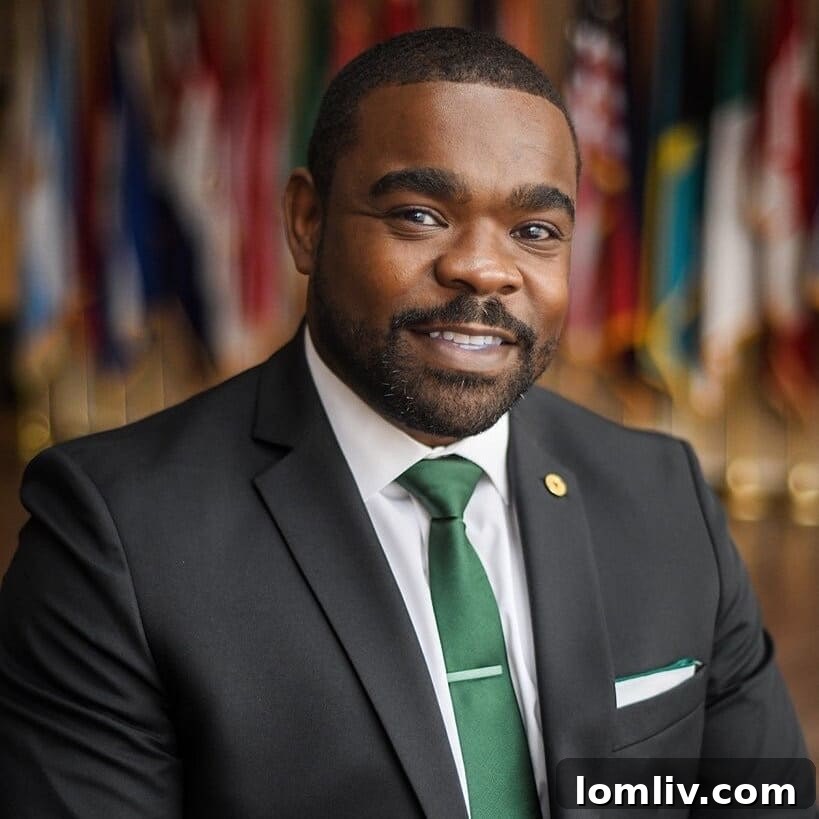
Gracey’s background as a former City Plan Commissioner and the first President of the Dallas Public Facilities Corporation positions him as a candidate deeply familiar with urban planning and development challenges. In an April 13 interview with daltxrealestate.com, Gracey articulated his positions on key issues, particularly short-term rentals (STRs) and Public Facility Corporation (PFC) projects, which are central to Dallas’s housing debate.
Short-term rentals (STRs): Gracey’s stance on STRs is clear and reflects a concern for residential neighborhood integrity. He stated, “As the District 3 Planning Commissioner, I voted to restrict short-term rentals in residential areas because the City unfortunately had no way of properly managing the regulation of short-term rentals.” This highlights his commitment to protecting single-family neighborhoods from potential disruptions caused by unregulated STRs, emphasizing a need for effective municipal oversight.
PFC projects: On the topic of PFCs, Gracey expressed enthusiasm for their role in expanding housing options. “I was the former (and first) president of the Dallas Public Facilities Corporation. I was excited to be a part of a tool that created another housing option for the City,” he explained. His vision for District 3 is to make it a place where residents can achieve their housing dreams, whether it’s a first apartment or a dream home, and he sees PFCs as a vital instrument in achieving this goal. This perspective positions him as a proponent of diverse housing solutions, including those facilitated by public-private partnerships.
Joe Tave’s Campaign: Experience and Public Discourse
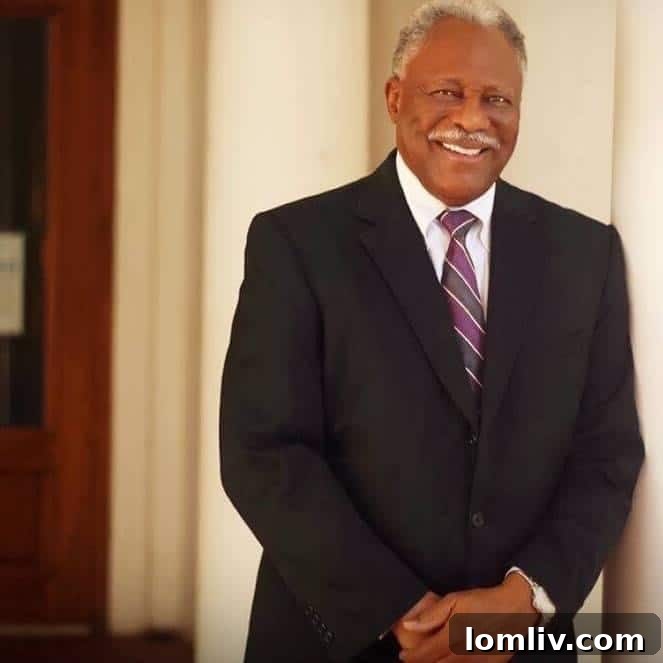
Joe Tave, with his extensive background as a retired teacher and a respected radio talk show host, brings a different kind of experience to the political arena. His campaign has likely resonated with voters seeking a voice rooted in community and public service. While Tave did not respond to the daltxrealestate.com candidate questionnaire, his presence in the runoff indicates a significant level of support within District 3. His public platform, often shaped by his radio background, focuses on direct communication with constituents and addressing grassroots concerns. The runoff will be a crucial test of whether voters prefer Gracey’s policy-oriented background or Tave’s community-centric approach.
District 10 Elects Kathy Stewart: A New Voice for the Community
District 10 saw the election of Kathy Stewart, a dynamic leader and former Executive Director of Uptown Dallas Inc., who will now represent her constituents on the City Council. Stewart’s campaign garnered significant momentum, bolstered by an early endorsement from the outgoing council member, Adam McGough. Her strong showing on election night highlights a desire for fresh leadership that is also deeply integrated with Dallas’s urban development and community fabric.
Stewart’s Stance on Critical Urban Issues: STRs and PFCs

Stewart, like many candidates, extensively addressed the issues of short-term rentals (STRs) and Public Facility Corporations (PFCs) during her campaign. In her candid responses to questions, she articulated a nuanced perspective that acknowledges the diverse impacts of these policies on different segments of the community:
Short-term rentals (STRs): Stewart noted the pervasive nature of the STR discussion within her district: “During my many conversations and meetings with D10 residents, short-term rentals always came up.” She emphasized her support for a ban on STRs in traditionally single-family residential neighborhoods, aligning with the concerns of many homeowners. However, she also recognized the varied perspectives of multi-family property owners and those who rely on STRs for supplemental income, particularly in denser areas or those close to entertainment venues. Her approach suggests a desire for a balanced solution that respects different property rights and community characteristics.
PFC projects: Regarding PFC projects, Stewart described them as a “relatively new housing tool” designed to provide property tax exemptions for private apartment developers, facilitating mixed-income housing with a common split of 50 percent market-rate and 50 percent affordable units. Acknowledging Dallas’s critical need for more affordable housing, she views PFCs as a “viable tool” when implemented with the right developers and in appropriate locations. This indicates a pragmatic stance, recognizing the potential of PFCs to address the city’s housing crisis while also advocating for careful consideration in their application.
The Reshaping Horseshoe: Incumbents Secure Their Seats
The Dallas City Council elections saw a strong performance from incumbents, with a vast majority retaining their seats. This outcome provides a measure of stability and continuity for the city’s governance, allowing ongoing initiatives to proceed without major interruptions. Each returning council member brings a specific set of priorities and a track record of advocacy for their respective districts, collectively contributing to the multifaceted challenges and opportunities facing Dallas.
Key Issues Defining the Dallas Political Landscape
Beyond individual races, several overarching themes dominated the election discourse and will continue to shape the agenda for the newly constituted City Council. These issues – particularly short-term rentals, public facility corporations, and the broader challenge of housing – are central to Dallas’s growth and livability, demanding careful consideration and balanced policymaking from its leaders.
Navigating the Complexities of Short-Term Rentals (STRs)
The regulation of short-term rentals remains one of the most contentious issues facing the Dallas City Council. The debate typically pits property rights against neighborhood preservation, with residents in single-family zones often advocating for outright bans due to concerns about noise, parking, and a change in neighborhood character. Conversely, property owners who utilize STRs argue for their right to economic use of their property and the benefits they bring to tourism and local economies. The diverse stances of council members on this issue highlight the deep divisions and the difficulty in crafting a solution that satisfies all stakeholders. This complex issue demands a balanced approach that respects both property owners’ rights and the quality of life in residential communities.
Public Facility Corporations (PFCs) and the Future of Affordable Housing
Public Facility Corporations (PFCs) have emerged as a significant tool and, at times, a source of controversy in Dallas’s strategy to address affordable housing. Designed to incentivize developers through property tax exemptions in exchange for including affordable units, PFCs are seen by some as a vital mechanism to increase the supply of mixed-income housing. However, critics raise concerns about the long-term tax implications, the lack of robust oversight, and whether these projects truly serve the most vulnerable populations without contributing to gentrification. The council’s ongoing challenge will be to ensure that PFC projects are strategically implemented, genuinely benefit the community, and contribute to a sustainable, equitable housing landscape.
Economic Development and Infrastructure Improvements Across Districts
Dallas’s continuous growth necessitates robust economic development strategies and significant investment in infrastructure. From revitalizing commercial corridors to improving roads, water systems, and public transportation, these issues are foundational to the city’s prosperity and residents’ quality of life. Council members are often judged on their ability to attract new businesses, create jobs, and secure funding for district-specific infrastructure projects. The balance between attracting large-scale development and supporting local small businesses, while also ensuring equitable distribution of resources, will be a constant balancing act for the new council term.
Public Safety and Neighborhood Preservation: Top Priorities
Public safety consistently ranks as a top concern for Dallas residents, encompassing everything from crime reduction and emergency response to community policing initiatives. Alongside this, neighborhood preservation remains a vital priority, particularly in areas experiencing rapid development or gentrification pressures. Council members are tasked with supporting the police department, implementing crime prevention strategies, and ensuring that new developments respect and enhance the existing character of Dallas’s diverse neighborhoods. The interplay between growth, safety, and community identity will be a critical area of focus for the returning council.
District-by-District Deep Dive: Council Members and Their Agendas
District 1 — Chad West has consistently been a vocal advocate for thoughtful housing development, economic growth, and responsible urban planning in Oak Cliff. His re-election signals continued support for his community-driven approach. In a statement to daltxrealestate.com, West expressed his gratitude, stating, “I am honored that my neighbors voted me back for another term to represent the best community in Dallas. I look forward to working with each of them over the next two years to continue our priorities of public safety, neighborhood preservation, thoughtful, community-driven development, and enhancement of our parks and trails.” His focus remains on balancing growth with the unique character of his district.
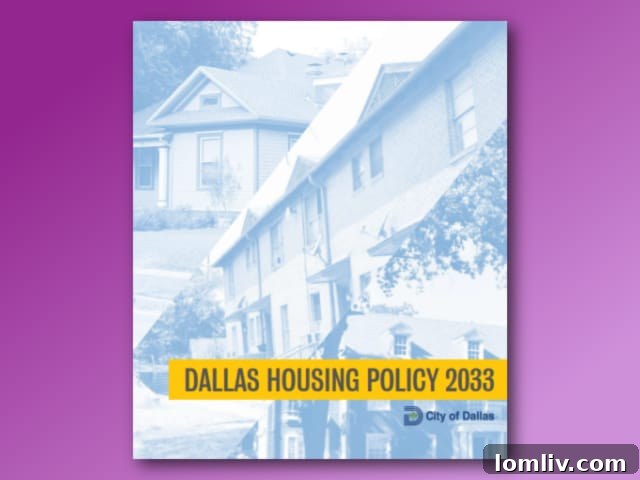
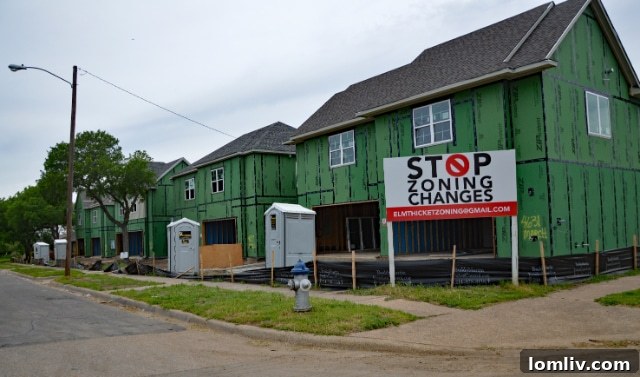
District 2 — Jesse Moreno navigated a contentious zoning battle during his previous term, ultimately siding with Elm Thicket/Northpark residents who fought against massive “McMansions” contributing to displacement and gentrification. His strong stance on neighborhood preservation resonated deeply with voters, leading to a resounding re-election victory with almost 85 percent of the vote. Moreno’s return ensures that D2’s unique character and residents’ concerns about overdevelopment will remain a top priority.
District 4 — Mayor Pro Tem Carolyn King Arnold comfortably secured her re-election with 64.88 percent of the vote against challenger Jamie Smith. Arnold has built a reputation as a staunch advocate for repairing decayed infrastructure and aggressively recruiting economic development into District 4. Her continued presence on the council is crucial for advancing revitalization efforts in her district, focusing on equitable growth and improving the quality of life for her constituents.
District 5 — Jaime Resendez avoided a runoff, winning with 53.6 percent of the vote over two challengers. An attorney and former Dallas ISD trustee, Resendez has maintained a somewhat quieter public profile, making his exact voting patterns on issues like STRs less predictable. However, he has consistently supported additional housing across all districts and listed it among his top three priorities for District 5, signaling a commitment to addressing housing needs through comprehensive strategies.
District 6 — Omar Narvaez has openly declared his homeowner-tenant status, advocating for all types of housing with a distinct “Yes In My Backyard” philosophy. His name was prominently featured on the five-signature memo that pushed for a vote on STRs in April, indicating his engagement with this critical issue. Narvaez secured his seat with 53.29 percent of the vote against three challengers, reflecting voter confidence in his inclusive approach to urban development. View Omar Narvaez’s Instagram post about his victory here.
District 7 — Adam Bazaldua faced a challenging path to re-election, contending with constituent criticisms regarding the proposed automatic renewal of the Austin Batch Plant special use permit in Joppa, a matter of significant environmental concern. During early voting, his office issued a press release clarifying that the plant permit would not be automatically renewed, a move that likely reassured voters. Bazaldua, who has also proposed an alternative solution allowing some neighborhoods to opt out of STR use in residential areas, won his seat with 51.57 percent of the vote, demonstrating his ability to navigate complex community and environmental issues.
District 8 — Tennell Atkins, often referred to as the “elder statesman” of the Dallas City Council, achieved a commanding victory, garnering 78.6 percent of the vote over two challengers. Atkins has been a vocal champion for attracting new development to RedBird, focusing on economic revitalization and job creation in South Dallas. His landslide re-election provides a strong mandate to continue these transformative efforts, which are seen as critical for the district’s long-term prosperity.
District 9 — Paula Blackmon secured her re-election to District 9 with remarkable ease, defeating Kendra Denise Madison with 79.71 percent of the vote. Blackmon took a notably quiet “listening and learning” approach during the initial public debate surrounding the Standard Shoreline PFC project, proposed near the Lochwood neighborhood. Thomas Buck, communications chair for the Lochwood Neighborhood Association, noted Blackmon’s general responsiveness and support for D9 neighborhoods in an interview with daltxrealestate.com. However, he also suggested a desire for more proactive communication from her office regarding potential developments.
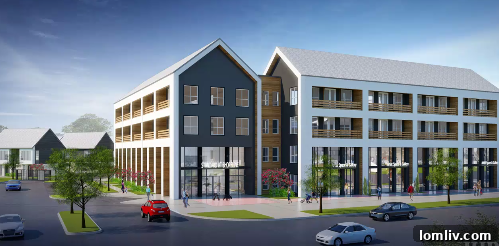
Buck’s comments highlight the ongoing challenge for council members to balance policy-making with effective, early community engagement.
District 11 — Jaynie Schultz triumphed over daltxrealestate.com publisher Candace Evans, securing 58.63 percent of the vote. A central and often contentious issue during her campaign was the future of the Valley View Center, which has been notoriously designated a “habitual criminal property.” A press conference is anticipated next week to announce plans for the demolition and redevelopment of this long-problematic property. Schultz’s victory signals voter confidence in her ability to tackle complex urban blight issues and drive significant redevelopment projects crucial for District 11’s future. Read more about the Valley View Mall fire here.
District 12 — Cara Mendelsohn holds the unique distinction of being the only council member to run unopposed, underscoring her strong and consistent voter support in her district. Mendelsohn’s positions on housing issues are well-established and unwavering: she is a strong proponent of removing short-term rentals from residential neighborhoods and has expressed significant reservations about adding more apartment complexes, particularly those under the PFC structure that grant developers 75-year leases with property tax exemptions. Her continued presence provides a clear voice for residents concerned about overdevelopment and preserving neighborhood character.
District 13 — Gay Donnell Willis secured her seat with 67.1 percent of the vote over Priscilla Shacklett. Willis’s name also appeared on the influential five-signature memo calling for an immediate vote on STRs. As the former CEO of Turtle Creek Conservancy, Willis has built a reputation for thoroughness, consistently asking detailed questions and gathering comprehensive data on complex issues like STRs before publicly announcing her definitive position. Her analytical approach will continue to be a valuable asset to the council’s decision-making processes.
District 14 — Paul Ridley successfully defended his District 14 seat, capturing 62.52 percent of the vote against two challengers. Ridley has been a vocal proponent of the “Keep It Simple Solution” to STRs, a policy that would effectively ban them from residential neighborhoods. His re-election indicates strong community support for his efforts to protect residential zones from the impacts of short-term rental operations, reinforcing a clear stance on this citywide debate. View Paul Ridley’s Instagram post about his campaign here.
In summary, the 2023 Dallas City Council elections largely preserved the status quo, bringing back a cohort of experienced leaders ready to tackle the city’s pressing issues. While the runoff in District 3 promises an exciting conclusion to the election cycle, the collective focus of the returning council members will remain on ensuring sustainable growth, equitable housing solutions, and a high quality of life for all Dallas residents. The next two years will undoubtedly be shaped by how these leaders address the ongoing challenges of urban development, community preservation, and economic vitality.