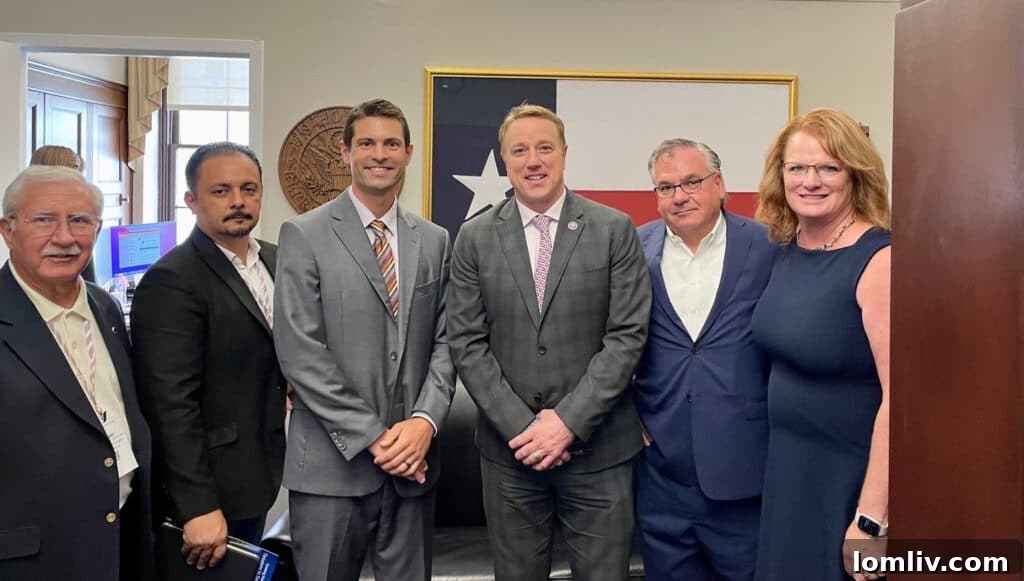
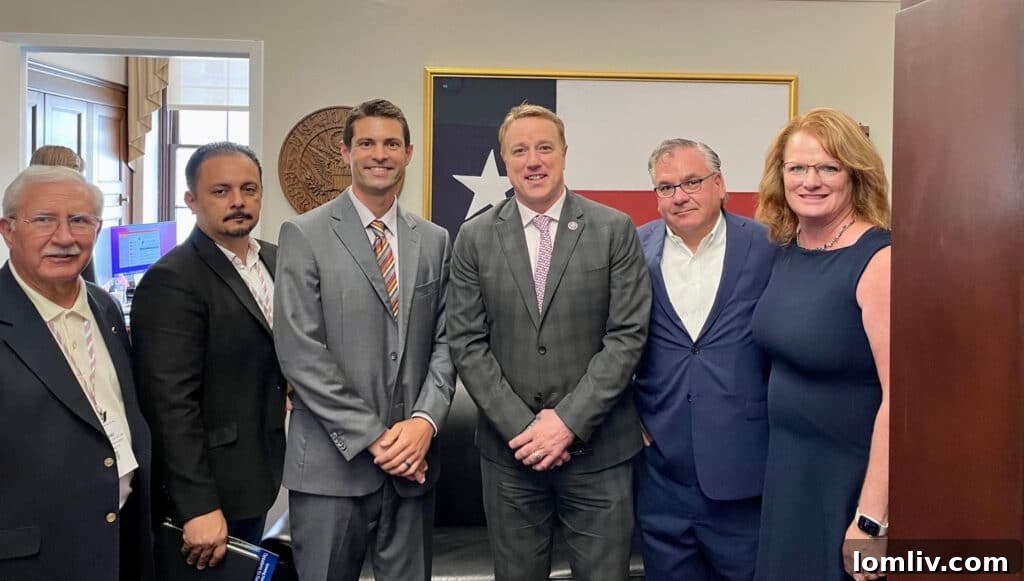
In an era where the dream of homeownership is increasingly slipping out of reach for countless American families, a determined contingent of building industry leaders recently converged on Capitol Hill. Their mission: to spotlight the escalating crisis in housing affordability and attainability, advocating for vital legislative solutions.
Spearheaded by David Lehde, the astute director of government affairs for the Dallas Builders Association (DBA), the delegation included prominent DBA members who also actively participate in crucial meetings with the National Association of Home Builders (NAHB). This collaborative approach underscores the widespread nature of the challenges facing the housing sector and the unified voice advocating for change.
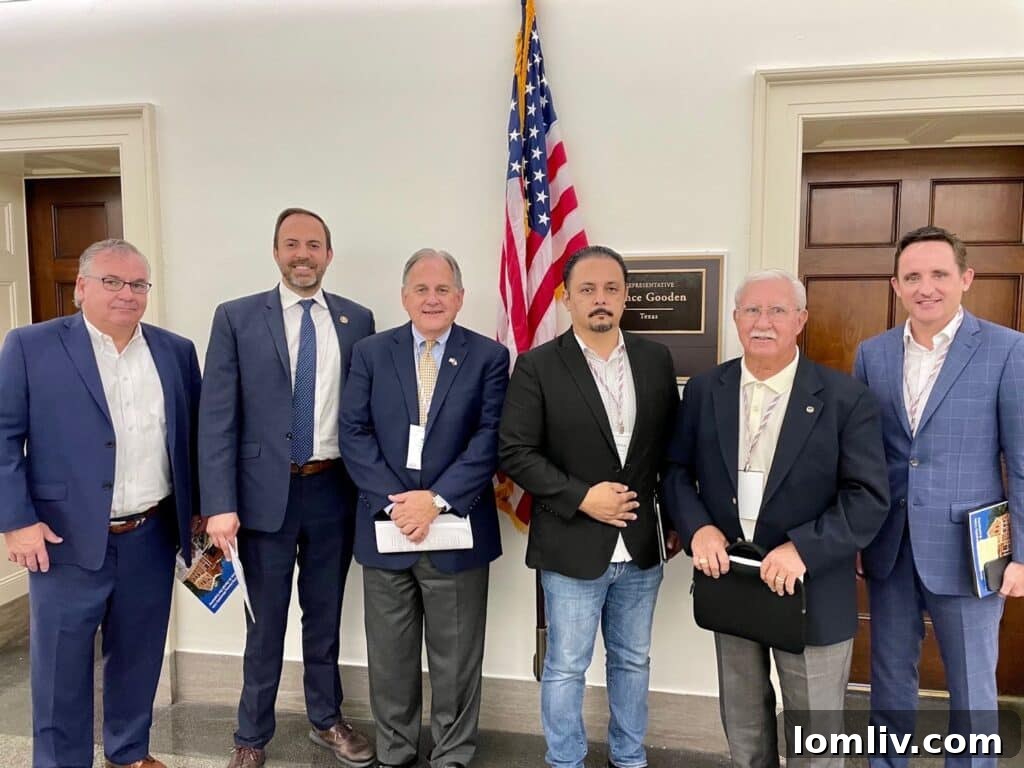
The distinguished panel engaged in productive discussions with the offices of nine influential elected officials. These included Congress members Colin Allred, Michael Burgess, Jake Ellzey, Pat Fallon, Lance Gooden, Ronny Jackson, Eddie Bernice Johnson, Beth Van Duyne, and Marc Veasey. These meetings provided a critical platform to convey the urgent realities faced by builders and prospective homebuyers alike.
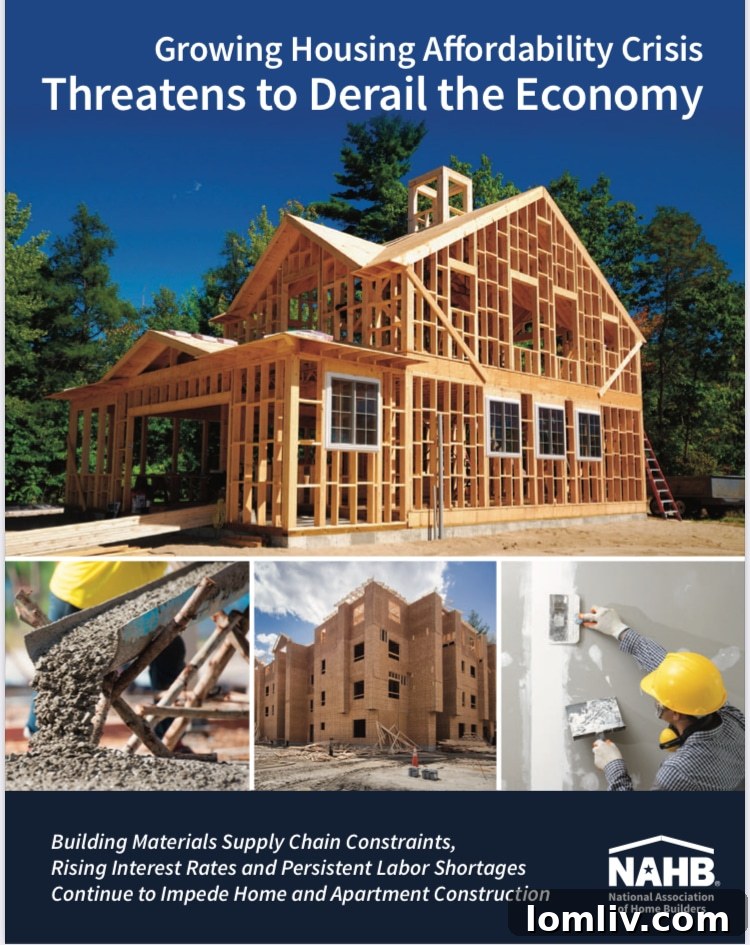
“Housing is undeniably the centerpiece of kitchen-table issues across America,” emphasized David Lehde. “Families are looking to our government to prioritize issues that foster stability and economic growth. The current landscape in the housing market is a significant threat to the nation’s economic expansion and the fundamental right to shelter.” His words underscore the profound impact of housing costs on household budgets and the broader economy, positioning it as a top concern for policymakers.

The current economic climate, marked by persistent inflation and rapidly surging interest rates, has cast a long shadow over the housing market. Industry leaders are meticulously focusing on key policy areas, advocating for legislation that would streamline the construction of affordable homes, simplify mortgage approvals, and ultimately make homeownership more accessible. The Dallas contingent’s detailed agenda is robustly supported by extensive data and strategic priorities established by the National Association of Home Builders, giving their advocacy efforts national weight and credibility.
Lehde eloquently painted a picture of the human impact behind the statistics: “Imagine a hardworking couple, diligently saving, dreaming of a home where their children can grow and create cherished memories. Consider a single mother, longing for a residence closer to her workplace, enabling her to attend her daughter’s recital without the stress of traffic. Or perhaps an elderly couple, hoping to retire comfortably in the town they’ve always called home, needing an affordable mortgage on a fixed income. All these individuals deserve a stable roof over their heads and a place they can truly call their own. Our legislative approach is fundamentally rooted in addressing these profound and universal needs.” This powerful narrative highlights the emotional core of the housing crisis, appealing to the legislators’ understanding of their constituents’ everyday struggles.
Legislative Priorities: Advocating for a Stable Housing Market
The U.S. Congress, currently in session, demonstrated its commitment to addressing critical local industry concerns by warmly receiving the Dallas builders. David Lehde noted that this year’s trip marked the delegation’s first return to Capitol Hill since 2019, making these discussions even more vital given the dramatic shifts in the housing market. The Dallas Builders Association typically undertakes these advocacy visits annually, underscoring their long-standing dedication to shaping federal policy.
“We assemble a diverse team, comprising builders, architects, title company representatives, and various other industry professionals, and collectively we head to the Hill,” Lehde explained. “It was incredibly productive to bring the crucial message of homebuilding directly to Washington’s policymakers after a hiatus. These face-to-face engagements are indispensable for conveying the nuances of our industry’s challenges.”
Tackling Skyrocketing Costs and Red Tape
Professionals across the building sector are grappling with unprecedented challenges, most notably historically high prices for essential construction materials. This burden is compounded by excessive regulatory hurdles and a severe shortage of skilled labor, all of which conspire to inflate housing costs.
“We must actively prevent a scenario where individuals become ‘house poor’ or ‘rent poor,’ where housing consumes an unsustainable portion of their income,” Lehde warned. “If Washington is genuinely committed to tackling real-world issues, then housing affordability must be at the forefront. Every congressional office we engaged with was remarkably receptive to our concerns.” He continued, emphasizing the broader economic ramifications: “Housing construction and the value derived from its related services exert a significant impact on the national economy. In 2021, home prices surged by 18 percent nationally, marking the largest increase ever recorded in the National Association of Home Builders’ national home pricing index. This volatile rise exacerbates our current affordability woes.”
Adding to these concerns, construction costs have escalated by a staggering 33 percent since before the onset of the COVID-19 pandemic. This dramatic increase directly translates into higher home prices, creating an insurmountable barrier for many potential buyers.
“The very fabric of our economic expansion is at risk,” Lehde stated grimly. “With persistent inflation, mortgage rates are relentlessly climbing.” Indeed, the severity of this issue was starkly illustrated during their visit: on June 15, the very day the Dallas delegation was advocating in D.C., mortgage rates jumped by three-quarters of 1 percent.
“This seemingly small increase has a monumental impact,” Lehde explained. “It translates to an estimated 1.3 million families being effectively priced out of the housing market overnight. Such volatility makes long-term financial planning nearly impossible for aspiring homeowners.”
Driving Change: Legislative Victories and Urgent Calls to Action
The advocacy trip yielded immediate results on at least one key item on the Dallas Builders Association’s legislative agenda. Days before their arrival in D.C., the Ocean Shipping Reform Act successfully passed into law.
“This new legislation is a game-changer,” Lehde affirmed. “It fundamentally brings much-needed transparency to foreign-owned ocean carriers, addressing long-standing issues that have contributed to supply chain disruptions and inflated material costs for builders.”
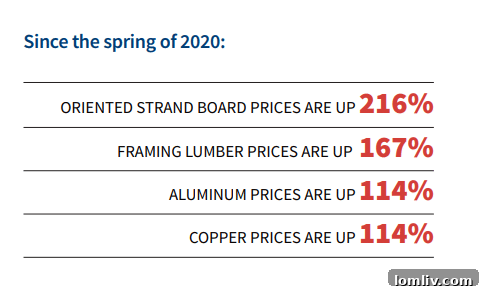
Beyond shipping, lumber prices were another central topic of discussion. While recent declines in lumber costs are largely attributed to a dip in buyer demand rather than policy changes, the delegation highlighted the ongoing burden of tariffs. Lehde pointed out that current tariff agreements with Canada continue to levy an additional tax on home buyers, potentially adding over $18,000 to the final price of a new home. This hidden cost significantly erodes affordability.
“We are urgently appealing to Congress to impress upon the White House the necessity of renegotiating the softwood lumber agreement with Canada,” he stressed. “Furthermore, we are rallying support for the No Timber From Tyrants Act. This critical legislation would not only ban lumber imports from Russia, thereby severing economic ties with an aggressor nation, but also strategically ramp up sustainable timber harvesting from federal lands. Crucially, it would allocate resources to better manage against devastating forest disasters like wildfires, ensuring a stable domestic supply. This dual benefit makes it an incredibly important initiative to support.”
Looking Ahead: A Positive Outlook Amidst Challenges
Despite the formidable challenges, Lehde expressed cautious optimism. He believes that a combination of proactive new legislation, the appointment of a dedicated new city director of development services in Dallas, and the unwavering commitment of the building community can collectively ensure that families retain the ability to buy and sell homes. The influx of new residents to the region further underscores the persistent demand for housing.
“We continue to see a strong migration of people moving to North Texas from across the country,” he observed. “However, there are legitimate concerns that our builders may soon be forced to slash prices, which could destabilize the market. With surging interest rates, we must critically re-evaluate who qualifies for a mortgage, as the pool of eligible buyers is shrinking.”

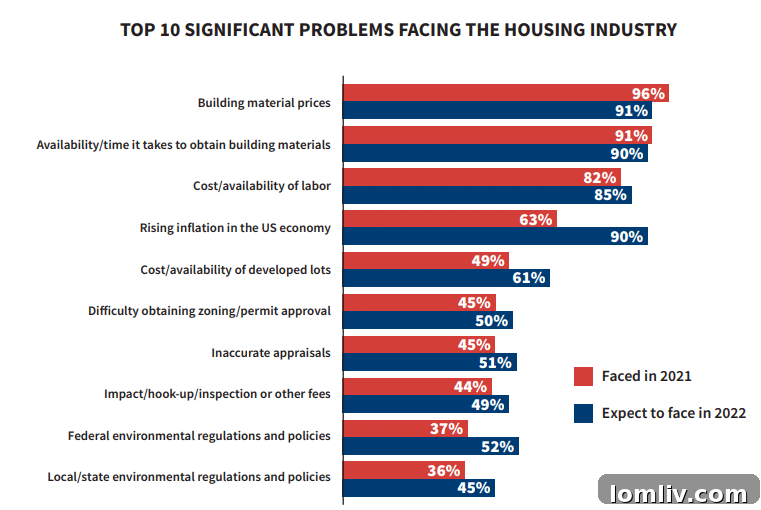
Locally, Dallas builders have vocally expressed a highly publicized concern regarding the city’s extensive permitting backlog. This issue has plagued the Dallas area since 2020, significantly delaying construction projects and increasing costs. However, there’s renewed hope with Andrew Espinoza, the city’s newly appointed director of development services, who has pledged to decisively address this persistent challenge.
“In Dallas, our immediate priority is resolving the egregious permit delays,” Lehde asserted. “We are committed to seeing this issue fixed comprehensively and swiftly. The new official in charge appears exceptionally attentive to this problem, and the Dallas Builders Association is eager to collaborate with his team to expedite a solution. While many discuss ‘housing affordability,’ my focus is firmly on ‘housing attainability.’ Our concern extends beyond just helping American families purchase a home; we aim to ensure our builders remain competitive within the market, avoiding being priced out of the medium-home segment altogether.”
The strategic trip to D.C. provided a significant morale boost for industry professionals who depend on elected officials to champion their cause. Lehde reported that their priorities were exceptionally well-received, and the local congressional delegation demonstrated a profound understanding of the critical importance of a healthy home-building sector.
“These representatives serve areas where the demand for housing and the activity of home building are incredibly significant,” he highlighted. “The members we engaged with, from both sides of the political aisle, genuinely value this industry and were highly receptive to our message. Housing is, at its core, a bipartisan issue. They fully grasp the complexities of supply chain disruptions, material cost escalations, and the tangible impact these have on housing attainability for working-class families. Crucially, they understand the immense number of jobs that home building helps to create and sustain.”
Lehde further elaborated on the pressing labor shortage: “Nationwide, we are currently facing a deficit of approximately 380,000 construction workers. In the thriving DFW area alone, this shortage is estimated to be between 20,000 and 30,000. The NAHB predicts that the country will need to hire an astounding 2.2 million new workers nationwide in the coming years just to keep pace with demand. Therefore, we urgently need Congress to continue funding and actively promoting robust job-training programs that cultivate skilled careers within the vital home-building market.”
When pressed about the single most important issue weighing on his mind, David Lehde’s response transcended a simple answer. “I worry about all of it,” he admitted with earnestness. “For the Dallas Builders Association, our commitment is unwavering: we will tirelessly continue to voice our members’ concerns regarding unnecessary regulations, ever-increasing fees, and the paramount need to safeguard homeowners’ fundamental property rights. These issues are interconnected and collectively threaten the very foundation of homeownership.”
Echoing this sentiment, Dallas Builders Association Executive Officer Phil Crone expressed profound pride in the delegation’s impactful work on Capitol Hill. “Here’s to a highly successful Legislative Conference,” Crone remarked. “We extend our deepest gratitude to the dedicated members who helped deliver a compelling ‘housing-first’ message to lawmakers. And special recognition goes to our Government Affairs Director, David Lehde, for masterfully organizing all these crucial meetings during what remains a challenging and dynamic period for our industry.” The unified front and clear message underscore the continued importance of such advocacy in securing a stable and accessible housing future for all Americans.