Bishop Arts Renaissance: Shaping the Future of Dallas’s Iconic Neighborhood
The vibrant and historic Bishop Arts District in Dallas is on the cusp of a transformative urban evolution. As the final touches are applied to the trolley track construction and the much-anticipated Bishop Arts stop officially comes online, the district is preparing for an unprecedented wave of building construction that promises to redefine its skyline and enhance its celebrated pedestrian-friendly atmosphere. This period marks a significant chapter in Dallas’s urban development, with key projects poised to elevate Bishop Arts into an even more dynamic and desirable destination.
The Alamo Manhattan Initiative: A Glimpse at Phase 1
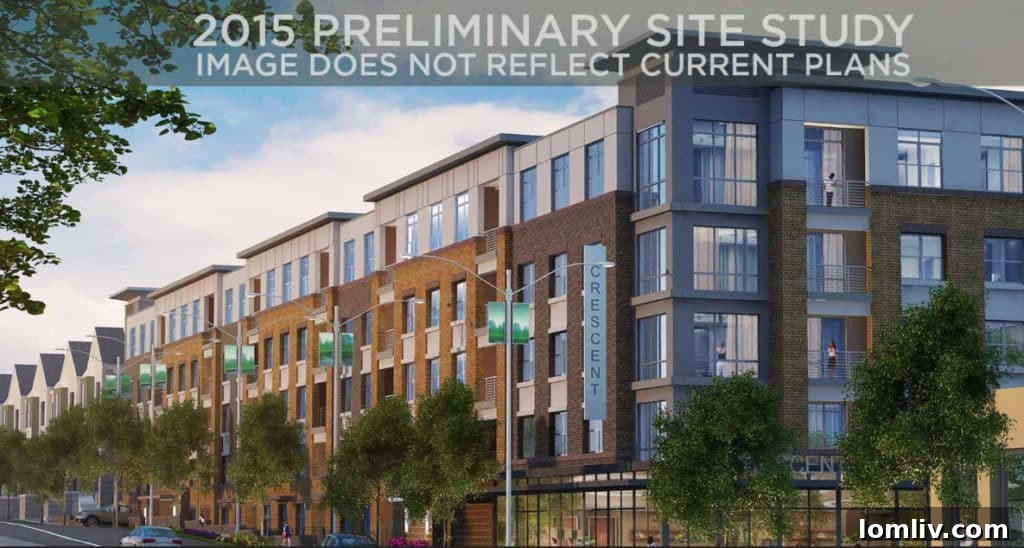
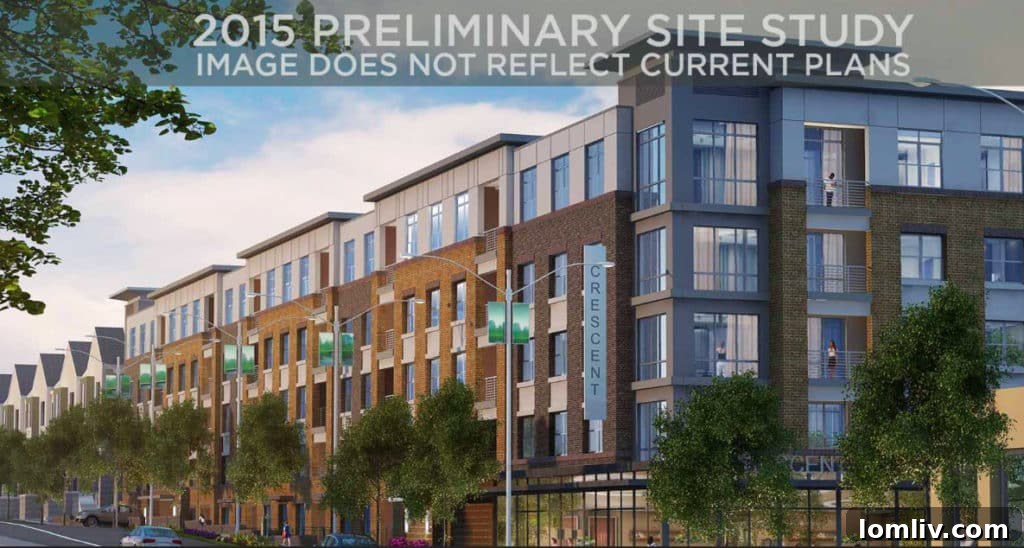
Among the developers leading this charge is Alamo Manhattan, a firm that has previously generated considerable discussion with its Bishop Arts proposals. Learning from earlier feedback, their Phase 1 plans are now moving forward with a revised vision. This ambitious project will see the development of a five-story, full city block structure, strategically positioned directly adjacent to the new trolley stop along Zang Boulevard, encompassing two pivotal corners of the Zang-Davis intersection. This mixed-use development is designed to integrate residential units seamlessly above ground-floor retail spaces, aiming to create a lively hub that capitalizes on the enhanced connectivity brought by the trolley.
The strategic placement of Alamo Manhattan’s development highlights a broader trend in urban planning: maximizing the synergy between public transportation infrastructure and residential-commercial integration. By concentrating density around transit nodes, these projects aim to foster a more sustainable and accessible urban environment, reducing reliance on private vehicles and promoting local engagement. The success of this initial phase will undoubtedly set a precedent for future developments in the area, shaping how residents and visitors interact with the newly energized public spaces.
Crescent Communities’ Vision: A Paradigm Shift in Urban Living
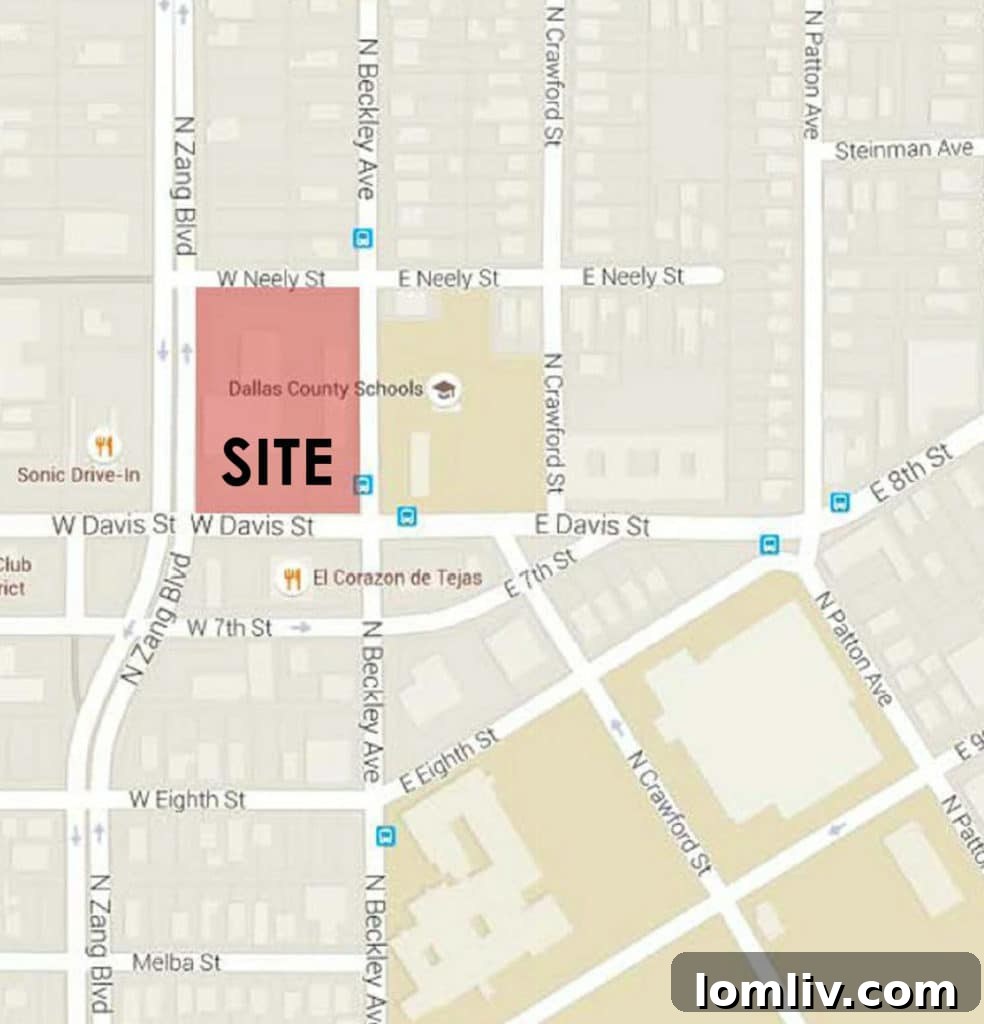
Adding to this excitement are the detailed plans now emerging from Crescent Communities for their significant development slated for the third, northeast corner of Zang-Davis. With construction expected to commence in December 2016 and an estimated 22-month buildout, this project is set to bring a fresh perspective to Bishop Arts. While Alamo Manhattan focuses on the immediate intersection, Crescent Communities’ ambition spans a much larger canvas.
A Strategic Location: Zang-Davis and Beyond
The Crescent project will unfold across two blocks, extending eastward from Beckley Avenue to Crawford Street and northward just beyond Neely Street. Currently occupying a Dallas County Schools property, this expansive site offers a unique opportunity for comprehensive urban planning. Unlike many developments that are confined to single parcels, Crescent’s control over a multi-block area allows for a more holistic approach to design and integration, promising a cohesive and thoughtfully planned environment that respects the existing fabric of Bishop Arts while introducing modern amenities.
Prioritizing Pedestrian Experience: Walkable Design at its Core
What truly distinguishes Crescent Communities’ approach is their profound understanding of what constitutes “good” walkable design and, more importantly, what makes a place genuinely work for people. Recognizing that vibrant urban spaces are built from the ground up, their plans place a strong emphasis on the pedestrian experience. A prime example of this philosophy is their vision for Beckley Avenue. Since Crescent owns land on both sides of the street, they are uniquely positioned to transform Beckley into a true “Avenue”—a grand promenade where the interaction between buildings and the pedestrian realm is paramount. This goes beyond mere sidewalks; it involves careful consideration of building setbacks, active ground-floor uses, green spaces, and public art, all designed to create an engaging and comfortable environment for those on foot.
Masterplan Details: A Collaborative Approach
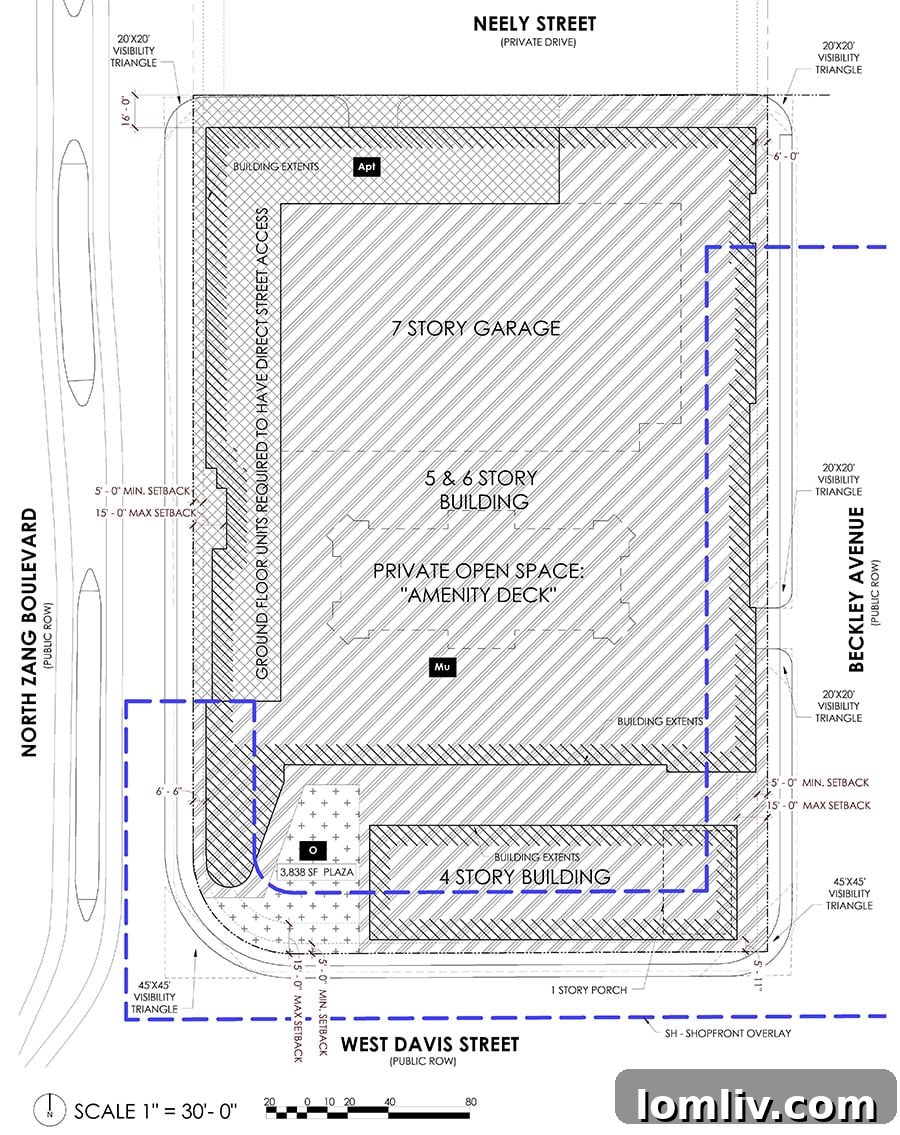
While only the initial site plan has been publicly released, deeper insights into Crescent Communities’ masterplan reveal an extraordinary attention to detail. An off-the-record conversation with Crescent’s regional director and several North Oak Cliff neighbors unveiled a vision steeped in thoughtful urbanism. A significant factor contributing to this enlightened approach is the background of Crescent Communities’ President & CEO, Todd Mansfield, who previously served as Executive VP of Disney real estate worldwide. Disney, often lauded for its ability to craft immersive and engaging environments, albeit sometimes fabricated, excels at creating pedestrian spaces that score exceptionally high on the principles of great walkable commercial areas. Mansfield “gets it,” and under his leadership, the company has cultivated a commendable track record of developing thoughtful communities. Their commitment to superior urban design is further evidenced by their explicit引用of Jane Jacobs, the pioneering mother of modern urbanism, whose philosophies champion vibrant, mixed-use, and pedestrian-oriented neighborhoods.
Architectural Innovation with Lake-Flato: Crafting Unique Spaces
To bring this vision to life, Crescent Communities has enlisted the expertise of renowned design firm Lake-Flato. Their influence is already evident in the preliminary architectural elements visible in the site plan. A distinctive “flatiron” building corner will anchor the intersection of Zang and Davis, serving as an architectural landmark. From this point, a 3,800-square-foot “gateway” plaza will gracefully lead visitors from the historic Bishop Arts core and the bustling trolley stop into a larger, expansive central plaza. This larger plaza will be nestled between a five-story building along Davis Street and a dynamic five- and six-story building immediately behind it. This thoughtful progression of spaces is designed to create a sense of arrival and discovery, encouraging exploration and fostering community interaction within a beautifully articulated setting.
First life. Then places. Then buildings. – Jane Jacobs
This quote from Jane Jacobs encapsulates the guiding principle behind the Crescent Communities project. The focus is not merely on erecting structures but on creating environments where “life” can flourish, where “places” organically emerge from human interaction, and where “buildings” serve as supportive backdrops for these experiences. The design of the plazas, the consideration for pedestrian flow, and the deliberate mix of uses all contribute to this philosophy, ensuring that the development is more than just a collection of buildings—it is a living, breathing part of Bishop Arts.
A Curated Tenant Mix: Beyond Just Retail
Ultimately, the success of any developer’s vision rests in the hands of its tenants and the community they attract. Crescent Communities’ goal is to enliven the central plaza by flanking it with an exciting array of restaurants and vibrant patios that spill out into the public space, creating an inviting atmosphere for dining and socializing. While the exact tenant mix is still being finalized, the initial aspirations are nothing short of ambitious and deeply resonant with contemporary urban trends. The proposed tenants aim to cater to a diverse demographic and create a self-sustaining ecosystem within the development. This includes:
- Makers Space & Unique Retail: Providing venues for local artisans, craftspeople, and innovative small businesses, fostering creativity and a distinct sense of place.
- Boutique Retail: Offering curated shopping experiences that complement the existing charm of Bishop Arts, focusing on quality and individuality rather than generic chains.
- Walk-up Brownstone Condos: Delivering a classic urban residential experience, combined with an emphasis on more affordable rental units to promote socio-economic diversity and accessibility within the development.
- Boutique Hotel: A hotel concept inspired by the lobby of the renowned historic Ace Hotel in Portland, aiming to create a unique, design-forward lodging experience that also serves as a vibrant community hub for residents and visitors alike.
- Brewery: A local brewery would offer a popular social gathering spot, contributing to the area’s nightlife and community spirit.
- Grocer: A convenient grocery option is crucial for residential viability, transforming the development into a true “live, work, play” environment where daily needs are met within walking distance.
This ambitious blend of residential, retail, hospitality, and community-focused spaces demonstrates a sophisticated understanding of modern urban needs. It seeks to create a dynamic destination that serves both its residents and the wider Bishop Arts community, drawing visitors while also providing essential amenities for daily life. The emphasis on unique, local-serving businesses and diverse housing options speaks to a commitment to genuine community building, not just commercial development.
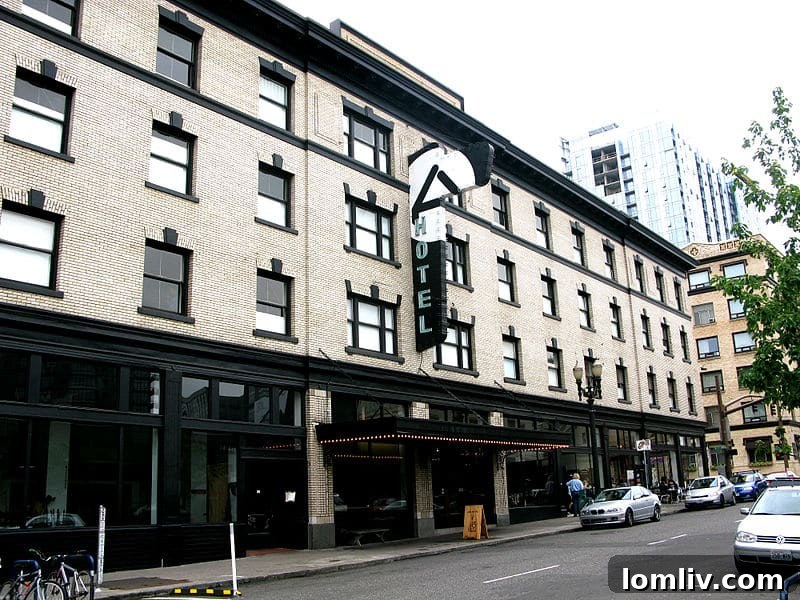
Inspiration from Icons: The Ace Hotel Influence
The explicit reference to the historic Ace Hotel in Portland as inspiration for the boutique hotel lobby within the Crescent project is particularly telling. The Ace Hotel chain is celebrated globally for its unique blend of industrial-chic aesthetics, communal spaces, and commitment to fostering local culture. Its Portland lobby, in particular, is famed for being a vibrant hub where guests and locals alike gather, work, and socialize, creating a distinct sense of place and belonging. By drawing inspiration from such an iconic establishment, Crescent Communities signals its intention to create a similar atmosphere—a hotel that is not just a place to sleep, but a dynamic, inviting space that contributes significantly to the social fabric of the entire development and, by extension, Bishop Arts itself.
The Broader Impact: Shaping Bishop Arts’ Future
These large-scale developments from Alamo Manhattan and Crescent Communities are more than just individual projects; they are catalysts for the continued revitalization of the Bishop Arts District. By bringing increased residential density, diverse retail offerings, and enhanced public spaces, they promise to inject new energy into the neighborhood. The integration with the new trolley line will significantly improve connectivity, making Bishop Arts more accessible to the wider Dallas metropolitan area and further solidifying its reputation as a cultural and commercial hotspot.
However, such rapid transformation also brings responsibilities. The challenge for developers and city planners will be to ensure that new growth complements the existing character of Bishop Arts, preserving its unique charm and independent spirit. Maintaining affordability, supporting local businesses, and integrating new infrastructure thoughtfully will be crucial for the long-term success and authenticity of the district. The explicit commitment to “more affordable rental units” by Crescent Communities is a positive indicator that these considerations are being taken seriously.
Conclusion: A New Chapter for Dallas Urbanism
The future of Bishop Arts appears exceptionally bright, poised for a remarkable chapter of growth and evolution. With forward-thinking developers like Crescent Communities at the helm, guided by principles of walkable design, community integration, and a carefully curated mix of uses, Bishop Arts is set to become an exemplary model of modern urbanism in Dallas. The excitement surrounding these projects is palpable, and as the cranes rise and foundations are laid, anticipation builds for a transformed, yet still quintessentially Bishop Arts, neighborhood. It’s an ambitious vision, indeed, but one that promises to enrich the lives of residents and visitors alike, solidifying Bishop Arts’ place as a true gem in the heart of Dallas.