Addressing America’s Housing Affordability Crisis: Home Builders Advocate for Sustainable Solutions
As the nation commemorates National Homeownership Month each June, the National Association of Home Builders (NAHB) stands at the forefront, actively championing initiatives aimed at making the dream of homeownership a reality for more American families. Despite its profound importance to individual wealth creation and overall economic stability, the landscape of housing affordability in the United States continues to present significant challenges. Builders nationwide are calling on Congress to enact meaningful reforms that address the multifaceted issues contributing to the escalating costs of housing, thereby paving the way for a more accessible housing market.
Greg Ugalde, former NAHB Chairman and a respected builder and developer from Torrington, Conn., underscores the urgency of the situation: “Removing the regulatory barriers that unnecessarily inflate housing costs is paramount to expanding homeownership opportunities. The dedicated professionals within the home building and residential construction community are committed to collaborating with Congress to ensure that hard-working families across the country can achieve the stability and prosperity that come with owning a home.” This steadfast commitment reflects the industry’s understanding that a thriving housing market benefits everyone, from individual families to the national economy.
Understanding the Core Challenges Impacting Housing Affordability
The intricate web of factors contributing to America’s housing affordability crisis is both complex and interconnected. While a range of economic forces are at play, four primary areas consistently emerge as significant deterrents to the creation of quality, affordable housing:
Excessive Regulatory Burdens on Development
One of the most persistent and costly obstacles faced by home builders is the burden of excessive government regulations. These regulations span various levels of government – federal, state, and local – encompassing everything from intricate zoning laws and environmental mandates to prolonged permitting processes and impact fees. NAHB analysis reveals that regulatory requirements alone account for a staggering 25 percent of the final price of an average single-family home. For multi-family developments, this percentage climbs even higher, reaching approximately 30 percent of total project costs. These figures represent direct costs passed on to the homebuyer, making homes less accessible. Streamlining these processes, re-evaluating outdated codes, and fostering a more efficient regulatory environment are critical steps toward reducing construction costs without compromising safety or quality.
The Critical Shortage of Skilled Construction Workers
The residential construction industry is grappling with a severe and widening labor shortage, a challenge that significantly impacts both the pace and cost of home building. An aging workforce, coupled with a decline in vocational training programs and a societal shift away from skilled trades, has led to a dwindling pool of qualified carpenters, electricians, plumbers, and other essential construction professionals. This scarcity forces builders to pay higher wages to attract and retain talent, which, in turn, contributes to increased construction costs. Furthermore, labor shortages can delay project completion, adding to financing costs and extending the time homebuyers must wait. Addressing this issue requires a concerted effort to invest in workforce development, promote vocational education, and attract new generations to rewarding careers in the building trades.
The Impact of Tariffs on Essential Building Materials
Tariffs imposed on crucial building materials have emerged as another significant contributor to rising housing costs. The NAHB estimates that tariffs on approximately $10 billion worth of imported building materials directly translate into higher expenses for builders. These tariffs affect a wide array of products, including lumber, steel, aluminum, and various other components essential for residential construction. When builders pay more for materials, these increased costs are ultimately passed on to the consumer in the form of higher home prices. This inflationary pressure makes it more difficult to construct homes within an affordable price range, directly undermining efforts to expand homeownership. Advocacy for the removal or reduction of these tariffs is a key component of NAHB’s legislative agenda, aiming to stabilize material costs and support more affordable construction.
Navigating Housing Finance Complexities
Access to housing finance remains a cornerstone of homeownership, yet challenges in this sector continue to affect affordability. Even with periods of lower mortgage interest rates, the overall financial landscape can still pose significant hurdles. Stringent lending standards, elevated down payment requirements, and a complex mortgage application process can deter potential buyers, especially first-time homeowners. The sensitivity of housing markets to even slight fluctuations in interest rates means that financing costs remain a constant concern. Ensuring a stable and accessible housing finance system, with appropriate safeguards, is vital for maintaining a healthy housing market and enabling more families to secure mortgages.
The Current State of Housing Affordability in America
Despite some favorable economic conditions, such as historically low mortgage interest rates in recent years, the overall state of housing affordability has remained stubbornly stagnant. This persistent challenge is reflected in key housing indicators:
Affordability Index and Homeownership Rates Reveal Ongoing Struggles
The NAHB/Wells Fargo Housing Opportunity Index (HOI) serves as a critical barometer of market accessibility. This index consistently shows that a dishearteningly low percentage of new and existing homes are affordable to a typical household. For instance, the HOI found that only 61 percent of homes were affordable to median-income families during the referenced period, indicating a substantial portion of the market remains out of reach. Simultaneously, the nation’s homeownership rate, as tracked by the Census Bureau’s Housing Vacancy Survey (HVS), continues to lag. At 64.2 percent, the current rate remains notably below the 25-year average of 66.3 percent, signaling a persistent gap that policy reforms aim to close. Reaching the long-term average would mean millions more American families enjoying the benefits of homeownership.
Buyer Frustration and Market Realities
The challenges in the housing market are palpable among prospective buyers. NAHB’s Housing Trends Report (HTR) highlights a growing sense of frustration, with over half (53 percent) of buyers actively searching for a home in the first quarter of 2019 reporting that they had been looking for three months or longer. This extended search duration underscores a fundamental imbalance between supply and demand, often exacerbated by a limited inventory of available homes and escalating prices. When asked about the principal barrier to homeownership, the vast majority of buyers—a resounding 78 percent—identified high home prices as the primary impediment. Furthermore, these buyers estimated they could afford fewer than half of the homes listed for sale in their respective markets, illustrating the profound disconnect between buyer expectations and market realities.
A Glimmer of Hope: Generational Optimism Amidst Challenges
Despite the prevailing challenges in housing affordability, an interesting trend emerges among younger generations, who exhibit a noteworthy degree of optimism about their prospects for finding a home. According to the HTR, prospective Millennial buyers in the first quarter of 2019 were the most likely cohort to anticipate an easier house-hunting experience in the coming months (23 percent). They were followed closely by Gen X’ers (22 percent), Seniors (20 percent), and Boomers (18 percent). This generational difference in outlook suggests a resilient desire for homeownership that transcends current market difficulties.
This optimism is further reflected in their concrete plans for the future: approximately 20 percent of Millennials expressed intentions to purchase a home within the next year, a significantly higher proportion compared to 15 percent of Gen X’ers, seven percent of Boomers, and only three percent of Seniors. This indicates that while older generations may be largely settled or less inclined to move, Millennials, often in their prime household-forming and earning years, remain driven by the aspiration of homeownership, seeing it as a key milestone for personal and financial stability. Tapping into and supporting this generational drive is crucial for the long-term health of the housing market.
NAHB’s Advocacy and the Path Forward for Sustainable Housing
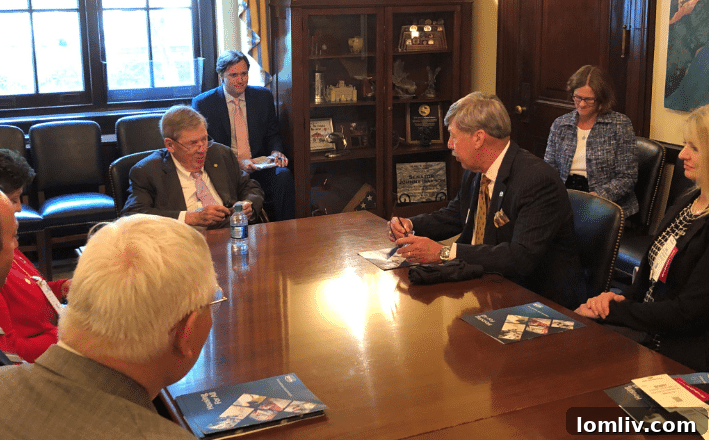
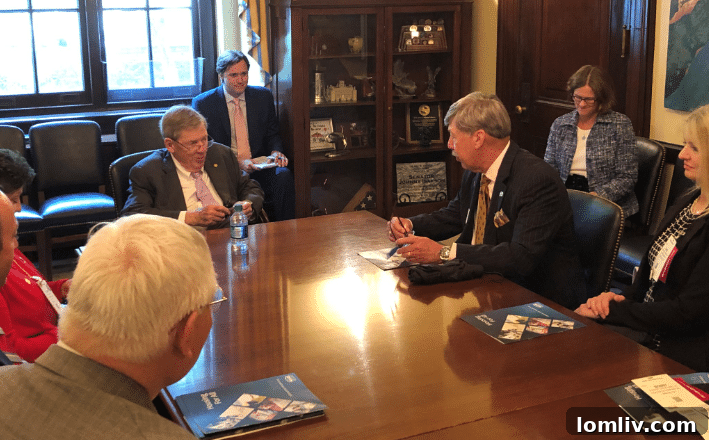
The NAHB’s annual Legislative Conference on Capitol Hill, as depicted by the gathering of nearly 700 builders, serves as a vital platform for direct engagement with lawmakers. This concerted effort underscores the commitment of the residential construction industry to be part of the solution to America’s housing challenges.
Policy Solutions for Sustainable Housing
NAHB’s advocacy focuses on several key policy areas designed to promote more affordable and accessible housing. These include:
- Regulatory Reform: Advocating for a comprehensive review and reform of federal, state, and local regulations that add unnecessary costs and delays to construction. This includes pushing for streamlined permitting processes and the re-evaluation of impact fees.
- Workforce Development: Supporting initiatives that invest in vocational training, apprenticeships, and educational programs to cultivate a new generation of skilled tradespeople, thereby alleviating the persistent labor shortage.
- Material Cost Relief: Urging policymakers to address tariffs on building materials that inflate construction costs, seeking measures that stabilize the supply chain and reduce input expenses for builders.
- Accessible Housing Finance: Working to ensure that housing finance policies support a broad range of homebuyers, including first-time buyers, by maintaining access to affordable mortgage products and reasonable lending standards.
The Long-Term Vision for Homeownership
The ultimate goal of NAHB and the residential construction community is to foster an environment where every American family has the opportunity to achieve the dream of homeownership. Homeownership is not merely a financial transaction; it is a cornerstone of individual wealth accumulation, community stability, and the American dream. It provides families with a sense of security, fosters civic engagement, and contributes significantly to the broader economy through property taxes, home improvement spending, and job creation. By addressing the root causes of housing affordability challenges through thoughtful policy, industry innovation, and collaborative action, the nation can build a more robust and equitable housing market for generations to come.
The call to action from home builders is clear: a concerted effort from policymakers, industry stakeholders, and communities is essential to remove barriers, manage costs, and create a future where quality, affordable housing is within reach for all hard-working families across the United States.