Unlocking Hope: The Cottages at Hickory Crossing and Dallas’s Path to Ending Homelessness
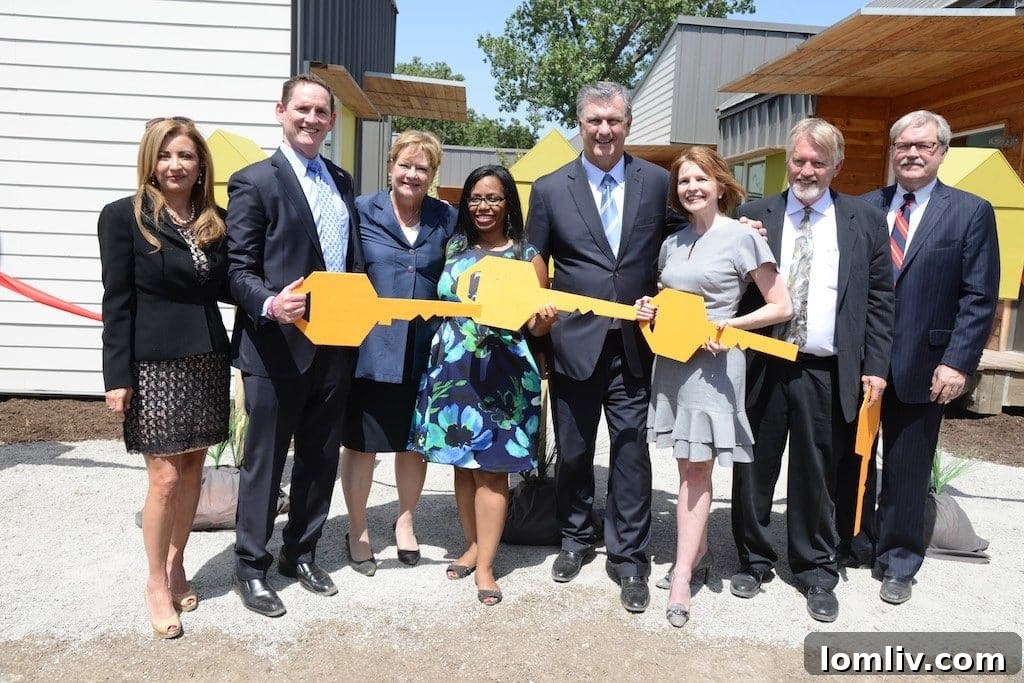
In a powerful statement that resonates with profound simplicity, Mayor Mike Rawlings declared, “The answer to homelessness is homes,” during the recent unlocking ceremony for The Cottages at Hickory Crossing. While the sentiment appears straightforward, the journey to implement such a solution in a city like Dallas is, in reality, incredibly complex and multifaceted. This pivotal project represents a significant stride forward in addressing one of the city’s most pressing social challenges.
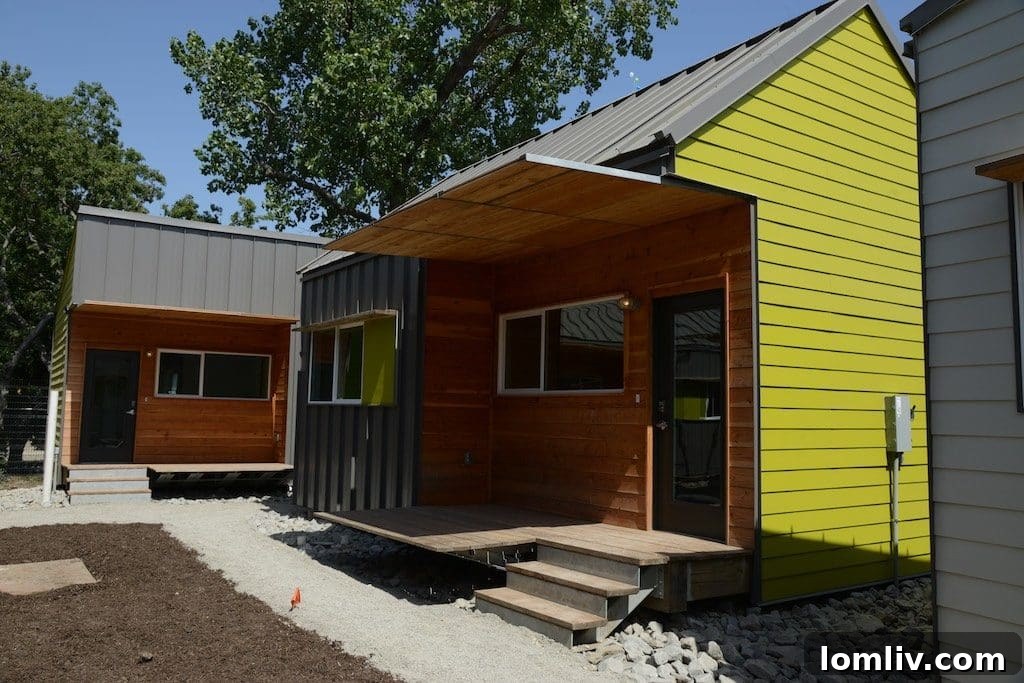
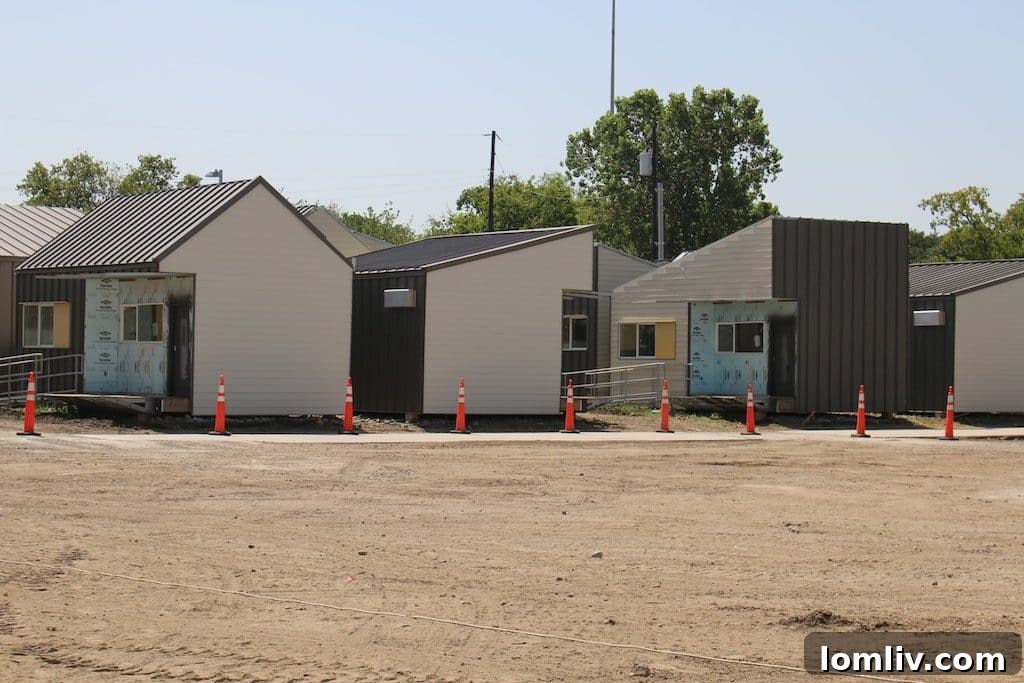
The Cottages at Hickory Crossing are heralded as a groundbreaking “first-of-its-kind housing community” in Texas. Designed to provide 50 thoughtfully constructed tiny homes, this innovative development aims to offer stable shelter and comprehensive support to some of Dallas’s most vulnerable residents: the chronically homeless. This ambitious undertaking seeks not only to put roofs over heads but also to foster a supportive environment conducive to long-term stability and well-being. A closer examination of this community reveals both its immense potential and the crucial questions it raises about the future of affordable housing solutions.
Understanding the Diverse Faces of Homelessness in Dallas
The notion that “any of us could become homeless” is a stark and sobering thought, yet it holds a profound truth. Spending time with the growing homeless population in Dallas reveals a reality far more nuanced than common stereotypes suggest. Beyond individuals struggling with mental illness, addiction, or those who resist societal norms, countless people on Dallas’s streets never imagined such a fate. These include survivors of domestic abuse, individuals who lost everything after devastating medical emergencies, and seniors navigating the complexities of exorbitant rents in a booming city without access to public housing resources. Their stories underscore the fragile line between stability and despair, a line many are often forced to cross through no fault of their own.
My own perspective on the homeless population shifted dramatically after becoming involved with Shared Housing. What once felt like a distant issue, populated by “these people have nothing in common with me,” transformed into a deeply personal realization: “this could be me.” This empathy is crucial for developing truly effective, compassionate solutions.
CitySquare: A Beacon of Hope in Dallas’s Fight Against Poverty
Dallas is fortunate to host a multitude of remarkable non-profit organizations dedicated to serving its vulnerable populations. However, the chronically homeless often remain the most challenging to reach, frequently falling through the cracks of conventional aid systems. A true standout among these organizations is CitySquare, a group whose tireless efforts continually impress. Their mission is as ambitious as it is essential: to combat the root causes and enduring effects of poverty through a powerful blend of service, advocacy, and genuine friendship, ultimately aiming to redirect the life trajectories of countless individuals. Through their unwavering commitment, CitySquare exemplifies the profound impact that dedicated community action can achieve.
CitySquare took the formidable lead in conceptualizing and fundraising for The Cottages at Hickory Crossing, securing millions of dollars to transform a vision into a tangible reality. After years of meticulous thought, passionate dreaming, strategic planning, and fervent prayer, the community officially opened its doors. This milestone means that 50 of Dallas’s chronically homeless individuals will finally experience the dignity and stability of having a place to call their own, marking a pivotal moment in the city’s approach to homelessness.
The “Housing First” Philosophy and Its Cost Implications
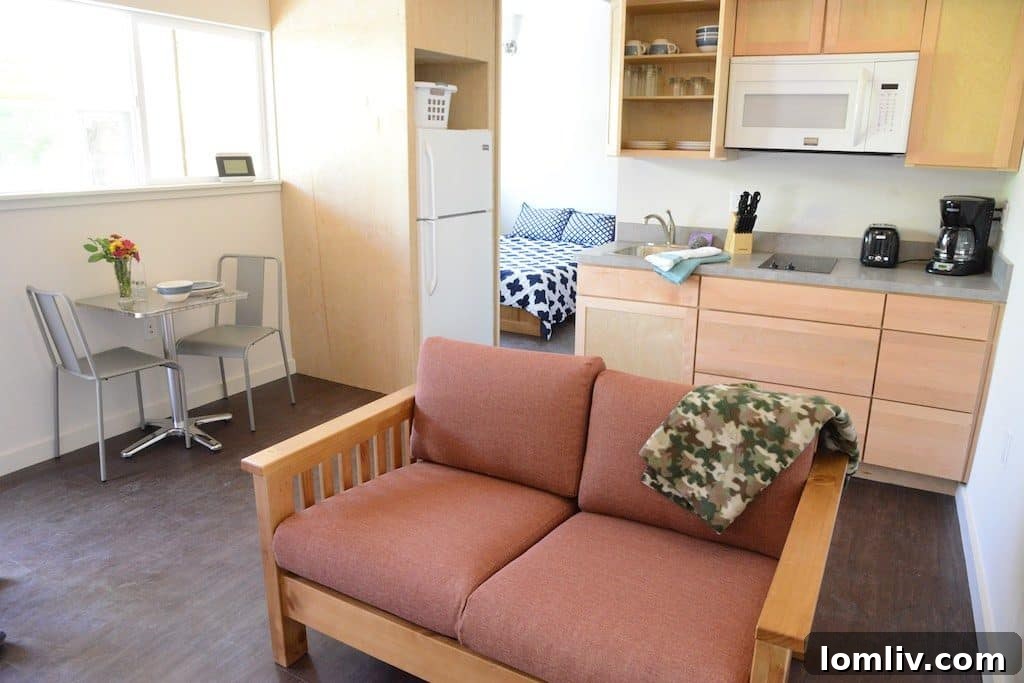
This remarkable $6.8 million project stands as Texas’s premier example of the “Housing First” philosophy in action. This globally recognized model prioritizes providing immediate, permanent housing to homeless individuals, without preconditions like sobriety or participation in treatment, believing that stable housing is the foundation for all other forms of recovery and support. Beyond offering residents their own secure homes, The Cottages at Hickory Crossing are uniquely designed to provide comprehensive on-site access to vital mental and medical healthcare services, alongside crucial social support programs. This integrated approach acknowledges that stable housing is just one component of a holistic solution to chronic homelessness.
Breaking down the project’s costs reveals some interesting figures. With 50 homes forming The Cottages at Hickory Crossing, the total cost translates to $136,000 per 400-square-foot residence. When inquiring about the specific build cost for each individual home, the quoted figure was $63,000, which calculates to over $157 per square foot. For context, Zillow reports the median list price per square foot in the Dallas-Fort Worth Metroplex to be approximately $120. While we wholeheartedly commend and support the mission and impact of The Cottages at Hickory Crossing, the discrepancy in building costs prompts an important question: is there a more cost-effective, scalable solution for constructing these essential homes?
Exploring Innovative Construction: The Potential of Manufactured Housing
The concept for The Cottages at Hickory Crossing originated over a decade ago, with initial hopes for resident move-ins last October. Now, the projected timeline suggests keys will be handed over to the first residents in a few weeks, or potentially by October. This extended timeline underscores the complexities inherent in traditional construction projects, especially those involving public and non-profit funding.
To put this in perspective, consider the efficiency of the manufactured housing industry. A year ago, Clayton Homes – one of the largest home builders in the U.S., specializing in factory-built homes – visited Dallas for a tiny house show. Keith Holdbrooks, President of the Clayton home building group, was impressed but recognized the potential for even greater efficiency through factory-built construction. Just four months later, they partnered with a top U.S. architect, and within another month, had unveiled a cutting-edge tiny home. While this particular model might not perfectly fit the design ethos of Hickory Crossing, it powerfully illustrates the speed, precision, and innovation that manufactured housing companies can bring to making housing dreams a rapid reality. This type of construction offers unparalleled quality control within a climate-controlled factory environment, minimizing delays caused by weather or site-specific challenges.
Further insights into this potential solution come from Joe Stegmayer, CEO of Cavco Industries and former president of the Manufactured Housing Institute. His company, with a major division like Palm Harbor Homes headquartered in Dallas, has extensive experience in efficient home production. When asked if Cavco could construct comparable homes to those at Hickory Crossing, Stegmayer confidently affirmed they could – likely for about 40 percent less cost, significantly faster, and with superior energy efficiency. This potential for substantial savings and quicker deployment warrants serious consideration. If the fundamental answer to homelessness is truly homes, then why are we not more aggressively exploring and embracing this proven, high-quality form of construction in Dallas?
Moving Forward: Beyond the Cottages
The issue of homelessness in Dallas is a multifaceted challenge that demands our collective attention and innovative solutions. It’s a crisis none of us can afford to overlook, requiring us to think beyond traditional approaches and explore every viable option to bring people off the streets and into safe, stable environments. The Cottages at Hickory Crossing represent an admirable and vital first step, a shining example of compassionate community action and the “Housing First” philosophy’s potential.
However, this success also compels us to ask: where do we go from here? How can Dallas leverage the lessons learned from this project, particularly regarding efficiency and cost-effectiveness? The insights from the manufactured housing sector suggest a promising avenue for scaling these vital housing solutions, potentially allowing us to serve even more individuals faster and within budget. As Dallas continues its efforts to combat homelessness, a commitment to exploring all innovative construction methods, alongside robust support services, will be paramount. Only through continued collaboration, innovation, and a willingness to challenge conventional thinking can we truly aspire to a future where every Dallas resident has a place to call home.