
Prioritizing Realtor Safety: Essential Preparedness for Dallas-Fort Worth Agents
In the dynamic world of real estate, no two days are ever truly alike. One moment you might be showcasing a charming suburban home, the next you’re navigating an unfamiliar part of town to meet a new client. While the thrill of closing deals and staying abreast of market trends often dominates conversations, there’s a crucial, yet frequently overlooked, aspect of the profession: the personal safety of real estate agents. For realtors in bustling markets like Dallas-Fort Worth, understanding and implementing robust safety protocols isn’t just a recommendation—it’s an absolute necessity. Drawing inspiration from regions like Calgary, where real estate professionals are actively enhancing their safety measures with vital training, there’s an undeniable opportunity for Dallas-Fort Worth agents to elevate their own preparedness and peace of mind.
The Undeniable Importance of Safety in Real Estate
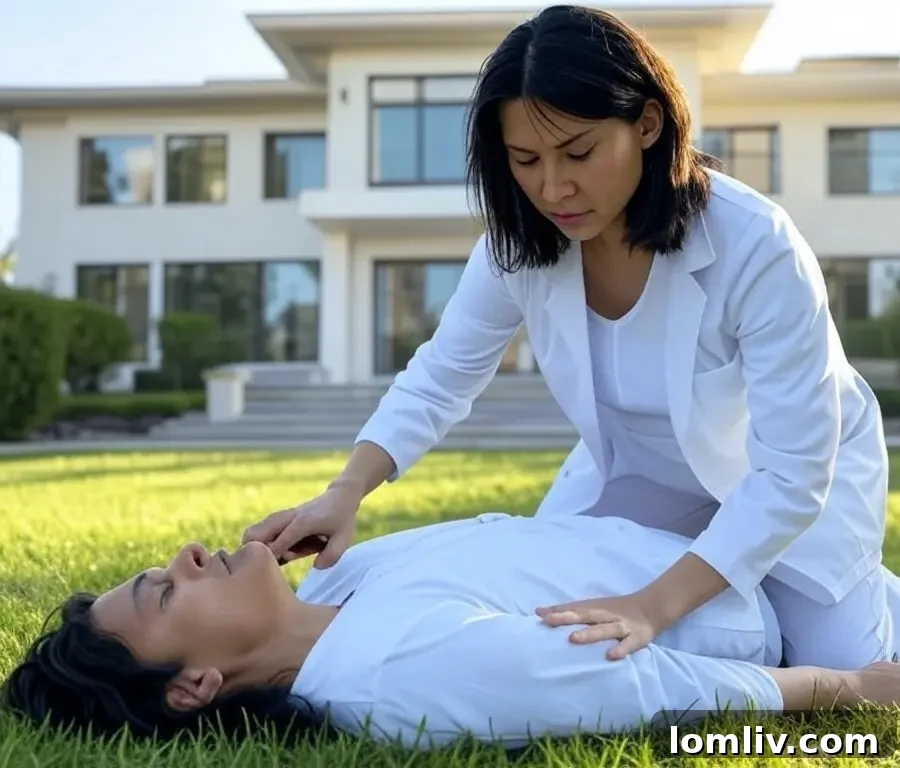
Unlike traditional office-based roles, the real estate profession inherently involves unique risks. Real estate agents frequently work alone, venturing into empty properties and meeting strangers in diverse and sometimes isolated locations. This autonomy, while empowering, also exposes agents to a spectrum of potential hazards. These can range from common mishaps like tripping over an unseen step or navigating poorly lit basements to more serious concerns such as encountering an overly aggressive client or being in a vulnerable situation.
Consider a scenario: you’re giving a private showing, and suddenly a client experiences a medical emergency—a sudden fall, a severe allergic reaction, or even a heart attack. Would you possess the immediate knowledge and skills to provide critical assistance before professional help arrives? This is precisely why having a comprehensive plan for personal safety and emergency response is paramount. In places like Calgary, proactive first aid training has become a standard practice, equipping agents to confidently manage situations ranging from minor scrapes to life-threatening health crises. This foresight not only protects the agent but also demonstrates a high level of professionalism and care towards clients, enhancing trust and safeguarding all parties involved.
Embracing Calgary’s Exemplary First Aid Training Standards

The commitment to emergency preparedness among real estate professionals in Calgary offers a powerful blueprint for other markets, including the vibrant Dallas-Fort Worth area. Their robust first aid training programs cover a wide array of critical skills, from fundamental Cardiopulmonary Resuscitation (CPR) techniques to effective strategies for managing severe bleeding, fractures, burns, choking incidents, and even responding to sudden illnesses like strokes or diabetic emergencies. This comprehensive approach ensures that agents are not just observers in a crisis but active, capable first responders.
Such training goes beyond mere compliance; it instills confidence, reduces panic in stressful situations, and can significantly improve outcomes during an emergency. By learning how to assess a situation, provide immediate care, and effectively communicate with emergency services, realtors become invaluable assets not only to themselves but also to their clients and the wider community. Adopting similar proactive measures in Dallas-Fort Worth would mark a significant step towards a safer, more professional real estate environment, fostering a culture where agent well-being is as prioritized as market success.
Comprehensive Safety Tips for Every Real Estate Agent
Ensuring personal safety in the real estate industry requires a multi-faceted approach. Beyond reactive measures, proactive strategies are key to mitigating risks and fostering a secure work environment. Here are essential safety tips for real estate agents in Dallas-Fort Worth and beyond:
- Prioritize First Aid and CPR Certification: Investing time in a certified first aid and CPR course is arguably one of the most impactful safety decisions a realtor can make. These courses equip you with life-saving skills, empowering you to respond effectively to medical emergencies involving yourself or your clients. Beyond CPR, you’ll learn how to manage choking, severe bleeding, burns, shock, allergic reactions, and even recognize symptoms of heart attacks or strokes. This certification not only boosts your confidence but also showcases a high level of professionalism and responsibility, potentially making you a more attractive choice for clients who prioritize safety. Look for local training providers offering accredited programs that align with national standards.
- Always Carry a Well-Stocked First Aid Kit: A readily accessible first aid kit is an indispensable tool for any real estate agent. Whether it’s stored in your car, your office, or a portable bag you carry to showings, ensure it contains essentials like bandages, antiseptic wipes, gauze pads, medical tape, pain relievers, allergy medication, hand sanitizer, a CPR mask, and essential emergency contact information. Regularly check its contents and expiration dates to ensure everything is usable when needed. This simple measure can address minor injuries promptly and provide crucial interim care for more serious incidents.
- Leverage Real Estate Agent Safety Apps: Technology offers powerful solutions for enhancing personal safety. Apps like SafeShowings or Forewarn are specifically designed for real estate professionals. SafeShowings allows you to quickly check in before and after appointments, automatically alerting your designated contacts if you fail to check out within a specific timeframe. Forewarn provides instant client verification, allowing you to screen potential clients by checking public records for criminal history, bankruptcies, and other relevant information. Integrating these tools into your daily routine provides an extra layer of security and peace of mind, ensuring someone always knows your whereabouts and who you’re with.
- Opt for Public First Meetings Whenever Possible: When scheduling initial meetings with new clients, always suggest a public location, such as a coffee shop, your office, or a bustling lobby. This neutral territory provides a safe and relaxed environment for both parties, allowing you to gauge the client’s demeanor before committing to a private showing. It minimizes potential risks associated with meeting strangers directly at a vacant property and establishes a professional boundary from the outset. If a client insists on meeting at a property for the first time, consider bringing a colleague or informing your broker of the exact details.
- Develop a Robust Client Vetting Process: Before meeting any client, especially for the first time, make it a standard practice to vet them thoroughly. This can include requesting their full name, phone number, and email address, and cross-referencing this information with public records if possible (using tools like Forewarn, as mentioned). If working with a buyer, inquire about their pre-approval status. While most clients are legitimate, a simple vetting process can help identify potential red flags and ensure you are meeting with serious and safe prospects.
- Always Share Your Itinerary: Make it a non-negotiable rule to inform a trusted colleague, your broker, or a family member about your schedule. Provide details such as the client’s name, contact information, the property address, and the expected duration of the showing. Establish a check-in system, where you confirm your arrival and departure. This simple yet effective practice ensures that if something were to go amiss, someone would know where you are and could initiate an alert.
- Trust Your Instincts Without Hesitation: Your gut feeling is a powerful safety tool. If a situation, a client’s behavior, or a property doesn’t feel right, trust that inner voice. It’s always better to reschedule, bring a colleague along, or even politely decline an appointment than to dismiss a feeling of unease and put yourself at risk. Your safety is non-negotiable, and no deal is worth compromising it. Always prioritize your well-being over potential commission.
- Pre-Tour Properties for Potential Hazards: Before any showing, arrive early to conduct a quick safety sweep of the property. Identify potential tripping hazards, ensure adequate lighting, check that all doors and windows are secure (or appropriately unlocked for access), and note all possible exits. Being familiar with the layout and any quirks of the property will allow you to navigate confidently and react quickly if an unexpected situation arises.
- Consider Basic Self-Defense Training: While not a replacement for preventative measures, basic self-defense training can empower agents with essential skills and boost confidence. Knowing fundamental techniques can provide a critical advantage in an extreme situation, offering a last line of defense. Many local community centers or martial arts studios offer self-defense classes tailored for professionals.
- Maintain Vehicle Safety and Awareness: Your vehicle is often your mobile office and means of escape. Keep it well-maintained, with a full tank of gas and a charged phone. Always park in a way that allows for a quick and unobstructed exit, especially when showing properties in unfamiliar or secluded areas. Avoid parking in isolated spots or where your view of the property exit might be blocked.
Bringing Enhanced Safety to Dallas-Fort Worth Real Estate
Just as Calgary has championed agent safety, the Dallas-Fort Worth real estate community has the opportunity—and responsibility—to make safety a cornerstone of its professional practice. This initiative can be spearheaded by local real estate boards, associations, and individual brokerage firms. By organizing and promoting safety workshops, partnering with certified local first aid and self-defense training providers, and integrating safety protocols into standard operating procedures, we can cultivate a safer environment for all agents. Public safety initiatives in Dallas already demonstrate a commitment to community well-being, and extending this focus to the real estate sector is a natural and necessary progression.
Brokers play a vital role in fostering this culture. By providing resources, advocating for training, and leading by example, they can empower their agents to prioritize their personal safety without fear of impacting their professional opportunities. Encouraging peer support systems, where agents regularly check in with one another, also strengthens the collective safety net. Ultimately, a safer environment benefits everyone: agents feel more secure, clients receive more professional and confident service, and the reputation of the Dallas-Fort Worth real estate market is further elevated.
Safety: A Non-Negotiable Priority for Every Agent
Regardless of where homes are bought or sold, the safety and well-being of real estate agents must remain an unwavering priority. The unpredictable nature of the job, combined with the personal interactions it demands, necessitates a proactive and comprehensive approach to risk management. By taking valuable lessons from regions like Calgary, with their strong commitment to first aid training and comprehensive safety protocols, we can significantly enhance protection for ourselves and our clients here in Dallas-Fort Worth. Implementing these measures ensures not only the smooth facilitation of property sales but also, and more importantly, the invaluable peace of mind that comes with knowing you are prepared for whatever challenges the day may bring. A focus on safety is not just good practice; it’s a testament to the professionalism and integrity of the entire real estate industry.