As the crisp air of autumn gives way to the biting chill of winter, many homeowners begin to prepare for the colder months ahead. A reliable heating system isn’t just a luxury; it’s an absolute necessity for comfort, safety, and peace of mind. Without proper preparation, your heating and cooling systems can struggle against extreme temperatures, leading to sky-high energy bills, uncomfortable living spaces, or even a complete system breakdown when you need it most. Proactive maintenance is your best defense against winter’s harsh realities, preventing costly emergency repairs and ensuring your home remains a warm, inviting sanctuary.
This comprehensive guide will walk you through essential steps to optimize your heating system’s performance, enhance energy efficiency, and extend its lifespan. From professional inspections to simple DIY tasks, these tips are designed to keep your home comfortably warm, save you money, and ensure your heating system runs smoothly all season long.
Schedule a Professional HVAC Inspection for Peak Performance

When was the last time a certified HVAC professional thoroughly inspected your heater or furnace? If you’re pondering this question or have found yourself searching for “heater repair near me,” it’s a clear indicator that it’s time for a professional check-up. A routine maintenance visit, ideally scheduled in early fall before the temperatures plummet, is the most crucial step you can take to prepare your heating system for winter. Licensed technicians possess the expertise to identify minor issues before they escalate into major, expensive breakdowns, especially critical during sub-zero conditions.
During a comprehensive inspection, the technician will perform a series of vital checks and adjustments. This includes inspecting burners, igniters, heat exchangers, and electrical connections for wear or damage. They will clean essential components, lubricate moving parts, and test all safety controls, including carbon monoxide detectors and limit switches, to ensure they are functioning correctly. For heat pumps, refrigerant levels and outdoor coil conditions will also be assessed. This meticulous attention to detail ensures your heating unit operates at peak efficiency, reduces energy consumption, and extends its overall lifespan. Beyond efficiency and longevity, professional inspections are vital for your household’s safety, identifying potential hazards like gas leaks or carbon monoxide emissions that could otherwise go unnoticed. Investing in preventative maintenance not only provides peace of mind but can also be a requirement for maintaining your system’s warranty, making it a wise financial decision.
Replace or Clean Air Filters Regularly for Optimal Airflow
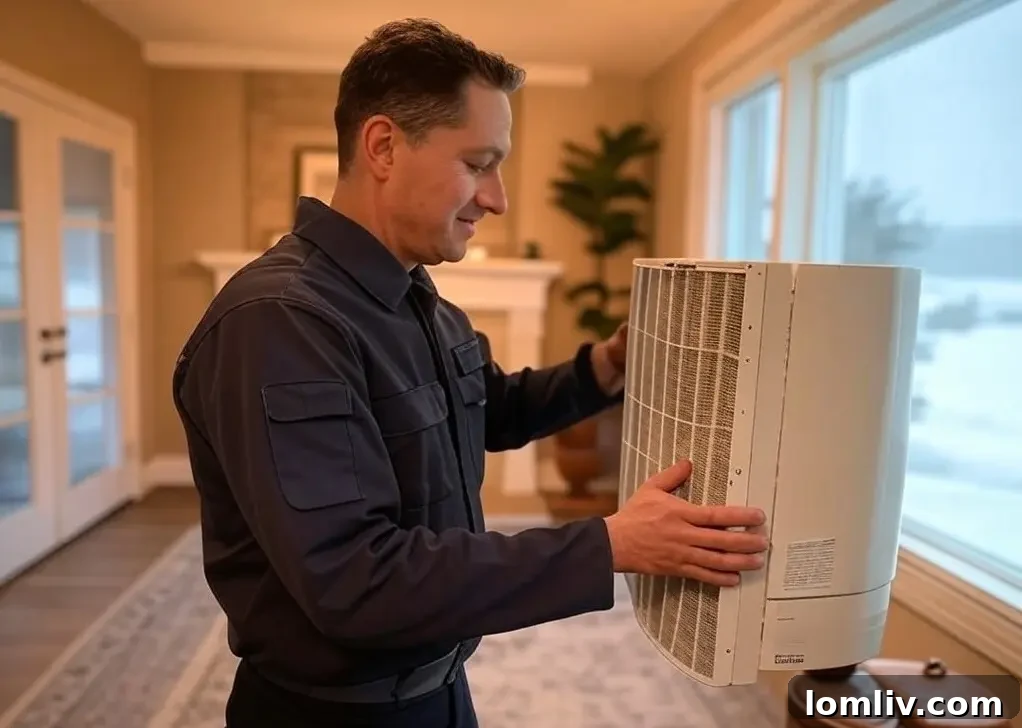
Clogged air filters are arguably one of the most common yet overlooked culprits behind poor heating performance and higher energy bills. When a filter becomes laden with dust, dirt, pet dander, and other airborne particles, it restricts airflow to your furnace or heat pump. This forces your heating system to work significantly harder to draw air and distribute warmth throughout your home, leading to increased energy consumption, unnecessary wear and tear on components, and ultimately, a shortened equipment lifespan. Furthermore, a dirty filter compromises indoor air quality by recirculating allergens and pollutants, which can exacerbate respiratory issues for household members.
To maintain optimal system efficiency and healthy indoor air, it is recommended to replace or clean your air filters every 30 to 90 days. Homes with pets, smokers, or residents with allergies may require more frequent changes, sometimes as often as monthly. Most filters slide out easily, allowing for a quick replacement. For reusable filters, follow the manufacturer’s instructions for cleaning. Understanding MERV (Minimum Efficiency Reporting Value) ratings can also help you choose the right filter for your needs, balancing filtration quality with airflow capacity. A clean filter not only ensures efficient operation but also significantly improves the quality of the air you breathe, preventing your system from overworking itself and circulating harmful particles.
Seal Leaks and Enhance Home Insulation

Are you feeling drafts near windows or doors, even when they’re closed? This sensation indicates that precious warm air, generated by your heating system, is escaping your home, and cold air is seeping in. This phenomenon, known as air leakage, forces your heater to work harder and longer to maintain your desired temperature, directly translating into noticeably higher utility bills and inconsistent heating throughout your living spaces. Heat loss isn’t limited to windows and doors; it can also occur through unsealed gaps around electrical outlets, plumbing penetrations, and poorly insulated attics or crawl spaces.
To combat this energy drain, conduct a thorough inspection of your home for any cracks or gaps. Seal these openings with weatherstripping for movable components like windows and doors, and caulk for stationary gaps and cracks. Pay particular attention to the attic, which is often a major source of heat loss due to inadequate insulation. Adding or upgrading insulation in your attic, walls, and floors can create a powerful thermal barrier, significantly reducing heat transfer and keeping the warmth where it belongs – inside your home. Properly sealing and insulating your home can drastically reduce the workload on your heating system, leading to substantial energy savings and a more uniformly comfortable indoor environment. Consider having a professional energy audit performed to pinpoint specific areas of heat loss and receive tailored recommendations for improvement, maximizing your home’s energy efficiency.
Optimize Thermostat Settings for Energy Efficiency and Comfort
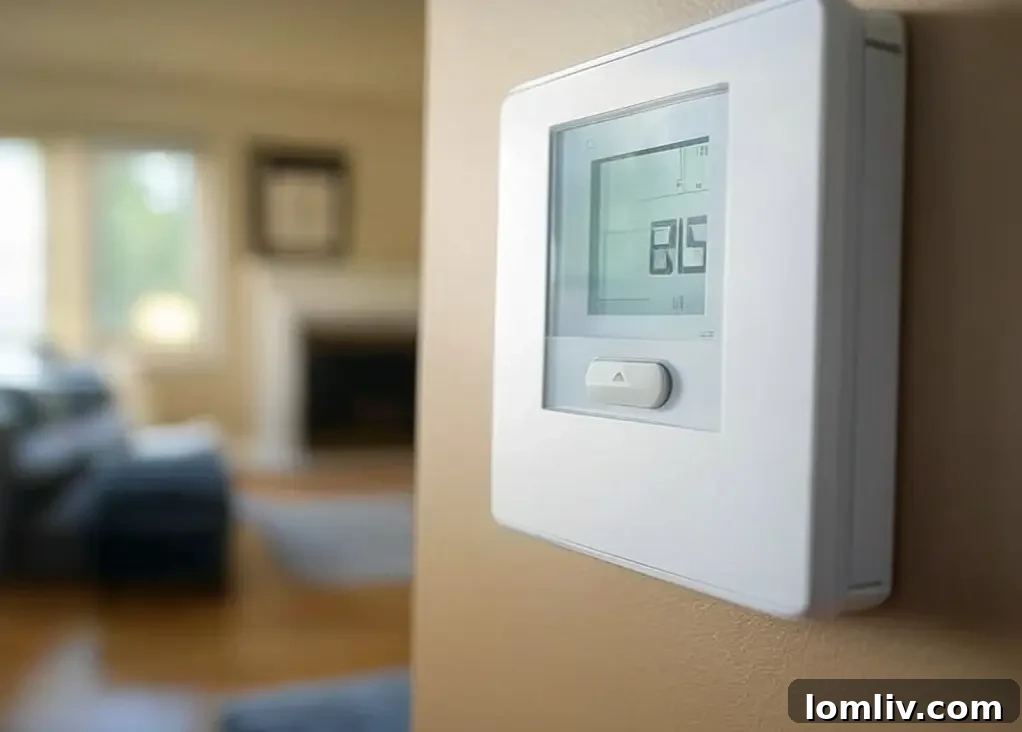
Your thermostat acts as the brain of your heating system, and how you program it can significantly impact both your comfort and your energy consumption. Setting the temperature too high can lead to your heating system operating excessively, wasting energy and inflating your bills. Conversely, setting it too low leaves you shivering and uncomfortable. The goal is to find a balance – a moderate temperature that keeps your home cozy without unnecessary energy expenditure. The U.S. Department of Energy suggests setting your thermostat to 68°F (20°C) during the day when you’re home and lowering it by 7-10°F (4-6°C) at night or when you’re away to save energy.
If you’re still using an old manual thermostat, now is an excellent time to consider upgrading to a programmable or smart thermostat. These advanced devices offer unparalleled control and convenience. Programmable thermostats allow you to set different temperatures for various times of the day or week, aligning with your schedule. Smart thermostats go a step further, learning your habits, offering remote access via smartphone apps, providing energy usage reports, and even integrating with other smart home devices. Features like geofencing (adjusting temperature based on your proximity to home) and weather responsiveness can further optimize energy savings. By strategically managing your thermostat settings, you can enjoy consistent warmth, reduce your carbon footprint, and significantly lower your heating costs without sacrificing comfort.
Keep Vents and Ducts Clear for Even Heat Distribution
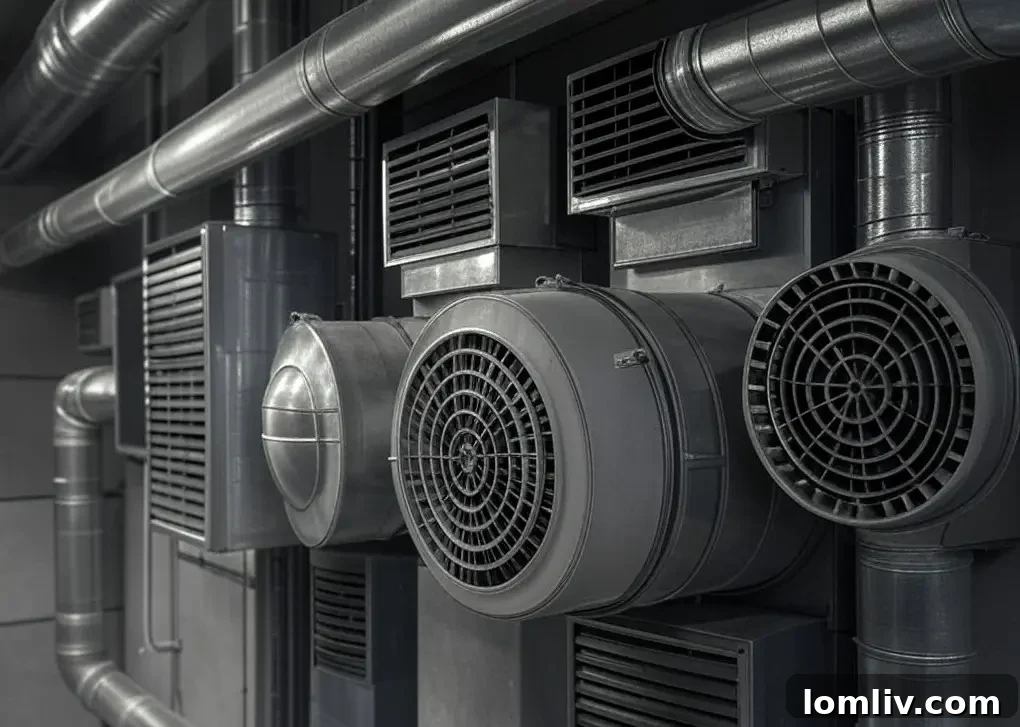
The efficient distribution of warm air throughout your home is critical for maintaining consistent temperatures and maximizing your heating system’s effectiveness. Blocked vents are like literal roadblocks for warm air, preventing it from reaching certain areas and leading to uneven heating. Common culprits include furniture, rugs, or curtains inadvertently covering supply and return registers. Beyond visible obstructions, dust and debris can accumulate inside the vents themselves, further impeding airflow. Furthermore, issues within your ductwork, such as leaks, kinks, or significant blockages, can also severely compromise your system’s ability to deliver heat.
Make it a habit to regularly inspect and clean your home’s vents. Use a vacuum cleaner attachment to remove dust and debris from the grates and within the duct opening. Ensure that no furniture, draperies, or other items are obstructing airflow from any supply or return registers. For the ductwork itself, a professional inspection is recommended, especially if you suspect leaks or significant internal blockages. Duct sealing can dramatically improve efficiency by preventing conditioned air from escaping into unconditioned spaces like attics or crawl spaces. Clear airflow not only optimizes heating efficiency and ensures every room receives adequate warmth but also contributes to better indoor air quality by reducing the circulation of dust and allergens. Taking these steps helps your system work smarter, not harder, leading to a more comfortable home and lower energy bills.
Additional Tips for a Warm and Worry-Free Winter
Beyond the core maintenance tips, several other practices can help you maintain comfort and safety during the colder months:
- Check Carbon Monoxide Detectors: Ensure your carbon monoxide detectors are functioning correctly. Replace batteries annually and test them monthly. This is crucial for safety, especially with gas-fueled heating systems.
- Clean Radiators and Baseboard Heaters: If your home uses these systems, ensure they are free of dust, debris, and obstructions. Clear pathways allow heat to radiate effectively into the room.
- Ensure Proper Humidity Levels: Winter air tends to be very dry, which can make your home feel colder and cause static electricity or dry skin. A humidifier can help maintain optimal indoor humidity (between 30-50%), making your home feel warmer and more comfortable.
- Use Curtains and Blinds Strategically: On sunny winter days, open curtains and blinds to allow natural sunlight to warm your home. Close them at night to add an extra layer of insulation against cold windows.
- Clear Around Outdoor Unit (for Heat Pumps): If you have a heat pump, ensure the outdoor unit is clear of snow, ice, leaves, and other debris. Proper airflow around the unit is essential for its efficient operation.
- Prepare for Power Outages: Keep an emergency kit ready with blankets, flashlights, and non-perishable food in case of a winter power outage that could affect your heating system.
Stay Warm Without Worry: Your Winter Heating Checklist

Getting your heating system ready for extreme cold doesn’t have to be an overwhelming task. By following these comprehensive maintenance steps, you’re not just preparing your furnace or heat pump; you’re investing in your home’s comfort, your family’s safety, and significant savings on your energy bills. Proactive care ensures that your heating system is efficient, reliable, and ready to tackle whatever winter throws its way.
Should any unexpected issues arise, a quick and convenient search for ‘heater repair near me‘ will connect you with qualified professionals who can diagnose and fix problems swiftly. Don’t wait until the first deep freeze to discover your system isn’t up to the task. Take these preventative measures now, and you can look forward to a warm, cozy, and worry-free winter season.