
For many homeowners, the garage is often an overlooked space, relegated to just parking the car or storing seasonal items. However, a well-designed and properly built garage can be one of the most versatile and valuable additions to your home. It’s far more than just a place for your vehicle; it’s an extension of your living space, offering incredible potential for organization, hobbies, and even increasing your property’s overall value.
Imagine a space where you can finally set up that small workshop you’ve always wanted, efficiently organize all your tools and outdoor gear, or have a dedicated spot for bikes, sports equipment, and storage boxes that currently clutter your living areas. With thoughtful planning, the right layout, and quality materials, your garage can seamlessly accommodate all these needs while still providing ample room for your car. This strategic approach transforms an ordinary structure into a functional powerhouse that genuinely enhances your daily life.
Beyond its immediate utility, a robust garage is a long-term investment. It’s built to withstand daily wear and tear, protect your assets from harsh weather conditions, and endure whatever projects or activities you throw its way. Furthermore, from a real estate perspective, a solid, well-planned garage is a highly attractive feature for prospective buyers, making your property stand out in a competitive market.
Key Factors for Building a Functional and Valuable Garage
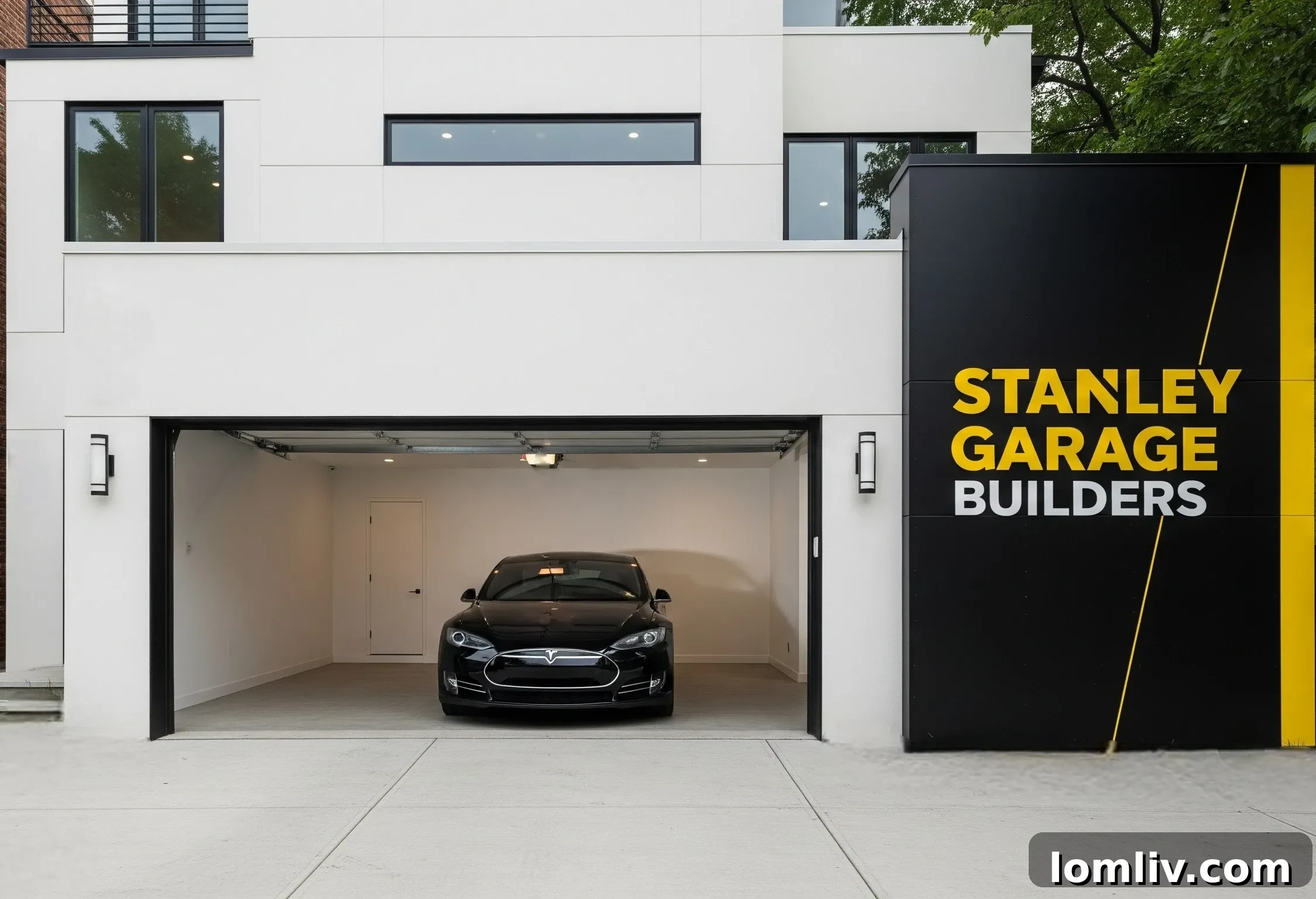
Embarking on a garage construction project requires careful consideration and thorough planning. A comprehensive plan is the cornerstone of a successful build, ensuring efficiency, cost savings, and a final result that perfectly aligns with your lifestyle and needs. Before breaking ground, take the time to evaluate these critical factors:
- Size and Dimensions: Tailoring Space to Your Lifestyle
Determining the ideal size of your garage goes far beyond merely fitting your car. Envision how you’ll truly utilize this space. Do you need room for a single vehicle, or will it house two cars, perhaps even a boat or RV? Consider additional functions: storing bikes, motorcycles, ATVs, gardening tools, or camping gear. Will you incorporate a dedicated workshop, a home gym, a laundry area, or even a mudroom entry? If your current home feels cramped, building a slightly larger garage now can prevent future space limitations, offering valuable flexibility for evolving needs. Carefully plan for ceiling height as well, especially if you anticipate adding overhead storage, a car lift, or accommodating taller vehicles. - Budgeting and Costs: Understanding Your Investment
Garage construction costs can escalate quickly if not managed proactively. Your budget should encompass all aspects, from initial design to final finishes. Key expenses include materials (framing, roofing, siding), labor, necessary permits and inspections, and utility hookups (electrical for lighting, outlets, garage door openers, and potentially plumbing for a utility sink or bathroom). Always allocate a contingency fund, typically 10-15% of the total budget, to cover unforeseen expenses or desired upgrades that may arise during the building process. Investing in quality components from the outset can often save money on maintenance and repairs down the line. - Foundation and Site Preparation: The Unseen Strength
A garage’s longevity and structural integrity depend heavily on a robust foundation. Proper site preparation is paramount. This involves grading the land to ensure adequate drainage away from the structure and addressing any uneven or soft ground conditions. Skipping essential site prep can lead to significant structural problems over time, such as shifting walls, cracked floors, and compromised stability. Work with a contractor who thoroughly understands local soil conditions and construction codes to design and pour a foundation that will reliably support your new garage for decades. Common foundation types include slab-on-grade, which is often cost-effective, or a stem wall foundation, providing a raised floor. - Material Selection: Durability, Aesthetics, and Maintenance
The materials you choose for your garage will impact its appearance, durability, and long-term maintenance requirements. Wood framing offers classic aesthetics and excellent customization options, but it typically requires more upkeep, such as painting or staining. Steel construction provides superior strength, fire resistance, and minimal maintenance, making it a durable choice. Vinyl siding is popular for its low-maintenance properties and resistance to rot and pests. Concrete is the go-to for floors, offering exceptional stability and resistance to heavy loads. When making selections, consider your local climate (extreme heat, cold, humidity, snow load), how well the materials integrate with your existing home’s architecture, and your desired aesthetic. Consulting with a local builder can provide valuable insights into the best choices for your specific environment.
Enhancing Your Garage with Popular Features

Once the foundational elements and overall structure of your garage are planned, the next exciting phase involves conceptualizing how you’ll truly use and enjoy the space. Integrating the right features can elevate a simple structure into one of the most functional, efficient, and enjoyable areas of your entire home.
- Built-In Storage That Works for You: Maximizing Every Inch
Garages notoriously become cluttered rapidly. Tools scattered, bikes leaning precariously, and boxes piled high can quickly make the space unusable. Thoughtfully designed built-in storage solutions are key to maintaining order. Consider a combination of sturdy wall-mounted shelving for easy access, enclosed cabinets to keep items dust-free and out of sight, and specialized racks for bikes or sports equipment. A pegboard or slatwall system offers incredible versatility for hanging frequently used tools and supplies. Critically, maximize vertical space from floor to ceiling to keep items off the ground, freeing up valuable floor area for vehicles or activities. With everything having a designated home, you’ll no longer waste time searching for items or constantly stepping over gear. - Dedicated Workspaces and Benches: Unleashing Your DIY Potential
For DIY enthusiasts, crafters, or anyone who enjoys tinkering, a robust workbench is an absolute game-changer. Design your workspace with practicality in mind, including durable countertops, ample built-in drawers, and cabinets directly beneath or adjacent to the bench for convenient tool and supply storage. Illumination is vital; incorporate focused task lighting directly over the workbench to ensure clear visibility for detailed projects, complemented by general ambient lighting. Ensure a generous supply of electrical outlets along the workbench area, potentially including dedicated 240V outlets for heavy-duty power tools, so everything is powered and within easy reach. Adequate ventilation should also be considered, especially if you plan on using paints, glues, or working with sawdust. - Energy Efficiency: Comfort and Cost Savings
Integrating energy-efficient elements into your garage design might not be the most glamorous aspect, but it yields significant long-term benefits. Proper insulation for walls and ceilings helps maintain a more stable internal temperature, making the garage more comfortable year-round, especially if it’s attached to your home. This insulation also acts as a sound barrier, reducing noise transfer. High-quality weatherstripping around doors and windows prevents drafts. An insulated garage door is particularly effective in extreme climates, minimizing heat loss in winter and heat gain in summer, which can lead to substantial reductions in your home’s overall energy bills. For year-round comfort in a detached garage or a heavily used workshop, consider a dedicated mini-split HVAC system. - Upgraded Doors and Windows: Curb Appeal and Functionality
Your garage door is more than just a functional entry point; it’s a prominent architectural feature, often occupying a significant portion of your home’s facade. Selecting a style that complements your home’s aesthetic—whether traditional, modern, or carriage house—can dramatically enhance your curb appeal. Beyond aesthetics, a high-quality, well-installed door provides enhanced security and smooth, reliable operation. If you plan to spend considerable time in your garage, integrating windows or opting for a garage door with glass panels can transform the space. Natural light makes the area feel more open, inviting, and less claustrophatic, reducing the need for artificial lighting during the day and creating a more pleasant working environment. Consider window placement for both light and privacy, and explore smart garage door openers that offer remote access and security monitoring.
Hiring the Right Garage Builder: A Crucial Decision
Building a garage is a significant undertaking that most homeowners don’t experience frequently. Therefore, assembling the right team is paramount to a successful outcome. A reputable and experienced builder will guide you through every stage, from navigating the complex permit process to ensuring the foundation is flawlessly executed. Beyond these fundamental tasks, a skilled professional will offer invaluable insights, helping you optimize the layout, select appropriate materials within your budget, and ultimately create a space that perfectly serves your intended use.
But with so many options, how do you discern who is the right professional for your project?
- Assess Their Track Record and Specialized Experience
Look for a builder with a proven history of constructing garages specifically—not just general home additions or sheds. Ask to review their portfolio of completed garage projects, ideally with photos that showcase their craftsmanship and attention to detail. Request client references and take the time to speak with homeowners they’ve recently worked with. A builder confident in their work will gladly provide examples and connections to satisfied clients. This specific experience ensures they understand the unique structural and functional requirements of a garage. - Evaluate Their Reputation and Client Relations
Word-of-mouth recommendations remain incredibly powerful. Reach out to neighbors, friends, or even local hardware store employees for referrals. Don’t overlook online reviews on platforms like Google, Yelp, or Houzz; while not the sole deciding factor, they can offer valuable insights into a builder’s communication style, problem-solving abilities, and overall client satisfaction. Pay attention to how they respond to criticism, as this often reveals their professionalism and commitment to resolving issues. - Verify Licensing, Insurance, and Legal Compliance
Always confirm that any prospective builder is fully licensed and adequately insured. Licensing ensures they meet professional standards and are qualified to perform the work in your area. Insurance, specifically general liability and worker’s compensation, is crucial; it protects you from financial responsibility should an accident occur on your property or if a worker is injured. Operating without proper credentials can lead to significant legal and financial risks for you as the homeowner. Furthermore, local inspectors often scrutinize unlicensed work more closely, which can cause delays and complications. - Demand Clear Contracts and Transparent Communication
Before any work begins, insist on a detailed, written contract that clearly outlines the scope of work, project timeline, payment schedule, material specifications, and warranty information. A professional builder will be transparent about potential challenges and provide regular updates on progress. Understand their process for handling change orders—any modifications to the original plan—to avoid unexpected costs or misunderstandings. Clear, consistent communication throughout the project is vital for a smooth and stress-free building experience.
Conclusion: Building a Garage Tailored to Your Life
A garage often goes unappreciated until its true potential is realized. The impact a custom-built, highly functional garage can have on your daily life is profound. Whether it’s the peace of mind knowing your vehicle is protected from the elements, the satisfaction of having all your tools neatly organized and accessible, or the joy of a clean, dedicated space to pursue hobbies without disrupting the rest of your home, the benefits are undeniable.
The right garage isn’t just an accessory; it’s a transformative addition that enhances comfort, convenience, and property value.
Don’t rush the process. Invest the necessary time into planning meticulously. Consider not only your immediate needs but also how your requirements might evolve over the next few years. Select materials that promise durability and longevity, capable of withstanding your local climate and intended use. Most importantly, leverage the expertise of professionals; collaborate with experienced garage builders who can anticipate challenges, offer innovative solutions, and ensure your vision is executed to the highest standards.
Whether your goal is enhanced storage, a dedicated workshop, or simply a secure and efficient place to park your car, the perfectly designed garage has the power to elevate your entire home experience. Begin your journey by searching for trusted garage builders near me to connect with qualified professionals who can transform your aspirations into a tangible, functional reality and build the garage you’ve always envisioned.