The Tiny House Movement in Dallas: Exploring Community Living and Sustainable Futures
The allure of the tiny house movement has captured the imagination of many across the nation, challenging traditional notions of homeownership and lifestyle. In Dallas, this burgeoning interest finds a passionate advocate in B.A. Norrgard, whose journey from a conventional, consumer-driven life to embracing minimalism has been a source of inspiration and thoughtful discussion. Her personal saga, meticulously documented on her blog, offers a compelling narrative of “lifestyle repackaging” – a process that is as humorous and fascinating as it is profoundly thought-provoking.
The Genesis of a Dallas Tiny House Dream: B.A. Norrgard’s Journey
Norrgard’s Inspiration: Escaping Consumerism
Once a dedicated paralegal at a prominent Dallas firm, B.A. Norrgard found herself increasingly disaffected with the relentless pace and material demands of her highly consumer-oriented life. This deep-seated dissatisfaction sparked a desire for a more meaningful and fulfilling existence, one detached from the endless cycle of acquiring possessions and the burdens of a large home. Her introspection led her to a radical decision: to divest herself of most of her belongings and her conventional dwelling, embarking on a quest for true freedom through simplification. This wasn’t merely about downsizing; it was about a fundamental shift in values, prioritizing experience and financial independence over material accumulation. Her story resonates with many who feel trapped by the perceived necessities of modern life, offering a blueprint for a different path.
Embracing Minimalism: The 112-Square-Foot Sanctuary
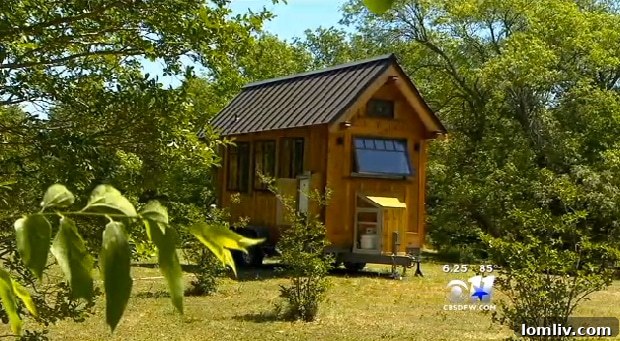
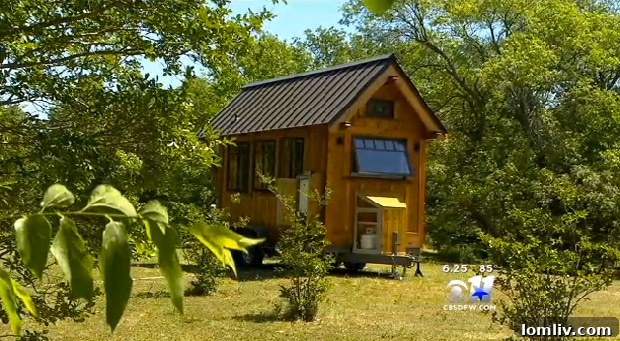
Norrgard’s commitment to her new philosophy manifested in the construction of her tiny house, a meticulously designed 112-square-foot dwelling based on plans from Four Lights Houses. This compact structure, far from being a sacrifice, represents a deliberate choice for efficiency, sustainability, and personal freedom. Every inch of space is carefully considered, serving multiple functions and reflecting a minimalist aesthetic that emphasizes quality over quantity. The construction process, though challenging, has been a labor of love, nearing completion with only the final touch of air conditioning left to install. This small footprint signifies a monumental shift in her life, proving that less can indeed be more when intentionally chosen.
The Financial Liberation of Tiny Living
One of the most compelling aspects of Norrgard’s transition is the profound financial freedom it has afforded her. She proudly states that she is now rent-free, mortgage-free, and property tax-free. This trifecta of liberation from major housing costs is a powerful testament to the economic benefits of the tiny house movement. For many, the financial burden of traditional housing is a primary source of stress, limiting opportunities for travel, saving, and pursuing passions. By drastically reducing her overhead, Norrgard has unlocked a level of financial flexibility that was unattainable in her previous life. This financial independence isn’t just about saving money; it’s about reclaiming agency over her future and investing in experiences rather than liabilities.
Envisioning a Tiny House Community in Dallas
What Defines a Tiny House Community?
As Norrgard’s personal tiny home approaches completion, the focus naturally shifts to her broader vision for Dallas: the establishment of a dedicated tiny house community. This concept extends far beyond individual dwellings; it envisions a cohesive neighborhood where residents share common spaces, resources, and a collective commitment to sustainable, minimalist living. Such communities often feature shared laundries, community gardens, recreation areas, and spaces for social gatherings, fostering a strong sense of belonging and mutual support among residents. It’s a deliberate antidote to the isolation often found in sprawling suburban developments, promoting interaction and a shared ethos.
Beyond Individual Homes: The Power of Collective Living
The appeal of a tiny house community lies in its ability to offer an affordable, sustainable, and socially rich living environment. These communities provide an alternative housing solution that addresses issues of affordability, environmental impact, and social connection. For Dallas, a city grappling with rapid growth and rising housing costs, a tiny house community could represent an innovative model for urban development. It offers a unique opportunity to create vibrant, close-knit neighborhoods that prioritize community welfare and ecological responsibility, providing accessible housing options for a diverse range of residents, from young professionals to retirees seeking a simpler life.
Austin’s Precedent: Community First! Village as a Model
Addressing Homelessness with Dignity and Community
Dallas doesn’t have to look far for inspiration. Just down I-35, Austin has already made significant strides in this direction with the groundbreaking Community First! Village, a project spearheaded by Mobile Loaves and Fishes. This revolutionary initiative serves a dual purpose: providing transitional housing for chronically homeless individuals and fostering a supportive community where they can regain stability and access vital resources. The village offers an array of tiny homes, RVs, and micro-homes, alongside an infirmary, community market, art house, and various support services designed to help residents transition back into mainstream society. It’s a testament to the power of thoughtful design and compassionate community building.
Lessons for Dallas from a Successful Social Enterprise
Community First! Village is more than just a collection of tiny homes; it’s a holistic ecosystem designed to restore dignity and purpose. Residents contribute to the community, participate in governance, and receive healthcare, job training, and mental health support. This model demonstrates that tiny house communities can be powerful tools for social good, effectively addressing complex urban challenges like homelessness with empathy and innovation. Dallas can draw invaluable lessons from Austin’s success, particularly in developing robust support systems and fostering a truly integrated community environment. The village proves that sustainable, affordable housing can be a cornerstone for broader societal improvement and compassionate urban planning.
Navigating Dallas’s Urban Landscape: Challenges and Opportunities
Unraveling Dallas City Code and Zoning Regulations
The path to establishing a tiny house community in Dallas is not without its hurdles. B.A. Norrgard’s vision will inevitably involve navigating the intricate web of Dallas city code, particularly concerning zoning regulations. Current zoning laws often dictate minimum square footage for residential dwellings, minimum lot sizes, and specific foundation requirements that can pose significant challenges for tiny homes on wheels or those that don’t conform to traditional building codes. Overcoming these bureaucratic obstacles will require diligent advocacy, community engagement, and potentially, amendments to existing ordinances or the creation of new zoning classifications specifically for tiny house communities. This is a critical first step that requires collaboration between advocates and city officials.
The Quest for Land: From Mobile Home Parks to Untapped Potential
Beyond zoning, the acquisition of a suitable tract of land is another major undertaking. Norrgard ideally envisions purchasing and repurposing an existing mobile home park, which could simplify the process by leveraging pre-existing infrastructure like utility hookups and established lot divisions. However, the availability of such properties in desirable areas, coupled with the rising cost of land in Dallas, presents a significant challenge. Alternatively, identifying undeveloped or underutilized parcels within the city limits that are suitable for such a development would require careful consideration of accessibility, surrounding amenities, and neighborhood receptiveness. The choice of land will fundamentally shape the character and viability of the community.
Overcoming Hurdles: Infrastructure, Utilities, and Community Acceptance
Establishing a tiny house community also entails planning for essential infrastructure, including water, sewer, electricity, and waste management. While mobile home parks often have these in place, a new development would necessitate significant investment. Furthermore, securing neighborhood acceptance is paramount. Concerns from existing residents about property values, density, and the perceived aesthetic of a tiny home village must be proactively addressed through transparent communication and inclusive planning processes. Education about the benefits of sustainable living, community enrichment, and affordable housing solutions will be crucial in fostering support and turning potential resistance into partnership. Successful integration requires genuine community buy-in and a shared vision for urban development.
Ideal Locations for Dallas’s Inaugural Tiny Home Village
Analyzing Existing Dallas Neighborhoods: Pros and Cons
The question of “where” in Dallas is critical. Various neighborhoods present unique opportunities and challenges for a tiny house community. A location near vibrant areas like Greenville Avenue could offer residents easy access to amenities, dining, and public transportation, but land values and density might be prohibitive. Areas around White Rock Lake could provide a serene, nature-rich environment, aligning with the sustainable ethos of tiny living, but may face stricter environmental regulations and less available land. The past attempt on West Dallas off Fort Worth Avenue, which ultimately yielded to luxury apartments by Wood Partners, highlights the competitive nature of land development in high-demand areas. This underscores the need for a strategic approach to site selection, balancing ideals with market realities.
Considering Connectivity, Resources, and Lifestyle
Perhaps Oak Cliff, with its strong community spirit and a mix of historic and redeveloping areas, could be a welcoming locale. Its diverse fabric and existing independent spirit might be more receptive to alternative housing models. Similarly, the burgeoning Trinity Groves area, known for its innovation and redevelopment, could provide a dynamic backdrop for a modern tiny house village, integrating it into a forward-thinking urban district. The ideal location would offer a balance of accessibility to jobs and amenities, a sense of community, and affordability for land acquisition. Proximity to public transport, grocery stores, healthcare facilities, and educational institutions would significantly enhance the quality of life for residents, making the community sustainable in the long run.
The Vision for a Thriving, Sustainable Community
Ultimately, the perfect spot for Dallas’s first tiny home community will depend on a confluence of factors: land availability, zoning flexibility, community receptiveness, and strategic alignment with Dallas’s broader urban development goals. It should be a place where residents can thrive, contributing to the local economy and culture while enjoying the benefits of minimalist, sustainable living. This isn’t just about placing homes; it’s about cultivating a vibrant, resilient community that sets a precedent for future development in Dallas. The vision is for a place that fosters social cohesion, environmental stewardship, and economic accessibility, serving as a beacon for progressive urban planning.
Paving the Way for a Sustainable, Affordable Future in Dallas
The Broader Impact of Tiny House Communities
The tiny house movement in Dallas, spearheaded by visionaries like B.A. Norrgard, represents more than just a housing trend; it’s a catalyst for broader conversations about urban sustainability, affordability, and community design. As Dallas continues to grow, embracing innovative housing solutions like tiny house communities could play a vital role in addressing its evolving needs. Such developments can offer diverse housing options, promote environmental responsibility through reduced consumption and smaller footprints, and foster stronger social bonds among residents. They present a compelling model for future urban planning, demonstrating how thoughtful design can enhance both individual well-being and collective societal health. This is an opportunity for Dallas to lead in creating inclusive and forward-thinking urban environments.
A Call to Action for Dallas Stakeholders
The journey from a personal dream to a full-fledged community is long and complex, requiring concerted effort from various stakeholders. It demands collaborative engagement from city planners, policymakers, real estate developers, local residents, and tiny house advocates. Dallas has the potential to become a leader in the tiny house movement, creating a model community that offers an affordable, sustainable, and enriching lifestyle for its residents. By embracing this vision, Dallas can not only solve pressing housing challenges but also cultivate a more vibrant, connected, and environmentally conscious urban landscape. The time is ripe for Dallas to explore these innovative paths and build communities that truly reflect the values of its residents.
Where do you believe Dallas should build its first tiny home community, and what steps do you think are most crucial to make this vision a reality?