As the scorching heat of summer finally gives way, there’s a collective sigh of relief and excitement for the crisp air and vibrant colors of autumn. For many, especially in regions like North Texas, this shift is a welcome respite after an intense summer. The appearance of pumpkins, charming Halloween decorations, and comforting earth tones signals more than just a change in aesthetics; it’s a vital reminder that the seasons are changing, bringing with them a new set of responsibilities for homeowners. Fall isn’t just about enjoying pumpkin spice lattes (iced or hot!); it’s the perfect time to tackle essential home maintenance tasks that will protect your investment, enhance comfort, and prepare your property for the colder months ahead. Proactive care now can prevent costly repairs later, ensuring your home remains a cozy, safe haven throughout winter. Let’s dive into our comprehensive fall home maintenance checklist.
Thorough Gutter and Downspout Inspection and Cleaning
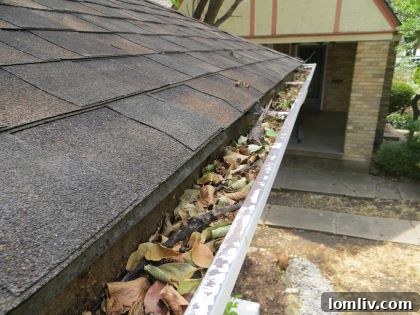
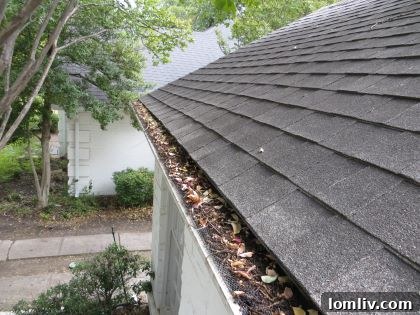
Even though autumn has just begun, the evidence of falling leaves and other wind-borne debris is often immediately visible, as shown in the recent photos above. Neglecting your gutters can lead to significant and costly problems, especially as we transition into a wetter and potentially colder season. Clogged gutters prevent rainwater from flowing away from your home’s foundation, leading to a host of issues including:
- Foundation Damage: Water pooling around the foundation can seep into basements or crawl spaces, causing cracks, structural damage, and mold growth.
- Fascia and Soffit Rot: Overflowing gutters can saturate the wooden fascia boards and soffits, leading to rot and creating entry points for pests.
- Landscape Erosion: Uncontrolled water runoff can erode landscaping, damage gardens, and create unsightly trenches.
- Ice Dams: In colder climates, clogged gutters contribute to ice dam formation, which can force melting snow under your roof shingles, causing leaks and interior water damage.
To ensure your home is protected, undertake a thorough inspection and cleaning. Safely use a sturdy ladder, wearing gloves, to remove leaves, twigs, dirt, and any other obstructions. Once the visible debris is cleared, flush the gutters and downspouts with a garden hose or a power washer. This step is crucial for identifying and clearing any hidden clogs that might restrict water flow. Pay close attention to the downspout elbows and where they meet the ground. Additionally, check that all gutter sections are securely attached to your house, repairing any loose brackets or sagging sections. While gutter screens (as seen in the second photo) significantly reduce the amount of debris entering your gutters, they are not a substitute for cleaning. Leaves and small particles can still accumulate on top of the screens, necessitating regular removal to maintain optimal function. Screens do, however, make the job easier, reduce the frequency of full clogs, and deter pests from nesting.
Winterizing Hose Bibs and Exterior Faucets
While DIY home repair fails can happen any time of year, neglecting exterior faucets as temperatures drop is a recipe for disaster. Throughout the summer, the area around hose bibs and outdoor spigots can become dry and cracked due to sun exposure and temperature fluctuations. This can lead to seals becoming compromised or fixtures loosening from the house. Fall is the critical period to address these vulnerabilities before the first hard freeze. Frozen pipes are a major concern, as water expanding within pipes can cause them to burst, leading to extensive water damage, expensive repairs, and a significant headache. To prevent such incidents:
- Disconnect Hoses: Always disconnect all garden hoses from exterior faucets. Water remaining in hoses can freeze and expand back into the faucet, causing it to crack or burst.
- Drain Faucets: If your hose bibs are not “frost-free” (which have an internal shut-off valve deeper within the wall), locate the shut-off valve inside your home (usually in the basement or crawl space) and turn off the water supply to the exterior faucet. Then, open the exterior faucet to drain any remaining water.
- Insulate Exposed Faucets: For added protection, especially in colder climates, cover your exterior faucets with insulated faucet covers. These inexpensive covers provide an extra layer of defense against freezing temperatures.
- Inspect for Gaps: Carefully examine the area where the hose bib or faucet meets the siding of your house. Look for any cracks, gaps, or deteriorating caulk. These openings not only allow cold air to penetrate your home, reducing energy efficiency, but also serve as potential entry points for insects, rodents, and moisture.
- Seal Gaps: Use exterior-grade silicone caulk to seal any detected gaps. Ensure the caulk forms a tight, waterproof, and airtight seal. If any faucets feel loose, tighten them with the appropriate screws, being careful not to overtighten and damage the fixture or plumbing. Addressing these small details now will safeguard your plumbing system and contribute to your home’s overall energy efficiency and pest control strategy.
Seal Vents & Gaps for Energy Efficiency and Pest Control
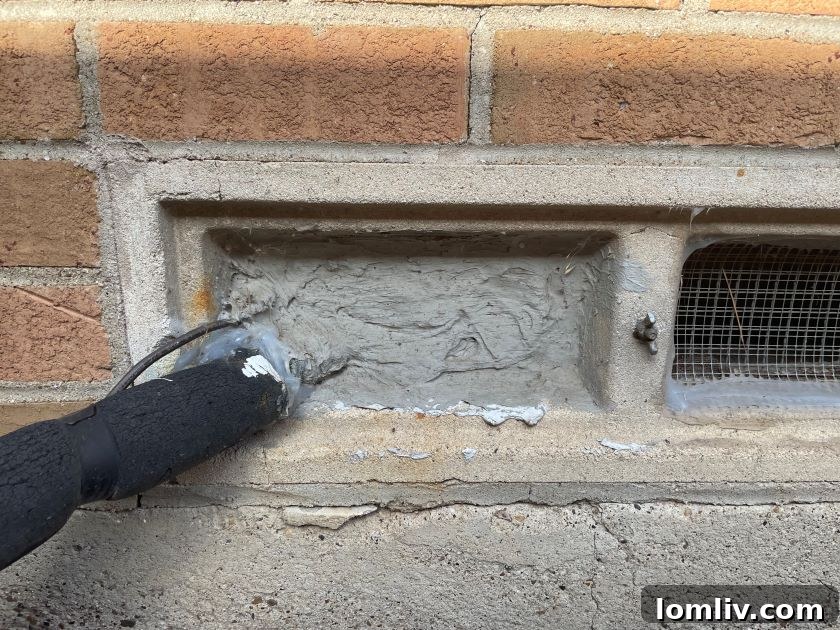
As outdoor temperatures drop, many small creatures, from rodents to insects, instinctively seek warmer, sheltered places to spend the winter. Your home, unfortunately, can look like an ideal five-star hotel to them. Proactively sealing off potential entry points is a crucial step in fall home maintenance for both pest prevention and improving your home’s energy efficiency. While the homeowner in the image might be overzealous with caulk, the intent to seal a crawlspace vent highlights an important area of concern. It’s vital, however, to ensure that vents are screened and properly maintained, not completely blocked, to allow for essential airflow.
Take a comprehensive walk around your property, paying close attention to:
- Foundation: Inspect for any cracks in the foundation or gaps where pipes and wires enter the house. Fill these with concrete patching compound or expanding foam sealant.
- Siding and Trim: Look for loose siding, gaps where different materials meet, or holes in wood trim. Repair or seal these openings.
- Vents: Check all exterior vents, including dryer vents, bathroom fan vents, and crawlspace vents. Ensure they are properly screened or caged to prevent pest entry. Replace any damaged screens. It’s important that dryer vents are clean and clear, as blockages pose a fire hazard. Crawlspace vents need to remain open (or have adjustable covers) for proper ventilation to prevent moisture buildup and mold, so don’t completely seal them shut unless they are designed to be closed for winter and reopened in spring.
- Windows and Doors: Inspect weatherstripping around doors and windows. If it’s cracked, missing, or provides an inadequate seal, replace it. Apply caulk around window frames and door frames where there are gaps between the frame and the wall.
- Utility Entry Points: Seal around pipes, electrical conduits, and other utility lines where they enter your home.
By effectively sealing these gaps, you not only deter unwanted guests but also prevent drafts, reduce heat loss, and significantly lower your energy bills throughout the colder months. This simple step contributes significantly to a more comfortable, pest-free, and energy-efficient home.
Comprehensive Attic Inspection
The attic is often out of sight, out of mind, but it plays a crucial role in your home’s energy efficiency, structural integrity, and overall health. As mentioned previously, homeowners could benefit greatly from spending more time inspecting this vital space. Fall, with its milder temperatures, is an ideal time to conduct a thorough attic inspection, addressing any potential issues before winter sets in. This proactive approach can prevent significant problems and save you money in the long run. Here’s a detailed checklist for your attic visit:
- Look for Leaks and Water Damage: As suggested in the video, choose a rainy day for your inspection. Look for any signs of water stains, discoloration, or active leaks on the underside of the roof sheathing and around vent pipes, chimneys, and skylights. Even small stains can indicate an ongoing issue that needs immediate attention.
- Check Insulation: Assess the condition and depth of your insulation. It should be evenly distributed and meet recommended R-values for your climate zone. Look for compressed, wet, or damaged insulation, which loses its effectiveness. Gaps in insulation allow heat to escape, increasing heating costs.
- Inspect the Water Heater (if in attic): If your water heater is located in the attic, check the drain pan for any standing water, which could indicate a leak. Ensure the temperature and pressure relief (TPR) valve discharge pipe is properly installed and not blocked.
- Change AC/Furnace Filter: While you’re up there, it’s an excellent time to change your HVAC filter. A clean filter improves air quality, increases efficiency, and extends the life of your system.
- Examine Furnace Flues and Ductwork: Ensure that all furnace flues (exhaust pipes) are securely connected and properly vented outside. Check your HVAC ductwork for any disconnections, tears, or crushed sections. Leaky ducts can significantly reduce your system’s efficiency and allow conditioned air to escape into the attic, wasting energy. Seal any gaps with mastic sealant or metallic tape (not duct tape).
- Pest Activity: Look for signs of rodents (droppings, gnaw marks, nests) or insects. Seal any small holes or cracks that could serve as entry points.
- Ventilation: Ensure that attic vents (soffit, ridge, gable) are clear and unobstructed. Proper attic ventilation is crucial for preventing moisture buildup, mold, and ice dams, and helps regulate attic temperature.
By regularly inspecting your attic, you gain valuable insights into your home’s condition, allowing you to catch and fix issues early, improve energy efficiency, and maintain a healthier living environment.
Inspect and Winterize Your Sprinkler System
This humorous video serves as a great reminder that your sprinkler system needs attention beyond just turning it on and off. After a long summer of watering, your soil may have shifted, your lawnmower might have grazed a few heads, or some components may simply be malfunctioning. Fall is the ideal time to inspect and, if necessary, winterize your irrigation system. Proper sprinkler maintenance in autumn offers several benefits:
- Water Conservation: Ensuring heads are properly directed and not spraying pavement or walls prevents water waste and conserves resources.
- Efficient Watering: Properly functioning heads ensure your lawn and plants receive the right amount of water in the right places, promoting healthier growth as you prepare them for dormancy.
- Prevent Costly Damage: The most critical reason for fall sprinkler maintenance, especially in areas prone to freezing temperatures, is to prevent damage from frozen water. Water left in pipes can freeze, expand, and burst pipes, valves, and sprinkler heads, leading to expensive repairs in the spring.
Here’s how to check and prepare your system:
- Run Each Zone: Activate each zone of your sprinkler system and observe its operation. Look for heads that are broken, clogged, or spraying in the wrong direction.
- Adjust Heads: Adjust any misaligned heads to ensure they are covering your lawn and plants effectively, without watering sidewalks or driveways.
- Repair or Replace: Replace any broken or malfunctioning sprinkler heads, or repair leaks in the lines. This is easier to do before the ground gets too cold or hard.
- Consider Winterization: In regions with freezing winters, full winterization is essential. This typically involves:
- Shutting Off Water Supply: Turn off the main water supply valve to the irrigation system.
- Draining Pipes: Open all drain valves (if your system has them) to allow water to empty from the pipes.
- Blowing Out Lines (Professional Recommended): For systems without automatic drain valves, or in very cold climates, it’s highly recommended to hire a professional to use an air compressor to blow out all remaining water from the lines. This prevents bursting. Never attempt this without proper equipment and knowledge, as high-pressure air can be dangerous.
- Insulating Backflow Preventer: Cover your backflow prevention device with an insulated blanket or cover to protect it from freezing.
Even if you’re in a milder climate like North Texas where a full blow-out might not be necessary every year, ensuring all hoses are disconnected and exposed pipes are drained or insulated is still a smart move to prevent unexpected bursts during an unseasonably cold snap.
Fall home maintenance is more than just a seasonal chore; it’s an investment in your home’s longevity, efficiency, and your family’s comfort. By tackling these essential tasks now, you’ll be well-prepared to enjoy the beauty of autumn and face the coming winter with confidence, knowing your home is in optimal condition. From ensuring proper water drainage to sealing against the elements and unwelcome critters, each step contributes to a more secure and energy-efficient living space. Should you have any questions about specific tasks or wish for a professional assessment, consider scheduling a seasonal home inspection. Enjoy these beautiful non-triple-digit fall days, savoring the vibrant colors and cooler temperatures. May your blessings be as plentiful as the autumn leaves, and may none of them find their way into your pool filter or gutters!