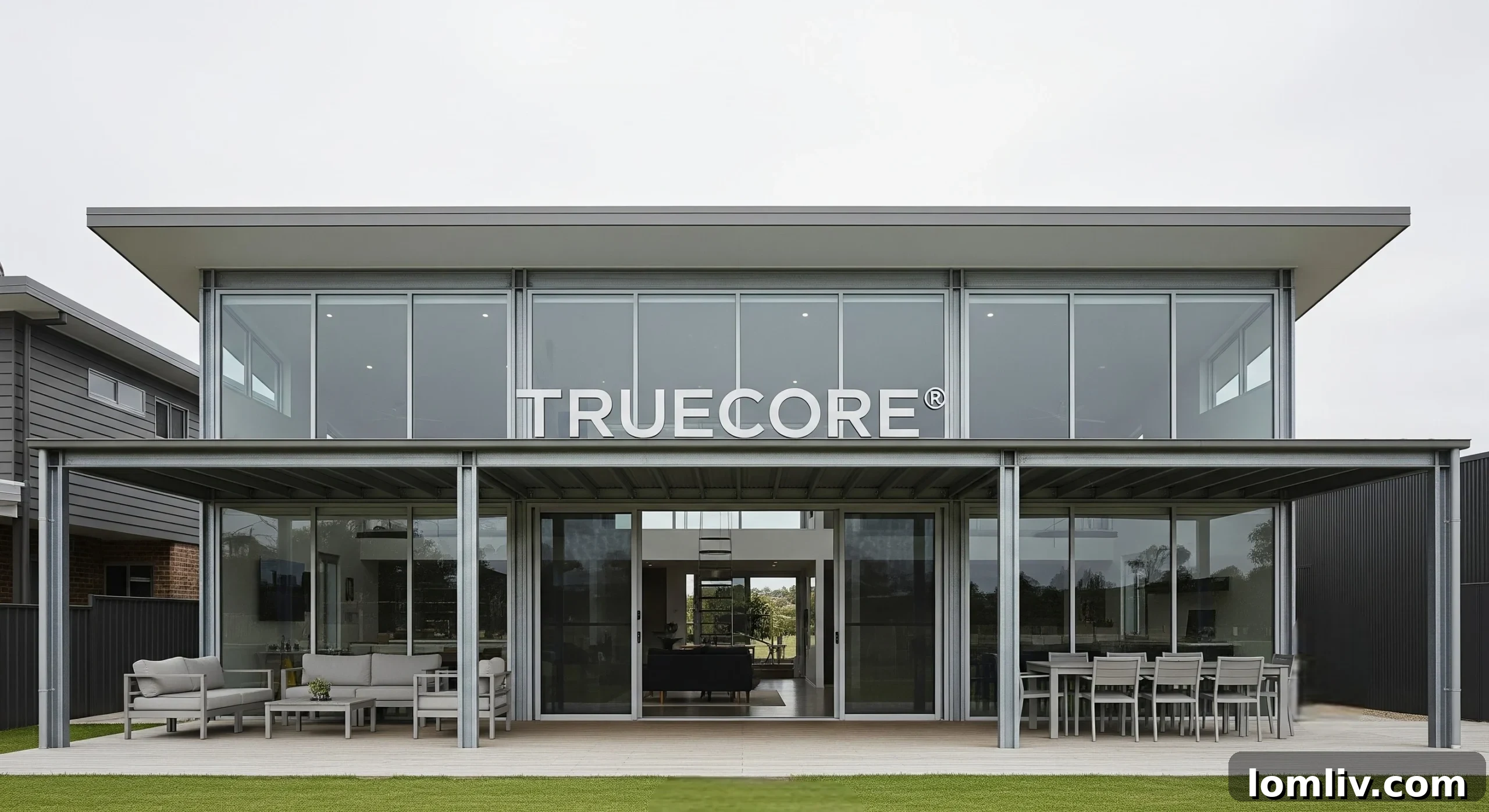
Australia’s dynamic housing landscape is undergoing a significant transformation, with steel-framed “wide span” kit homes emerging as a powerful and increasingly popular solution. These innovative dwellings, characterized by their prefabricated interior systems, can be efficiently erected in a matter of weeks, addressing critical challenges within the nation’s construction sector. Driven by persistent labour shortages, the imperative for enhanced bushfire resilience, and ever-rising affordability pressures, these structures are not merely alternatives; they represent a future-forward approach, promising unparalleled strength, rapid construction times, and remarkable design flexibility.
This comprehensive analysis delves into the rise of wide span kit homes in Australia, examining a flagship provider, WideSpanHomes.com.au, as a prime example. We will map the intricate market forces that are propelling their widespread adoption and profile other pioneering firms that are actively reshaping how Australians build their homes. By meticulously tracing the innovative product features and key economic drivers, we aim to illustrate why steel-framed wide span homes have evolved dramatically from their humble beginnings as rural sheds into a formidable and mainstream contender in the residential construction market, offering a compelling blend of practicality and modern living.
Wide Span Homes: Leading the Way in Australian Steel Kit Housing
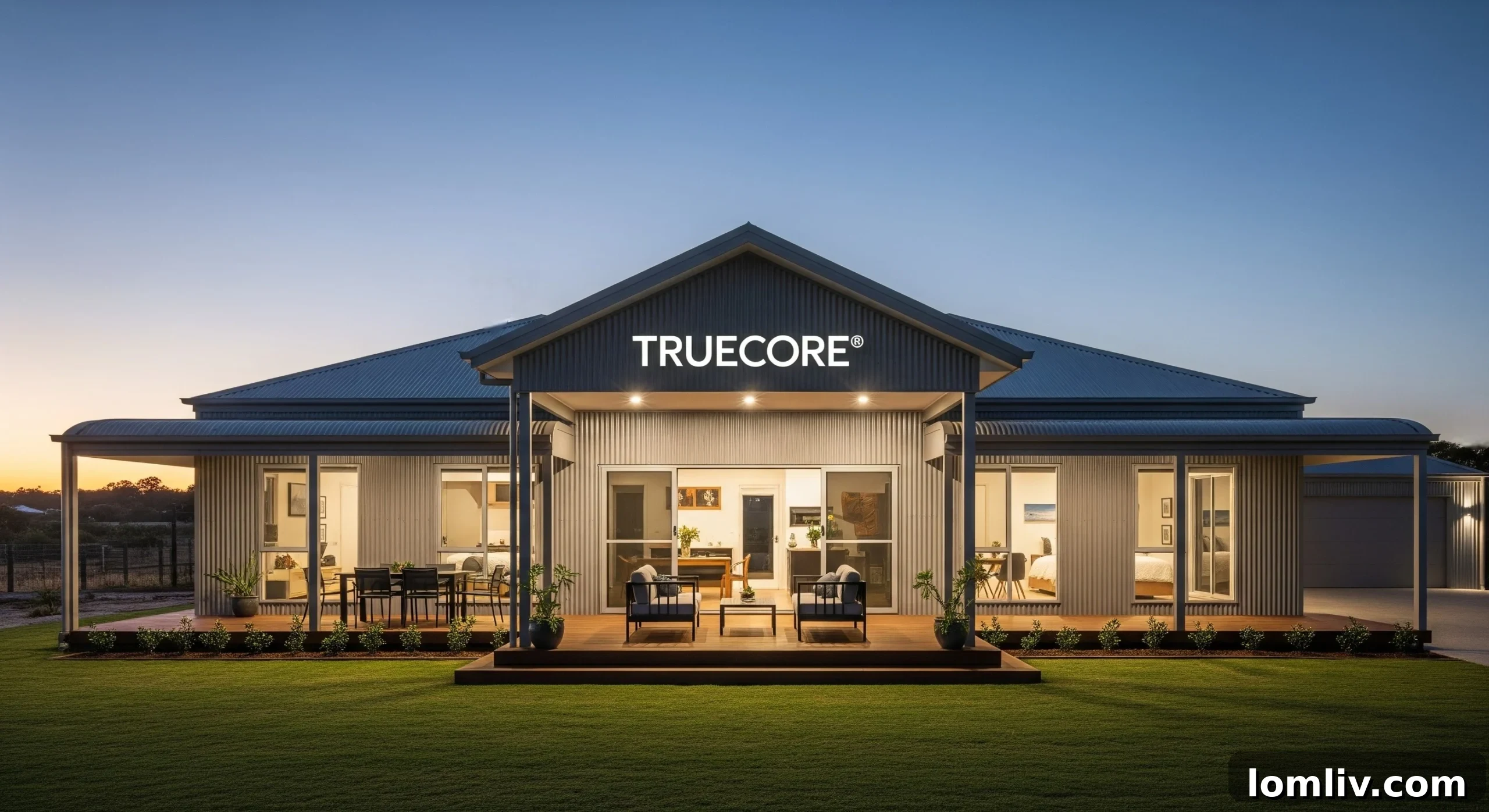
Wide Span Homes stands at the forefront of the wide span movement, empowering owner-builders across Australia with sophisticated pre-engineered steel kit packages. These kits arrive on site as clearly numbered components, meticulously prepared for straightforward bolt-together assembly. The cornerstone of their unparalleled quality and durability lies in the fact that every single frame is meticulously rolled from 100 percent Australian BlueScope TRUECORE® steel. This premium material delivers an array of crucial advantages, including complete immunity to termites, exceptionally low maintenance requirements over its lifespan, and robust structural compliance with even the most demanding cyclone categories, up to C2. This ensures not only peace of mind for homeowners but also compliance with stringent Australian building codes, making them ideal for diverse climatic conditions.
One of Wide Span Homes’ most compelling features is its intuitive digital design suite. This innovative platform empowers customers to take control of their home’s design, allowing them to effortlessly tweak floor areas, add spacious verandahs, modify roof pitches for aesthetic or functional reasons, or upgrade to BAL-rated claddings for enhanced bushfire protection—all without incurring the often prohibitive costs associated with bespoke architectural fees. Once a design is meticulously finalised, the custom kits are efficiently batch-manufactured and then reliably transported to the building site, accompanied by all necessary engineering certificates, comprehensive nationwide logistics support, and a reassuring 20-year warranty. This streamlined process significantly simplifies the often complex stages of council approval and securing bank finance, making the dream of building a new home more accessible than ever.
The company’s extensive catalogue caters to a broad spectrum of needs and preferences, spanning ten core series. Options range from compact and efficient 50 m² ‘Backyard Studio’ retreats, perfect for ancillary dwellings or guest accommodation, to expansive 345 m² two-storey family homes like the impressive ‘Valley View’, which starts from approximately AUD 105,000 delivered (before fit-out costs). Buyers are also offered a range of thoughtful optional enhancements, including additional veranda kits, a vibrant palette of COLORBOND® cladding options to suit any aesthetic, and integrated off-grid solar in-roof brackets. These choices allow future-proofing of designs without the need for expensive structural modifications down the line, enhancing sustainability and reducing long-term living costs. Typical lead times for these highly customisable kits range from eight to ten weeks, varying slightly depending on state-specific logistics and project complexity.
Beyond providing exceptional hardware, Wide Span Homes offers invaluable process guidance. A dedicated project liaison assists customers in navigating crucial steps such as obtaining soil reports, conducting energy assessments, and submitting documentation for Building Code compliance. For owners who may lack extensive trade contacts, the company also offers convenient ‘lock-up’ contractor bundles, bridging a significant gap and ensuring a smoother construction journey. The financial landscape for prefabricated builds is also becoming increasingly favourable; in late-2024, Commonwealth Bank took a groundbreaking step by advancing progress payments on prefab constructions. This decision was influenced by the demonstrably faster delivery times and lower risk profiles inherent in such projects—an initiative widely anticipated to expand as demand for kit homes continues to surge. Collectively, this robust technical support combined with a rising appetite for mortgage financing means that Wide Span’s core promise—to “build faster, pay less, and stay strong”—now deeply resonates with aspiring homeowners, from scenic coastal lots to burgeoning suburban infill blocks across every mainland Australian state.
Market Dynamics: The Ascendancy of Wide Span Homes in Australia
Australia’s prefabricated building segment, which encompasses innovative wide span steel kit homes, has experienced a remarkable growth trajectory. Valued at an estimated AUD 4.96 billion in 2024, this dynamic sector is confidently forecast to almost double, reaching AUD 9.61 billion by 2034, reflecting a robust compound annual growth rate (CAGR) of 6.8 percent. This accelerated growth is not coincidental; it is a direct response to a critical national imperative. Federal and state governments have collectively pledged to deliver an ambitious 1.2 million new dwellings within the next five years to alleviate chronic housing undersupply. However, this ambitious target is juxtaposed against a shrinking construction workforce, which has seen an approximate 8 percent decline over the same period. This stark reality has compelled policymakers to actively prioritise and champion factory-made solutions, leading to a significant shift in construction methodologies. Consequently, prefabricated housing approvals witnessed an impressive fifteen percent year-on-year jump in 2024, decisively outpacing conventional housing starts across every major capital region, underscoring their growing market penetration and acceptance.
Three powerful, converging drivers underpin this surge in demand for steel kit homes. Firstly, **affordability** remains a paramount concern for Australian buyers. Site-built housing prices have soared by an alarming 31 percent since 2021. In stark contrast, steel kit shells benefit from inherent factory efficiencies and significantly shorter build times, enabling entry costs that are tens of thousands below comparable brick equivalents. This makes homeownership a tangible reality for a broader segment of the population. Secondly, **resilience** is increasingly a non-negotiable factor. With climate change amplifying the frequency and intensity of bushfires, and termites posing a constant threat across many regions, the non-combustible, pest-proof BlueScope frames of wide span homes are exceptionally attractive. Their inherent durability and resistance to these environmental challenges provide critical peace of mind, especially in high-risk regional hot spots. Thirdly, **labour scarcity** continues to plague the traditional construction industry. With an estimated 90,000 trade vacancies reported nationally in late-2024, a steel kit home that can reach ‘lock-up’ stage in as little as two weeks with a small, efficient four-person crew offers a compelling solution. This drastically mitigates scheduling risks and cost overruns for both owner-builders seeking greater control and developers aiming for faster project turnovers and improved profitability.
Despite these compelling advantages, regulatory hurdles remain the principal brake on even faster adoption. While the National Construction Code explicitly recognises steel frames as a legitimate building material, council evidence demands and interpretation still vary significantly across different jurisdictions. This inconsistency often leads to protracted approval processes, frustrating builders and delaying projects. Sector bodies are actively advocating for a uniform ‘deemed-to-satisfy’ path, arguing that factory-controlled tolerances and precision typically exceed those of traditional carpentry methods, warranting a more streamlined approval framework. Supply chain resilience also poses another watchpoint; logistical disruptions, such as the east-coast freight issues experienced in 2023, underscored the industry’s dependence on reliable deliveries of BlueScope steel coil, highlighting the need for robust planning and contingency measures.
Even with these challenges, Australia’s housing starts currently sit approximately 20 percent below the national annual target of 200,000 dwellings. Industry analysts widely anticipate that wide span systems will capture an ever-growing share of the market as developers actively chase faster cycle times, greater cost predictability, and adaptable floorplans that cater to evolving consumer demands. Furthermore, the inherent lower waste streams associated with prefabrication align perfectly with Australia’s ambitious Net Zero building roadmaps and sustainability targets, positioning steel kit homes as an environmentally responsible choice for the future.
Competing Innovators Redefining Steel Kit Housing in Australia
While Wide Span Homes stands out, several other prominent companies are actively shaping the steel kit home segment in Australia, each bringing unique strengths and offerings to the market. These firms are collectively redefining what’s possible with prefabricated steel construction, catering to a diverse range of buyers from rural landowners to first-home buyers.
Sheds n Homes, a reputable ShedSafe-accredited supplier with an extensive network of outlets in every mainland state, strategically positions its steel kit homes as an ideal bridge between functional rural sheds and fully compliant custom houses. Much like Wide Span Homes, Sheds n Homes also leverages the superior qualities of TRUECORE® framing and specifically targets markets prone to bushfire risks. Their popular range of three core designs—the ‘Weekender’, ‘Rural Retreat’, and the more substantial two-storey ‘Country Home’—are delivered with all necessary engineering certifications and fixings, allowing owners the flexibility to source and customise their interiors. Shell prices for these adaptable homes commence around AUD 45,000 for a generous 120 m² plan, offering significant value. Their franchised dealers provide invaluable support, streamlining council paperwork and connecting owners with reliable trades when DIY capacities are limited. Typical lead times are comparable at around ten weeks, while premium cladding options like COLORBOND® Matt and UniCote® walling upgrades are increasingly appealing to acreage buyers seeking both aesthetics and durability.
Fair Dinkum Builds, a well-established entity owned by Fletcher Building, capitalises on its vast distribution network of 140 outlets to sell what it terms ‘liveable sheds’. These are robust steel shells meticulously engineered for dwelling compliance and backed by an impressive 30-year structural warranty, instilling long-term confidence in buyers. Customers have the flexibility to specify sophisticated architectural cladding profiles, such as SharpLine® standing seam, or opt for COLORBOND® Ultra for enhanced coastal resilience, making them suitable for challenging environments. Average kit costs for Fair Dinkum Builds sit comfortably in the mid-market range, typically between AUD 60,000 and AUD 80,000 for three-bedroom footprints, representing excellent value for a comprehensive, warrantied steel structure.
Ranbuild, a respected 75-year-old subsidiary of BlueScope Steel itself, targets a similar demographic of buyers but distinctly emphasises its corporate heritage and the added assurance of in-house COLORBOND® supply chain control. This direct connection to BlueScope provides a unique selling proposition related to quality and material consistency. Their accessible ‘Backyard Shack’ series starts below AUD 40,000, making it particularly enticing for down-sizers seeking minimalist living or Airbnb hosts looking for fast occupancy solutions. These compact units can often reach ‘lock-up’ stage within mere weeks, offering unparalleled speed to market.
Met Kit Homes distinguishes itself with an advanced online configurator that goes beyond basic design tools. Unlike some competitors, their system dynamically recalculates structural loads and pricing in real-time. This innovative feature allows for rapid prototyping and iterative design without incurring engineering delays, empowering customers with immediate feedback. Their pre-punched bolt-together frames are engineered for extreme efficiency, enabling two competent owner-builders to raise the walls of a structure in under five days. Budget-friendly shells start below AUD 35,000, making them an attractive option for first-home buyers utilising secondary-dwelling permits or those on tighter budgets.
Wide Span Homes effectively counters these diverse offerings with its powerful national marketing presence, an extensive range including multi-level two-storey models, and proactive bushfire upgrade options integrated early in the design process. Industry analysts predict a period of consolidation within this burgeoning sector, where factors such as strong brand equity, secure access to BlueScope supply, and seamless digital design ecosystems will be pivotal in determining the next wave of growth. Crucially, consumer surveys across Australia consistently rank website usability and transparent price calculators among the top factors influencing kit-home selection decisions today, underscoring the importance of a streamlined, user-friendly digital experience in this competitive market.
The Future of Australian Housing: Smarter, Greener Wide Span Kit Homes
The next phase of wide span housing is poised for even greater innovation, with a strong focus on intelligent integration and enhanced sustainability. We can anticipate the widespread emergence of hybrid kits that seamlessly incorporate advanced energy monitoring technology and robust smart home readiness directly into their prefabricated steel frames. Forward-thinking builders are already actively experimenting with factory-fitted solar infrastructure, allowing for ‘plug-and-play’ renewable energy solutions upon assembly, and pre-installed conduits for Electric Vehicle (EV) chargers. These proactive measures are crucial for meeting Australia’s ambitious 2030 emissions targets and catering to the evolving needs of environmentally conscious homeowners.
As Australia’s housing future undeniably leans towards modular and off-site construction, steel kit homes are set to play an increasingly central role. They will not merely be faster to build and more cost-effective; they will also be inherently smarter, significantly greener, and more intricately interconnected by design. This evolution promises to deliver not just houses, but intelligent, resilient, and sustainable homes that are perfectly aligned with the demands of modern Australian living and the imperative of a greener future.