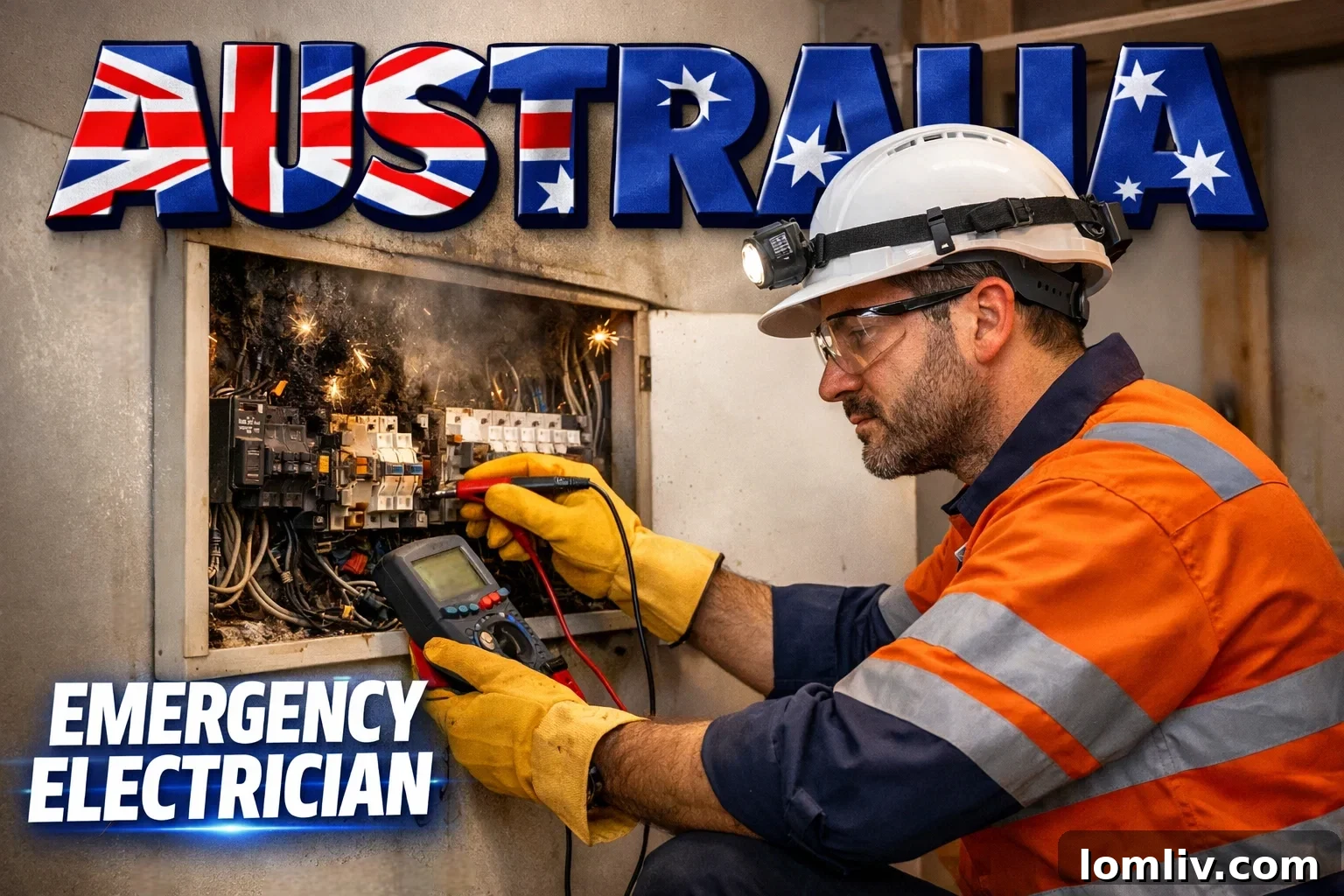
Electrical issues in your home or business can range from minor annoyances to life-threatening hazards. Unlike plumbing leaks or appliance malfunctions, electrical problems often give little to no warning before escalating into critical situations. One moment your lights are on, the next you might experience a sudden power outage, an appliance mysteriously stops working, or, even more alarming, you could detect a burning smell emanating from an outlet. These moments of unexpected electrical failure highlight the critical importance of understanding when to call an emergency electrician and the crucial first steps to take. Proactive knowledge and swift, appropriate action are paramount for ensuring personal safety and minimizing potential damage to your property. Ignoring or mishandling an electrical emergency can lead to devastating consequences, including electrical fires, severe shocks, and extensive property destruction.
Electrical emergencies are far more than mere inconveniences; they pose significant risks to both individuals and structural integrity if not addressed promptly and correctly. The volatile nature of electricity demands respect and professional intervention when things go wrong. Knowing the difference between a standard repair and an urgent crisis is the first step towards effective emergency management.
Defining an Electrical Emergency: When Urgent Action is Required
While not every flickering light or dead outlet demands immediate, after-hours attention, certain electrical problems signify an imminent danger that cannot wait. An electrical emergency is any situation where there is a clear and present risk of injury, fire, or significant disruption to essential services within your property. Such scenarios warrant the immediate dispatch of an emergency electrician, whose specialized expertise can mitigate the risks swiftly and safely.
Common situations that unequivocally call for an emergency electrician include:
- Localized Power Outages: If your property loses power but your neighbors still have electricity, it strongly suggests a fault within your own electrical system, which could be anything from a faulty circuit breaker to a more serious wiring issue.
- Sparks, Smoke, or Burning Smells: Any visible sparks, smoke, or a distinct burning odor emanating from electrical outlets, light switches, circuit breakers, or your main switchboard are extremely dangerous indicators of overheating components or wiring, signaling a high risk of electrical fire.
- Exposed or Damaged Wiring: Visible bare wires, frayed insulation, or cables damaged by pests or physical impact present an immediate electrocution hazard and fire risk.
- Electrical Shocks: Receiving a shock, no matter how minor, when touching an appliance, light switch, or outlet is a critical sign of a serious fault in the wiring or appliance itself, indicating a breakdown in insulation or grounding.
- Frequent Circuit Breaker Trips: While circuit breakers are designed to trip to prevent overload, if they are tripping frequently and without an obvious cause (like too many appliances on one circuit), it suggests an underlying electrical fault that needs professional diagnosis.
- Buzzing or Crackling Sounds: Unusual noises coming from electrical panels, outlets, or switches can indicate loose connections or arcing, which generates heat and can lead to a fire.
- Water Contact with Electrical Systems: Any instance where water comes into contact with live electrical components, whether due to flooding, leaks, or burst pipes, creates an extremely hazardous situation with a high risk of electrocution and short circuits.
In any of these cases, delaying action can allow the problem to escalate rapidly, turning a localized issue into a widespread and dangerous crisis.
Identifying Critical Warning Signs: Don’t Ignore the Red Flags
Recognizing the early warning signs of an impending electrical emergency can be the difference between a minor incident and a major disaster. While some signs are strikingly obvious, others are more subtle but equally dangerous. Being vigilant about these indicators is crucial for proactive safety.
- Sudden, Isolated Power Loss: If only your property experiences a power outage while surrounding homes remain lit, it almost certainly indicates a fault originating within your electrical infrastructure. This could be due to an overloaded circuit, a problem with your main switchboard, or damaged external wiring leading to your property. Such an outage signifies that the protective mechanisms in your system have failed or are being overworked, demanding immediate attention to prevent further damage or hazards.
- Burning Smells, Smoke, or Heat: These are arguably the most critical warning signs. A distinct acrid smell, often likened to burning plastic or rubber, signifies overheated wires or failing electrical components. Smoke, even a faint wisp, or unusual heat radiating from power points, wall plates, or your electrical panel, means that components are under severe stress and could ignite at any moment. These are direct precursors to electrical fires and require immediate power disconnection and professional intervention.
- Frequent Tripping of Safety Switches or Circuit Breakers: While safety switches (Residual Current Devices or RCDs) and circuit breakers are designed to protect your property and its occupants, their frequent activation signals an underlying issue. It means that they are repeatedly detecting an overload, a short circuit, or an earth leakage fault. While they are performing their job of preventing hazards, the repeated trips indicate that your system is struggling, necessitating a professional inspection to identify and rectify the root cause before it leads to failure or damage.
- Flickering or Dimming Lights: Lights that frequently flicker, dim, or brighten without reason, especially when other appliances are turned on, can indicate loose wiring or an overloaded circuit. This erratic behavior suggests inconsistent power supply, which can damage appliances and lead to overheating in the wiring.
- Discolored Outlets or Switches: Burn marks, scorch marks, or discoloration around outlets and light switches are strong indicators of overheating. This is often caused by loose connections or faulty wiring behind the wall, which generates excessive heat and can easily lead to a fire.
Immediate Actions During an Electrical Emergency: Prioritizing Safety Above All Else
When faced with an electrical emergency, your absolute first priority must be safety. Panic can lead to dangerous decisions, so a clear understanding of immediate actions is vital. Remember, self-preservation and protecting others come before attempting any form of diagnosis or repair.
- Ensure Everyone’s Safety: If you notice sparks, smoke, fire, or a strong burning smell, immediately evacuate people and pets from the affected area, and if necessary, from the property entirely. Maintain a safe distance from exposed wiring, damaged outlets, or any source of electrical trouble. Never touch exposed wires or attempt to move anything that is sparking or smoking.
- Cut the Power at the Main Switch: If it is safe to do so, locate your main electrical switchboard (often found in garages, utility rooms, or external meter boxes) and turn off the main circuit breaker or switch. This action will cut power to your entire property, significantly reducing the risk of fire and electric shock. Only attempt this if the switchboard itself is not sparking, smoking, or wet. If there’s any doubt about your safety, do not approach the switchboard.
- Avoid Affected Areas and Appliances: Do not use any appliances, switches, or outlets that appear to be involved in the issue. Unplug them if it is safe to do so, but avoid touching anything that feels hot, is sparking, or has visible damage.
- Beware of Water and Electricity: Water and electricity are an extremely dangerous combination. If there is flooding or water leakage near electrical systems or appliances, under no circumstances should you attempt any DIY fixes or touch anything wet that might be electrified. Your absolute priority is to stay clear and ensure no one comes into contact with the water or electrical source.
- Contact a Qualified Emergency Electrician: Once the immediate risk is managed (power is off, people are safe), the next crucial step is to call a qualified emergency electrician. Provide them with a clear and concise description of the symptoms and what actions you have already taken. They are equipped to respond promptly, diagnose the fault, and restore power safely.
The Perils of DIY Electrical Repairs: Why Professional Expertise is Non-Negotiable
In the stress of an electrical emergency, the temptation to attempt a quick, do-it-yourself fix can be overwhelming. However, this is one of the most perilous mistakes a homeowner can make. Electrical systems are inherently complex, and the consequences of improper intervention can be severe, ranging from personal injury to catastrophic property damage. What might appear to be a simple issue on the surface often masks deeper, more intricate faults involving damaged wiring hidden within walls, overloaded circuits, or failing components that require specialized diagnostic tools and training.
Attempting electrical repairs without the proper training, tools, and understanding dramatically increases the risk of electrocution, electrical fires, and further damage to your electrical system. Furthermore, in regions like Australia, strict safety standards and regulations apply to electrical work. Performing electrical repairs yourself, particularly in an emergency, is not only dangerous but generally illegal. Unlicensed work can void home insurance policies and lead to significant legal liabilities if an incident occurs.
Licensed electricians possess comprehensive training, hands-on experience, and specialized equipment to accurately diagnose faults, identify underlying issues, and safely restore power or make necessary repairs. Their expertise ensures that work is done correctly, adheres to all safety codes, and provides a lasting, safe solution. In an emergency, you need the assurance that comes with a certified professional, not the risks associated with amateur attempts.
How Professional Emergency Electricians Provide Essential Help
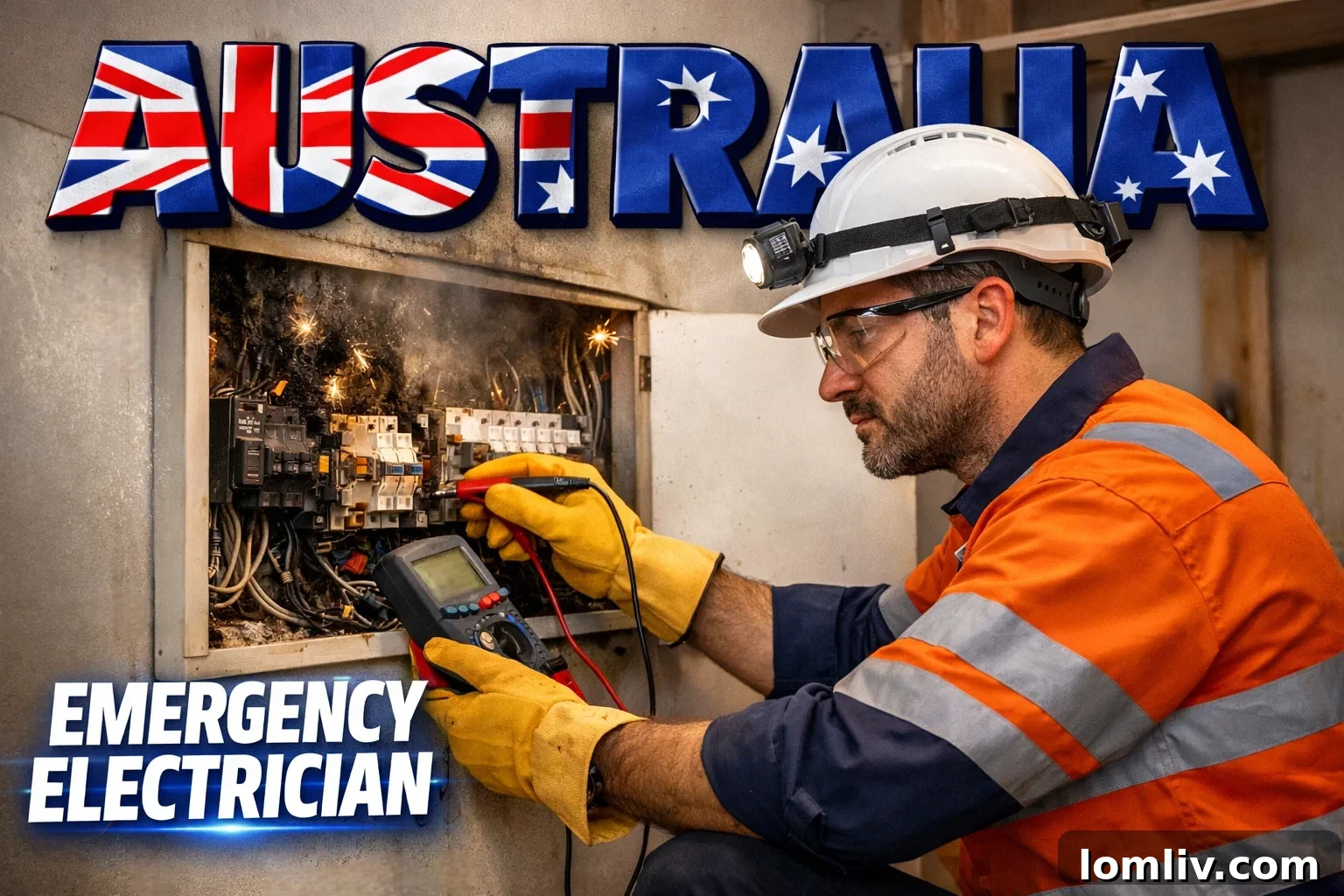
When an electrical emergency strikes, the prompt response of a professional emergency electrician is invaluable. Their primary goal upon arrival is to make the situation safe, securing the area and isolating the fault to prevent further damage or danger. This involves a systematic approach to diagnostics and repair.
Upon reaching your property, the emergency electrician will:
- Assess the Situation Safely: They will perform an initial safety assessment, ensuring the immediate environment is secure before proceeding. This often involves verifying that the power is off or safely isolating the affected circuits.
- Conduct Thorough Diagnostics: Using specialized testing equipment, they will meticulously inspect your electrical system. This includes checking the main switchboard, circuit breakers, wiring, outlets, and any affected appliances to pinpoint the exact cause of the issue. They look beyond the obvious symptoms to identify root causes, such as overloaded circuits, faulty components, loose connections, or damaged insulation.
- Implement Immediate Repairs or Temporary Solutions: Once the fault is identified, the electrician will carry out necessary repairs. This might involve replacing a faulty circuit breaker, repairing damaged wiring, rectifying loose connections, or addressing issues within an appliance’s wiring. In some complex cases, a full repair might require additional parts or follow-up work, but the immediate goal is always to address the critical safety risk and restore essential power if possible.
- Ensure Compliance and Safety Standards: Professional electricians are well-versed in local electrical codes and safety regulations. They ensure all repairs are conducted in compliance with these standards, guaranteeing the long-term safety and reliability of your electrical system. For homes and businesses in Australia, local emergency electricians are particularly familiar with common issues specific to the region’s climate, typical wiring practices in older buildings, and the demands of modern electrical loads. This localized knowledge significantly speeds up accurate diagnosis and effective repairs.
- Offer Expert Advice: Beyond immediate repairs, they can offer valuable advice on preventing future emergencies, suggesting upgrades, maintenance schedules, or how to safely manage your electrical load.
Common Root Causes of Electrical Emergencies: Understanding the Triggers
Many electrical emergencies are not sudden, isolated events but rather the culmination of issues that develop over time. Understanding these common culprits can help homeowners take preventative measures and recognize potential risks before they escalate.
- Aging and Deteriorating Wiring: Older homes often feature wiring systems that were not designed to handle the electrical demands of modern appliances and technology. Over decades, insulation can degrade, connections can loosen, and the wires themselves can become brittle, leading to short circuits, overheating, and increased fire risk.
- Overloaded Circuits: With an increasing number of electronic devices, computers, and high-power appliances in every household, it’s easy to inadvertently overload circuits. Plugging too many devices into a single outlet or circuit can draw more current than the wiring can safely handle, causing circuit breakers to trip repeatedly and leading to overheating, potentially damaging appliances and wiring.
- Outdated Electrical Panels/Switchboards: Older fuse boxes or switchboards may lack the capacity or modern safety features (like RCDs) to protect against today’s electrical loads and potential faults. They can become inefficient, unreliable, and even hazardous, leading to frequent power failures or an inability to properly isolate faults.
- Environmental Factors: Weather plays a significant role in electrical emergencies. Severe storms, lightning strikes, extreme heat, and moisture ingress can damage external wiring, surge protectors, and even internal components. Rodents gnawing on wires or general wear and tear from vibration and movement can also compromise insulation, leading to dangerous short circuits.
- Faulty Appliances or Installations: Sometimes, the emergency stems not from the house’s wiring but from a faulty appliance or a poorly executed electrical installation by an unqualified individual. These can introduce hazards into an otherwise sound electrical system.
Regular electrical inspections and proactive maintenance are critical in identifying these developing issues and addressing them before they transform into costly and dangerous emergencies.
Understanding When It’s Safe to Delay (Non-Emergency Scenarios)
While preparedness for emergencies is vital, it’s equally important to distinguish between an urgent crisis and a routine electrical issue that can safely wait for a standard appointment. Not every electrical glitch necessitates an emergency call-out, which can be more expensive. Recognizing these distinctions can save you time and money.
You might be able to wait for a standard electrician appointment if:
- A Single Outlet Stops Working: If only one power point in a room is not functioning, and there are no other accompanying signs of danger (like burning smells, sparks, or tripping breakers), it’s likely a localized fault that can be addressed during regular business hours.
- An Occasional Flickering Light: A single light fitting that flickers occasionally, without any signs of overheating or wider power fluctuations, could be a simple bulb issue, a loose connection within the fixture, or a minor wiring fault. If there are no safety concerns, it usually doesn’t require immediate emergency service.
- Minor Appliance Malfunction: If an appliance stops working but doesn’t cause a power outage or other electrical symptoms, the issue might be with the appliance itself rather than your home’s wiring.
- No Signs of Overheating or Tripping: If there’s full power to the rest of your home, no signs of smoke, burning smells, buzzing, or frequently tripping safety switches, the issue is likely not an immediate hazard.
When in doubt, it’s always best to err on the side of caution. However, if you clearly describe the symptoms when you call an electrician, they can help you determine the urgency and advise on the appropriate course of action, ensuring you get the right service at the right time.
Proactive Steps for Electrical Preparedness: Minimizing Future Risks
Preparing for electrical emergencies doesn’t just involve knowing what to do when they occur; it also means taking proactive steps to minimize their likelihood. A well-prepared household is a safer household.
- Familiarize Yourself with Your Electrical System: Know the location of your main switchboard and understand how to safely turn off the main power switch or individual circuit breakers. Practice this in a non-emergency situation so you are confident if an emergency arises.
- Keep Emergency Contact Information Handy: Store the contact numbers of reliable, qualified emergency electricians prominently, perhaps on your fridge or in your phone’s emergency contacts. Also, know how to contact your local electricity provider in case of widespread outages.
- Regular Electrical Safety Inspections: If your home has older wiring, has recently undergone renovations, or you frequently experience minor electrical issues, arranging a comprehensive electrical safety inspection by a licensed electrician is highly recommended. These inspections can identify potential hazards, overloaded circuits, faulty wiring, or outdated components before they escalate into emergencies. Preventive upgrades, such as replacing an old switchboard or upgrading wiring, often cost significantly less than emergency repairs and greatly reduce the risk of disruption and danger.
- Install and Maintain Safety Devices: Ensure your home is equipped with modern safety switches (RCDs) that quickly cut power in the event of an earth leakage fault, preventing electrocution. Test these regularly as per manufacturer instructions (usually every six months).
- Avoid Overloading Outlets: Use power boards with surge protection, but avoid plugging too many high-draw appliances into a single outlet or extension cord. Distribute appliances evenly across different circuits.
- Maintain Appliances: Regularly check appliance cords for fraying or damage. Replace any damaged cords or faulty appliances immediately.
Selecting the Right Emergency Electrician for Urgent Needs
When an electrical emergency demands immediate attention, choosing the right professional is paramount. The electrician you call must be not only available but also highly qualified and trustworthy. A reputable emergency electrician distinguishes themselves through several key attributes:
- 24/7 Availability and Rapid Response: The defining characteristic of an emergency service is its ability to respond at any time, day or night. Look for electricians who explicitly advertise 24/7 emergency call-out services and guarantee prompt arrival times.
- Proper Licensing and Certifications: Ensure the electrician and their company are fully licensed and certified to perform electrical work in your region. In Australia, this means they must hold valid electrical contractor licenses. This guarantees they have met stringent training and safety standards. Always ask for proof of licensing and insurance.
- Insurance Coverage: A professional electrician should carry comprehensive insurance, including public liability, to protect you and your property in the unlikely event of an accident or error during their work.
- Transparent Pricing: Even in an emergency, a professional service will offer clear communication regarding their pricing structure. While emergency call-out fees might be higher, there should be transparency about charges for diagnosis, labor, and parts. Avoid services that are vague about costs.
- Local Expertise and Reputation: Choose electricians who operate locally and have a strong reputation within the community. Local professionals are typically familiar with the specific electrical infrastructure and common issues in your area, which can speed up diagnosis and repair. Check online reviews and testimonials for evidence of reliability and quality service.
- Clear Communication and Professionalism: In high-pressure emergency situations, clear communication is crucial. A professional electrician will explain the problem in understandable terms, outline the proposed solution, and provide upfront advice on the best course of action.
Final Thoughts: Act Smart, Stay Safe
Electrical emergencies are not just a test of patience but a critical challenge to safety. They demand fast, informed, and decisive action. Knowing precisely when to call an emergency electrician and understanding the essential first steps to take can be the most effective measures you employ to protect your home, your valuable belongings, and, most importantly, the lives of everyone within the property.
While not every minor electrical fault warrants an urgent call-out, issues that involve safety risks, the potential for fire, or a significant loss of power should never be underestimated or ignored. The safest and most prudent approach is to act quickly, prioritize immediate safety protocols, and then rely on the expertise and rapid response of qualified electrical professionals. This strategy not only helps in getting things back to normal swiftly but also plays a crucial role in preventing long-term damage and ensuring the enduring safety and reliability of your electrical system.