Ultimate Guide to Tornado Safety: Protecting Your Home and Family from Severe Weather
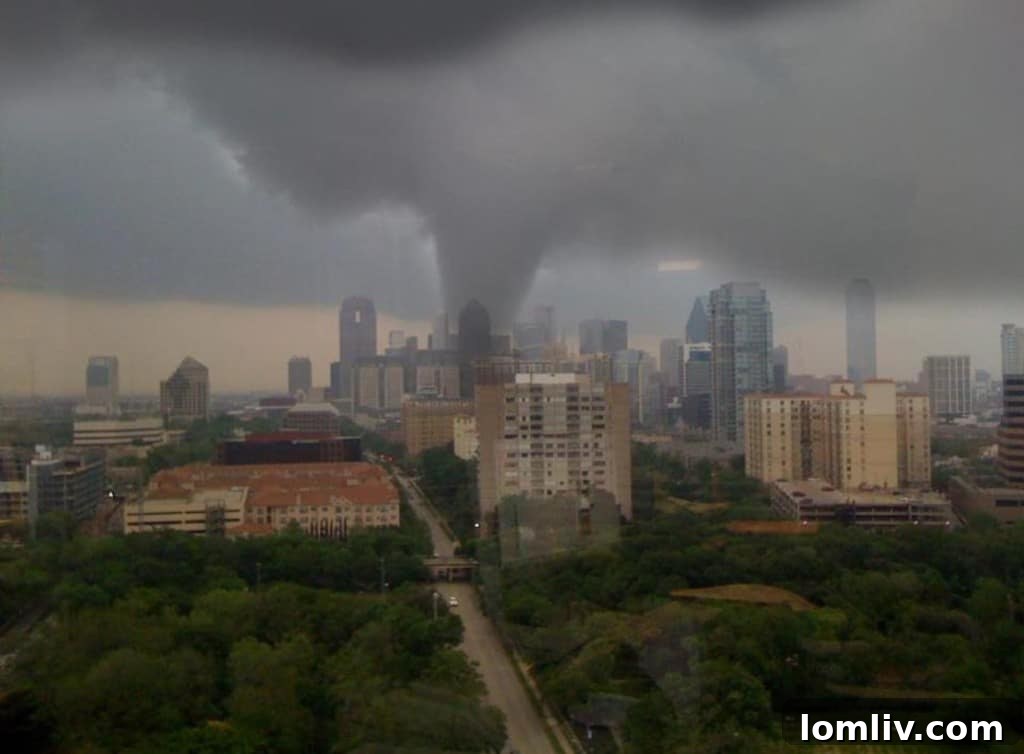
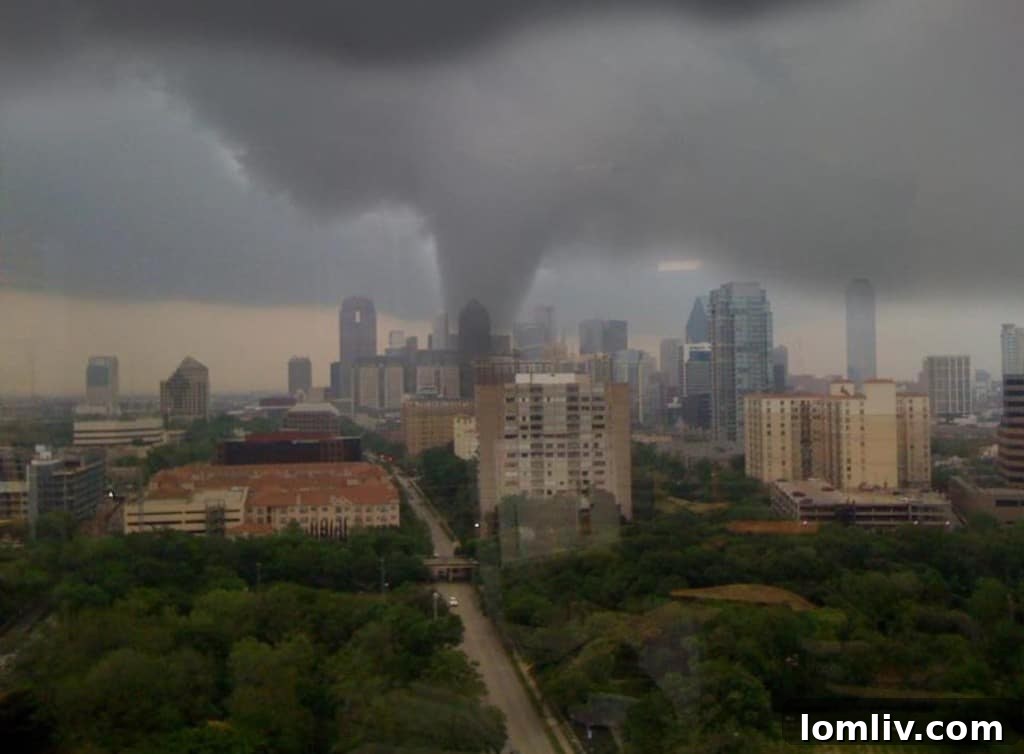
The recent devastating tornadoes that tore through North Texas serve as a powerful and urgent reminder of nature’s formidable power and the critical importance of preparedness. Just last night, our community experienced firsthand the harrowing impact of a severe storm, leaving behind a trail of destruction, significant property loss, and, tragically, fatalities. The terrifying display of lightning across the south and east, coupled with the frantic blare of Dallas North Tollway storm sirens, underscored the immediate necessity of having a robust plan in place when disaster strikes.
We extend our deepest condolences and heartfelt sympathy to those who lost loved ones and to the countless families whose homes were damaged or completely destroyed. These events highlight the pressing need for every household to prioritize tornado safety and implement effective protective measures. The tragic incidents, such as those that occurred on the I-30 overpass near George W. Bush, remind us that while some are fortunate to receive timely warnings, others face unimaginable circumstances, emphasizing the unpredictable nature of these powerful storms.
The Lifesaving Power of Advanced Storm Alert Systems
In the face of rapidly developing severe weather, sophisticated storm alert systems are nothing short of miraculous. My own experience driving at 60 mph on the Dallas North Tollway, receiving a crucial alert amidst a fierce lightning display, exemplifies their invaluable role. These state-of-the-art systems, utilizing a vast network of radar, satellites, and ground observations, provide timely warnings that can literally mean the difference between life and death. Modern alert technologies, delivered seamlessly via smartphones, weather radios, and local broadcasts, empower communities to take shelter long before a tornado makes landfall, giving precious minutes to prepare.
The continuous advancements in meteorology and communication have transformed how we perceive and react to tornado threats. Understanding the different types of alerts is fundamental to effective response. A “tornado watch” indicates that conditions are favorable for tornadoes to develop in your area, prompting vigilance and preparation. A “tornado warning,” on the other hand, means a tornado has been sighted or indicated by radar, requiring immediate action and seeking shelter. Always heed these warnings without hesitation and follow local emergency guidelines to ensure maximum safety for yourself, your family, and your pets.
Building Resilience: The Essential Role of Residential Safe Rooms
One of the most effective and proactive long-term solutions for tornado safety is the installation of a residential safe room. These purpose-built structures are rapidly gaining popularity as a reliable and often life-saving defense against violent tornadoes and wind-borne debris. In our own home, we invested in a storm room strategically located under the front hall stairs. This decision has provided immense peace of mind, knowing we have a designated, reinforced sanctuary ready for immediate use during severe weather events.

What Makes a Safe Room an Effective Tornado Shelter?
Residential safe rooms are meticulously designed and constructed to withstand the extreme winds and the impact of flying debris, commonly found in powerful tornadoes. Key features that contribute to their effectiveness include:
- Reinforced Walls and Roof: Typically constructed from thick concrete, steel, or other high-impact-resistant materials, these structures are engineered to remain intact under immense pressure and direct impact.
- Sturdy, Engineered Doors: The safe room door is not an ordinary residential door; it’s often made of heavy-gauge steel, designed to resist deformation, prevent penetration by debris, and provide a secure, airtight seal against the elements.
- Secure Anchoring Systems: Safe rooms are securely anchored to the home’s foundation or concrete slab to prevent them from being lifted or displaced by incredibly strong winds and updrafts.
- Proper Ventilation: Adequate ventilation is crucial to ensure sufficient airflow, preventing suffocation during potentially extended stays, and maintaining a tolerable environment.
- Ease of Accessibility: Designed for quick and easy access, especially during sudden and rapidly escalating tornado warnings, allowing occupants to reach safety within minutes.
The beauty of modern safe rooms lies in their versatility. They can be seamlessly integrated into new home constructions or expertly retrofitted into existing properties, offering a vital and often life-saving layer of protection. Whether it’s an interior closet transformed into a hardened space, a dedicated basement storm cellar, or an external above-ground unit, the goal remains consistent: to create an impenetrable core within your home. I recently took the crucial step of clearing out our safe room, ensuring it’s free of clutter and ready for immediate use – a vital lesson learned that even the most robust shelter is only as good as its accessibility and readiness.
Beyond the Shelter: Crafting a Comprehensive Tornado Disaster Plan
While a dedicated safe room provides unparalleled protection, a holistic approach to tornado preparedness involves much more than just a physical shelter. Every family needs a well-thought-out game plan for disaster, one that covers what to do before, during, and after a storm. Our experience last night, instinctively grabbing the dog, the outdoor bird, a couple bottles of wine (and surprisingly, a towel!), highlighted the mix of rational and instinctive reactions during a crisis. It powerfully underscored the importance of having essential items readily available and knowing precisely what to do.
Essential Elements of Your Emergency Preparedness Kit:
A well-stocked emergency kit is crucial for survival and comfort during and in the immediate aftermath of a severe storm. Consider keeping these vital items in or immediately adjacent to your safe room, organized in an easily transportable container:
- Water Supply: At least one gallon of water per person per day for a minimum of several days, for both drinking and basic sanitation needs.
- Non-perishable Food: A several-day supply of easy-to-prepare, non-perishable food items such as canned goods, energy bars, and dried fruit, along with a manual can opener.
- Lighting Solutions: Multiple reliable flashlights with extra batteries. Avoid candles due to the inherent fire risk in damaged structures.
- Comprehensive First-Aid Kit: Include bandages, antiseptic wipes, pain relievers, any necessary prescription medications, and allergy medicines.
- Signaling Device: A whistle to signal for help if you become trapped or disoriented after the storm.
- Air Filtration: Dust masks to help filter contaminated air or airborne debris.
- Temporary Repairs: Plastic sheeting and duct tape for temporary shelter, covering broken windows, or securing leaks.
- Utility Shut-off Tools: A wrench or pliers to turn off utilities if necessary, preventing further damage or hazards.
- Communication Devices: A manual phone charger or fully charged power bank, and a battery-powered radio for critical weather updates and news.
- Navigation Aids: Local maps in case GPS or cellular service is unavailable.
- Important Documents: Waterproof copies of insurance policies, identification, bank records, and other critical papers.
- Cash Reserves: Small denominations of cash, as ATMs and electronic payment systems may not be operational.
- Comfort Items: Blankets or sleeping bags for warmth, along with pillows and throws for added comfort and potential cushioning.
- Pet Supplies: Ample food, water, a leash, carrier, and any medications for your furry or feathered friends. Our dog even has a designated water/food bowl ready in the safe room.
- Personal Hygiene Items: Wet wipes, hand sanitizer, feminine hygiene products, and trash bags.
The wailing of the Dallas tornado sirens as my husband pulled the safe room door shut and latched it served as a powerful and unforgettable reminder: when a tornado warning sounds, there’s no time to gather supplies. Everything should be pre-staged, organized, and easily accessible within seconds.
Exploring Commercial Shelter Solutions for Enhanced Safety
For those considering adding a dedicated shelter to their property, commercial options provide engineered solutions tailored to various needs and budgets. Companies like New Day Tornado Shelters, hailing from Tulsa, Oklahoma – a region intimately familiar with the devastating power of twisters – offer robust, factory-built safe rooms designed to meet stringent safety standards. With options available around the $3200 mark, these shelters represent a significant and prudent investment in safety.
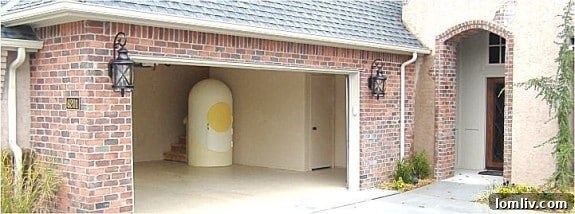
These prefabricated units often come with professional installation services, ensuring they meet rigorous safety standards and local building codes. Investing in a pre-manufactured tornado shelter can be an excellent choice for homeowners looking for a reliable, certified protection solution without the complexities and potential delays of custom construction. It’s an investment not just in a physical structure, but in invaluable peace of mind and the potential preservation of life during the most violent storms.
Improvised Shelters: Making the Most of Your Home’s Existing Structure
While a purpose-built safe room offers the highest level of protection, not every home has one. In such cases, understanding how to utilize existing parts of your home as temporary shelters is absolutely vital. The core principle is to seek the innermost part of your home, on the lowest floor, with as many walls as possible between you and the outside. Remember, there is no absolute 100% tornado-proof shelter unless you are deep underground, but adhering to these guidelines significantly increases your chances of survival.
Bathrooms as Temporary Tornado Shelters:
Bathrooms can often serve as adequate shelters, provided they meet specific criteria. Look for a bathroom located in the interior of your home, ideally away from outside walls, and without any windows. The commonly held belief about getting into a bathtub with a mattress has some merit in certain situations, as the tub can offer a slight degree of protection from falling debris. However, the true strength often comes from the bathroom’s interior placement and the structural reinforcement provided by plumbing within the walls. If your bathroom has exterior windows or is situated along an outside wall, its effectiveness as a safe spot is significantly reduced.
Closets as Safe Havens During a Tornado:
A small, interior closet can also function as a temporary shelter during a tornado. Similar to bathrooms, the best closets for this purpose are those situated deep inside the building, free from any outside walls, doors, or windows. The smaller the space and the more surrounding interior walls, the better. Always remember to close the closet door securely and cover yourself with heavy blankets, mattresses, or even sleeping bags to add an extra layer of protection from flying debris and collapsing structures.
Under Stairwells: Harnessing Structural Advantage:
The space underneath a stairwell can often provide a surprising degree of protection. Stairwells are typically built with robust framing and significant structural support, making the area beneath them a relatively strong and enclosed space. This area can act as a natural barrier against collapsing ceilings or walls. In general, it is substantially safer to remain in your home in a designated shelter area than to attempt to leave in your vehicle when a tornado threatens, as you risk encountering the storm directly and getting caught in its path.
Hallways for Essential Protection:
If an interior hallway is your chosen shelter area, prioritize one on the lowest floor and ensure all doors leading into and out of the hallway are securely shut. The objective is to create as many physical barriers as possible between yourself and the dangerous, fast-moving debris associated with a tornado. An effective hallway shelter should be as far inside the building as possible and should not have any direct openings to the outside, such as windows or exterior doors, to minimize exposure.
Specific Considerations for Apartment Dwellers:
Apartment residents, particularly those residing on upper floors, require a specific and proactive tornado preparedness plan. If your apartment complex does not have a reinforced community shelter, make prior arrangements to seek refuge in an apartment on the lowest possible floor, ideally with a friend or neighbor. The more walls and floors above you, the greater the risk. In some instances, a community clubhouse or laundry room within the complex might serve as an adequate shelter, provided it adheres to the basic safety guidelines of being an interior space away from external walls and windows. Critically, ensure your chosen shelter area is always accessible, day or night, and that you have a clear path to it.
Community Vigilance and the Path Forward for Tornado Preparedness
The resilience demonstrated by communities like Rowlett, where prompt action and widespread vigilance in taking shelter resulted in no fatalities during the recent storms, is a powerful testament to the effectiveness of proper preparedness. Stories from friends in downtown Dallas and Uptown, advised to seek refuge in parking garages and reinforced stairwells, underscore a universal truth: informed action and preparedness save lives. These narratives are not merely anecdotes; they are crucial lessons for everyone living in tornado-prone regions.
As we continue to rebuild and recover from these devastating events, a pertinent question lingers for many homeowners: Would you pay extra for a home that includes a certified tornado shelter? For an increasing number of individuals, the answer is a resounding yes. The added peace of mind, enhanced safety for loved ones, and potential long-term property value often far outweigh the initial investment. In an era of unpredictable weather patterns and increasing storm intensity, a home equipped with a storm shelter is not merely a luxury but a prudent, life-affirming decision and an essential component of modern home safety.
Ultimately, tornado safety is a continuous commitment that requires ongoing vigilance. It involves staying informed through reliable weather sources, maintaining a fully stocked and readily accessible emergency kit, and having a clear, well-practiced plan for when severe weather strikes. Whether you choose to install a state-of-the-art safe room or fortify an interior space within your existing home, proactive measures are your strongest defense. Don’t wait for the next storm to arrive; prepare today to protect what matters most – your family, your home, and your peace of mind.