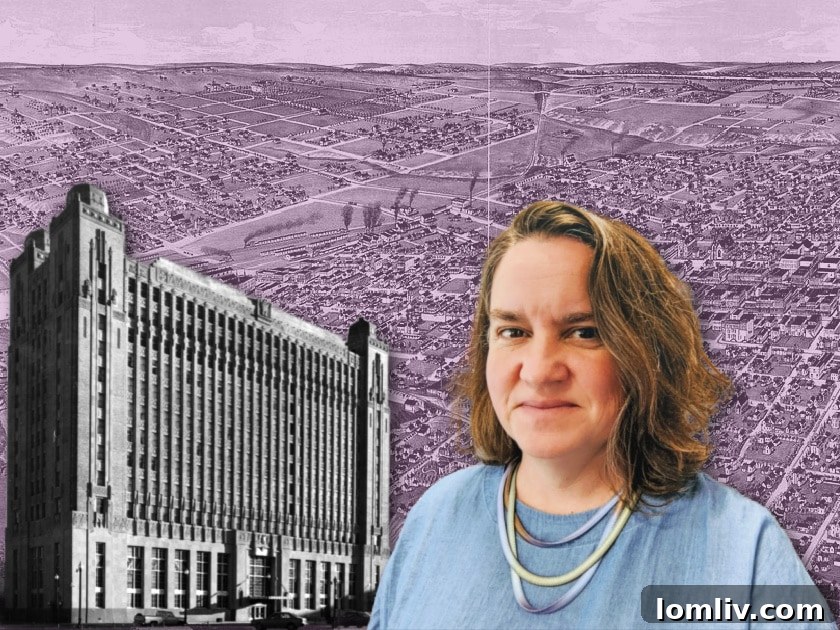
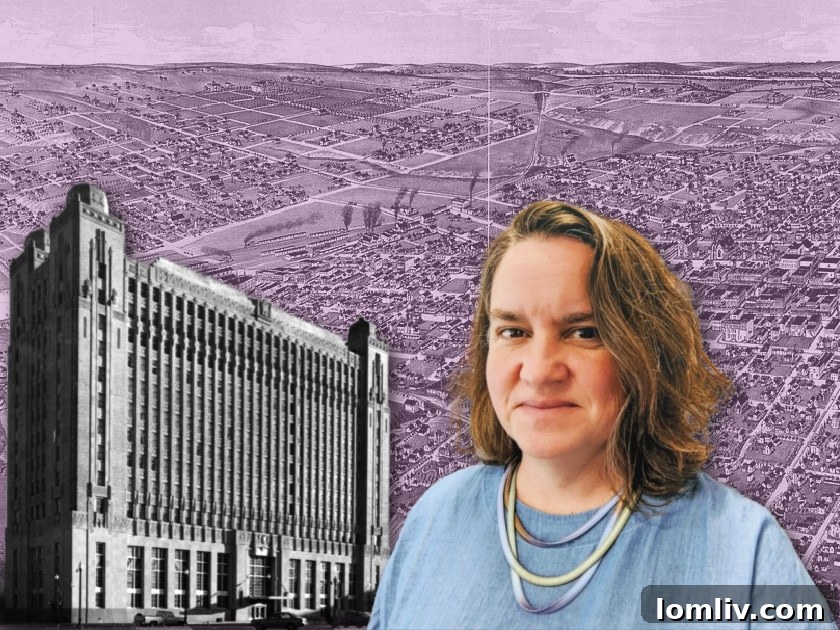
While global metropolises like New York City proudly showcase iconic Art Deco masterpieces such as the Chrysler Building, the vibrant city of Fort Worth, Texas, holds its own impressive collection of this distinct architectural style. Often referred to as “Cowtown,” Fort Worth’s Art Deco heritage provides a captivating glimpse into its past, symbolizing a period of ambition, modernity, and economic flourishing. This rich inventory of architectural gems will be the focal point of an eagerly anticipated lecture presented by Dr. Kathryn E. Holliday, a distinguished scholar in architectural history and historic preservation. Her insights will illuminate the unique fusion of historical context and modernist design that shaped Fort Worth, making it a must-attend event as part of Historic Fort Worth’s esteemed Cantey Lecture series.
The annual Cantey Lecture series serves as a cornerstone event for enthusiasts of local history and architectural design, bringing together experts to delve into critical aspects of preservation and urban development. This year’s installment, eloquently titled “Nowtown and Cowtown: Art Deco Architecture and a Modern Fort Worth,” promises an engaging exploration of how Fort Worth embraced the Art Deco movement. Scheduled for Thursday at 5:30 p.m., the lecture will take place at the elegant Everly Plaza Gallery, conveniently located at 1801 8th Ave. Dr. Holliday emphasizes the core essence of Art Deco, stating, “Art Deco is a style associated with commercial architecture. It was a symbol of American prosperity and corporate modernity.” This powerful statement underscores the movement’s connection to economic growth and a forward-thinking vision for the city, reflecting an era when Fort Worth, much like other American cities, was keen to project an image of progress and sophistication.
Dr. Kathryn E. Holliday: A Beacon in Historic Preservation
Dr. Kathryn E. Holliday brings an unparalleled depth of knowledge and passion to the discourse on historic preservation and the dynamic Art Deco movement that captivated the world in the 1920s and 1930s. Her extensive career has been dedicated to understanding and safeguarding the architectural legacies within communities. For 16 years, she served as a revered professor at the University of Texas at Arlington, where she inspired countless students and made significant contributions to the academic field. Beyond her academic roles, Dr. Holliday’s commitment to local heritage is evident through her past service as a dedicated board member for Historic Fort Worth, an organization at the forefront of preserving the city’s architectural treasures. Her profound expertise and leadership in historic preservation are widely recognized, culminating in her recent recruitment for a prestigious, newly created position: the first Randall Biallas endowed professor of historic preservation and American architectural history of landscape architecture at the esteemed University of Illinois Urbana-Champaign. This appointment not only highlights her individual achievements but also signifies the growing importance of interdisciplinary approaches to understanding our built environment.

Among Fort Worth’s array of Art Deco marvels, Dr. Holliday frequently highlights the magnificent Texas & Pacific Railway Station as a quintessential example of the style’s grandeur and functional elegance. Located at 221 W. Lancaster, this architectural icon, completed in 1931, stands as a testament to the era’s sophisticated design principles. Its listing on the National Register of Historic Places further solidifies its cultural and historical significance. The terminal masterfully encapsulates the core tenets of Art Deco architecture: characterized by its striking simplified geometric forms, the discerning use of luxurious building materials such as polished granite, gleaming brass, and intricate terra cotta, and the prominent integration of dynamic transportation motifs. These elements collectively transform the station from a mere functional building into an impressive work of art that continues to captivate visitors and residents alike.
Dr. Holliday elaborates on the profound connection between Art Deco and the golden age of rail travel. “A lot of best examples are associated with the train,” she notes. “The T&P building is beautiful. The train company embraced this new modern style, to symbolize the modernity of the train and to make train travel exciting.” This observation underscores how the railway industry, a symbol of progress and connectivity in the early 20th century, strategically utilized Art Deco’s sleek lines and forward-looking aesthetics to convey a sense of speed, efficiency, and glamour. The T&P Station, with its soaring tower and meticulously crafted interiors, was designed to evoke a feeling of excitement and anticipation for travelers, making the journey itself an integral part of the modern experience. The station’s intricate details, from the geometric patterns in the terrazzo floors to the stylized eagles and trains carved into its façade, all served to reinforce the narrative of a thriving, modern Fort Worth connected to the nation through a sophisticated transportation network.
Beyond the grandeur of railway stations, Dr. Holliday’s current book project, “Telephone City,” delves into another fascinating facet of Art Deco’s widespread influence: the proliferation of telephone buildings constructed throughout the 1920s and 1930s. These often-overlooked structures, she argues, were equally significant “expressions of modern technology and modern cities.” Her meticulous research has unearthed a collection of what she describes as “glorious Art Deco telephone buildings,” which surprisingly can be found in both Fort Worth and its neighboring metropolis, Dallas. What truly captivates her interest is not merely the architectural design, but the intricate interplay between design and corporate strategy. “I got really interested not in just how these buildings were built by architects, but how the telephone companies built these buildings.” This line of inquiry explores the corporate decisions, technological advancements, and public image campaigns that influenced the construction and aesthetic choices of these essential communication hubs. These telephone buildings, often adorned with Art Deco’s characteristic blend of geometric precision and decorative flourishes, silently narrate a story of technological advancement, urban expansion, and the evolving face of corporate America, each a crucial piece in the mosaic of Fort Worth’s architectural legacy.
Historic Fort Worth, “Cowtown Moderne,” and the Legacy of Judith Singer Cohen
During her highly anticipated Thursday lecture, Dr. Holliday will also pay tribute to the seminal work of Judith Singer Cohen, whose book “Cowtown Moderne” stands as a definitive exploration of Fort Worth’s unique Art Deco architecture. Cohen’s meticulous research and profound understanding have provided invaluable insights into how this style took root and flourished in the city, offering a rich historical context that complements Dr. Holliday’s own findings. Furthermore, the lecture will feature a poignant display of Art Deco items once owned by Judith Singer Cohen and her late husband, Don Cohen. These artifacts, previously exhibited at UTA, represent a personal connection to the era and its aesthetic, adding another layer of authenticity to the event. In a special tribute, Don Cohen’s captivating photographs, which undoubtedly capture the spirit and details of Fort Worth’s Art Deco buildings, will also be proudly displayed, allowing attendees to visualize the grandeur and subtle nuances of the period through his artistic lens.
As a distinguished architecture historian, Dr. Holliday is an exceptionally fitting choice to lead The Cantey Lecture, an annual event specifically curated to highlight advancements and discussions in architectural history and historic preservation. Her qualifications extend far beyond academic accolades; she was the visionary founding director of the David Dillon Center for Texas Architecture, a testament to her pioneering spirit and dedication to regional architectural studies. In this role, she also conceived and established the Dillon Symposium, a vital forum designed to address pressing issues concerning architecture and urbanism specifically within the dynamic North Texas region. Her leadership in these initiatives underscores her deep commitment to fostering a greater understanding and appreciation of our built heritage, making her insights on Fort Worth’s Art Deco landscape particularly resonant and authoritative. Attendees can expect a lecture that is not only informative but also deeply engaging, drawing on years of dedicated research and a profound love for architectural history.
Thursday evening promises to be a celebratory occasion for the preservation community, as Historic Fort Worth will also host The Cantey Awards. These prestigious awards are dedicated to recognizing and honoring individuals and organizations that have demonstrated outstanding achievements in the field of historic preservation throughout the year. The ceremony provides an important platform to highlight exemplary efforts in safeguarding and revitalizing Fort Worth’s invaluable architectural and cultural heritage, reinforcing the city’s commitment to its past while building for the future. The entire event, encompassing Dr. Holliday’s lecture and the awards presentation, is open to the public, offering a unique opportunity for community members to engage with and celebrate their local history. Admission to this enriching experience is free for members of Historic Fort Worth, a privilege designed to encourage and reward sustained support for the organization’s vital work. Non-members are warmly invited to participate and can purchase tickets for $50 online via Historic Fort Worth here, ensuring everyone has the chance to be part of this significant cultural event and support the ongoing mission of historic preservation in Fort Worth.