By Brenda Masse
Special Contributor
For those outside the world of real estate and home maintenance, a house is often just four walls and a roof. But for home inspectors, every property tells a story – sometimes a truly unbelievable one. These skilled professionals spend their days meticulously examining homes, not just to identify significant issues, but also to uncover the hidden quirks and bewildering DIY projects that often leave them scratching their heads, and occasionally, bursting into laughter. While these #HomeInspectionFinds can be hilariously absurd, they often underscore serious safety concerns or costly repairs waiting to happen. Get ready to laugh, cringe, and perhaps learn a thing or two about what NOT to do around your home.
A Kaleidoscope of Calamity: The Water Heater Wonderland
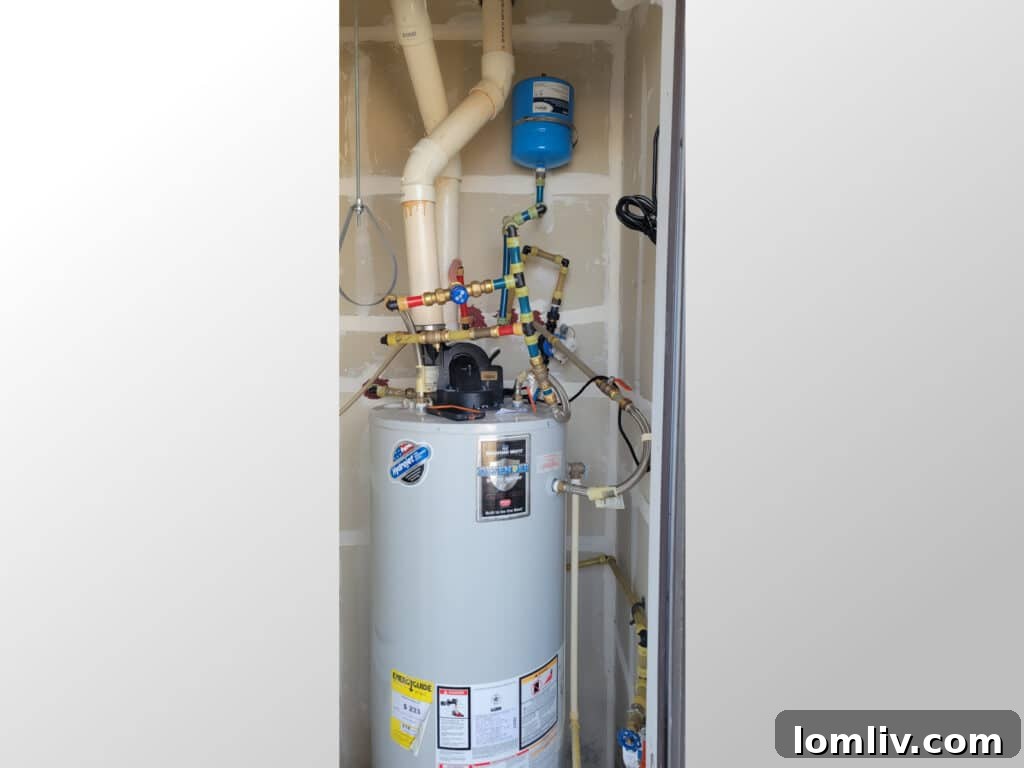
First up on our list of head-scratchers is a water heater connection that seems to have been inspired by a child’s building set rather than a plumbing code. Our inspectors often encounter unconventional fixes, but this particular arrangement, with its vibrant array of mismatched pipes and connectors, truly stands out. It’s almost as if someone emptied a box of Tinker Toys and decided to improvise a plumbing solution. While the colorful mishmash might be visually striking, it’s a stark reminder of the potential dangers lurking beneath a seemingly harmless DIY project.
Water heater installations are far from simple. They involve complex systems designed to handle high pressure, extreme temperatures, and, in many cases, combustible gases. Using improper materials, making unsealed connections, or failing to adhere to local plumbing codes can lead to catastrophic consequences. These include leaks that cause extensive water damage, gas leaks posing fire or carbon monoxide poisoning risks, or even explosive rupture of the tank itself. A properly installed water heater should utilize appropriate materials like copper or flexible stainless steel connectors, be securely fastened, and include essential safety features such as a temperature and pressure relief (TPR) valve properly piped to an approved discharge location. This “colorful” attempt, sadly, falls short on virtually every safety and functionality metric, highlighting why professional plumbing expertise is not just recommended, but essential for such critical appliances.
The Downhill Battle for Wastewater: Kitchen Sink Nightmares
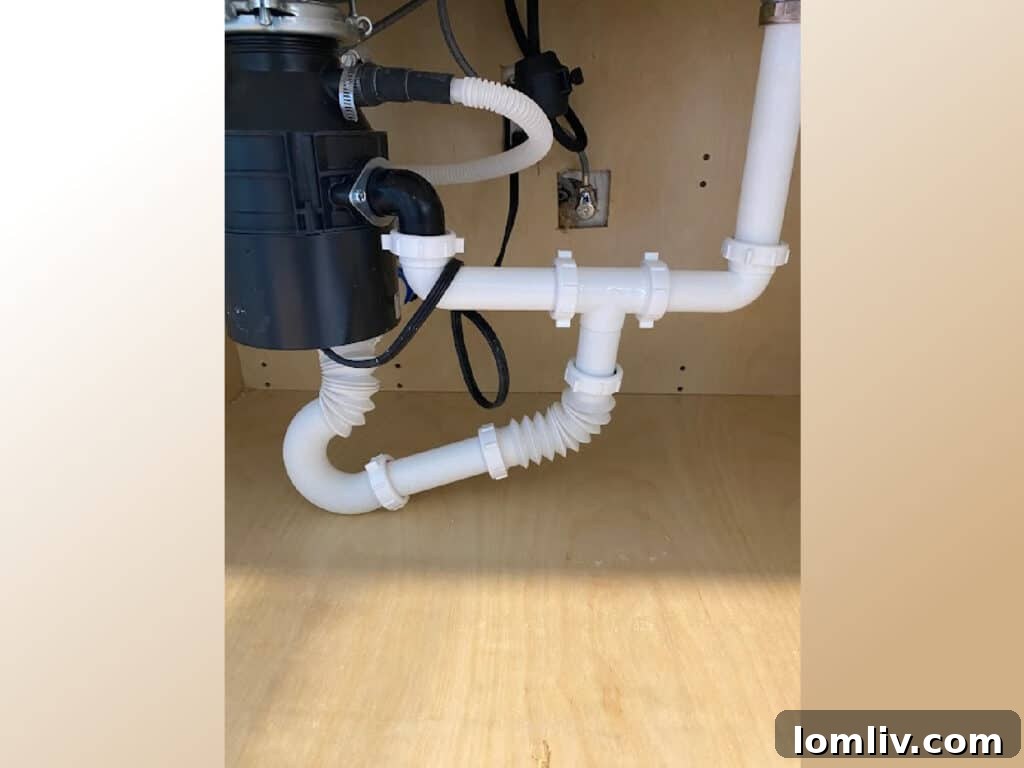
As the inspector who discovered this gem succinctly put it: “All of this is bad.” And indeed, it is. The plumbing beneath a kitchen sink, while seemingly straightforward, is a finely tuned system designed to efficiently remove wastewater and prevent noxious sewer gases from entering your home. This particular setup, however, defies nearly every principle of effective drainage and sanitation, promising a cascade of headaches for the unsuspecting homeowner.
The primary culprit here is the infamous accordion-style flexible pipe. While tempting for its ease of installation, this material is a plumber’s worst nightmare. Its corrugated folds act as natural traps for food debris, grease, and hair, leading to frequent and stubborn clogs. Unlike smooth PVC pipes, which allow for a clear flow, the accordion design guarantees blockages over time. Compounding this issue are the numerous sharp turns and the egregious violation of gravity: the pipe is forced to run uphill before reaching the main drain. Wastewater relies on gravity to flow efficiently. When it has to fight an incline, it slows, backs up, and further contributes to debris accumulation. A properly installed P-trap system uses smooth, rigid pipes with a gentle slope, ensuring wastewater flows freely and keeps harmful gases at bay. This example is a potent reminder that cutting corners in plumbing almost always leads to costly and unpleasant consequences down the line.
The Curious Case of the Crawl Space Feast: What Lies Beneath?
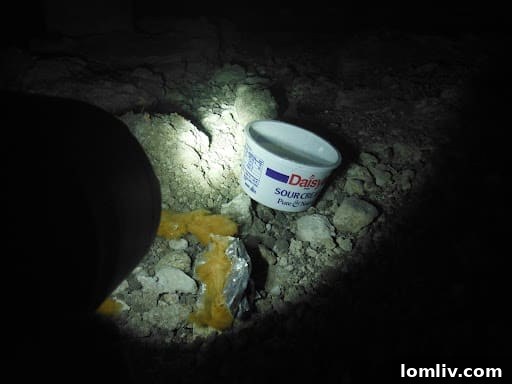
Crawl spaces are typically dark, dusty, and often uninviting areas of a home, usually reserved for utility access and providing ventilation for the subfloor. Inspectors expect to find things like plumbing lines, electrical wiring, and perhaps some insulation debris. What they don’t expect is a forgotten picnic, complete with sour cream and what appears to be a half-eaten baked potato, nestled alongside an empty beer can. This discovery raises so many questions: How did it get there? Why was it left? And, perhaps most importantly, what else might be lurking in this enigmatic underbelly?
While the immediate reaction might be amusement, unusual food items in a crawl space are often more concerning than funny. They can be tell-tale signs of pest infestations, indicating that rodents or other critters have found a way in and are making themselves at home. Food waste also attracts mold and mildew, especially in damp, poorly ventilated crawl spaces, contributing to poor indoor air quality and potential structural damage. A well-maintained crawl space should be clean, dry, and free of debris and organic materials that could serve as food or shelter for pests. Any signs of neglect, such as forgotten meals or unusual items, warrant a thorough investigation to ensure the integrity of the home’s foundation and overall health. This find is a humorous, yet poignant, reminder that every corner of a home, even the unseen ones, tells a story about its past care and potential future needs.
The Shocking Shortcut: Wiring Through Brick – A DIY Disaster
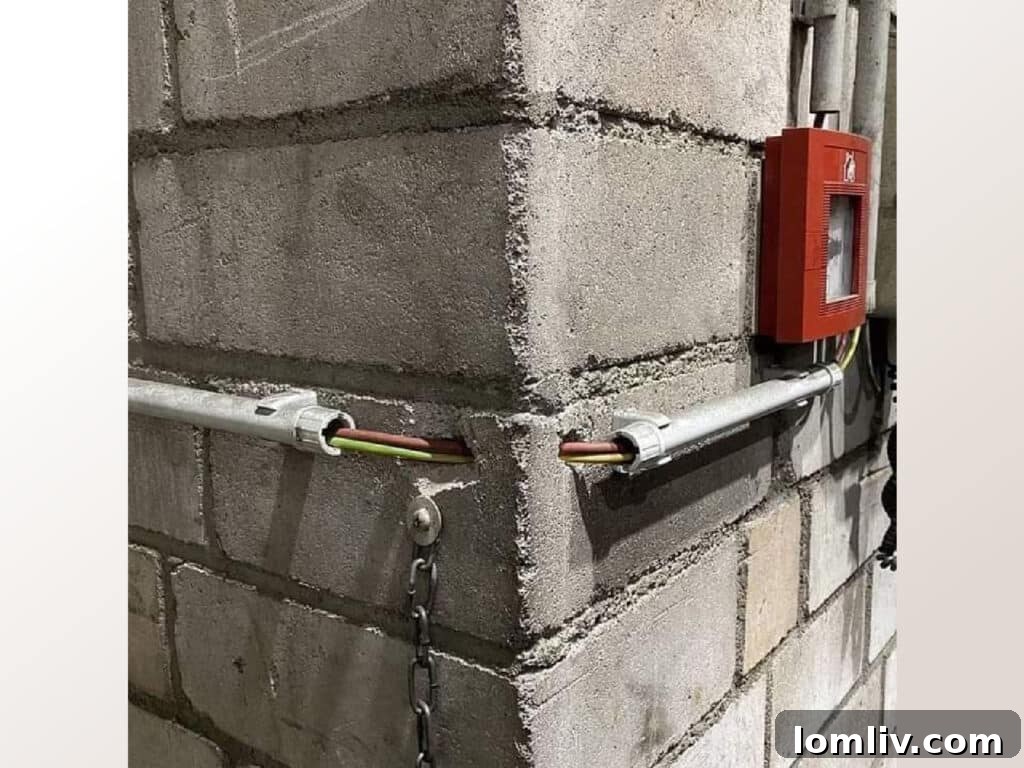
It takes a special kind of ingenuity – or perhaps, a distinct lack thereof – to opt for this method of electrical wiring. Rather than running a proper conduit or routing wiring through established channels, someone decided the most efficient solution was to simply drill a hole directly through the home’s brick exterior. Wouldn’t you just love to meet the “brainiac” behind this particular masterpiece? While it might have seemed like a clever shortcut at the time, this approach introduces a severe and immediate safety hazard that any qualified electrician would unequivocally condemn.
Electrical wiring requires meticulous installation to ensure safety and compliance with stringent building codes. Drilling through brick can damage the wire’s insulation, exposing the live conductors to moisture, pests, and physical abrasion. This creates a direct pathway for water intrusion, leading to short circuits, system failures, and, most alarmingly, a significant risk of electrical fire or electrocution. Proper exterior wiring should always be housed in weather-rated conduit, sealed appropriately, and installed by a licensed professional. This ensures protection from the elements, physical damage, and prevents hazards from developing. This “shortcut” is a glaring example of how seemingly simple DIY electrical work can spiral into a life-threatening situation, underscoring the non-negotiable importance of professional expertise when dealing with electricity.
The True Cost of DIY Ingenuity: More Than Just a Laugh
While these photos provide a good laugh and some memorable anecdotes for home inspectors, they also serve as a critical reminder of the underlying dangers and potential financial burdens that poorly executed DIY projects can create. The motivation behind such “fixes” often stems from a desire to save money or time, or simply a lack of understanding of proper building and safety standards. Unfortunately, these seemingly minor shortcuts frequently result in significant problems, turning a homeowner’s initial savings into much larger expenses down the road for professional repairs, or worse, dealing with the aftermath of an accident.
Every system in your home – from plumbing and electrical to HVAC and structural components – is designed to work within specific parameters and according to established codes. These codes are not arbitrary; they are developed to ensure the safety, efficiency, and longevity of your property. When individuals attempt repairs or installations without the necessary knowledge, tools, or adherence to these standards, they risk compromising the integrity of their home and the safety of its occupants. What might appear as a minor aesthetic flaw or a quirky fix to the untrained eye could, in reality, be a ticking time bomb waiting to cause water damage, electrical fires, structural instability, or health hazards like mold and poor air quality.
Moreover, these amateur repairs can significantly impact a home’s value. During a pre-purchase inspection, such glaring issues will be red-flagged, potentially leading to lengthy negotiations, reduced offers, or even the collapse of a sale. Buyers are understandably wary of homes that exhibit signs of neglect or unprofessional work, as it often suggests deeper, more systemic problems. Investing in professional maintenance and repairs, while seemingly more costly upfront, is an investment in your home’s safety, efficiency, and long-term value.
Don’t Be a #HomeInspectionFind: Ask a Home Inspector for Peace of Mind
Hopefully, you’ve been laughing along with us, and not nervously thinking, “Hey, that looks suspiciously familiar.” But if these bizarre scenarios have sparked a moment of recognition, or if you simply have nagging doubts about some of the “creative” solutions you’ve seen around your own house, it’s time to take action. The safety and integrity of your home are paramount, and addressing potential issues sooner rather than later can save you significant time, money, and stress.
Professional home inspectors are not just problem-finders; they are educators and guardians of your property’s health. They possess the keen eye, in-depth knowledge, and specialized tools to identify issues that might be invisible or misunderstood by the average homeowner. Whether it’s a questionable plumbing connection, dubious wiring, or an unknown mystery in your crawl space, an expert can provide clarity, advise on proper remediation, and offer peace of mind. Don’t wait for a laugh-out-loud disaster to unfold. You can #AskAHomeInspector anytime and proactively ensure your home is safe, functional, and well-maintained. Consider setting up a comprehensive Home Health Checkup today. It’s an investment in your family’s safety and your home’s future.