

Unlocking Homeownership: Mortgage Solutions for the Self-Employed
For millions of entrepreneurs, freelancers, and small business owners, the dream of homeownership often collides with the rigid realities of traditional mortgage lending. Securing a home loan can be an uphill battle for self-employed individuals, primarily because conventional lenders typically seek a long history of stable, W2-based income. This article delves into the systemic challenges faced by the self-employed in the housing market and introduces innovative solutions designed to bridge this critical gap, ensuring that financial capability, not employment status, determines access to homeownership.
The Unique Hurdles Self-Employed Professionals Face in Mortgage Applications
The journey to obtaining a mortgage is distinctly different for those who are self-employed compared to traditionally employed individuals. While many self-employed professionals are financially thriving, their income structures and tax strategies often don’t align with the conventional underwriting models used by most banks and financial institutions. This mismatch creates significant barriers, even for highly qualified borrowers.
Understanding Traditional Lender Requirements
Traditional mortgage lenders operate on a predictable framework. They prefer to see a consistent employment history, typically with a single employer, and a steady, verifiable income stream reported on W2 forms. This provides them with a clear, straightforward picture of a borrower’s ability to repay a loan. For the self-employed, however, income can fluctuate. An independent contractor might experience periods of high earnings interspersed with downtime between projects, leading to varying monthly or quarterly income. This inherent variability, while a normal part of entrepreneurial life, is often flagged as a risk by automated underwriting systems that are not built to interpret such nuances.
The Impact of Business Write-Offs and Fluctuating Income
One of the cornerstone advantages of self-employment is the ability to deduct legitimate business expenses, including significant capital investments, from taxable income. While these tax write-offs are a smart financial strategy for business growth and tax optimization, they can drastically reduce a borrower’s reported taxable income. From the perspective of a traditional lender, a lower reported income translates directly into a reduced borrowing capacity or, worse, outright rejection, regardless of the actual cash flow or overall financial health of the business owner. This means individuals earning substantial gross income, and possessing robust assets, might appear to have insufficient income on paper to qualify for a traditional home loan, despite being perfectly capable of affording the monthly mortgage payments.
The Growing Need for Flexible Lending Solutions in a Changing Workforce
The rise of the gig economy, independent contracting, and entrepreneurial ventures has dramatically reshaped the modern workforce. Despite this shift, the mortgage industry has been slow to adapt, leaving a significant segment of financially capable individuals underserved. This rigidity creates a bottleneck in the housing market, preventing many from realizing their dream of owning a home.
Statistics Highlight a Critical Gap in the Market
The problem is not anecdotal; it’s backed by significant data. In dynamic economic hubs like Dallas and Travis counties, where self-employment rates hover around 30 percent, approximately one in four traditional purchase loan applications face rejection, according to Zillow data. This rejection rate is alarmingly high, especially considering that many of these applicants are financially sound small business owners, freelancers, and entrepreneurs. Across the broader Texas market, and indeed nationwide, the chances of well-qualified self-employed borrowers being turned down can be even higher. This scenario underscores a fundamental disconnect: a robust and growing segment of the workforce is being systematically excluded from traditional home financing options.
“It’s not that they aren’t financially capable of buying a home—it’s that they’re up against a traditional lending system that hasn’t adapted to a changing workforce,” explains Michael Slavin, CEO of an online mortgage lender dedicated to addressing this very issue. This sentiment reflects a widespread frustration among both borrowers and real estate professionals who witness qualified individuals repeatedly hitting roadblocks.
Introducing Privlo: A New Era for Self-Employed Homeownership
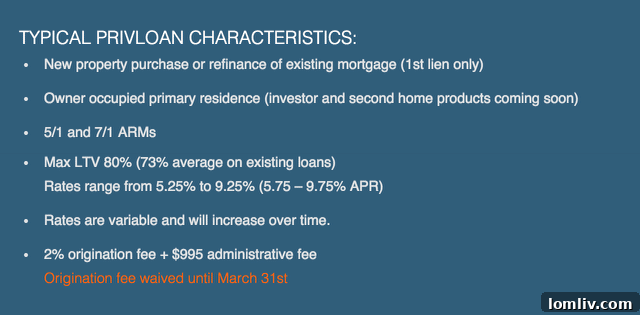
In response to this pressing market need, innovative mortgage lenders are emerging, offering tailored solutions that recognize the unique financial landscapes of self-employed individuals. Among these trailblazers is Privlo, an online mortgage lender that has redefined the underwriting process to be more inclusive and flexible. Privlo recently expanded its services into Texas, one of nine states where it operates, bringing a much-needed alternative to the market.
Privlo’s Innovative Underwriting Process: Beyond the W2
What sets Privlo apart is its commitment to understanding the full financial picture of each borrower. Unlike traditional banks that primarily rely on W2s and standardized income verification methods, Privlo employs a holistic approach. “We underwrite each borrower and are able to tailor the loans,” Slavin states, highlighting the personalized nature of their service. This means their team delves deeper into financial data, meticulously reviewing comprehensive documentation such as tax returns, detailed profit and loss statements, and bank statements. By examining a broader array of financial data points, Privlo can accurately assess a self-employed borrower’s true creditworthiness and repayment capacity, moving beyond the simplistic view offered by traditional systems. This comprehensive analysis allows them to identify financially sound individuals who might otherwise be overlooked due to non-traditional income reporting.
Leveraging Technology for Tailored Mortgage Solutions
Privlo’s operational philosophy is deeply rooted in leveraging cutting-edge technology to foster flexibility. “We’re using technology to be a lot more flexible because we deal with the exceptions to all the lending rules,” Slavin elaborates. This technological backbone enables them to efficiently process a wider range of financial data and create customized loan products. By automating certain aspects of data analysis while allowing for expert human review of complex financial profiles, Privlo can offer bespoke mortgage solutions that traditional, rigid systems simply cannot. This agile approach is particularly beneficial for the self-employed, whose financial situations often deviate from the conventional.
The Power of Private Backing: Unregulated Flexibility
A key factor in Privlo’s ability to innovate lies in its funding structure. Backed by private investors rather than government capital, Privlo operates outside the stringent federal regulations that govern many traditional lenders. This independence provides them with the latitude to develop and offer specialized loan products that cater to underserved market segments. Their venture capital investors include prominent firms like Spark Capital (known for investments in Twitter, Tumblr, Foursquare, Oculus) and QED Investors (associated with Credit Karma, Braintree, and Prosper). This robust private backing not only fuels their growth but also empowers them to be more adaptive and responsive to the evolving needs of borrowers.
Real-World Impact and Industry Endorsement
The positive impact of lenders like Privlo is palpable within the real estate community, where professionals frequently encounter the frustration of seeing well-qualified clients rejected by traditional banks. April McGowan of Keller Williams Realty in Dallas, who has been collaborating with Privlo, underscores this point: “I see homebuyers with great income and great credit get rejected all the time just because they don’t have a cookie-cutter 9-to-5 job.”
Bridging the Gap for Qualified Borrowers
McGowan’s experience is a testament to the transformative role Privlo plays. She notes, “I’m referring more and more of my clients to Privlo, who are actually able to close on mortgage loans that banks categorically reject—it’s helping bring balance to the system and helping real estate professionals bring new buyers into the market.” This sentiment is echoed by Privlo’s Chief Credit and Product Officer, Saro Vasudevan, who estimates that around 25 percent of high-quality borrowers in Texas are currently unable to secure loans through traditional channels. By providing viable financing options, Privlo not only empowers individual home buyers but also stimulates local housing markets and fosters a more equitable lending environment.
The Visionary Behind Privlo: Michael Slavin’s Journey
The genesis of Privlo stems from a keen observation made by its CEO, Michael Slavin, during his extensive career in private equity and real estate. His experiences laid the groundwork for identifying a critical unmet need in the mortgage industry.
From Real Estate to Revolutionary Lending
Slavin’s inspiration for Privlo was sparked during his time developing condominiums in Los Angeles. He noticed a peculiar yet common phenomenon among individuals working in the Hollywood industry. “A lot of people working in the Hollywood industry have [money] in the bank, but work eight months of the year, and they can’t get a home loan even though they have good credit,” Slavin recounted. These were individuals with substantial assets and strong credit scores, yet their irregular employment patterns, typical of the entertainment industry, rendered them ineligible for traditional loans. “These were extremely qualified borrowers who were unable to get traditional loans,” he emphasized. This glaring disparity highlighted a systemic flaw that Slavin was determined to rectify, leading him to found Privlo in California in 2011.
Expanding Horizons: Who Benefits from Privlo’s Approach?
Privlo’s mission extends beyond just the self-employed, encompassing a broader spectrum of borrowers who find themselves outside the conventional lending box. Their flexible underwriting model is designed to assist diverse groups, ensuring that a wider range of financially responsible individuals can achieve homeownership.
- Self-Employed Professionals: This includes freelancers, independent contractors, small business owners, and entrepreneurs whose income may fluctuate or whose tax write-offs reduce their reported income.
- Asset-Rich Retirees with Irregular Income: Many retirees have substantial assets but may draw income irregularly or rely on portfolio income that traditional lenders struggle to quantify as steady.
- Credit Rebuilders: Individuals who have experienced a single negative credit event in the past but have since demonstrated financial responsibility and are actively working to improve their credit profile.
- Borrowers with Limited Credit History: This category includes foreign nationals with work visas, younger borrowers who haven’t had time to build extensive credit, or others who simply lack a long history of traditional credit. Privlo looks at alternative data to assess their creditworthiness.
Privlo’s Growth and Future Outlook
Following its initial soft launch, Privlo’s team has diligently worked to refine its processes, establish local presence, and forge key partnerships. They have spent several months collaborating closely with local Realtors, opening a dedicated office in Austin, and fine-tuning their services to specifically cater to Texas’ burgeoning self-employed population. This localized approach ensures their solutions are relevant and accessible to the communities they serve.
Strategic Expansion Across the U.S. Housing Market
The company’s ambitious growth trajectory indicates a clear commitment to addressing this market gap on a national scale. Privlo plans to significantly expand its footprint, aiming to operate in 21 states by the end of 2015. This strategic expansion is designed to cover more than 90 percent of the American housing market, making their innovative mortgage solutions accessible to a vast majority of non-traditional borrowers across the country. Their expansion signifies a growing recognition within the financial industry that the traditional mortgage model needs to evolve to meet the demands of a dynamic and diverse workforce.
Conclusion: A Brighter Future for Non-Traditional Borrowers
The challenges faced by self-employed individuals in securing home loans have long been a significant barrier to homeownership for a substantial portion of the U.S. workforce. However, with the advent of innovative lenders like Privlo, the landscape is rapidly changing. By embracing flexible underwriting, leveraging advanced technology, and focusing on a holistic view of a borrower’s financial health, these new solutions are empowering entrepreneurs, freelancers, and other non-traditional wage earners to achieve their homeownership dreams. As the workforce continues to evolve, the adaptability and inclusivity offered by companies like Privlo will become increasingly vital, fostering a more balanced and accessible housing market for everyone.