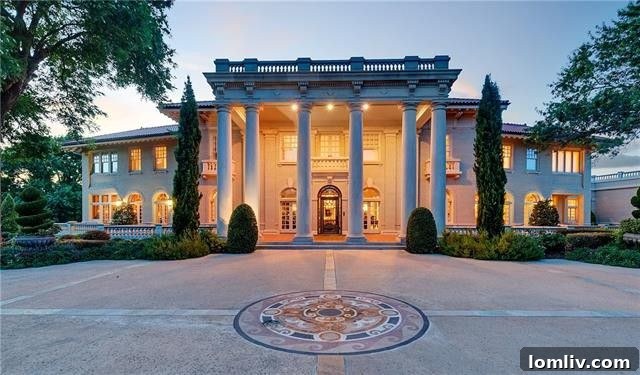
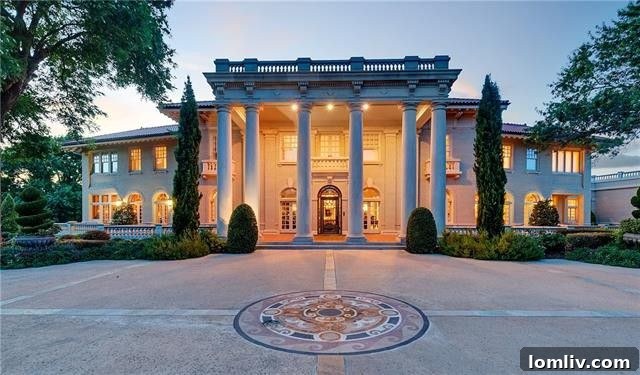
The Baldridge House: A Timeless Georgian Masterpiece in Fort Worth
Some homes transcend mere dwelling places, becoming living monuments to history, architecture, and the spirit of a city. Such is the case with The Baldridge House, a magnificent Georgian mansion located at 5100 Crestline Road in Fort Worth, Texas. When a property boasts its own Wikipedia entry and multiple landmark designations, you know you’re exploring something truly exceptional.
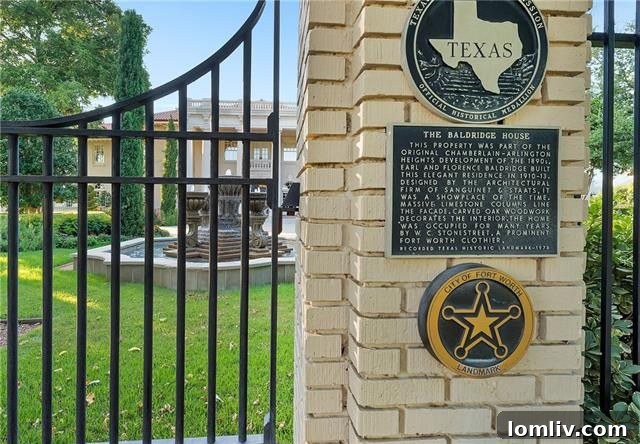
This spectacular estate, a jewel among Fort Worth’s historic homes, has been meticulously preserved and thoughtfully updated, ensuring its rich history remains as vibrant as its modern luxuries. As a designated Texas Historic Landmark and a City of Fort Worth Landmark, The Baldridge House doesn’t just stand; it speaks volumes about the eras it has witnessed. For anyone with a profound appreciation for historical architecture and compelling stories, this Fort Worth showplace offers an unparalleled journey through time.
A Glimpse into Early 20th Century Fort Worth Grandeur
To truly grasp the significance of The Baldridge House, we must transport ourselves back to its build date: 1910. Fort Worth at the turn of the 20th century was a burgeoning frontier town, a vibrant hub brimming with the audacious spirit of cattle barons, oil wildcatters, and ambitious entrepreneurs. It was an era when only the most influential and prosperous could dream of constructing a three-story mansion of this scale and grandeur. Earl Baldridge, the home’s original owner, was precisely one such individual – a successful cattleman and rancher who later expanded his empire into banking, embodying the very essence of Fort Worth’s early prosperity.
Earl Baldridge and his wife, Florence, commissioned the renowned architectural firm of Sanguinet & Staats to bring their vision to life. This esteemed firm left an indelible mark on Fort Worth’s skyline, recognized for their contributions to early steel-framed skyscrapers and other significant structures like Thistle Hill. Indeed, if a prominent building in Fort Worth was erected before 1930, there’s a strong likelihood it bears the distinctive design of Sanguinet & Staats. Adding to the home’s storied legacy, Colonel William P. Bryce, who oversaw the construction as contractor, later ascended to become a mayor of Fort Worth, highlighting the intimate connections within the city’s elite during that formative period.
Architectural Integrity and Engineering Mastery
When completed in 1913, The Baldridge House stood as the undisputed pinnacle of residential architecture in Fort Worth. It served as a silent witness to countless significant events: high-stakes business dealings, opulent parties, clandestine poker games, and pivotal political discussions that shaped the city’s future. The political climate of the time is perhaps best illustrated by an intriguing anecdote: a bridge across the Trinity River was reportedly constructed using public funds specifically to facilitate the transport of massive building materials for the mansion’s construction – a considerable scandal that reverberated through the community.
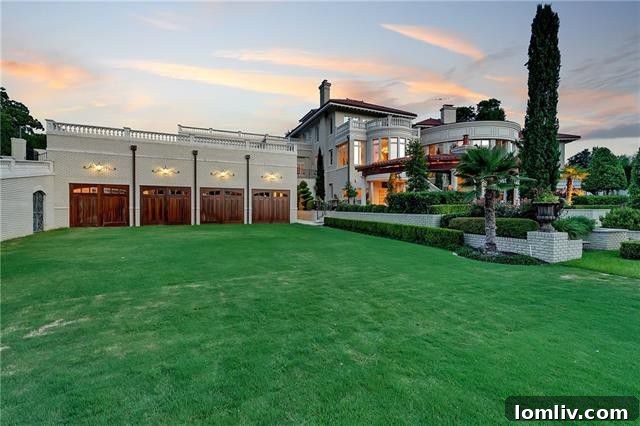
The sheer scale and robust construction of The Baldridge House are nothing short of awe-inspiring. Its commanding 150-foot-wide façade is dramatically lined by six colossal 30-foot-tall, solid limestone columns. These monumental pillars were meticulously cut from a single piece of limestone at a quarry in Ohio and then painstakingly shipped to Fort Worth. One can only imagine the logistical challenges and the immense effort involved in such an undertaking in 1910, a testament to the uncompromising vision behind this estate. Built with the enduring strength of a fortress, it’s no wonder this magnificent structure stands in stellar condition today.
The exterior walls bear no wood at all, but are set on foundations of concrete and hand twisted steel with nearly a four-foot base, which rises from bedrock to support walls which are immensely thick and built entirely of large ceramic tiles cemented together with heavy mortar filtered through a mesh screening to lock the tiles in place.
This historical record underscores a fundamental truth about The Baldridge House: its construction methods are simply irreplicable in today’s economic climate. The use of such robust materials and labor-intensive techniques speaks to a commitment to quality and longevity that is rarely seen in modern residential construction. This was a home conceived and built to defy the passage of time, a legacy it has undeniably upheld, largely thanks to the successive families who have stewarded this incredible property over the decades.
Guardians of History: The Families of The Baldridge House
Over its long and distinguished history, The Baldridge House has been home to several prominent families, each leaving their unique imprint on its story. Following the Baldridges, the home was acquired by the family of W.C. Stonestreet, a notable Fort Worth clothier, who lived here with his wife, Eusabia. The Stonestreet era introduced several fascinating additions, including an elevator and a walk-in safe, features that hint at intriguing tales from a bygone era.
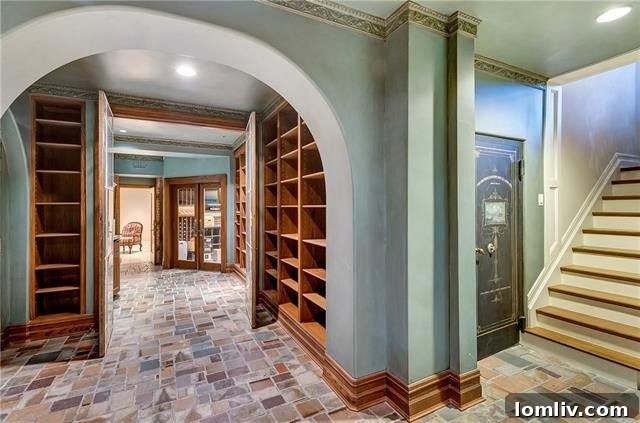
The Stonestreets resided in the house through significant historical periods, including World War II and, perhaps more tellingly, Prohibition. This is where the story truly captivates. W.C. Stonestreet, wishing to indulge in his favorite Muscatel wine and white lightning moonshine, had a copper still discreetly installed within a bank vault located in the basement. The vault itself, concealed behind an actual bank vault door, remained a well-kept secret for many years. Eusabia, tragically crippled in a buggy accident, was confined to a wheelchair. To ensure her comfort and mobility, W.C. installed Fort Worth’s first residential elevator, strategically designed to only reach the first and second floors, thereby ensuring his wife would never discover the hidden distillery in the basement.
Another pivotal figure in the home’s preservation was Dr. Marvin Overton. It was Dr. Overton who meticulously added The Baldridge House to the official historical record, painstakingly researching and documenting its past. In a serendipitous discovery during his two-year restoration effort, Dr. Overton unearthed W.C.’s secret when he had the formidable bank vault door drilled open, revealing the hidden still and adding another vibrant chapter to the home’s already rich narrative.
Modern Luxury Meets Enduring Heritage
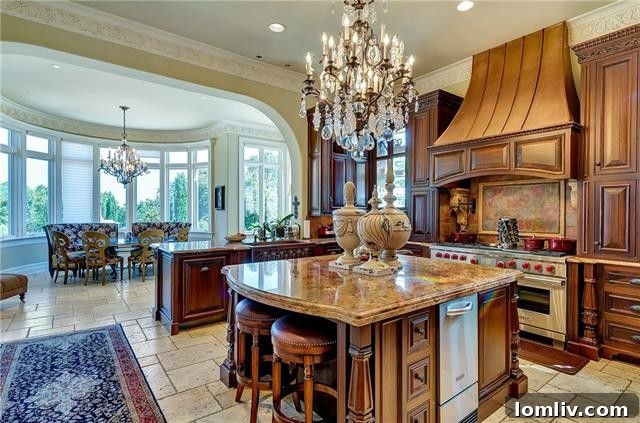
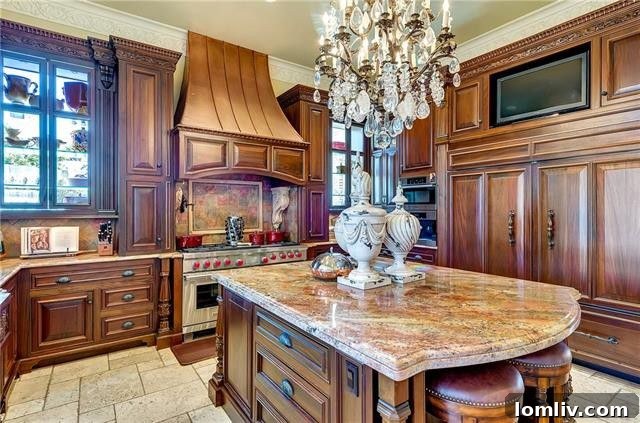
Today, The Baldridge House continues its legacy of grandeur under the stewardship of its current owners, who have undertaken extensive renovations to elevate it to the pinnacle of modern luxury living without compromising its historical integrity. Their investment has seamlessly blended state-of-the-art amenities with the timeless charm of its original design, creating a residence that offers the best of both worlds.
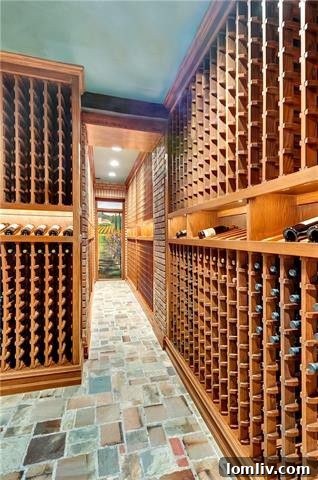
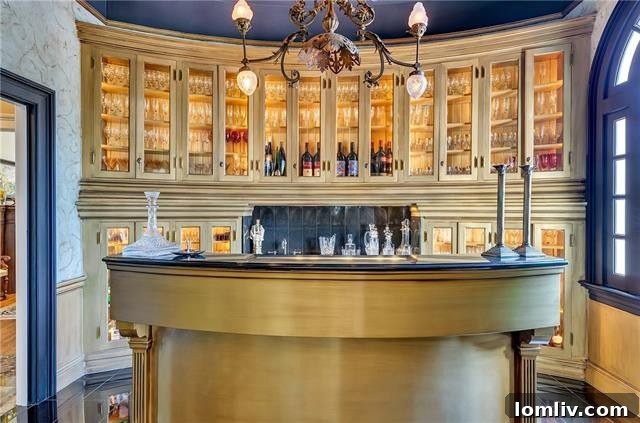
As Eric Walsh, a listing agent with Giordano, Wegman, and Walsh Associates, aptly describes, “It’s a really magnificent house. There are so many features that are over the top and unique. The sheer magnitude of the house is one aspect, and of course, the history and incredible detail of the home. There is nothing like it.” Spanning close to 15,000 square feet, the estate boasts an impressive array of bespoke features. These include an extraordinary wine room capable of housing approximately 1,400 bottles, a four-bay garage equipped with lifts to accommodate up to eight vehicles, a dedicated workshop, and a convenient wash bay for automotive care.
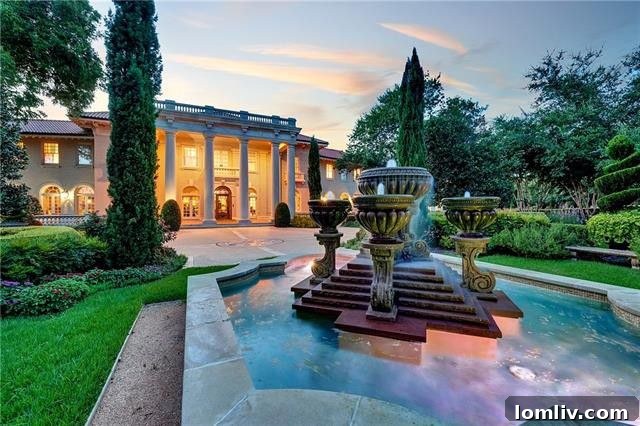
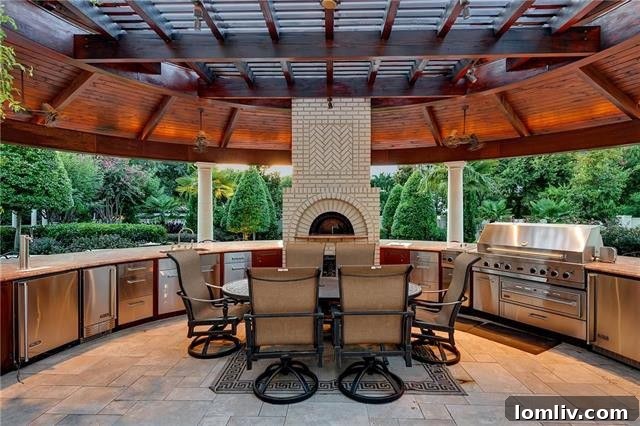
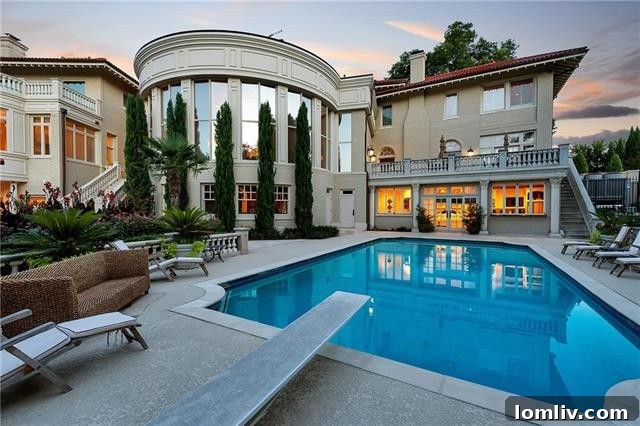
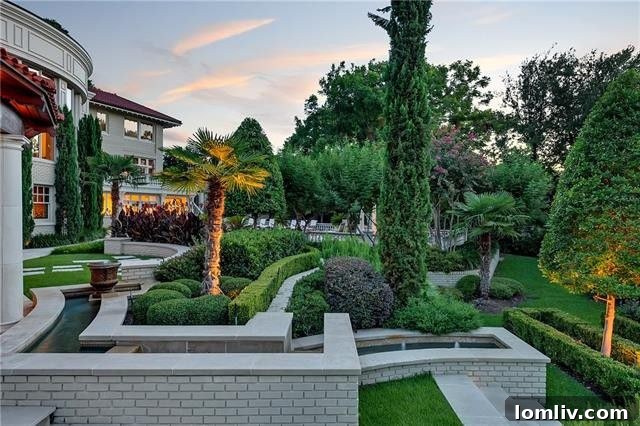
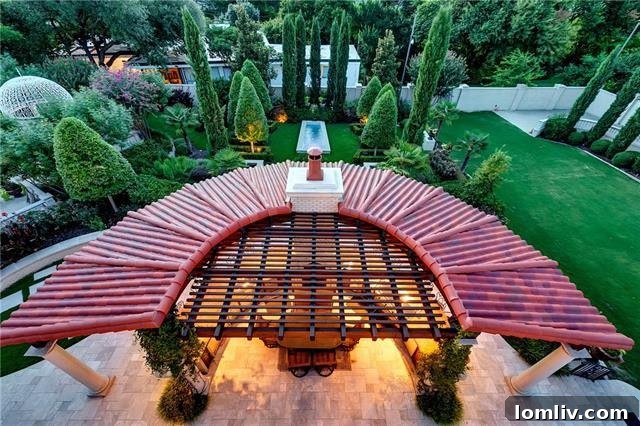
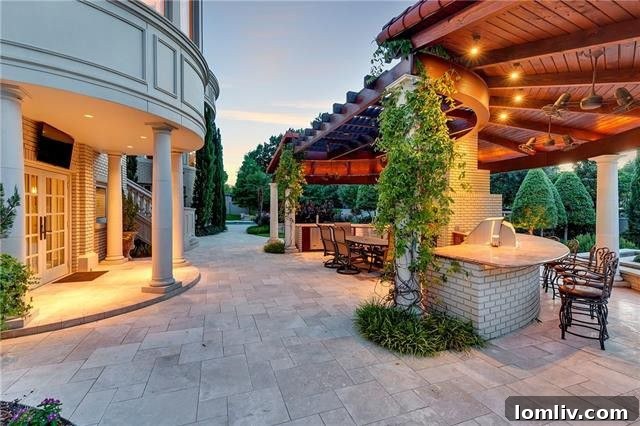
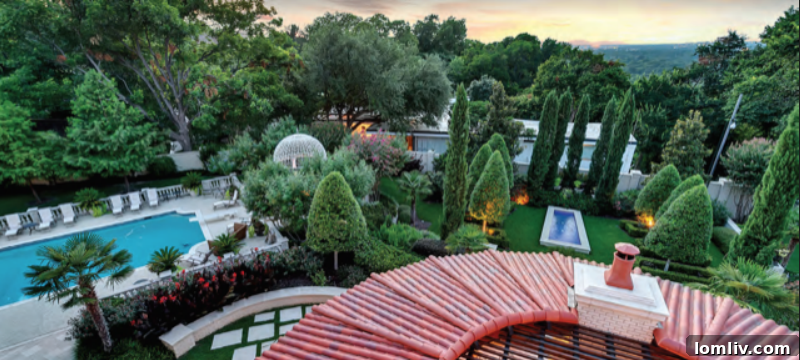
Set upon 1.5 acres of meticulously manicured grounds, The Baldridge House offers an outdoor oasis designed for both relaxation and grand entertaining. Intricate fountains create a serene ambiance, complemented by lush gardens and an oversized swimming pool. The outdoor kitchen is a true culinary haven, featuring a pizza oven, a deep fryer (because, as the saying goes, “this is Texas and you need to deep fry”), and a high-performance outdoor grill, perfect for hosting lavish gatherings under the Texas sky.
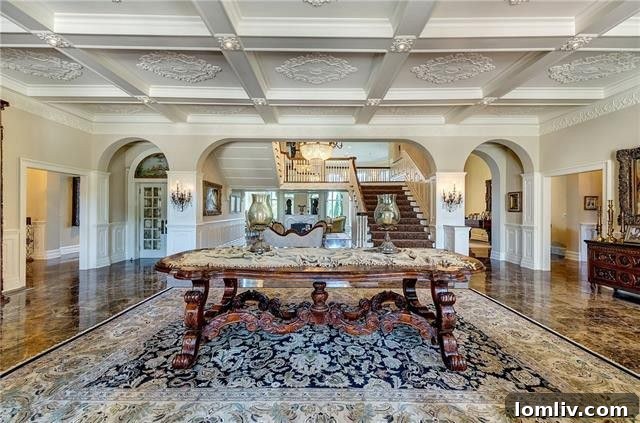
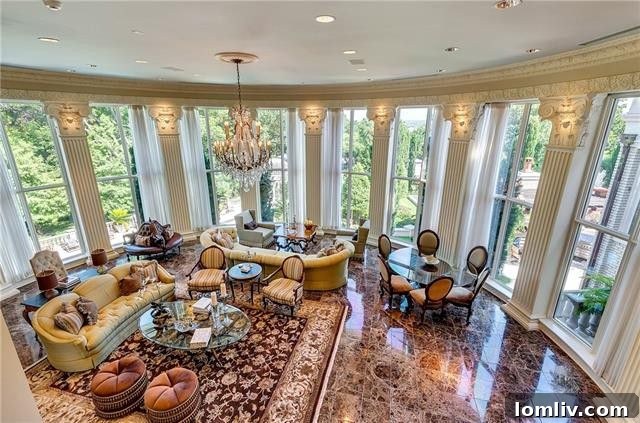
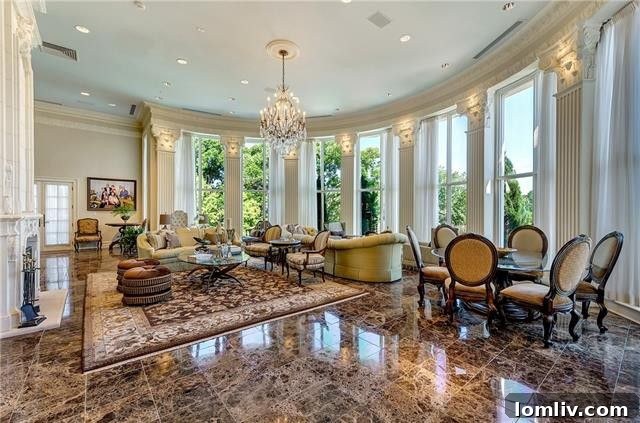
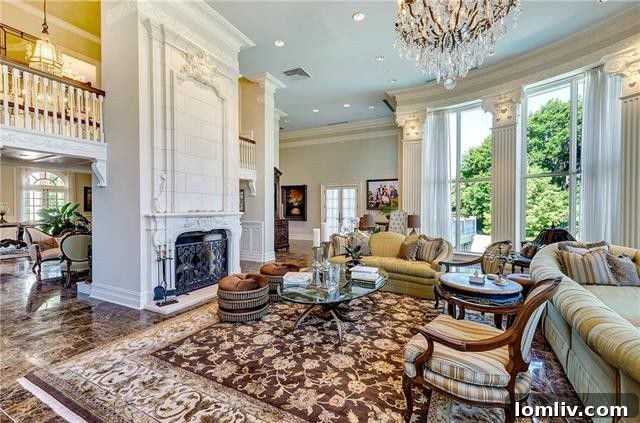
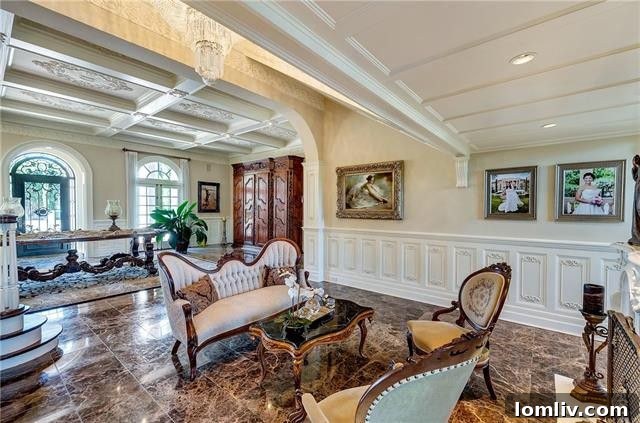
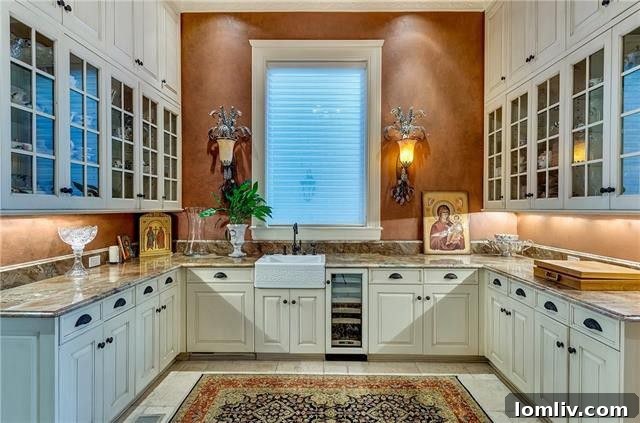
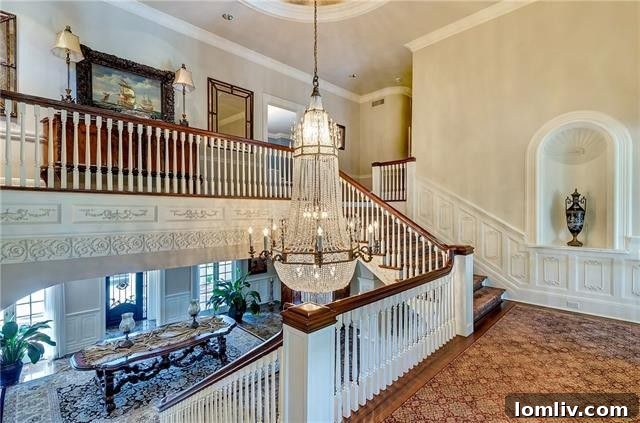
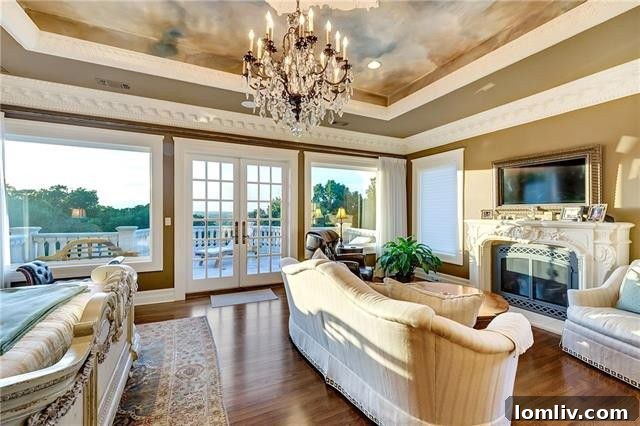
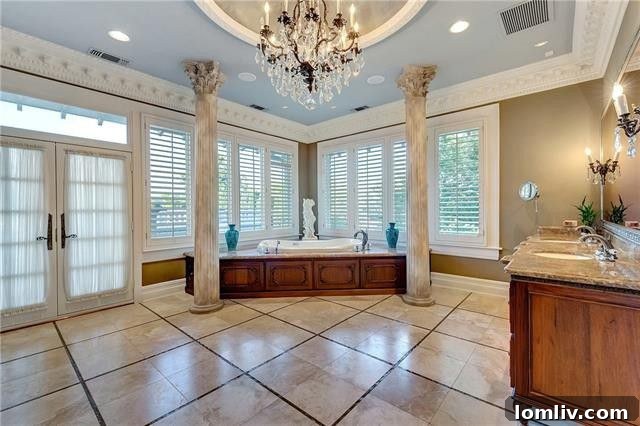
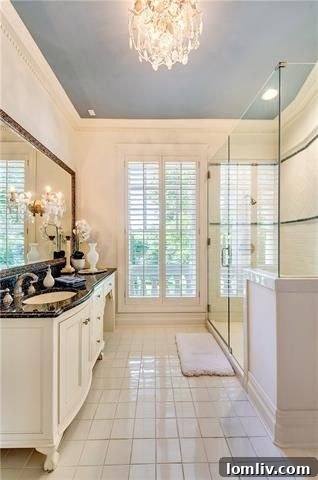
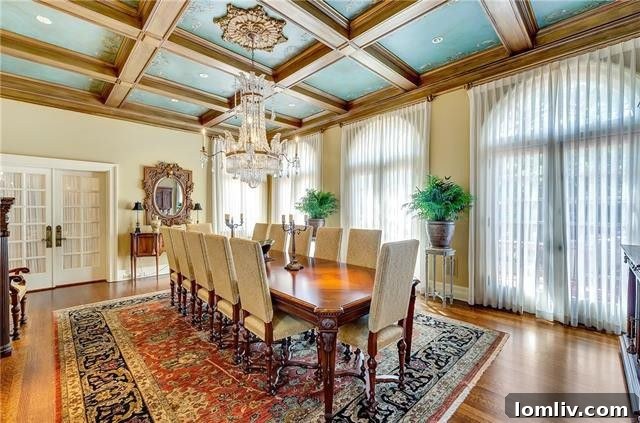
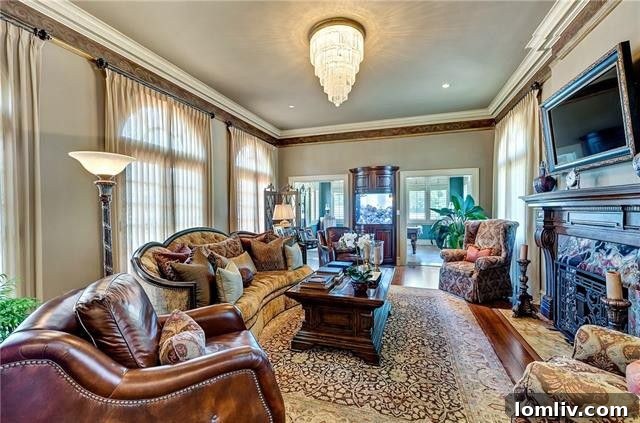
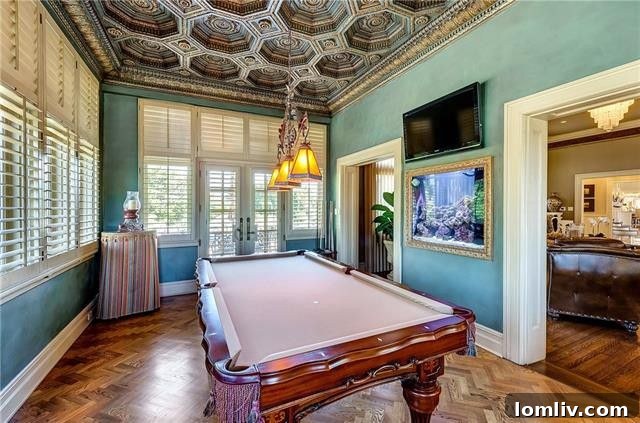
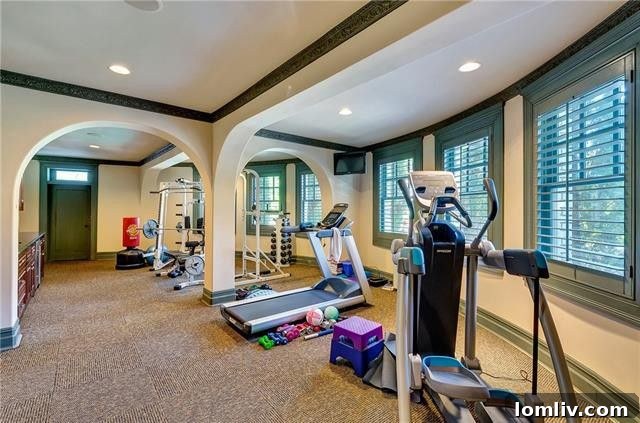
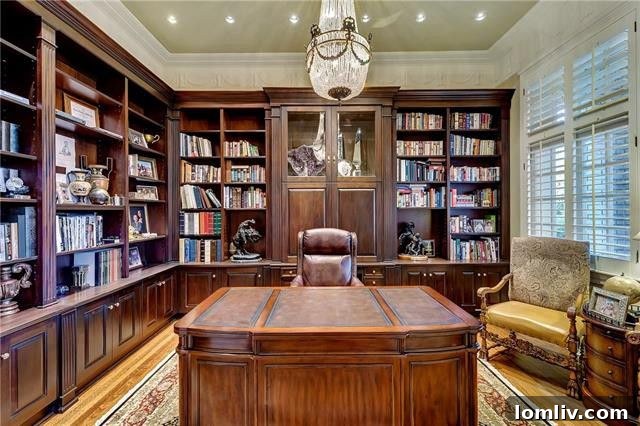
The interior living spaces are equally impressive, providing an abundance of room for both private sanctuary and elaborate social events. The home comprises six luxurious bedrooms, six full bathrooms, two powder baths, three expansive living areas, a distinguished library, a state-of-the-art game room, a private gym, a soothing steam room, dedicated staff quarters, a separate guest house for ultimate privacy, and, of course, the legendary vault, now a unique conversation piece.


A Prized Legacy: The Baldridge House Today
The Baldridge House stands as a testament to unparalleled architectural integrity and historical significance. A passage from the official paperwork requesting its historical designation eloquently captures its essence:
The reason for wishing to commemorate this home is that it is the most architecturally pure structure of its type in the area, and one of the few homes of this magnitude built at the time, which was the early booming of the frontier west, and the center of activity for cattle barons and wildcatters.
More than a house, The Baldridge House represents a rare opportunity to own a cherished Texas and Fort Worth landmark – an architectural treasure that masterfully balances its profound historical roots with the demands of contemporary luxury living. It’s a residence where every corner whispers stories of the past, yet every modern amenity ensures comfort and sophistication for the future. With an asking price of $7.95 million, recreating a home of this caliber, with its extraordinary craftsmanship, enduring materials, and rich heritage, would be utterly impossible today. This makes The Baldridge House not just a purchase, but an investment in an irreplaceable piece of Texan history, offering exceptional value for a truly magnificent estate.