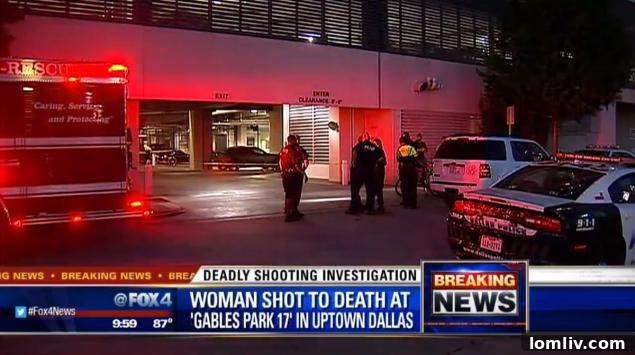
Shattered Security: Unpacking the Tragic Uptown Dallas Parking Garage Incident
The bustling and vibrant district of Uptown Dallas, renowned for its luxurious residences, upscale dining, and sophisticated urban lifestyle, was once shaken by a tragic incident that resonated far beyond the city limits. A harrowing murder in a supposedly secure parking garage left residents in a state of shock and ignited a critical discussion about safety within high-end urban living spaces. This event, which garnered national attention, served as a stark reminder that even the most exclusive environments are not immune to violent crime, challenging the perception of invulnerability often associated with controlled-access properties.
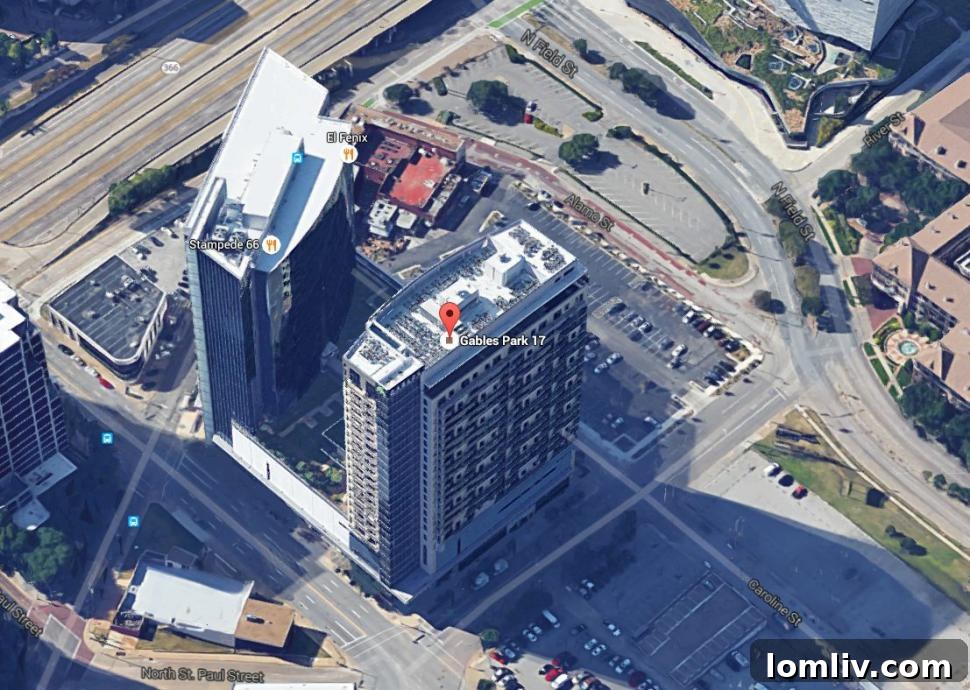
The incident unfolded in a parking garage that, according to residents, was accessible only with a fob key – a detail that significantly amplified the community’s distress and sparked widespread questions about the efficacy of established security protocols. The victim, a woman whose life was abruptly and tragically cut short, became the focal point of a complex investigation and a symbol for the anxieties gripping the local populace. This wasn’t merely a local news story; its implications for urban dwellers, particularly single women living in similar high-density, luxury apartment complexes, were immediate and profound.
The Night of the Incident: A Community on Edge
The immediate aftermath of the shooting plunged the entire luxury apartment community into a state of profound unease. What was once perceived as a sanctuary, safeguarded by modern access controls, suddenly felt compromised. The very concept of security in a gated, fob-key-controlled environment was severely challenged. Residents, accustomed to a high level of safety and privacy, found their sense of peace shattered. The fear was palpable, especially among single women in Uptown, who grappled with the unsettling realization that their personal spaces might not be as secure as they had believed.
Witness accounts provided chilling details of the perpetrator. The killer was described as wearing a mask and making a swift getaway in a black Jeep Cherokee. These descriptions, though vital to the investigation, also painted a picture of calculated aggression and rapid escape, further intensifying the feeling of vulnerability among residents. The randomness and suddenness of the attack left many wondering how such an event could transpire within what was considered a protected perimeter.
“We saw the lady laying down next to her car on the floor, and then the cops showed up,” recounted a man who requested anonymity, his voice still tinged with the shock of that evening. “My son, he was telling me that a black Jeep Cherokee drove by… a guy with a mask put a bullet in her and just drove off.” This firsthand account vividly underscored the terrifying brevity and brutality of the crime, and the speed with which the assailant vanished, leaving behind a scene of devastation and a community grappling with terror.
The Critical Role of Security Systems in Urban Residences
In the wake of such a high-profile crime, the performance and reliability of the building’s security infrastructure immediately came under intense scrutiny. A key aspect of modern apartment living, particularly in upscale urban areas, is the promise of advanced security features. Fob-key access, surveillance cameras, and controlled entry points are marketed as essential components of a safe and exclusive lifestyle. However, this incident tragically highlighted that even sophisticated systems can have vulnerabilities or fail to deter determined criminals.
The spotlight quickly turned to the building’s security cameras. The hope was that these silent sentinels would provide crucial evidence, offering clear images of the assailant, their vehicle, or their movements within the garage, thereby assisting law enforcement in a swift apprehension. The efficacy of these surveillance systems in real-world scenarios, especially under the pressure of a critical investigation, becomes paramount. Factors such as camera placement, resolution, lighting conditions, and the ability to effectively store and retrieve footage all play a significant role in their utility for solving crimes. The public eagerly awaited news on how effectively these technological safeguards would aid the police in identifying and locating the killer.
Beyond the immediate investigative needs, the incident spurred a broader conversation about layered security approaches. While fob-key access manages entry, it doesn’t always prevent unauthorized individuals from gaining access through tailgating or exploiting other weaknesses. A truly robust security strategy often involves a combination of measures: well-maintained and monitored CCTV systems, adequate lighting, regular patrols (both human and technological), emergency call points, and even community vigilance programs. The tragic event served as a stark reminder that security is not a single solution, but a complex, multi-faceted commitment requiring constant evaluation and improvement.
Broader Implications for Urban Safety and Community Trust
The murder in Uptown Dallas was not an isolated tragedy; it contributed to the city’s grim tally of homicides, underscoring the persistent challenge of urban crime. But its impact stretched further, sparking a re-evaluation of personal safety strategies among residents. In affluent urban pockets, there’s often an implicit assumption of greater safety due to higher property values, advanced building security, and an active community. When such an assumption is brutally shattered, it erodes trust – not just in property management and security companies, but also in the overall urban environment.
For city officials, law enforcement, and urban planners, incidents like this serve as critical case studies. They highlight the need for comprehensive safety strategies that extend beyond individual properties to encompass neighborhood-wide initiatives. This includes ensuring adequate police presence, fostering community engagement, and addressing the root causes of crime. The psychological ripple effect on residents, particularly those who choose urban living for its convenience and vibrancy, can be long-lasting. The comfort of returning home, parking in a familiar garage, and entering a secure building transforms into a moment of heightened anxiety.
The incident also brought to the forefront the challenges faced by law enforcement when dealing with crimes committed by masked assailants and those who make rapid, planned getaways. Solving such cases often requires meticulous investigative work, leveraging every piece of available evidence from forensics to digital footprints, and relying heavily on community cooperation. The speed and thoroughness of the police response and subsequent investigation are crucial not only for justice but also for restoring public confidence.
Lessons Learned and Moving Forward
The tragic Uptown Dallas parking garage murder served as a powerful and unfortunate lesson in urban security. It underscored that no environment, regardless of its perceived exclusivity or the sophistication of its access controls, is entirely impregnable. Property managers of luxury apartments and residential complexes learned valuable lessons about the critical need for continually assessing and upgrading their security infrastructure. This includes not just the physical barriers and cameras, but also the human element – security personnel, emergency protocols, and resident awareness programs.
For residents, the event was a stark reminder of the importance of personal vigilance, even within secure environments. While trusting in the provided security systems, individuals are also encouraged to be aware of their surroundings, report suspicious activities, and take proactive steps for their own safety. The incident catalyzed discussions about better lighting, improved camera coverage in all areas, regular maintenance of security equipment, and faster response times in emergencies.
Ultimately, while crime statistics are sobering, the human element of such tragedies reverberates deeply within a community. The memory of the victim, and the fear that gripped Uptown Dallas, persist as a testament to the ongoing importance of fostering safe urban environments. This case continues to underscore the critical balance between the allure of vibrant city life and the fundamental human need for personal security and peace of mind. It reminds us that vigilance, innovation in security technology, and robust community engagement are not luxuries, but necessities in the evolving landscape of urban living.