As the winter chill grips us once again, many homeowners find themselves navigating the challenges of a deep freeze. For families, this often means unexpected days at home, turning routine into an intricate dance of work, childcare, and endless indoor activities. While the immediate concern might be entertaining stir-crazy kids, the long-term worry for many is the potential damage winter storms can inflict upon their homes. From burst pipes to damaged outdoor equipment, the aftermath of a severe freeze can be costly and disruptive. However, with a bit of proactive planning and timely action, you can significantly mitigate these risks and ensure your home remains a warm, safe haven throughout the cold spell. This comprehensive guide will walk you through essential steps to protect your property during a freeze and what to look for once the ice thaws.
Whether you’re battling the 97th round of hide-and-seek or simply trying to stay warm, taking a few moments to address your home’s vulnerabilities can save you from a headache – and a hefty repair bill – later on. We’ve compiled a list of critical tasks, drawing from past experiences and expert advice, to help you safeguard your investment. Even if you feel unprepared, it’s never too late to take action. Let’s dive into the practical steps you can take around your house right now, and what to keep in mind for the recovery phase.
Protecting Your Pool Equipment During a Freeze
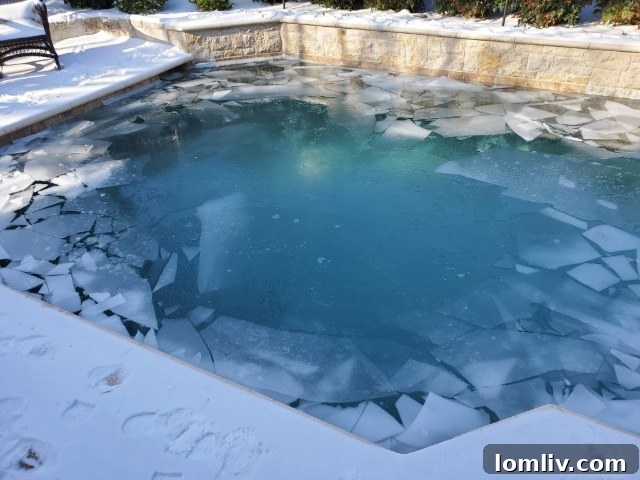
When temperatures plummet below freezing, your swimming pool becomes highly susceptible to damage. The primary goal is to prevent the water in your pool’s pipes and equipment from freezing and expanding, which can lead to costly cracks and ruptures. The most effective way to achieve this is by ensuring continuous water movement. Running your pool equipment, specifically the pump, circulates the water, making it much harder for ice to form within the plumbing system.
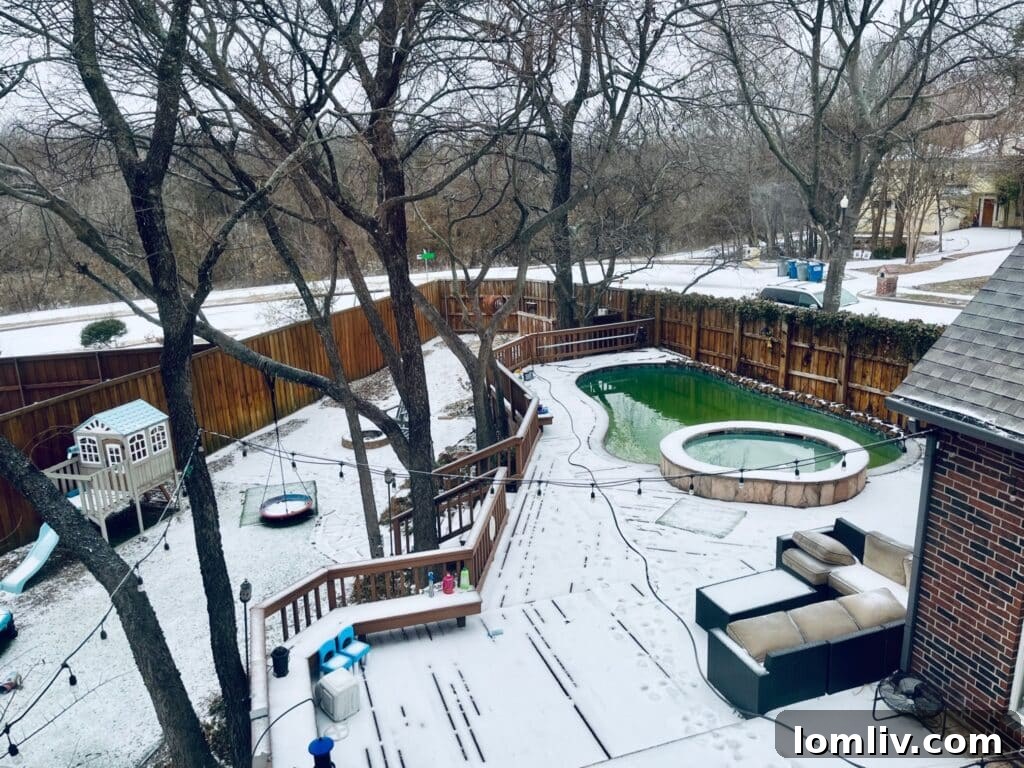
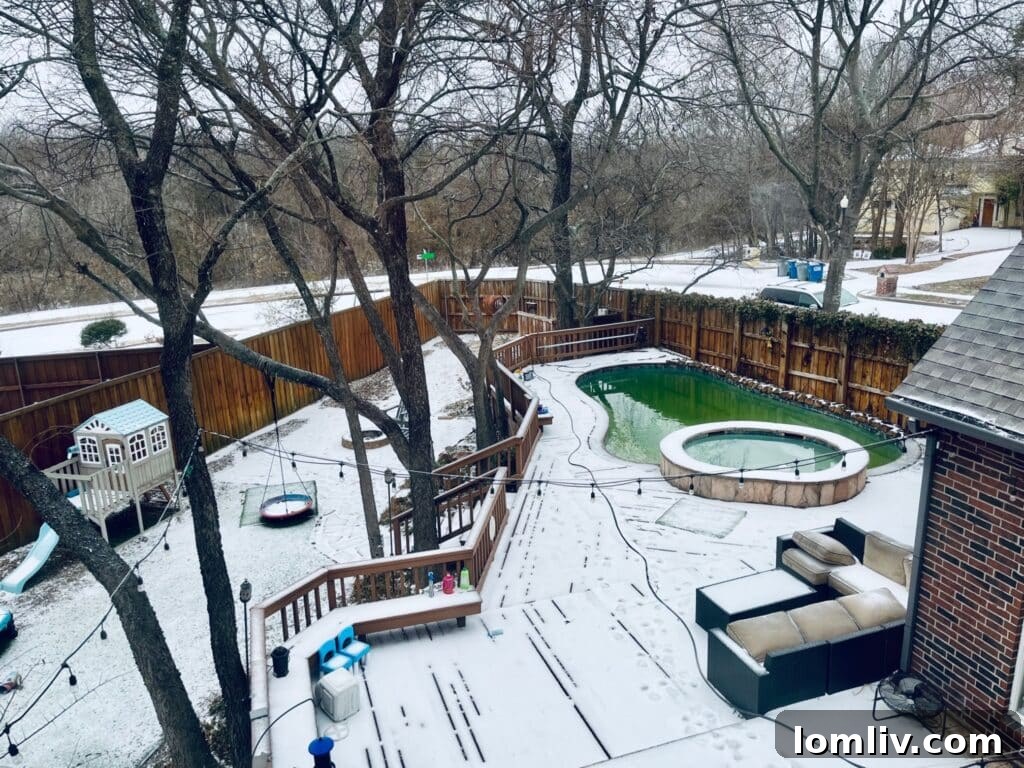
It’s crucial to keep your pool pump running 24/7 during extended freezes. Regularly check the water level; if it drops too low, the pump could run dry and suffer irreparable damage. Step outside periodically, even in adverse weather, to visually inspect your pool. Look for any signs of ice formation on the surface or around the equipment and filter housing. If you notice a thick layer of ice beginning to form on the surface, it’s advisable to carefully break it up. This helps relieve pressure on the pool walls and prevents the ice from becoming too thick, which can hinder the pump’s effectiveness. While my personal journey to the pool often involves trudging through snow and ice, as shown by the many footsteps in the image above, the effort is undoubtedly worth it to protect a significant investment like a swimming pool. Ensuring your pool’s health now means less stress and more enjoyment later.
Don’t Forget Your Sprinkler System: A Critical Freeze Protection Step
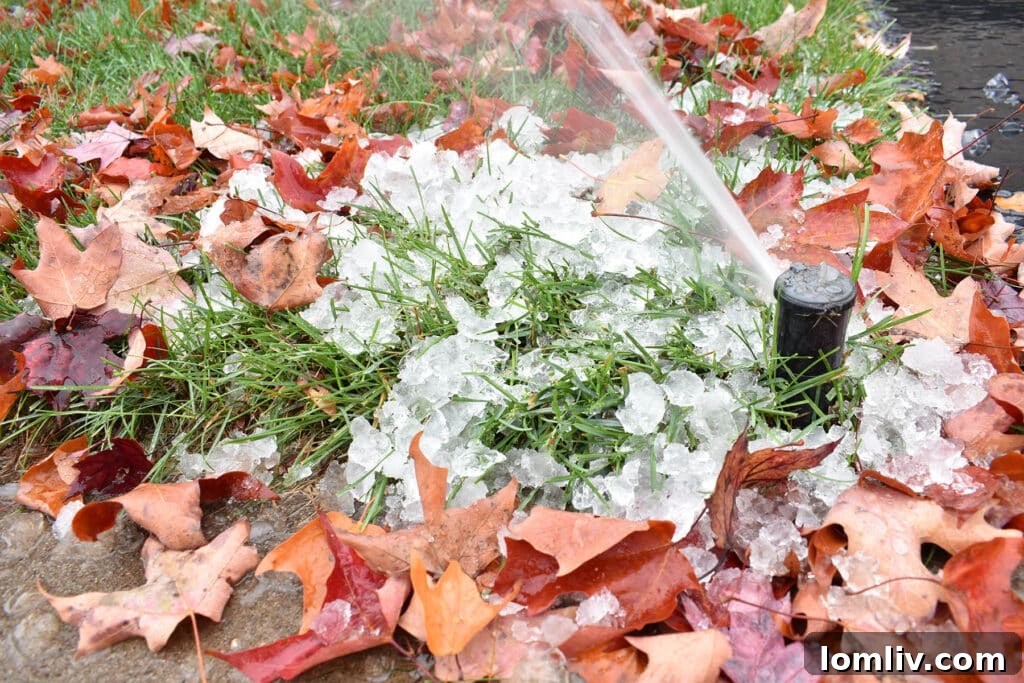
An often-overlooked but vital step in winterizing your home is managing your irrigation system. Forgetting to turn off your sprinkler system before a freeze can lead to significant headaches, both for you and your community. When water freezes within the sprinkler lines, it expands, causing pipes to crack or burst. This can result in costly repairs to your irrigation system, which might not become apparent until warmer weather returns and you attempt to use it again.
Beyond the damage to your property, an active sprinkler system during freezing temperatures poses a serious safety hazard. Sprinkler heads inadvertently spraying water onto sidewalks, driveways, or even streets can quickly create dangerous patches of black ice. This not only increases the risk of slips and falls for pedestrians but can also contribute to hazardous driving conditions. The solution is simple and takes minimal effort: locate your sprinkler system’s main shut-off valve and turn it off. Additionally, drain any remaining water from the system to prevent residual freezing. While this task won’t occupy you for long, it’s an excellent excuse to spend a bit of time in the garage, ensuring all components are properly secured and ready for warmer days. This small action can save you from big inconveniences and potential liabilities.
Essential Protection: Covering Outdoor Faucets
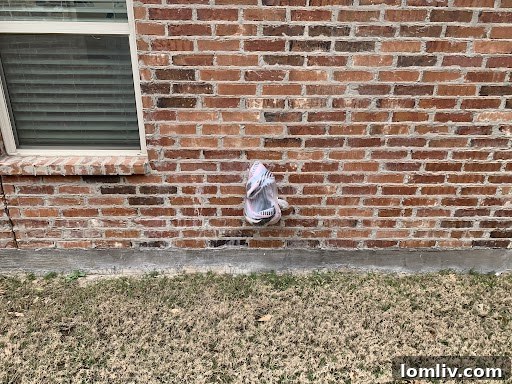
Outdoor faucets, also known as hose bibs, are particularly vulnerable to freezing temperatures because of their direct exposure to the elements. Water left in these spigots can freeze, expand, and crack the faucet itself or the pipe leading to it, potentially causing a major leak inside your home once the ice thaws. If you haven’t yet covered your outdoor faucets, there’s no need to rush to a crowded hardware store. Often, the best solutions are the ones you can improvise with materials readily available at home.
A simple yet effective DIY method involves wrapping your outdoor faucets with towels, old t-shirts, or even newspaper. Once wrapped, secure the insulation with a plastic bag and tape to create a protective barrier against the cold air. The image above beautifully illustrates this practical approach, showcasing how a resourceful homeowner used everyday items to safeguard their plumbing. While that particular photo might have been taken on a milder day, the principle remains sound: any form of insulation is better than none. You might even find a discarded Whataburger cup can serve as a makeshift cover in a pinch, demonstrating that ingenuity often triumphs over specialized tools when facing a sudden freeze. This small act of protection can prevent a burst pipe and significant water damage, making it a high-priority task during a cold snap.
Insulating Exposed Pipes: Your First Line of Defense Against Bursts
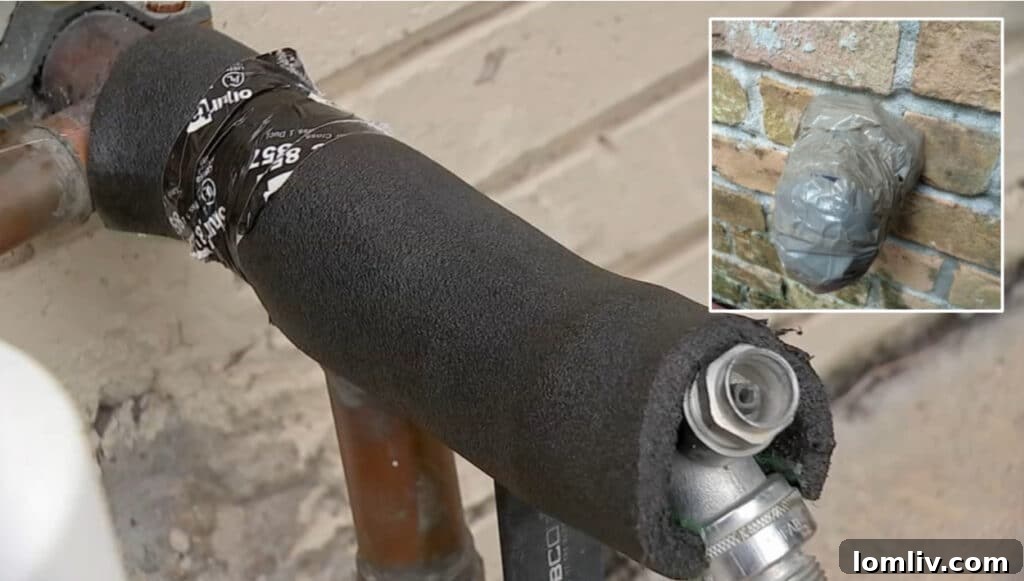
The danger of freezing pipes lies in the fact that water expands as it turns to ice. This expansion creates immense pressure within pipes, far more than any pipe can withstand, leading to ruptures and potentially devastating water damage. Identifying and insulating vulnerable pipes is perhaps the most critical step in preparing your home for a freeze. The pipes most likely to freeze and burst are those that are exposed to cold air or are located in unheated areas of your home. These include:
- Outdoor Pipes: This category encompasses obvious examples like hose bibs and faucets, but also less visible components such as pool lines, and sprinkler system pipes, particularly those above ground or near exterior walls.
- Interior Pipes in Unheated Areas: Spaces like crawl spaces in pier-and-beam homes, attics, and garages often lack adequate insulation or heating, making pipes running through them prime candidates for freezing.
- Pipes Near Exterior Walls: Even pipes within the heated envelope of your home can be vulnerable if they run along exterior walls, where insulation might be insufficient to block the penetrating cold.
During a freeze, it’s imperative to insulate any accessible interior and exterior pipes. Specialized foam pipe insulation sleeves are highly effective and affordable, but if you don’t have them on hand, don’t delay! Improvise with what you have: blankets, towels, old newspapers, or even cardboard can provide temporary insulation. Wrap these materials securely around the pipes, paying extra attention to joints and bends. Additionally, consider opening cabinet doors under sinks in kitchens and bathrooms to allow warmer indoor air to circulate around the pipes. For extremely cold conditions, allowing a small, continuous drip from indoor faucets can also prevent freezing by keeping water moving through the pipes. This simple action significantly reduces the risk of stagnant water freezing and causing a burst. Knowing the location of your main water shut-off valve is also paramount – if a pipe does burst, turning off the water quickly can minimize damage. Take a moment to locate it now, so you’re prepared for any emergency.
Indoor Precautions: Beyond the Pipes
While protecting your pipes is paramount, several other indoor precautions can significantly enhance your home’s resilience during a winter storm. Maintaining a consistent indoor temperature is crucial. Even if you plan to be away, never set your thermostat below 55°F (13°C). A slightly warmer home keeps the ambient temperature in wall cavities and unheated spaces higher, offering an additional layer of protection for pipes that might otherwise be vulnerable. As mentioned, opening cabinet doors under sinks, especially those on exterior walls, allows the warm air from your home to reach the plumbing, preventing it from freezing.
Furthermore, ensure all garage doors are kept closed. An open garage door, even for a short period, can expose water pipes often located in the garage walls or ceiling to dangerously cold temperatures. Disconnect all garden hoses from outdoor faucets. Leaving them attached can cause water to back up and freeze inside the faucet and connecting pipes, leading to a burst. Simple actions like these, often overlooked, contribute significantly to overall home safety and integrity during a freeze.
After the Freeze: Vigilantly Check for Leaks
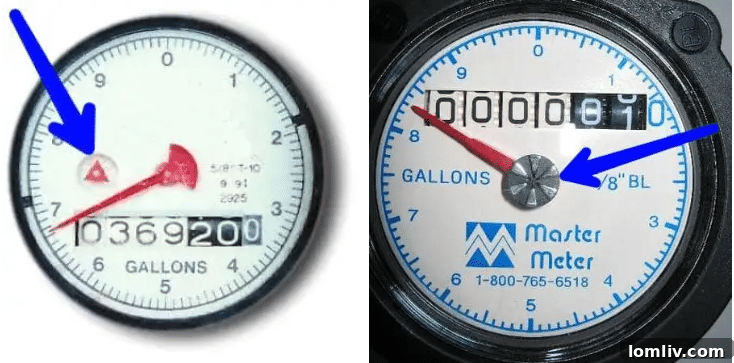
Once the ice and snow have finally melted and temperatures return to normal, the immediate threat of freezing passes, but a new, often hidden danger emerges: undetected leaks. Burst pipes don’t always reveal themselves immediately; sometimes, they manifest as slow, insidious leaks that can cause significant damage over time if not caught early. Post-freeze leak detection is a critical step in assessing your home’s health after a severe winter event.
The most effective way to check for hidden leaks is by monitoring your water meter. First, locate your water meter; it’s typically found in your front yard, often near the street, or occasionally in the back alley. Carefully open the meter lid. Before proceeding, ensure that every water-consuming fixture in your home is turned off – this includes faucets, washing machines, dishwashers, and even ice makers (but do NOT turn off your water heaters). Once all water use has ceased, observe the low flow indicator on your water meter (refer to the pictures for guidance on what to look for). This indicator is usually a small triangle, star, or gear-like wheel. If it moves, even slightly, over the course of at least a minute while all water in your home is off, it’s a strong indication that freshwater is still moving into your home, signifying a leak.
If you suspect a leak, act promptly. Common post-freeze leak locations include attics, crawl spaces, behind walls, and even under foundations. Look for damp spots, discolored ceilings or walls, unexplained puddles, or a noticeable drop in water pressure. If you confirm a leak, or even strongly suspect one, immediately shut off your home’s main water supply valve to prevent further damage and contact a qualified plumber without delay. Early detection and rapid response are key to minimizing the costly aftermath of winter weather.
Final Thoughts on Winter Preparedness
Navigating a deep freeze, especially when juggling work and family, can be incredibly challenging. However, by taking these preventative measures, you empower yourself to protect your most valuable asset: your home. From keeping your pool equipment running to insulating vulnerable pipes and vigilantly checking for leaks once the thaw begins, each step plays a crucial role in safeguarding your property against the harsh realities of winter weather. While the “forced family fun” might test your patience, remember that a little proactive effort now can prevent significant stress and expense later.
Stay safe, stay warm, and remember that preparedness is your best defense. For those of you braving this freeze alone, we salute your resilience. And to anyone feeling overwhelmed by the endless energy of small children during these indoor days, perhaps a few hours of quiet contemplation on winter home maintenance might offer a much-needed mental reprieve!