Unpacking Dallas’s Most Controversial Real Estate Listing: Transparency or Turmoil?
In the dynamic world of real estate, certain listings stand out – not for their pristine condition or luxurious amenities, but for their sheer audacity. We often hear the saying, “you can’t make this stuff up,” and in the competitive Dallas real estate market, some property descriptions truly test the boundaries of belief. We recently stumbled upon a listing for a property located at 6715 Oriole Drive in Dallas, which has ignited a fascinating debate: is this a groundbreaking new era of radical transparency in property marketing, or simply an unfortunate example of unprofessionalism? The answer, as you’ll soon discover, is far from straightforward.
This particular listing, nestled within the charming Bird Streets of Shannon Estates, has become a talking point among industry professionals and potential buyers alike. It challenges conventional wisdom, pushing the envelope on how properties, especially those in less-than-ideal condition, are presented to the market. Let’s delve into the details of this extraordinary listing and explore the myriad implications it holds for sellers, real estate agents, and the evolving landscape of property transactions.
The Property at 6715 Oriole Drive: A Study in Contradictions
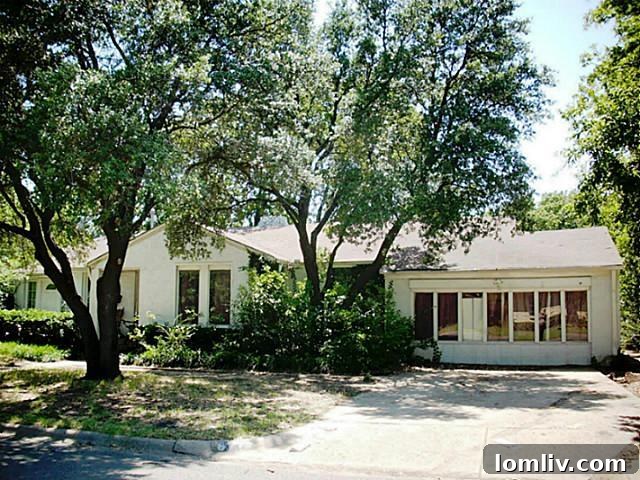
Before we dive into the infamous description, let’s establish the basic facts of the property located at 6715 Oriole Drive. Situated in a desirable area of Dallas, the Bird Streets are known for their established homes and convenient access to key city amenities. Yet, this property presents a perplexing set of details right from the outset.
- Location: Bird Streets, Shannon Estates, Dallas. A sought-after neighborhood known for its residential appeal and proximity to city hotspots.
- Original Asking Price: $250,000.
- Current Listing Price: A surprising $320,000 – a significant increase despite the candid description of its condition. This price jump immediately raises questions about the seller’s strategy and expectations for a property acknowledged to be in disarray.
- DCAD Valuation: The Dallas Central Appraisal District (DCAD) assesses the property at $200,920, noting it to be in “fair condition.” This valuation stands in stark contrast to the current asking price and the agent’s blunt portrayal, creating a significant disparity in perceived value.
- Property Size: The listing agent claims 3,000 square feet, while DCAD records indicate a more modest 2,598 square feet. Such discrepancies are not uncommon but warrant attention for potential buyers calculating price per square foot and overall space.
- Lot Size: A generous 0.30-acre lot, measuring 90 by 140 feet according to DCAD. This offers considerable outdoor space, a valuable asset in urban settings, and potentially offsets some of the interior issues for a buyer focused on land value.
- Year Built: 1945, suggesting a classic Dallas home with inherent character and potential for a significant renovation project. Homes of this era often possess sturdy construction but require modern updates.
- Configuration: Three bedrooms and two bathrooms, a standard layout that, if updated, could appeal to families or those seeking extra space.
These discrepancies in pricing and square footage, coupled with the property’s age and perceived condition, lay the groundwork for a truly unique listing experience. It’s against this backdrop that the property description truly begins to unfold, revealing an unconventional approach that demands a closer look.
Dissecting the Unprecedented Listing Description: A Bold or Blatant Approach?
This is where the listing for 6715 Oriole Drive transcends the ordinary and veers into the extraordinary. The language employed by the listing agent, Diana Sifuentes of Prudential Texas, is strikingly candid, to say the least. It’s found not only in the primary property description but also reiterated with emphasis in the “Excludes” and “Private Remarks” sections, ensuring no potential buyer or agent misses the message. Let’s break down the key statements and their profound implications:
| Property Description: This home is a mess inside. mattresses on the floor. interior rooms locked. Don’t show and then complain of the mess. we’re telling you up front – – this house is a mess. All showing must be finished by 2 PM. No utilities are on in this house. Near Park Cities and Love Field. CSS will tell you the name of the person who is not to enter this property based on a legal order. Seller says I will NOT LOOK AT OFFERS LESS THAN THE LIST PRICE. |
| Excludes: THIS HOUSE IS A MESS INSIDE. SOME ROOMS ARE LOCKED. EVERYONE IS TO BE OUT OF THE HOUSE NO LATER THAN 2 PM. |
| Directions: Tollway to Mockingbird, West on Mockingbird, Left to Oriole house its on your left, next to a vacant corner lot. |
| Private Remarks: DO NOT SHOW AND THEN COMPLAIN TO THE LISTING AGENT. WE ARE TELLING YOU UP FRONT THE HOME IS A MESS. SOME ROOMS ARE LOCKED. YOU MUST BE OUT BY 2 PM SELLER WILL NOT LOOK AT AN OFFER LESS THAN THE LIST PRICE. DON’T SHOW AND THEN COMPLAIN. |
Analyzing the Core Statements:
- “This home is a mess inside. mattresses on the floor. interior rooms locked… this house is a mess.”
This repeated declaration is perhaps the most striking aspect of the listing. While honesty is generally valued, such bluntness can deter even the most determined buyers. “Mattresses on the floor” suggests a level of extreme disarray or perhaps even squatters, immediately creating a sense of unease. The statement “interior rooms locked” raises immediate red flags. What could be hidden behind those locked doors? Is it a matter of privacy, a severe hoarding situation, or something more serious, potentially impacting the property’s legal standing or safety? For a potential buyer, this lack of access to critical areas makes a thorough assessment impossible and introduces significant uncertainty, complicating due diligence and accurate appraisal.
- “Don’t show and then complain of the mess. we’re telling you up front…”
This instruction, repeated with unmistakable emphasis, reflects a pre-emptive defense mechanism by the agent. While its intent might be to manage expectations and weed out uninterested parties, it also conveys an aggressive, almost hostile tone. It effectively shifts the burden of managing dissatisfaction onto the buyer or their agent, rather than presenting the property in a way that minimizes negative reactions. This unconventional approach to customer service in a sales environment is highly unusual and can easily alienate potential prospects.
- “All showing must be finished by 2 PM. Everyone is to be out of the house no later than 2 PM.”
Such a restrictive showing window (presumably implying showings must *start* much earlier to allow for completion by 2 PM) creates significant logistical challenges for agents and buyers. It suggests an urgent need for the property to be vacated or implies a resident present who demands strict adherence to this timeline, adding another layer of complexity to an already challenging viewing process. Limited access often equates to limited interest in the competitive real estate market.
- “No utilities are on in this house.”
This is a critical detail with profound implications. Viewing a property without electricity, water, or gas makes it impossible to check the functionality of plumbing, electrical systems, or HVAC. For many buyers, especially those seeking a move-in ready home, this is an immediate non-starter. For seasoned investors, it signals potentially significant additional costs for comprehensive inspections and repairs, further complicating due diligence and accurate bidding due to unknown system conditions.
- “CSS will tell you the name of the person who is not to enter this property based on a legal order.”
This statement introduces a serious and alarming element that transcends typical property issues. A legal order preventing someone from entering the property suggests ongoing legal disputes, domestic issues, or other significant complexities. This is a major red flag that could scare away a vast majority of prospective buyers, raising grave concerns about safety, clear title, and future liabilities. It points to a distressed situation far beyond mere cosmetic or structural problems, implying a deeper, potentially litigious history.
- “Seller says I will NOT LOOK AT OFFERS LESS THAN THE LIST PRICE.”
Despite the litany of disclosures detailing a “mess,” locked rooms, no utilities, and legal complications, the seller’s firm stance on pricing is perhaps the most confounding aspect. Demanding the full list price, or even more given the initial price increase, for a property described in such dire terms seems completely detached from market reality. It sets an unrealistic expectation that is likely to frustrate serious buyers and further prolong the listing period, as few will offer premium pricing for a property with so many acknowledged challenges and risks.
The cumulative effect of these statements is powerful and overwhelmingly negative. The aggressive repetition of “mess,” “locked rooms,” and the admonition “DON’T SHOW AND THEN COMPLAIN” across different sections not only reinforces the message but also amplifies the perceived negativity. This is not just a disclosure; it’s a stark warning, delivered with an almost confrontational tone that leaves little room for optimistic interpretation.
Transparency vs. Professionalism: The Great Real Estate Debate
This listing at 6715 Oriole Drive forces us to confront a fundamental tension in real estate marketing: where does radical transparency end and unprofessionalism begin? On one hand, some might argue that this agent is simply being brutally honest, laying all the cards on the table to avoid wasting anyone’s time. In an age where information is king, perhaps this unfiltered approach is a refreshing, albeit jarring, step towards full disclosure. If buyers know exactly what they’re getting into, they can make informed decisions, and agents can filter out those who aren’t truly prepared for a challenging property.
Indeed, one could argue that this approach aligns with the spirit of “as-is” sales, where the seller provides minimal repairs and expects the buyer to assume all risks. By being so explicit, the agent ensures that only highly motivated investors or buyers with a clear vision for extensive renovation and a tolerance for significant issues will even consider viewing the property. This could, in theory, streamline the process by eliminating unqualified leads and preventing fruitless showings that lead to buyer disappointment and agent frustration.
However, the counter-argument is equally compelling, if not more so. Many would contend that this listing crosses a line into unprofessional territory. While comprehensive disclosure is paramount, the aggressive and often negative manner in which it’s delivered here seems counterproductive to the primary goal of selling a home. The hostile tone, the repeated warnings, and the seemingly insurmountable list of issues could easily alienate a broad spectrum of potential buyers, including those who might otherwise be interested in a fixer-upper. Is it truly in the seller’s best interest to present their property in such a negative light, especially when simultaneously demanding a premium price that seems disconnected from its disclosed condition?
Industry platforms like Inman’s Real Estate Connect frequently host discussions on the future of real estate marketing and agent ethics. One can only imagine the spirited debate such a listing would spark there. Is this the future of property disclosure – a raw, unvarnished truth bomb intended to shock the market into attention – or a cautionary tale of how not to market a home? The tone used here risks damaging the property’s appeal, the agent’s professional reputation, and potentially even the perception of the local market. It raises profound questions about the agent’s responsibility to professionally represent their client while also maintaining a standard of decorum and effective communication in public listings.
The Agent’s Role and the Buyer’s Dilemma
The role of a real estate agent is multifaceted, encompassing expert marketing, skilled negotiation, and unwavering client advocacy. While agents have a fiduciary duty to disclose all material facts about a property, they also bear the significant responsibility of presenting that property in its best possible light to attract the widest pool of qualified buyers and secure the most favorable sale for their client. The approach taken with 6715 Oriole Drive fundamentally challenges this traditional balance. Is it effective advocacy when the description itself seems designed to repel rather than attract potential purchasers?
From a buyer’s perspective, navigating such a listing presents a significant dilemma. On one hand, the radical honesty might be appreciated, as it saves them precious time by immediately clarifying the property’s extensive challenges. On the other hand, the barrage of negative information, coupled with severely limited access (locked rooms, no utilities available for inspection) and serious legal red flags, creates an environment of profound distrust and apprehension. A diligent buyer would face immense challenges in conducting proper due diligence, making it nearly impossible to confidently assess the true value or potential risks associated with the property. The inability to inspect basic systems or even enter all rooms makes an informed offer a gamble.
Moreover, the seller’s unwavering demand for the list price, despite the evident and repeatedly stated issues, suggests a disconnect between their expectations and current market realities for properties in such a state. This creates a frustrating scenario for genuine buyers who might be interested in taking on a challenging project but are understandably unwilling to overpay for a property that requires substantial investment, carries considerable legal risk, and offers limited initial transparency. This dynamic underscores the critical importance of a clear, realistic, and market-aligned pricing strategy, especially for properties with known deficiencies, to avoid prolonged listing periods and missed opportunities.
Imagining the “Uncensored” World of Real Estate Descriptions
The striking candor of the 6715 Oriole Drive listing prompts a humorous, albeit thought-provoking, exercise: what if every agent truly said what they felt when writing listing descriptions? The filtered, often euphemistic language of typical listings would give way to raw, unvarnished honesty. While the Oriole Drive listing offers a startling glimpse into this possibility, a fully “uncensored” world might look something like this, expanding on the original author’s playful exasperation:
- On the “Charming” Historic Home: “This house will probably make you need Prozac for the rest of your life. The foundation shifts with the wind, the wiring is a fire hazard from the 1950s, and the ‘updated’ plumbing is a cruel joke designed by a sadist. Don’t look too closely for the hash pipes in the attic or the vintage asbestos tiles lurking in the basement. The only ‘charm’ here is the potential for a catastrophic insurance claim or a starring role in a ghost hunting show.”
- On the “Motivated Seller”: “If this homeowner could be any cheaper, he’d figure out a way to take the air in the refrigerator with him. They’ve refused to lift a finger for even the most basic repairs, expect top dollar for a property clearly needing major work, and will nickel-and-dime you on every single contingency. Be prepared for marathon negotiations with someone who thinks their cracked driveway is a historical landmark worth its weight in gold. Patience is not just a virtue; it’s a survival skill here.”
- On the “Personalized” Interior: “Please excuse the absolute mine-field of tchotchkes and family photos from three generations. And don’t tell me the house is too ‘personalized’; you try dealing with Jabba the Hutt and her 50 years of ‘priceless’ antiquities, including that lovely shag carpet that is hiding every germ known to mankind and probably a few small, undocumented rodents. Just try to see past the overwhelming scent of mothballs, questionable pet stains, and the general aura of ‘grandma’s house meets forgotten museum.’ A hazmat suit might be a good idea for showings.”
- On the “Cozy” Backyard: “The ‘cozy’ backyard is actually a postage stamp-sized patch of tenacious weeds where neighborhood cats conduct their nightly serenades and territorial disputes. Don’t be fooled by the strategically placed patio furniture; it’s desperately hiding a sinkhole that occasionally consumes garden gnomes and small children’s toys. Perfect for someone who hates sunlight, enjoys the constant companionship of furry, feral creatures, and has a deep love for concrete and discarded trash.”
- On the “Great Bones” Property: “Yes, it has ‘great bones’ – if those bones were unearthed from a prehistoric swamp, reassembled incorrectly by a blind amateur, and then left to rot for a century. Every floor creaks like a haunted pirate ship sailing through a storm, and the walls are so thin you can hear your neighbor thinking about their life choices. Expect to gut it down to those ‘great bones’ and start from scratch, unless you’re a masochist with a bottomless renovation budget and a penchant for structural surprises.”
While these are exaggerated for comedic effect, they highlight the very real frustrations agents sometimes face and the underlying reality of dealing with diverse properties and often unrealistic seller expectations. The 6715 Oriole Drive listing, though less hyperbolic, taps into this same vein of unfiltered disclosure, forcing us to consider the fine line between absolute honesty and effective salesmanship in the competitive real estate arena.
The Verdict: A New Paradigm or a PR Blunder?
The listing for 6715 Oriole Drive in Dallas stands as a remarkable outlier in the contemporary real estate landscape. It challenges us to fundamentally reconsider the established conventions of property marketing and the delicate balance between transparent disclosure and strategic presentation. Is it a pioneering example of radical honesty, bravely saving time and setting unequivocally clear expectations for truly unique “as-is” properties? Or is it, conversely, a case study in how not to market a home, potentially alienating a vast majority of buyers, prolonging the sale unnecessarily, and significantly undermining the property’s perceived value?
Ultimately, the market will render its definitive judgment on this particular listing’s effectiveness and approach. What is undeniable, however, is the profound and necessary conversation it sparks about the future evolution of real estate descriptions. In an increasingly digital and interconnected world, where information spreads rapidly and consumer demand for authenticity grows, agents and sellers face ever-growing pressure for transparency. The critical question remains: how much transparency is too much, and at what precise point does it cease to be genuinely helpful, instead becoming detrimental to the delicate and complex selling process? The Oriole Drive listing serves as a potent and memorable reminder that in the world of real estate, sometimes, the unvarnished truth can indeed be stranger—and certainly more controversial—than even the most imaginative fiction.