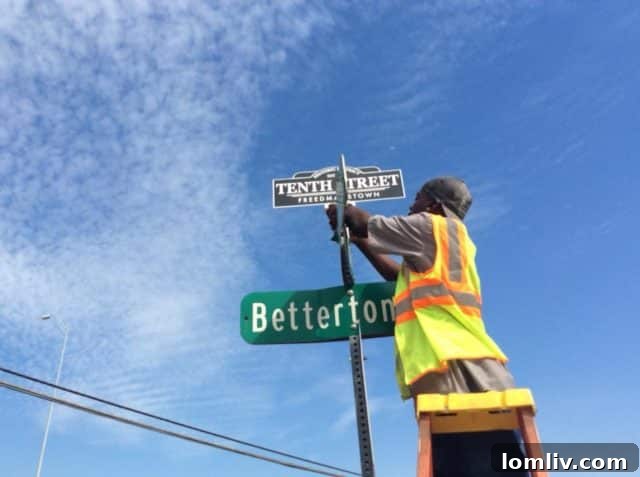
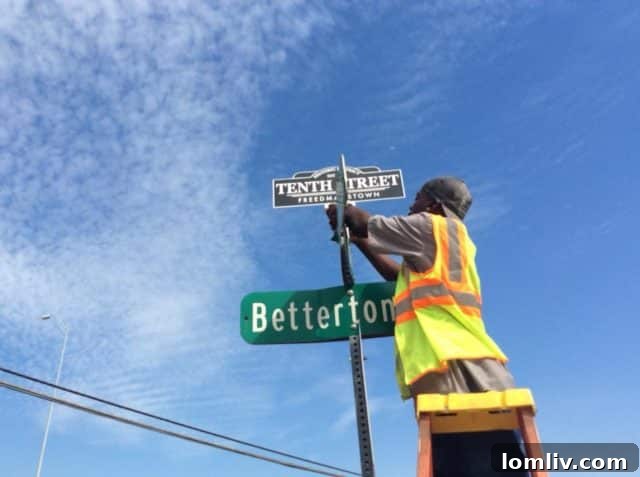
In a significant boost for some of Dallas’ most historic and deserving communities, substantial federal grant funds are now available to support home repairs and revitalization efforts. Residents in the Joppa, Five Mile, Tenth Street Historic District, and The Bottom neighborhoods are eligible to receive up to $100,000 per household. These designated areas, recognized as underserved communities, bore a disproportionately heavy burden from the socio-economic impacts of the COVID-19 pandemic, as highlighted in city documents. This vital funding aims to address years of deferred maintenance and provide much-needed stability to residents.
The American Rescue Plan Act (ARPA) Neighborhood Revitalization Program is at the forefront of this initiative. Specifically designed to offer critical grant funds for home repairs, the program targets neighborhoods located within Qualified Census Tracts throughout Dallas. Its overarching mission is clear: to “preserve affordable housing and increase livability” for thousands of residents. This commitment reflects a broader strategy to ensure that long-standing communities not only survive but thrive, offering safe, healthy, and stable environments for their inhabitants.
News of this transformative program was first shared last week in the city’s informative “This Is Our House” e-newsletter, sparking hope and excitement among residents. This program is more than just a financial handout; it represents a strategic investment in the fabric of Dallas, acknowledging the unique challenges faced by these historically significant yet often overlooked areas.
Catrice Robison, an outreach specialist for Dallas Housing and Neighborhood Revitalization, underscored the profound connection between housing quality and public health. “Since the start of COVID-19, more residents have engaged in activities inside the home,” Robison noted. “This has caused greater wear and tear on aging houses, which can create a difficult living situation.” Indeed, with families spending unprecedented amounts of time indoors, the condition of their homes directly impacts their health, safety, and overall quality of life. Issues like leaking roofs, faulty wiring, inadequate HVAC systems, and deteriorating plumbing, common in older homes, can lead to respiratory problems, safety hazards, and increased utility costs, exacerbating financial strain for vulnerable households.
Empowering Dallas’ Historic and Underserved Neighborhoods with ARPA Grants
The federal funds, facilitated by the American Rescue Plan Act, target communities that have a rich history but have often faced systemic disinvestment. Understanding the unique character and needs of each eligible neighborhood is crucial for effective revitalization. These grants aim to protect and enhance the existing housing stock, preventing displacement and preserving the cultural heritage embedded within these communities.
Joppa (Joppee): This venerable Freedman community, established in southern Dallas in the late 1870s by formerly enslaved people, holds immense historical significance. Despite its deep roots and enduring spirit, Joppa faces contemporary challenges, reflected in its median home value of approximately $94,500. The ARPA funding offers a lifeline, ensuring that the homes within this treasured community can be maintained and improved, allowing generations to continue calling Joppa home. Preserving Joppa is not just about housing; it’s about honoring a legacy of resilience and self-determination.
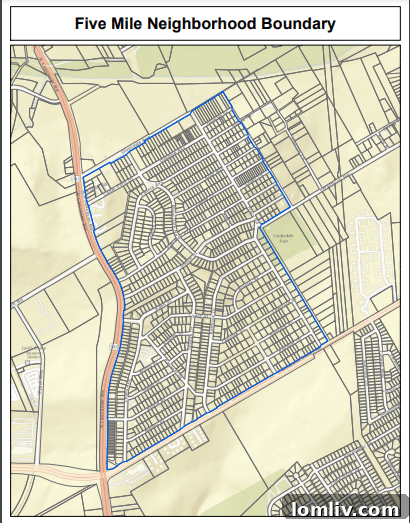
Five Mile Creek: Situated in southern Dallas, near the intersections of South Lancaster and Simpson Stuart roads, Five Mile Creek is another vital community poised for revitalization. With a median home value hovering around $91,420, residents here will significantly benefit from the ARPA program. These grants will enable crucial repairs, enhancing the safety, energy efficiency, and comfort of their homes, thereby fostering a more stable and prosperous environment for families.
Tenth Street Historic District: Recognized as one of the last remaining Freedman’s Towns in the United States, the Tenth Street Historic District stands as a powerful testament to African American history and resilience. The median home sale price in this district is around $325,000, indicating a blend of historical value and current market dynamics. The ARPA grants here are particularly vital for maintaining the architectural integrity and historical authenticity of these homes, which are not merely residences but living artifacts of American history. Protecting these structures ensures that the stories and heritage of the Tenth Street community continue to inspire future generations.
The Bottom: This historically Black neighborhood in East Oak Cliff was recently added to the list of areas eligible for ARPA funding, a testament to the city’s responsive approach to community needs. While home listings in The Bottom are comparatively few, reflecting a tight-knit community, land prices are listed between $18,000 and $215,000. The inclusion of The Bottom underscores a commitment to equitable development, ensuring that all underserved communities within Dallas have the opportunity to access resources that improve living conditions and foster sustainable growth.
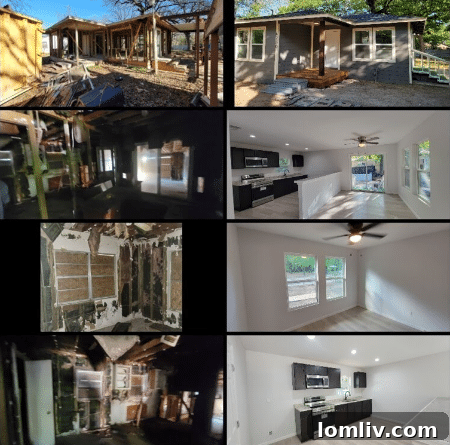
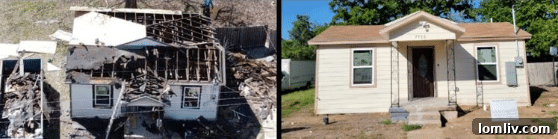
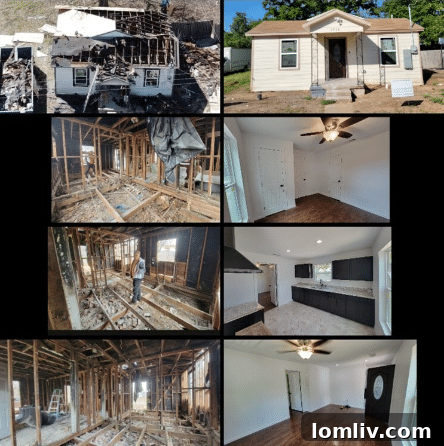
City officials have confirmed that projects are already underway for several homes, marking the tangible beginning of this vital revitalization effort. Currently, approximately $2 million has been allocated, aiming to serve at least 20 homes. However, the impact of this funding extends far beyond just structural repairs. As city documents eloquently state, “Funding housing preservation at this level and by neighborhood allows for a visible transformation of the homes, communities, and lives of the residents who occupy them.” This transformation fosters a sense of pride, boosts property values, and stimulates local economic activity through the engagement of local contractors and suppliers. It’s an investment in generational wealth and community stability.
How to Apply for Dallas Home Repair Grants: Your Guide to Eligibility
The application process for these crucial ARPA grant funds is designed to be accessible to eligible homeowners and property owners committed to affordable housing. Understanding the specific criteria is the first step toward securing assistance and making a lasting difference in your home and community. The program aims to support those most in need, ensuring that the funds are directed where they can have the greatest impact on preserving affordable housing and improving quality of life.
- Home Type and Age: To qualify for this Dallas home repair grant, the property must be a single-family detached dwelling. Furthermore, it must have been built in or before 1959. This specific age requirement targets older housing stock, which is often most susceptible to significant wear and tear, necessitating substantial repairs to ensure safety and habitability. These older homes frequently have outdated infrastructure, such as plumbing, electrical systems, and roofing, which can become costly burdens for homeowners without financial assistance.
- Primary Residence Status: The homeowner must occupy the dwelling as their primary residence. This stipulation ensures that the grants directly benefit owner-occupants, fostering long-term stability and investment in the community by individuals and families who live there day in and day out. It’s about empowering homeowners to create a safe and comfortable environment for themselves and their loved ones.
- Geographical Eligibility: The home must be physically located within one of the specifically qualified neighborhoods: Joppa, Five Mile, Tenth Street Historic District, or The Bottom. This geographical targeting is central to the ARPA Neighborhood Revitalization Program’s mission, focusing resources on areas identified as underserved and disproportionately affected by recent economic challenges and historical neglect.
- Demonstrated Need for Repairs: The property must genuinely require eligible repairs. While specific eligible repairs will be detailed during the application process, generally, these include critical improvements addressing structural integrity, health and safety hazards, energy efficiency upgrades, and crucial system replacements (e.g., roofing, HVAC, electrical, plumbing). The goal is to bring homes up to modern safety and living standards.
- Support for Affordable Rental Housing: Beyond owner-occupants, property owners who rent or sell to a tenant or buyer in the area who earns less than 80 percent of the Area Median Income (AMI) are also eligible. This critical provision ensures that the program also supports the preservation of affordable rental housing options within these communities, preventing displacement and ensuring that low-income residents continue to have access to quality, affordable homes. This multi-faceted approach addresses various aspects of the housing crisis within these tracts.
These comprehensive eligibility criteria underscore the program’s commitment to strategic investment, ensuring that federal funds are utilized to maximum effect in revitalizing Dallas’s most deserving neighborhoods. The application process will likely involve submitting documentation related to income verification, property ownership, and a detailed assessment of the home’s repair needs.
For more detailed information regarding the ARPA Neighborhood Revitalization Program, including specific repair guidelines, application forms, and assistance, prospective applicants are encouraged to reach out directly. You can call 469-799-2761 or send an email to [email protected]. This program represents a monumental opportunity for Dallas residents to enhance their homes, strengthen their communities, and contribute to a more equitable and resilient future for the entire city.