North Texas Winter Freeze: Reviving Your Landscape and Understanding Plant Damage
The recent extreme winter weather event across North Texas has left many homeowners and landscapers facing a daunting challenge: assessing and recovering from widespread plant damage. While the frigid temperatures have long since passed, their impact on local lawns and landscaping will be felt for months to come. Experts in landscape care emphasize a crucial message: patience is paramount. The full extent of winter weather damage often doesn’t become clear until the warmer temperatures of spring genuinely arrive, signaling plants to emerge from dormancy.
“It’s critical not to make any hasty decisions regarding your plants right now,” advises Ryan Burrow, a seasoned landscape expert from Lawns of Dallas. Many plants that appear dry, wilted, or even completely dead may still harbor life. Pulling them out prematurely could mean discarding a plant that was on the verge of recovery. “There’s a significant chance many of them will bounce back,” he adds, encouraging a wait-and-see approach that could save countless specimens.
Decoding Plant Health: The Essential Scratch Test
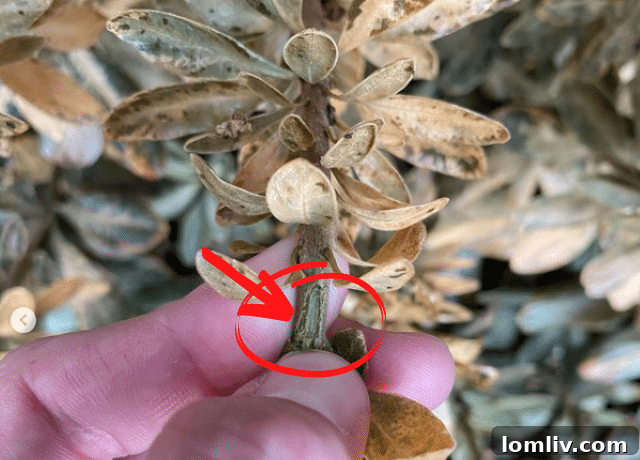
One of the most effective and immediate ways to gauge the vitality of your woody plants and shrubs after a severe freeze is through the simple yet revealing scratch test. Ryan Burrow demonstrated this technique in a video shared by Lawns of Dallas, specifically showing its application on Ligustrum (Privet) plants, a ubiquitous evergreen shrub cherished throughout Texas landscapes, and one particularly susceptible to frost damage.
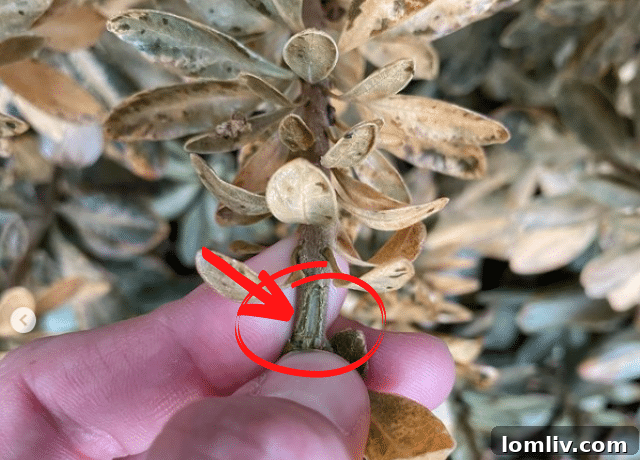
To perform this essential diagnostic test, select a branch or stem, ideally starting closer to the tip and moving inward if the initial spot appears dead. Using your fingernail or a small, sharp knife, gently scrape away a tiny section of the outermost bark-like surface. The color revealed beneath this layer is your indicator of health:
- Bright Green: This is excellent news! A vibrant green indicates that the tissue beneath the bark is alive and actively functioning, signaling that the branch, and likely the plant, has survived the freeze.
- Dull Green or Pale Green: While not as robust as bright green, a dull or pale green suggests the plant is alive but under significant stress or in poor health. “These plants are likely to survive, but don’t expect them to look their best for the next few months as they focus on recovery,” Burrow explains. They may require extra care and time to regain their vigor.
- Brown, Black, or Gray: Unfortunately, these colors typically indicate that the branch or stem section you’ve tested is dead. However, don’t despair immediately. It’s vital to test multiple branches across the plant, moving down the stem towards the main trunk. A single dead branch doesn’t necessarily mean the entire plant is lost, as deeper, more protected parts may have survived.
This test provides invaluable insight, preventing premature removal of plants that, at first glance, might appear to be beyond saving. As Burrow aptly puts it, “What might look like a goner initially, can often reveal ‘live’ green tissue when scratched, proving its resilience.”
Understanding Plant Prognosis and Freeze Vulnerability
Every plant species possesses a critical temperature point – a specific temperature below which its physiological processes are severely disrupted, leading to frost or freeze damage. Tropical plants, such as many palm varieties, typically have a higher critical temperature point, making them inherently more susceptible to North Texas’s occasional deep freezes. Conversely, plants naturally acclimated to colder climates can endure significantly lower, sub-freezing temperatures without suffering irreversible harm.
Beyond the absolute minimum temperature, the duration of exposure to critically low temperatures is a crucial factor. “A brief dip below freezing is far less damaging than a prolonged period in those critical temperatures,” Burrow emphasizes. Extended freezes can exhaust a plant’s natural defenses and lead to more extensive cellular damage, potentially compromising its long-term health. “Critically low temperatures sustained over time can effectively cut a plant’s lifespan in half,” he warns, highlighting the severity of such events.
Factors Increasing Vulnerability:
- Microclimates: Shrubs and plantings situated on the northern side of a home or building are often more vulnerable. These areas receive less direct sunlight, particularly during winter, meaning they remain colder for longer periods and are shielded from the ice-melting warmth of the sun.
- Plant Age: Young plantings, especially those in the ground for less than a year, lack the established root systems and mature woody tissue that provide resilience. “If they’ve been in the ground for under twelve months, their chances of survival after a deep freeze are unfortunately lower,” Burrow notes. This makes recent additions to your landscape, like the young tree planted to replace one lost in the 2019 North Texas tornadoes, particularly at risk.
- Pre-existing Health: Plants that were already stressed, diseased, or lacking proper nutrition prior to the freeze will have a diminished capacity to withstand and recover from cold damage.
Most Vulnerable Plants in North Texas Landscapes
The Lawns of Dallas team has been diligently conducting walkthroughs with clients across North Texas, assessing the aftermath of the freeze. Their observations confirm significant losses and widespread damage, particularly among certain popular landscape plants. Understanding which species are most susceptible can help homeowners focus their recovery efforts and make informed decisions about future planting.
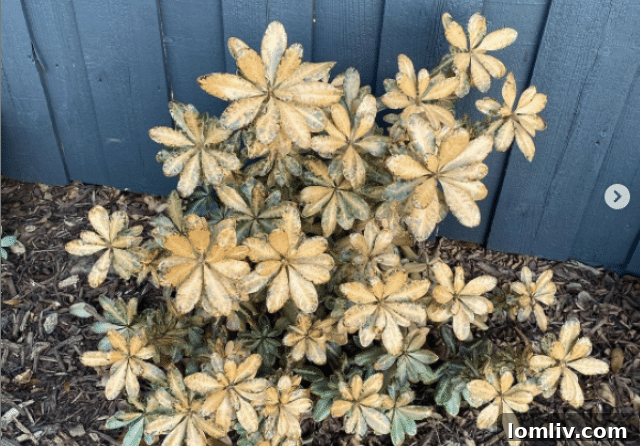
The following plant types have shown the most extensive losses and damage:
- Ligustrum (Privet, Sunshine Ligustrum): A ubiquitous evergreen, often suffers significant defoliation and branch dieback. The scratch test is crucial for these.
- Pittosporum (Mock Orange): Known for its attractive foliage, these shrubs frequently experience severe leaf burn and branch damage.
- Loropetalum (Fringe Flower): Delicate evergreen foliage and blooms make them very sensitive to prolonged cold, often leading to widespread browning.
- Buxus japonica (Boxwoods): A staple for formal hedging, Japanese Boxwoods can turn bronze or brown, indicating leaf and twig damage.
- Trachycarpus (Windmill Palms): While somewhat cold-tolerant, prolonged freezes damage fronds and can be fatal if the crown freezes.
- Cycus revoluta (Sago Palms): Technically cycads, not true palms, but widely planted. Their fronds are highly susceptible to browning and softening.
- Washingtonia (Mexican Fan Palms): Even more sensitive than Windmill Palms, these often sustain severe frond and crown damage.
- Ficus pumila (Creeping Fig Vine): This aggressive vine often shows complete defoliation and dieback to the ground.
- Taxus (Yew, Podocarpus): While some varieties are cold-hardy, many ornamental yews in warmer zones struggle with deep freezes.
- Many flowering shrubs with soft leaves (i.e., Azalea, Hydrangea, Roses, Gardenias): Their tender new growth and evergreen leaves are easily damaged, often requiring significant pruning.
Post-Freeze Care: What to Watch For and How to Respond
As North Texas transitions into spring, observing your plants closely and knowing how to respond is vital for their recovery. Different plant types react to freeze damage in unique ways, requiring tailored care strategies.
Specific Plant Considerations:
- Windmill Palms or Mexican Fan Palm Trees: Even if you diligently wrapped the trunk of your tropical palm, the most vulnerable part is often the crown, where new fronds emerge. If the crown appears rotten, or if fronds can be easily pulled out of the trunk, the prognosis is grim. This indicates significant damage to the apical meristem, which is crucial for the palm’s survival.
- Dwarf Palmetto or Sabal Minor Palm Trees: Among the tropical palms, this smaller species demonstrates remarkable resilience to freezes. If the central bud (the heart of the palm) remains firm and intact, there is a strong likelihood of survival. You can aid recovery by carefully cutting away any drooping or visibly damaged fronds, being cautious not to injure the central growth point. Conversely, if the crown feels soft or mushy, it’s a clear sign of irreversible damage.
- Large Sago Palms: These fascinating cycads are generally more cold-tolerant than true palms, capable of enduring temperatures down to around 15 degrees Fahrenheit. However, as Lawns of Dallas crews have observed, many Sagos have suffered. Look for yellowed, frost-damaged fronds or, more critically, a soft, spongy trunk. A firm trunk and healthy central crown are essential for recovery, even if all fronds are lost.
- Shrubs and Wood-Stemmed Perennials: For these plants, the scratch test is your primary tool. Perform it on various branches, working your way down. Once the danger of subsequent frosts has passed (typically mid-to-late spring in North Texas), prune away only the dead stems, cutting back until you reach green tissue under the bark. Avoid over-pruning prematurely, as dead foliage can offer some protection. If you find no green underbark on any stem, cut the plant back close to the ground. Many will reemerge from healthy roots, proving their enduring tenacity.
- Succulents (Cacti, Agaves, etc.): Most succulents are not inherently frost-proof; they are adapted for arid, often hot, conditions. As such, a prolonged deep freeze often proves fatal. Mushy, collapsed, or wilted cacti and agaves are typically beyond recovery. However, there is a glimmer of hope if you find a firm, intact center within the collapsed outer leaves of an agave or similar succulent. Wait until consistently warmer weather to prune away the damaged portions and assess if the plant can regenerate from its core.
General Post-Freeze Care Tips:
- Watering: Once temperatures are consistently above freezing and the ground has thawed, provide thorough, deep watering to all affected plants. Winter desiccation can exacerbate freeze damage, especially for evergreens.
- Avoid Early Fertilization: Do not fertilize immediately. Stressed plants need to recover naturally first. Fertilizing too soon can encourage weak new growth that is susceptible to disease or late frosts. Wait until you see strong signs of new growth and warmer temperatures before considering a balanced, slow-release fertilizer.
- Mulch Protection: Ensure a good layer of mulch around the base of plants. This insulates roots, retains moisture, and helps moderate soil temperature, aiding in recovery.
- Disease and Pest Watch: Stressed plants are more vulnerable to pests and diseases. Monitor your recovering landscape closely for any signs of secondary issues and address them promptly.
The overarching lesson here is to cultivate patience and embrace the temporary “ugly” phase of your landscape as plants valiantly strive to survive and regenerate. “Plants are remarkably similar to people in their resilience,” Burrow reflects. “They possess intricate emergency responses to save themselves. By entering a state of dormancy, they concentrate their energy on drawing essential nutrients from their root systems, working tirelessly to pull through.” Trust in their natural instincts, and provide the gentle support they need.
Long-Term Recovery and Future Preparedness
For those plants that unfortunately do not recover despite your best efforts, spring is the ideal time to plan for replacement. When selecting new plants, consider “zone-appropriate” species that are better suited to North Texas’s fluctuating climate, including its occasional severe freezes. Many nurseries now offer expanded selections of cold-hardy alternatives to traditionally vulnerable plants.
Moving forward, incorporate winterization techniques into your annual landscape maintenance. This includes:
- Deep Watering Before a Freeze: Well-hydrated soil retains heat better than dry soil.
- Applying Mulch: A thick layer around vulnerable plant bases offers critical root insulation.
- Protective Coverings: For tender plants, consider temporary covers or burlap wraps for forecasted severe freezes.
- Proper Planting Location: Understanding microclimates in your yard can help you place vulnerable plants in more protected spots.
Ultimately, recovering from significant winter freeze damage in North Texas is a marathon, not a sprint. It requires careful observation, timely action, and a deep well of patience. By understanding how plants react to cold stress and implementing appropriate care strategies, you can help your beloved landscape bounce back stronger than ever.