The Dallas Carbuncle Crown: A Call to Evaluate Our City’s Architecture
In the vibrant discourse surrounding urban development and design, architectural criticism plays a crucial, albeit sometimes contentious, role. It’s a mechanism not only for celebrating visionary structures but also for openly questioning those that fall short of aesthetic and functional expectations. This spirit of critical evaluation has given rise to fascinating initiatives across the globe. One such pioneering endeavor began in 2000, when Urban Realm, an influential Scottish architecture magazine, inaugurated its annual “Carbuncle Award.” This award aimed to spotlight and critically assess the worst new architecture across Scotland, igniting important conversations about how design impacts public spaces and the daily lives of citizens.
The success and provocative nature of the Carbuncle Award soon inspired a similar, widely recognized initiative in the United Kingdom. In 2006, the prominent UK magazine Building Design launched the equally famous, or infamous, Carbuncle Cup. This annual award was established with a clear, direct purpose: to identify “the ugliest building in the United Kingdom completed in the last 12 months.” The Carbuncle Cup quickly became a staple in architectural commentary, often sparking lively debates and challenging both architects and developers to reflect on their contributions to the built environment. It served as a powerful, sometimes humorous, reminder that architecture is a public art form, deeply affecting the character and livability of our cities beyond mere structural integrity.
A Global Glimpse into Polarizing Architecture
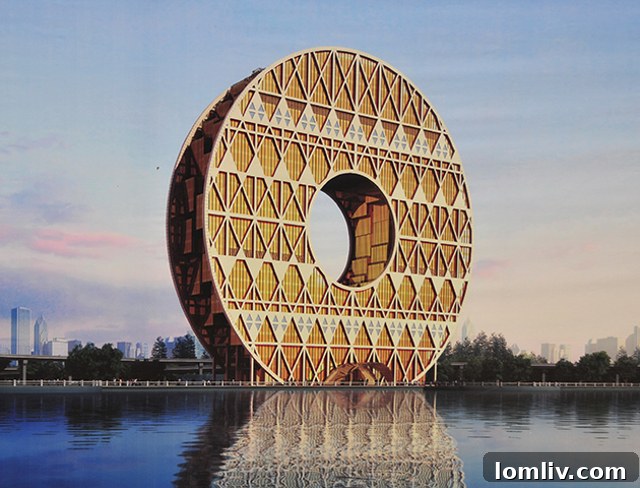
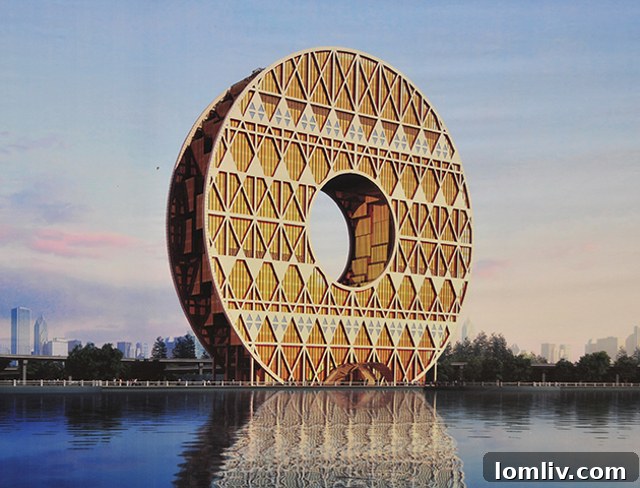
Consider, for a moment, the global landscape of architectural design. If a Carbuncle-style prize were to exist in China, the striking “donut” office building depicted above would have undoubtedly been a leading contender for such an accolade in 2015. It stands as a prime example of architecture that, while embodying significant symbolism, nonetheless divides opinion. This towering structure, an imposing 33 stories high, was meticulously designed to resemble ancient Chinese coins, complete with a distinctive central void. This symbolic choice is intended to evoke prosperity and a connection to historical heritage. Furthermore, its ingenious placement allows for a stunning reflection in the adjacent river, forming the number “8,” a digit profoundly associated with luck and fortune in Chinese culture. Despite these rich cultural undertones and deliberate design choices, the building’s bold and unconventional form has generated considerable discussion among critics and the public alike, perfectly illustrating the kind of polarizing design that Carbuncle awards are designed to highlight and debate.
Introducing the Dallas Carbuncle Crown: Advocating for Better Design in the Big D
Dallas, a city celebrated for its relentless growth and dynamic spirit, is currently experiencing an unprecedented period of urban transformation. Our skyline is continually evolving, with new developments seemingly appearing overnight. While this rapid expansion underscores Dallas’s economic vitality, it also presents a critical challenge: the proliferation of what some perceive as “cheap, bad architecture.” The sheer volume of new construction, at times prioritizing speed and cost over thoughtful design and aesthetic quality, necessitates a local platform for architectural scrutiny and public dialogue. It’s time for Dallas residents to collectively engage with and influence the architectural identity of their beloved city.
Drawing inspiration from the esteemed, and sometimes controversial, Carbuncle tradition, we are proud to launch the Dallas Carbuncle Crown. This new annual award is envisioned as more than just a critique; it’s an invitation for a city-wide conversation about the architectural standards we aspire to, the structures that shape our daily experiences, and the lasting legacy we leave for future generations. For this inaugural year, we are opening nominations across two distinct categories, designed to capture both historical design missteps and recent architectural blunders that continue to impact our urban fabric:
Ugliest Building in Dallas (Regardless of year built – This crucial category allows us to revisit and acknowledge structures that have long been perceived as eyesores or questionable design choices within our city, regardless of when they were constructed. It’s an opportunity to catch up on decades of architectural decisions that may warrant a collective re-evaluation.)
Ugliest Building in Dallas 2018 (Specifically for buildings completed within the past 12 months – This category focuses on holding contemporary developments accountable. It’s about immediately addressing new constructions that might be failing to meet desired aesthetic or functional standards, thereby helping to shape the future trajectory of Dallas’s architectural landscape.)
Your Guide to Nominating for the Dallas Carbuncle Crown
The Dallas Carbuncle Crown is a truly democratic initiative, open to every resident who has a keen eye and a strong opinion about our city’s architecture. We actively encourage nominations for any type of structure that you believe detracts from the beauty, character, or overall functionality of Dallas. This broad scope includes everything from single-family homes that have gone spectacularly wrong to ill-conceived townhome complexes, soaring apartment buildings, or even imposing commercial skyscrapers that miss the mark. Public and municipal structures are also fair game – perhaps a museum whose design confounds, a public sculpture that fails to inspire, or a bridge that simply doesn’t integrate harmoniously with its surroundings. We even welcome nominations for particularly egregious home additions that mar the aesthetics of an otherwise charming neighborhood. No architectural endeavor is too grand or too humble to be considered for the scrutiny of the Dallas Carbuncle Crown.
To ensure your nomination is part of this vital conversation, please submit your entries by the deadline of September 30, 2018. Following the close of nominations, a carefully curated selection of submissions will be featured on Daltxrealestate.com throughout October. This online showcase will provide the public with the exciting opportunity to cast their votes for the top contenders in each category. The climax of this initiative will be the much-anticipated announcement of our inaugural Carbuncle Crown recipients. While the precise details of the award presentation are still being humorously deliberated, I am currently envisioning a truly unforgettable gala awards banquet hosted at a venue renowned for its distinctive charm and understated elegance: Arby’s. This playful approach is intended to underscore our commitment to sparking serious architectural dialogue without veering into undue pretentiousness.
Let me be unequivocal: I am absolutely serious about the significance and impact of this endeavor. To submit your nomination, simply capture a clear photograph of the building you believe is a deserving candidate. If the building is a widely recognized landmark, its address will suffice. Clearly indicate which of our two categories your nomination falls under, then compose a few thoughtful, concise sentences explaining why you believe it should be awarded the coveted Carbuncle Crown. All submissions should be emailed to [email protected]. We are committed to ensuring complete anonymity for all submitters, thereby creating a secure environment for architects who might secretly harbor reservations about their clients’ demands, or perhaps even their colleagues’ designs, to offer candid critiques without fear of reprisal. Furthermore, multiple entries from a single nominator are not just permitted, but enthusiastically encouraged! While I anticipate a significant number of nominations for the deluge of recently constructed apartment buildings across Dallas, our city’s diverse architectural tapestry undoubtedly contains a wealth of “schlock” from various eras, promising a rich pool of contenders for the “all-around” category.
The Intricate Paradox of “Ugly” Architecture: A Nuanced Perspective
But beware … The Journey from Condemnation to Unexpected Reverence is Shorter Than You Might Imagine
Before enthusiastically embarking on your critical quest for Dallas’s most questionable designs, it’s imperative to consider the often fascinating and perplexing history of architectural “worst” awards. A review of past “winners” and nominees for the original Carbuncle Cup reveals a compelling paradox: a select number of structures, initially met with widespread scorn and sometimes outright ridicule, have, over the passage of time, evolved to garner an unexpected degree of public acceptance, and in some rare instances, even a peculiar form of grudging reverence. This intriguing phenomenon underscores the profoundly subjective and ever-evolving nature of architectural taste, reminding us that what one generation swiftly dismisses as an eyesore, another might eventually come to appreciate for its audacity, innovation, or unique contribution to the urban narrative.
Adding another layer of complexity to this architectural debate, it is a noteworthy observation that many nominated, and even winning, designs have originated from the drawing boards of some of the world’s most acclaimed architectural firms. These include industry giants such as Skidmore, Owings & Merrill, the visionary Dutch architect Rem Koolhaas, and Pelli Clarke Pelli – a firm locally celebrated for its significant contributions to Dallas’s iconic McKinney & Olive development. This fact serves as a powerful and humbling reminder that even the most esteemed architects, with their unparalleled expertise and artistic vision, can produce works that ignite intense public debate, thereby challenging conventional notions of beauty, functionality, and contextual harmony within the built environment.
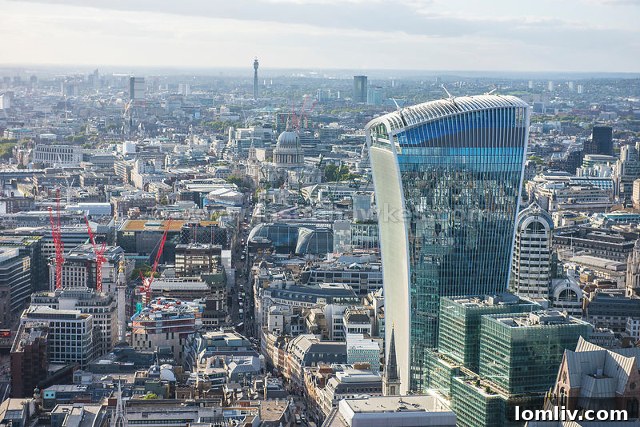
A quintessential example of this architectural tightrope walk is 20 Fenchurch Street in London, more popularly, and perhaps infamously, known as the “Walkie-Talkie” building. This distinctly shaped office tower, prominently featured above, was awarded the dubious honor of the Carbuncle Cup in 2015. Its controversial design drew widespread criticism not only for its jarring aesthetic but also for its unintended environmental impacts, including notorious incidents of solar glare that famously melted parts of vehicles and the creation of powerful downdrafts at street level. Yet, despite this initial public outcry and critical condemnation, it is crucial to acknowledge its commercial success: the building achieved a remarkable 98 percent lease rate upon its opening. Furthermore, it boasts a truly exceptional feature: a vast, publicly accessible “Sky Garden” encased in glass atop the structure, offering unparalleled panoramic views of London. This innovative public amenity serves as a testament to the building’s broader aspirations for civic contribution amidst its architectural critique.
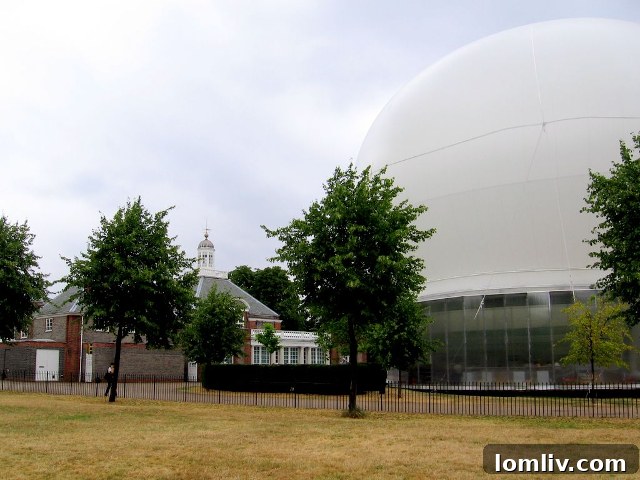
Of course, it must be stated that for the majority of buildings nominated for, and indeed victorious in, these awards, the criticism is often entirely well-deserved. Their design flaws, perceived lack of contextual sensitivity, or simply uninspired aesthetics are frequently undeniable. Consider the pair of Serpentine Galleries, nestled within the picturesque Hyde Park in London. Each year, a different acclaimed architect is commissioned to conceptualize and construct a temporary pavilion, serving as a platform for experimental design and public engagement. In 2006, the celebrated architect Rem Koolhaas, in collaboration with Cecil Balmond and Arup, presented a structure that garnered a Carbuncle Cup nomination. This particular pavilion, characterized by its inflatable, almost whimsical form, was humorously, yet critically, described by observers as resembling a “bouncy snow globe,” an “ode to Jiffy Pop,” or even a “giant’s 1960s hair dryer.” While undoubtedly a bold artistic statement, its ephemeral nature and provocative design certainly pushed the boundaries of public acceptance, sparking vigorous debate about its aesthetic merits and its practical contribution to the park.
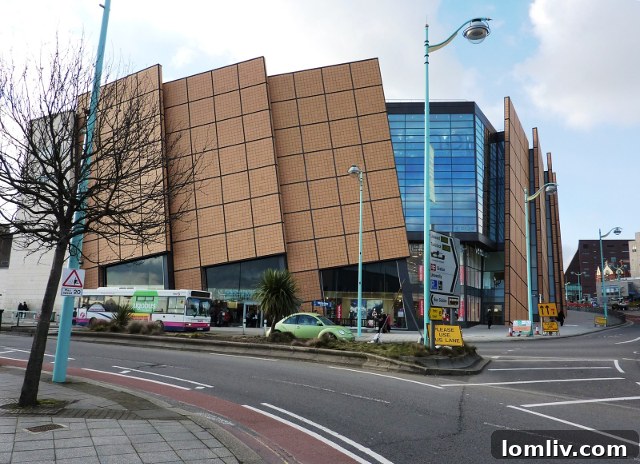
The actual winner of the 2006 Carbuncle Cup was the Drake Circus shopping center located in Plymouth. Its ultimate triumph over Koolhaas’s highly discussed, temporary pavilion perhaps highlights a crucial distinction in the judging criteria: permanence. A temporary, experimental structure, by its very nature, is transient; a permanent, large-scale commercial development that persistently falls short of aesthetic expectations arguably represents a more significant and enduring blight on the urban fabric. Yet, further underscoring the deeply subjective and context-dependent nature of architectural taste, the very next year, Retail Week magazine bestowed upon Drake Circus the prestigious title of “Shopping Location of the Year.” While this particular award, strictly speaking, appears to be more a commendation of its commercial viability and accessibility rather than a profound endorsement of its architectural brilliance, it nonetheless vividly illustrates the complex and often contradictory interplay between design, functionality, public perception, and commercial success.
Your Indispensable Role in Shaping Dallas’s Architectural Future
The Dallas Carbuncle Crown transcends mere criticism; it is fundamentally about empowerment and engagement. It offers every resident of Dallas an invaluable opportunity to contribute their voice to the ongoing narrative of our city’s architectural evolution. By actively participating, you become an integral part of a vital dialogue that challenges both developers and architects to consider not only financial bottom lines but also the profound, lasting legacy of their designs on our shared urban environment. This is your unparalleled chance to constructively name and shame the perpetrators of what you perceive as problematic architecture within our dynamic city. Let us collectively strive to elevate the standards for design excellence in Dallas, fostering an urban landscape where innovative visions are seamlessly matched by thoughtful aesthetics, contextual harmony, and a genuine respect for public space. Don’t disappoint; the future of our city’s skyline, and indeed its soul, eagerly awaits your discerning eye and candid input!

Remember: My professional focus frequently revolves around the intricate world of high-rises, the nuances of Homeowners Associations (HOAs), and transformative renovation projects. However, my appreciation for architecture extends across a broad spectrum, deeply valuing both modern innovation and meticulous historical preservation. This perspective is often balanced against the dynamic principles of the YIMBY (Yes In My Backyard) movement – advocating for responsible and thoughtful urban development. My commitment to delivering insightful commentary on architectural and real estate trends has been recognized by the National Association of Real Estate Editors, who graciously honored my writing with three Bronze awards in 2016 (for an article dissecting housing styles), 2017 (on the complexities of property taxes), and 2018 (covering a significant condo fire). Additionally, I received two Silver awards in 2016 (for a piece exploring second homes in Marrakech) and 2017 (examining second homeownership in Bermuda). Do you have a compelling story to share, a unique perspective to offer, or perhaps even an unexpected marriage proposal? Please feel free to shoot me an email at [email protected]. You’re also most welcome to search for me on Facebook and Twitter; while you might not find me, the effort to look is always genuinely appreciated!