When embarking on the significant journey of hiring an architect for a new home or renovation, many prospective clients instinctively focus on superficial elements: the preferred architectural style and the specific details they envision for their future residence. This initial inclination seems perfectly logical; after all, a home’s aesthetic appeal is often the first thing that captures attention and imagination. However, the path to truly timeless and impactful residential architecture, one that profoundly enhances the lives of its inhabitants, demands a deeper perspective.
William Briggs, the visionary founder and owner of William S. Briggs Architects, argues that the foundation of a genuinely successful architect-client relationship transcends these initial style-centric discussions. Briggs is on a mission to redefine the dialogue he has with clients, encouraging them to look beyond transient trends and delve into the fundamental essence of living. His approach challenges conventional thinking, steering conversations towards a holistic understanding of how architecture can serve and elevate the human experience.
“The real issues at play in creating a truly enduring home are space, materials, light, and critically, how these elements harmoniously support the life lived within them,” Briggs emphasizes. “Ornamentation and specific stylistic choices, while important, should always be viewed as subservient to these broader, more foundational architectural ideas. They are embellishments, not the core narrative.” This philosophy underscores a commitment to design principles that resonate far beyond passing fads.
Briggs meticulously guides his clients through a reflective process, prompting them to consider the intricate patterns of their daily lives, how they interact with and move through their living spaces, and the diverse functions their home must accommodate. His ultimate goal is to craft classic homes – regardless of their overt stylistic expression – that possess an inherent quality capable of withstanding the relentless march of time, remaining relevant and cherished for generations. This pursuit of timeless design is not about ignoring contemporary needs but about weaving them into a fabric of enduring architectural excellence.
“Every client arrives with a unique set of preferences and tastes, deeply rooted in their vision of how life should be lived within their home,” Briggs explains. “It becomes the profound responsibility of the architect to listen with meticulous care, to truly absorb these aspirations, and then to translate them into the finest possible architectural expression. When this synthesis of client vision and architectural expertise is achieved, the project transcends mere construction; it becomes an enduring legacy, a home that continues to refresh and delight its occupants for countless years to come.” This collaborative listening process is central to creating truly personalized and lasting spaces.

This philosophy crystallizes around a crucial understanding: while architectural styles are inherently transient, evolving with cultural shifts and prevailing tastes, truly exceptional design possesses an immutable quality that transcends any specific era. Consider the magnificent 100-year-old homes that continue to captivate with their enduring design, inherent elegance, serene repose, profound comfort, and masterful manipulation of natural light. These residences stand as testaments to the power of fundamental design principles. Conversely, many contemporary houses, characterized by dynamic spatial arrangements, sophisticated material palettes, precise proportions, and intriguing details, equally demonstrate the capacity for timelessness. They, too, will endure, just as these venerable older homes have. The common thread weaving through both traditional masterpieces and modern marvels is not a particular style, but rather the clarity of the homeowner’s vision, expertly interpreted and brought to life by the unparalleled skill of a perceptive architect.
“Whether a home is distinctly modern or classically styled, such as a Georgian or French house, its success ultimately hinges on achieving harmonious spatial flow and fostering meaningful interrelationships for its occupants, albeit through different architectural languages,” Briggs articulates. This statement underscores that the ultimate function of architecture – to enhance daily living – remains constant, regardless of the aesthetic envelope.
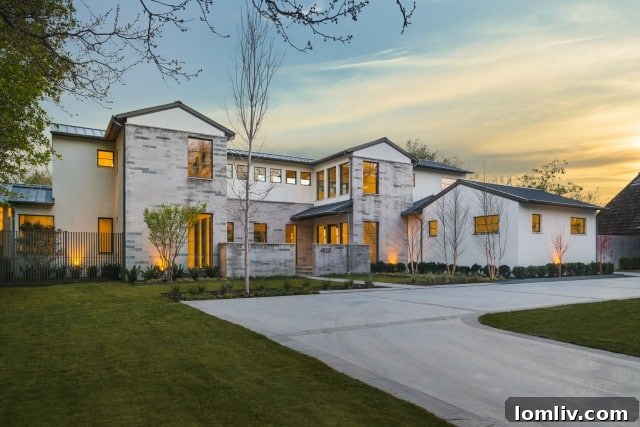
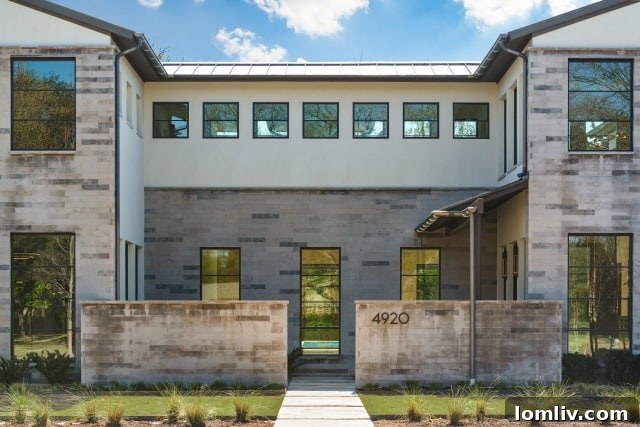
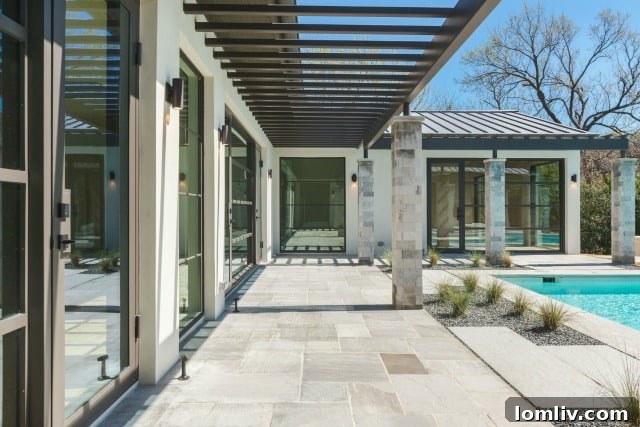
Regrettably, contemporary culture often gravitates towards superficial distinctions rooted in nominative style, fostering rigid viewpoints such as “only modern architecture makes true sense” or “only traditional methods represent the real way to build.” Briggs critiques this narrow perspective, asserting that such arguments are fundamentally “thin on both sides.” He champions a more pragmatic and context-driven approach, where the optimal design solution is determined by a confluence of factors: the character of the neighborhood, the broader urban fabric, the client’s budget, and crucially, the client’s unique needs and aspirations. Above all, the ultimate arbiter should always be the commitment to good design principles.
To illustrate this point, Briggs draws a compelling analogy from the art world: “The advent of photography, with its ability to capture reality with precision, might have been expected to supplant painting on canvas entirely. Yet, both art forms have evolved in parallel, each offering distinct and equally profound value to the discerning art connoisseur.” This parallel highlights that different forms of expression can coexist and thrive, appealing to varied tastes, without one necessarily diminishing the intrinsic worth of the other. The same holds true for architectural styles; their value lies in their ability to deliver exceptional design, not in their adherence to a single, prescribed aesthetic.
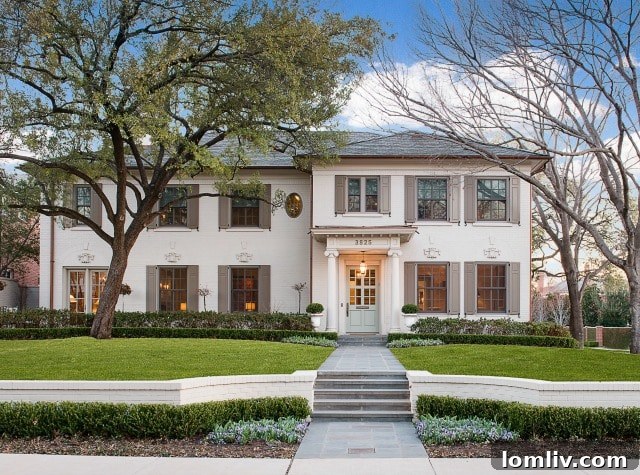
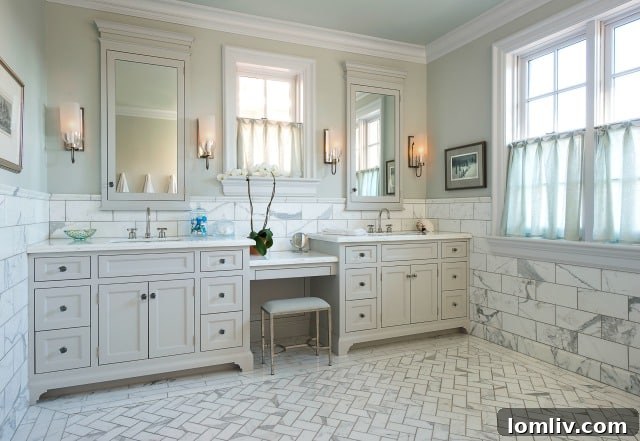
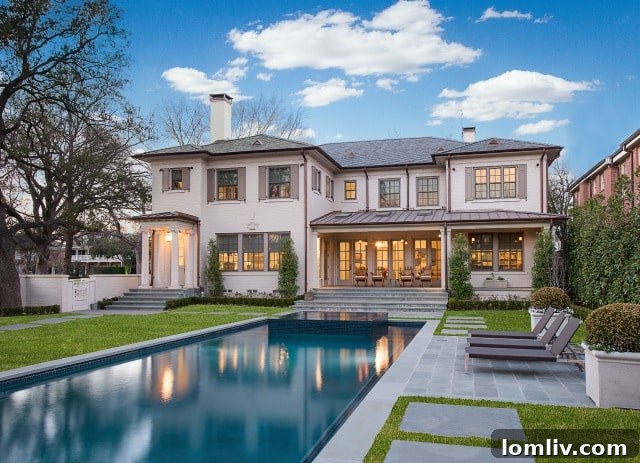
William Briggs established his firm in 1994, bringing to fruition a lifelong passion that ignited in him as early as fourth grade. His early fascination with architecture stemmed from the fundamental appeal of creation. “I was captivated by the sheer idea of drawing, the profound satisfaction of conceiving and bringing into existence things that had never before existed,” he recalls. “Architecture offers a unique opportunity to define and shape at so many intricate levels. It truly pleases me to resolve complex issues—be they related to construction, organizational flow, or financial constraints—and through that process, to ultimately achieve something that transcends all these practical considerations. The final built form carries a presence within its culture that is far greater than the sum of its individual parts, embodying a holistic value.”
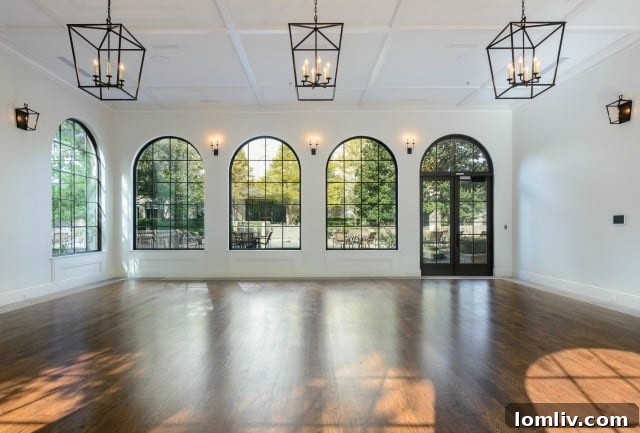
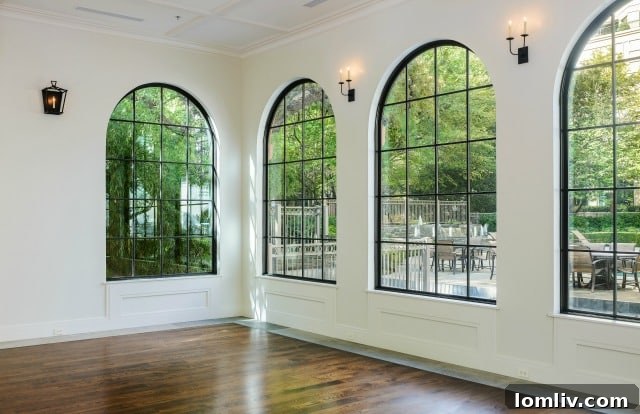
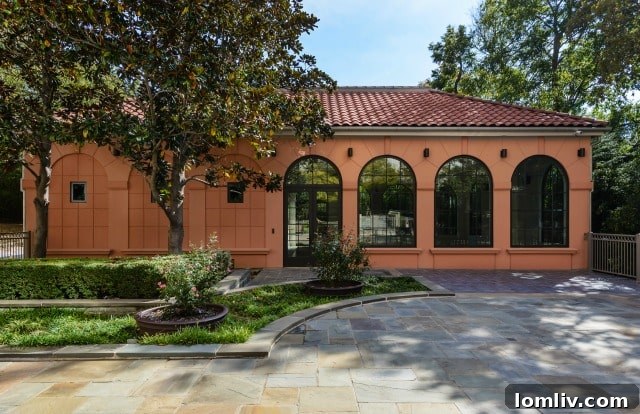
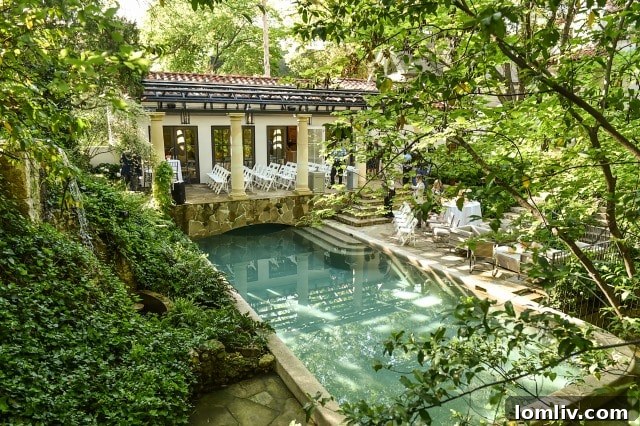
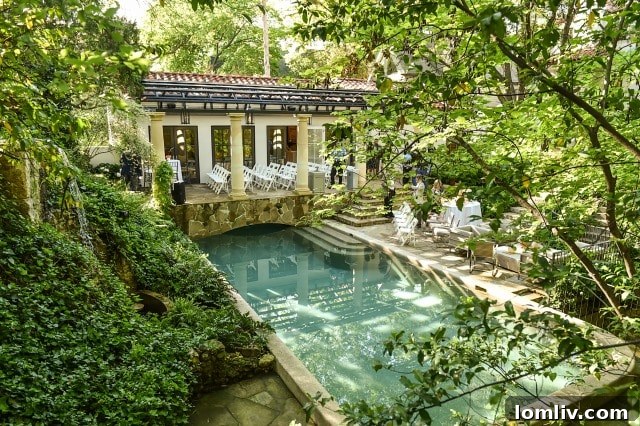
Briggs illustrates this principle with his work on the new outdoor pavilion at Lee Park, a collaborative effort with the acclaimed landscape architecture firm Armstrong Berger. This public project serves as a compelling testament to how architectural excellence can merge practicality with profound aesthetic and functional impact. “At its core, the pavilion met its budget constraints and proved to be an exceptionally practical structure,” Briggs states. “But beyond those essential requirements, it blossomed into a truly beautiful landmark within Lee Park. It has since hosted dozens of weddings, is consistently rented out every weekend for a myriad of events, and provides immense public enjoyment and community gathering space. Why would anyone not aspire to dedicate their life to creating such impactful and cherished spaces?” This public success mirrors his private residential aspirations.
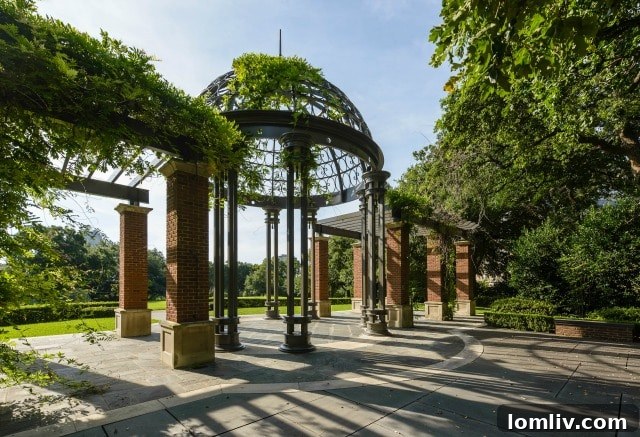
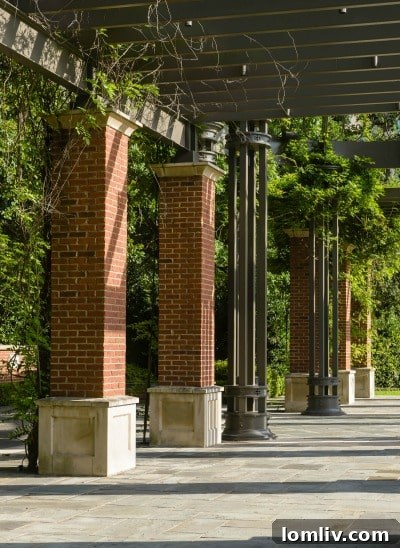

Briggs contends that the creation of residential homes holds an even greater significance than public structures like the Lee Park pavilion. While adhering to zoning regulations, building codes, and intricate technical specifications is non-negotiable, the true impact of a home extends far beyond these practicalities. A meticulously designed house has the profound capacity to shape the way its inhabitants perceive the world, and critically, how they interact with each other within its walls.
“At its heart, our work is about crafting a beautiful and restorative environment, a sanctuary that provides solace and helps people navigate a world that is not always inherently restful or beautiful,” Briggs articulates passionately. “It’s about designing a home that thoughtfully integrates abundant natural light and frames breathtaking natural views, particularly in an age where so much of our external environment often deprives individuals of this essential connection and grounding to nature. A well-designed kitchen and a welcoming family room are not merely functional spaces; they are the heartbeats that support and strengthen a family unit. As an architect, the ability to facilitate and bring these vital elements to life within a home is, without a doubt, what inspires me and gets me enthusiastically out of bed every single morning.” This deep-seated belief in the transformative power of architecture drives every project at William S. Briggs Architects, ensuring each home is a testament to lasting beauty, functionality, and human well-being.