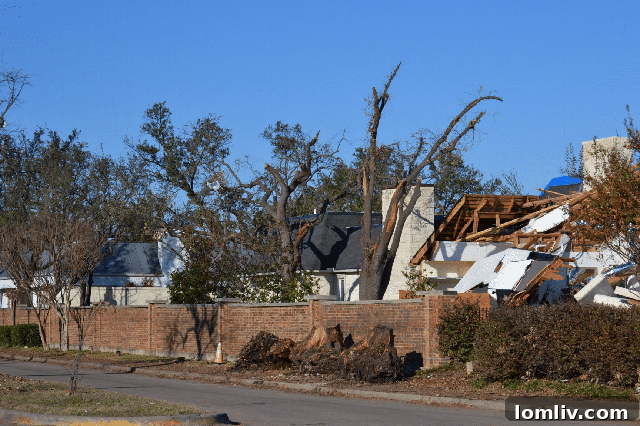
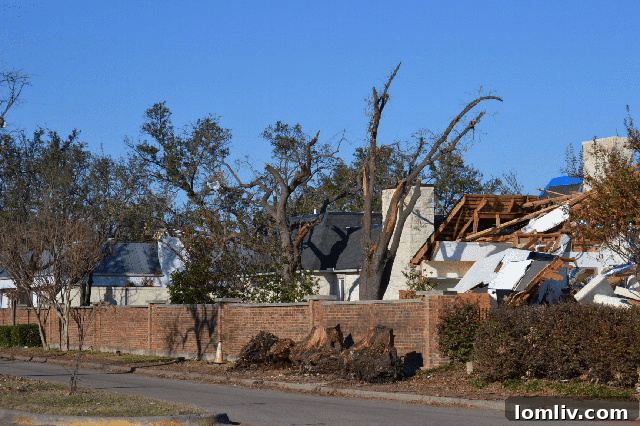
In an era marked by an undeniable surge in the frequency and intensity of natural disasters worldwide, communities are increasingly grappling with the profound challenge of recovery and rebuilding. From devastating hurricanes and widespread flooding to the abrupt destruction caused by powerful tornados, these events leave an indelible mark on infrastructure, economies, and most importantly, the lives of residents. Recognizing this critical global imperative, The Dallas Architecture Forum extends a timely invitation to a compelling panel discussion titled “Disaster Recovery – Helping Communities Come Home.” This essential conversation will delve into the multifaceted approaches to resilience, examining how strategic design and robust policy can empower communities to not just recover, but to emerge stronger and more sustainable in the face of future catastrophes.
Moderated by Emily Henry, a distinguished Principal at Studio Outside, this panel discussion is particularly resonant for the Dallas-Fort Worth metropolitan area, following the region’s own recent devastating tornado outbreak. The free public event is scheduled for Tuesday, February 4th, at 6:30 p.m., hosted within the prestigious Dallas Black Dance Theater building. It offers a unique opportunity for both Forum members and the broader public to engage with leading experts on a topic that profoundly impacts urban planning, community well-being, and long-term sustainability. This discussion aims to equip attendees with insights into innovative strategies for emergency preparedness, recovery, and the creation of resilient urban landscapes.
Shaping Resilient Futures: The Pivotal Role of Design in Disaster Recovery
The aftermath of a natural disaster presents a complex web of challenges, extending far beyond immediate relief efforts. Rebuilding homes, restoring public services, and revitalizing local economies demand a thoughtful, integrated approach that moves beyond mere reconstruction to focus on long-term resilience. As Nate Eudaly, Executive Director of The Dallas Architecture Forum, eloquently states, “With the increasing frequency and damage caused by natural disasters, we are repeatedly confronted with pressing questions: How do we effectively return people to work, school, and home? This panel will illuminate the innovative ways civic and governmental organizations are leveraging policy and design to assist communities in recovering from these traumatic events and, crucially, to forge more sustainable and resilient cities for the future.”
The conversation will highlight how strategic design principles, integrated with forward-thinking policy, can serve as powerful tools in mitigating the impact of disasters and accelerating recovery. This involves not only architectural and urban planning interventions but also comprehensive approaches to infrastructure development, landscape design, and public policy formulation. The panel will explore various case studies, providing tangible examples of successful recovery efforts. These will include critical lessons learned from the catastrophic hurricanes and extensive flooding experienced along the Gulf Coast, as well as the immediate and long-term responses to devastating tornados right here in North Texas. By examining these diverse scenarios, the discussion will underscore the universal applicability of design and policy solutions in fostering community resilience.
A distinguished lineup of local urban planning specialists, disaster response experts, and urban forestry professionals will guide this critical discussion. Steven Duong, Benje Feehan, Travis Houston, and Janette Monear bring a wealth of practical experience and visionary leadership to the panel. They will elaborate on how government entities and civic organizations utilize proactive policies and innovative design frameworks to facilitate comprehensive recovery following events like the October 2019 Dallas tornado. Their insights will cover a spectrum of topics, from immediate emergency response coordination to long-term urban redesign and the integration of green infrastructure, all aimed at fostering communities that are better prepared and more capable of rebounding from future challenges. This holistic perspective is vital for cities striving to build genuine, lasting resilience.
Meet the Visionaries: Insights from Leading Disaster Recovery Experts
All biographical information presented below is courtesy of The Dallas Architecture Forum, providing a glimpse into the expertise guiding this pivotal discussion.

As the esteemed moderator for this vital discussion, Emily Henry, a Principal at Studio Outside, brings a unique blend of leadership and a deep commitment to environmental enhancement. At the core of Emily’s professional ethos is the art of building meaningful relationships, a skill she masterfully leverages in her role leading business development. As a highly accomplished landscape architect, she utilizes her exceptional communication skills and extensive resources to forge powerful connections and foster collaborations with creative, like-minded partners and clients. Her ultimate goal is to elevate our built and natural environments, transforming them into better, more resilient places for all to live and thrive. Emily’s dedication extends to significant community initiatives, where she currently serves as the landscape architecture lead for TREC’s impactful Dallas Catalyst Project. Furthermore, her leadership experience includes her tenure as Past Chair for TREC’s influential Leadership Alumni Core Committee, demonstrating her long-standing commitment to fostering sustainable urban development and community engagement.

Steven Duong, AICP, an Associate Vice President and the dynamic Urban Design Lead for AECOM’s Urbanism + Planning practice in the Central US, is a recognized authority in shaping the cities of tomorrow. His expertise spans a diverse portfolio of complex and high-impact projects, demonstrating his profound influence on regional and urban development. Notably, Steven has played a pivotal role in spearheading initiatives for the City of Dallas, including the comprehensive 100 Resilient Cities plan and the ambitious Climate Action Plan, both critical frameworks for enhancing the city’s ability to withstand and recover from various shocks and stresses. Beyond local impact, he has also contributed significantly to visionary infrastructure projects such as the Texas Hyperloop Project. Steven’s professional focus is keenly directed towards the interconnected pillars of urban resilience, sustainable development, the integration of smart cities technologies, and innovative urban design. His work consistently seeks to create environments that are not only aesthetically pleasing and functional but also inherently adaptable, equitable, and capable of thriving amidst environmental and societal changes, making him an invaluable voice in the discourse on disaster recovery and future-proof urbanism.

Benje Feehan, a distinguished Architect and the visionary Executive Director of buildingcommunityWORKSHOP, is a leading proponent of public interest design and its transformative power. He is at the forefront of driving significant initiatives that promote design justice across the state of Texas, passionately advocating for architecture and planning solutions that prioritize community needs and equity. Benje holds the pivotal responsibility of guiding his organization into its next phase, focusing on deepening its impact through robust community engagement and design-led solutions that address social inequities. His leadership in diverse teams has yielded remarkable results, earning widespread recognition and numerous prestigious awards and honors. These accolades include multiple LEED platinum certifications, underscoring his commitment to environmental sustainability, alongside a plethora of local AIA design awards. Furthermore, his work has garnered national acclaim, including national AIA/HUD design awards, and the highly respected Rudy Bruner silver medal, affirming his profound contribution to community-focused, impactful architecture. Benje’s unique perspective highlights how thoughtful, community-driven design can be a powerful catalyst for recovery and long-term social well-being in post-disaster scenarios.

Travis Houston serves as a Senior Emergency Management Specialist with the City of Dallas Office of Emergency Management, bringing invaluable on-the-ground expertise to the critical field of disaster preparedness and response. In his pivotal role, Travis is instrumental in assisting the city in all phases of emergency management: preparing for potential threats, coordinating swift and effective responses during incidents, and orchestrating comprehensive recovery efforts in their aftermath. His extensive experience includes direct involvement in numerous major incidents that have impacted the City of Dallas and surrounding areas, showcasing his dedication and capability under pressure. Among these significant events, Travis has been a key responder to the complex logistics of the Hurricane Harvey Mega Shelter, the urgent demands of the Northwest Dallas Gas Explosion, the challenging circumstances of the June 9th Crane Collapse, and most recently, the intensive recovery following the devastating October 20th EF-3 Tornado that struck North Texas. His practical insights into the operational realities and strategic coordination required during and after disasters are indispensable for understanding effective community recovery and building robust emergency frameworks.

Janette Monear, the distinguished President and CEO of the Texas Trees Foundation, is a recognized pioneer and passionate advocate in the field of urban forestry and green infrastructure. Her unwavering dedication is centered on cultivating livable and resilient communities through the strategic integration of trees, sustainable design principles, and innovative green infrastructure solutions. Ms. Monear has long been at the forefront of the urban forestry movement, championing the indispensable role of nature in urban planning. Her guiding mantra, “Economic development in the absence of environmental integrity is not sustainable,” powerfully encapsulates her philosophy, emphasizing the symbiotic relationship between economic prosperity and ecological health. Janette’s core mission revolves around connecting people with the natural landscape and fostering a profound “sense of place” where all individuals can truly thrive. Through her leadership, the Texas Trees Foundation actively works to mitigate the impacts of climate change, reduce urban heat islands, enhance air quality, manage stormwater effectively, and contribute to the overall well-being and resilience of urban environments, making her perspective vital for long-term disaster prevention and ecological recovery strategies.
Event Venue and Essential Details for Attendees
The highly anticipated panel discussion, “Disaster Recovery – Helping Communities Come Home,” will take place at the distinguished Dallas Black Dance Theater. This cultural landmark is conveniently located at the vibrant intersection of Arts Plaza Street and Ann Williams Way, with its physical address at 2700 Ann Williams Way, Dallas. Attendees will find ample and complimentary parking available between the DBDT building and the adjacent Fellowship Church, situated to the east of the theater. This accessible location ensures a smooth arrival for all interested in participating in this crucial dialogue.
The discussion is set to commence promptly at 6:30 PM, offering an engaging evening of expert insights and thoughtful exchange. To enhance the experience, complimentary beverages will be made available starting at 6:15 PM, providing a relaxed atmosphere for pre-panel networking and settling in. There are no reservations required to attend this free event, making it easily accessible to everyone. For professionals seeking to further their credentials, one CEU AIA credit is available upon attendance. For those desiring more comprehensive information regarding The Dallas Architecture Forum’s mission, its diverse range of programs, or specifically this insightful Panel Discussion Series, we encourage you to visit their official and informative website or to reach out directly by calling 214-764-2406. Don’t miss this opportunity to be part of a conversation that will shape the future resilience of our communities.