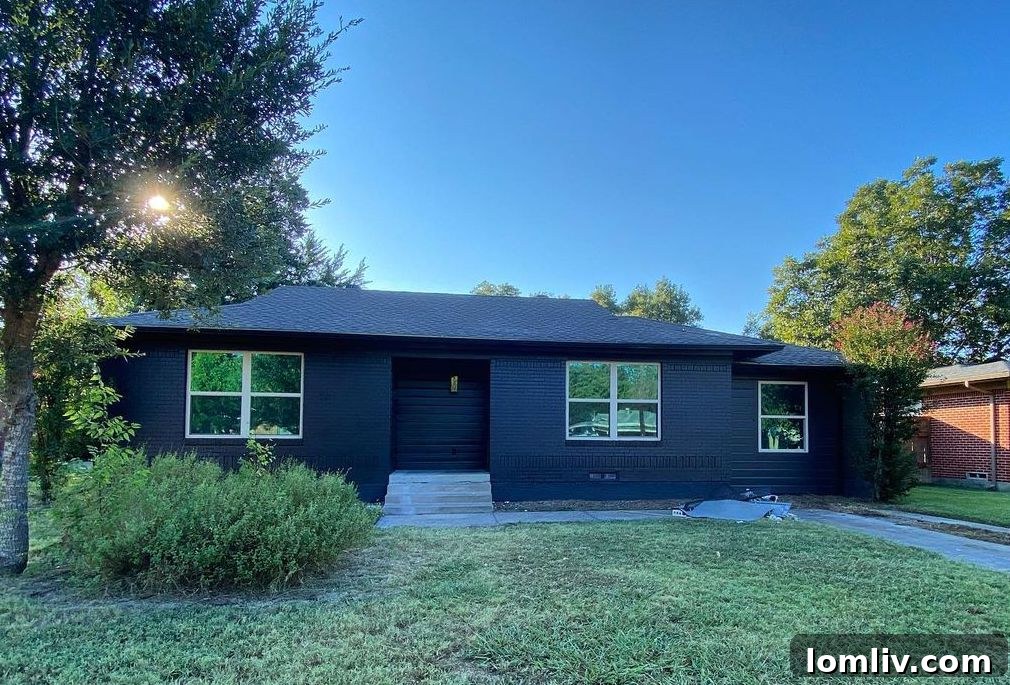
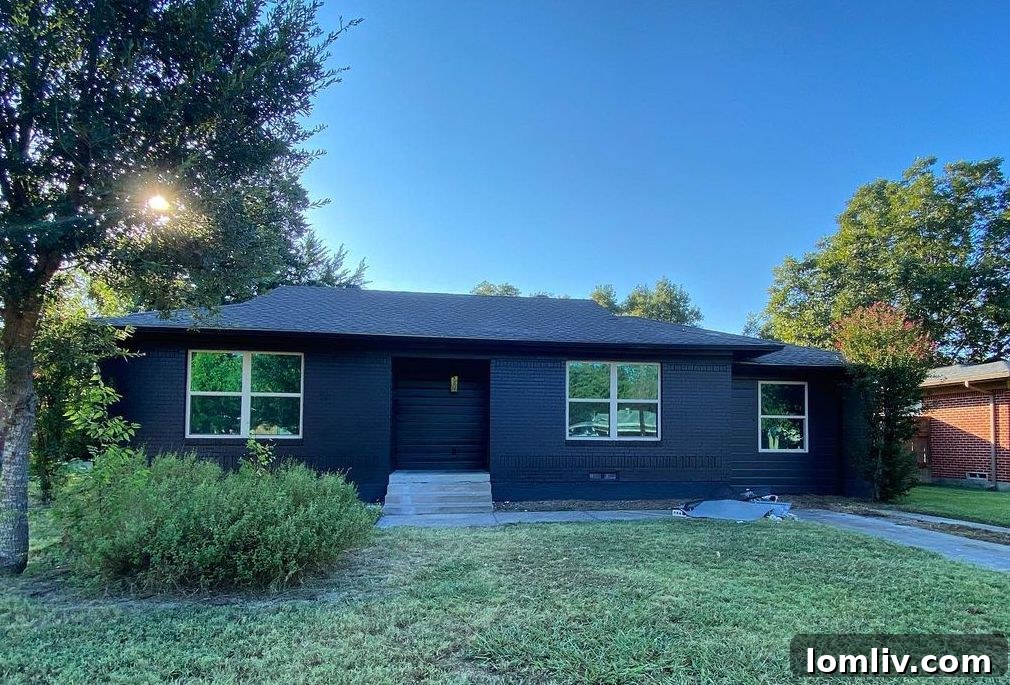
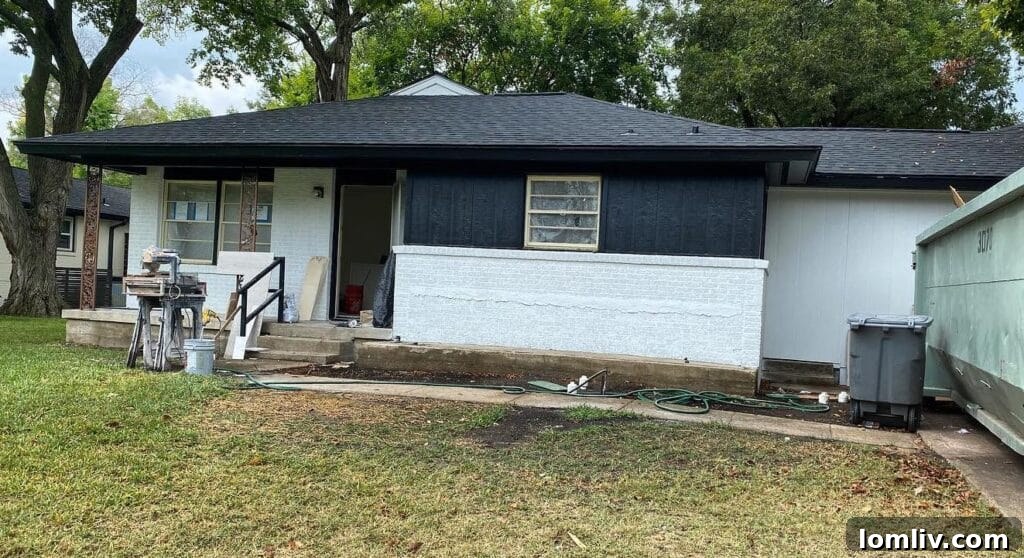
The rhythm of change is palpable in my corner of East Dallas. A fascinating phenomenon, property flipping, has become a regular occurrence, turning our quiet streets into a lively display of real estate transformation. It’s a topic of frequent discussion among friends and neighbors, often evolving into an informal game we call, “How much will this flip be listed for?” The excitement is understandable, as these renovations promise not just new homes but often enhanced property values for the entire community. As of now, there are no fewer than four active flip projects within a mere half-mile radius of my home, each representing a significant investment and a potential future sale that captures local attention.
This persistent activity in the flipping market suggests a clear underlying driver: profitability. Properties continue to be bought, renovated, and resold because, at least so far, these ventures have proven financially rewarding. The adage “if it ain’t broke, don’t fix it” seems to apply here, but in the world of real estate, it’s more like “if it’s profitable, keep flipping it.” Recent data from Realtor.com reinforces these observations, painting a picture of a robust, albeit evolving, market for home flippers nationwide.
The current landscape offers a compelling blend of opportunity and challenge. Median list prices have surged by an impressive 13.7 percent since the beginning of 2021, creating significant headroom for profit for those with keen market insight. This upward trend in property values is a primary lure for investors, promising substantial returns on their investments. However, this promising outlook is tempered by escalating input costs. Factors such as soaring lumber prices, increased construction expenses, and the rising cost of appliances have significantly thinned profit margins. This means that while the potential for profit exists, the actual net gain for flippers is more constrained than in previous boom cycles, requiring more precise planning and execution.
Navigating this complex market requires more than just capital; it demands astute strategy. Charles Tassell, a seasoned real estate investor and chief operating officer of the National Real Estate Investors Association, emphasizes this point. “There is opportunity, but you’ve really got to be smart in where you purchase and know that market,” he advises. “Finding the right spot is the hard part right now.” His counsel underscores the critical importance of meticulous market research, identifying undervalued properties in areas poised for growth, and understanding local economic indicators. A successful flip isn’t just about renovating a house; it’s about making a strategic investment in a location with strong fundamentals and buyer demand.
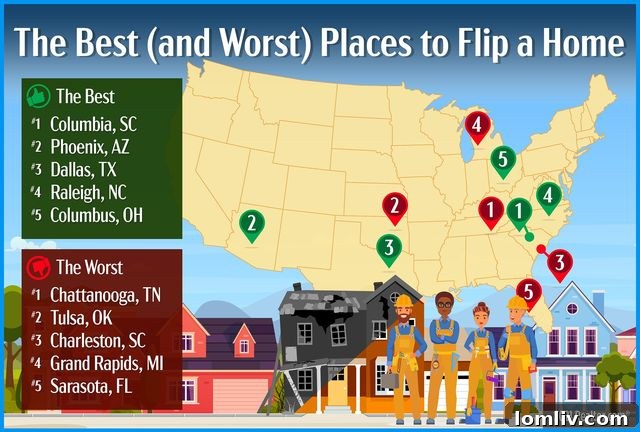
The latest market analysis pinpoints specific regions as hotbeds for lucrative flipping ventures. The South and the Sun Belt states, in particular, stand out as prime locations for generating cash through property flips. This appeal stems from a potent combination of high demand driven by population migration and a relatively healthy supply of affordably priced homes, offering investors a wider selection of potential projects. Nationally, the activity has seen a remarkable surge; home flips have increased by 23 percent compared to last year, reaching levels not seen since the peak of the housing boom in 2005. This demonstrates a robust investor confidence and a dynamic housing market.
Despite this surge in activity, a closer look at profitability reveals a more nuanced picture. Between April and June, over 59,000 homes were flipped across the U.S. market. However, profits from these ventures have seen a substantial decline, dropping by more than two-thirds in the 150 largest metropolitan areas. This paradox of increased activity coupled with reduced profitability highlights the intensified competition and rising costs in the current environment. Flippers are now operating in a market where the window for large returns is narrower, demanding even greater efficiency and cost control.
During this period, flippers experienced the lowest profit margins since 2008, netting approximately 43 percent over their initial property acquisition cost. It is crucial to note that this figure represents the profit before accounting for significant construction and renovation expenses. Historically, real estate investors and flippers typically aim for a profit margin of 50 percent or even more over their initial purchase price to cover all overheads, risks, and ensure a healthy return on investment. The current 43 percent figure suggests that many flippers are operating with much tighter budgets and reduced overall take-home earnings, signaling a more challenging landscape than in previous years.
Charles Tassell reiterates the impact of these rising expenses: “The overall cost of renovation projects has gone up substantially, and that’s also impacted profitability.” This isn’t just about lumber or appliances; it encompasses labor costs, permit fees, unforeseen structural issues, and rising interest rates on construction loans. Each of these components chips away at the potential profit, making it imperative for flippers to conduct thorough due diligence and maintain strict budget discipline. The days of easy, high-margin flips are increasingly being replaced by a more competitive and cost-sensitive market.
In terms of Return on Investment (ROI), locations that experienced a significant influx of new demand prior to the pandemic continued to be highly sought after in its wake. This enduring popularity made these areas particularly fertile ground for home flips. Many buyers, especially those who found themselves unable to secure newly constructed homes due to limited inventory or prohibitive costs, were more than willing to invest in “turnkey” renovated properties. These move-in-ready homes, often featuring modern designs and updated amenities, presented an attractive alternative, fulfilling the desire for a fresh start without the hassles and delays associated with new builds or extensive personal renovations. Flippers who successfully catered to this demand were well-positioned to capitalize on the market’s specific needs.
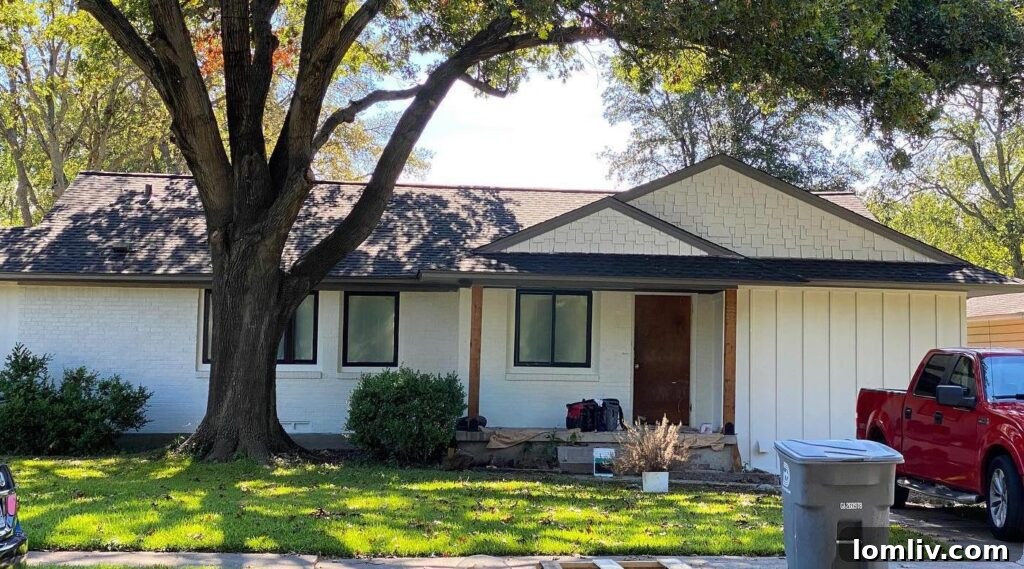
Realtor.com conducted an in-depth analysis, scrutinizing the median profit generated from flips across the 150 largest metropolitan areas, comparing current figures with those from the same period a year ago. For the purpose of this study, a “home flip” was rigorously defined as the same property being resold within 12 months of its most recent purchase. This strict definition helps differentiate genuine short-term investment strategies from longer-term holdings. Furthermore, the term “metros” encompasses not just the main city proper but also includes its surrounding towns, suburbs, and smaller urban areas, providing a comprehensive view of regional real estate dynamics and interconnected markets.
Among the cities included in this extensive survey, Dallas, Texas, distinguished itself by securing the impressive rank of No. 3 best place to flip a home. This strong performance places Dallas just behind Phoenix, Arizona, which came in at No. 2, and the top-ranked Columbia, South Carolina. Dallas’s appeal as a flipping hot spot is multifaceted, driven by a robust local economy, continuous population growth, and a diverse job market that attracts new residents. These factors collectively create a dynamic housing market with consistent buyer demand.
Delving into the specifics for Dallas, the median list price in September stood at $396,500, reflecting a healthy and active market. More impressively for investors, the median profit on a home flip in Dallas during this period was a substantial $71,383. This profit figure represents a significant 6.6 percent increase compared to the same timeframe in the previous year. This upward trend in profitability for Dallas flippers is a positive indicator, suggesting that despite national challenges, the local market continues to offer compelling opportunities for savvy real estate investors. It underscores Dallas’s resilience and attractiveness as a prime location for property renovation and resale, further solidifying its reputation as a magnet for real estate investment and development.