Bridging the Urban Divide: The Transformative Power of Deck Parks in Dallas
Dallas, like many major American cities, has long grappled with the legacy of its expansive interstate highway system. These high-speed thoroughfares, while crucial for transportation, have historically carved through neighborhoods, creating physical and social barriers that fragmented communities and hindered urban connectivity. For years, residents and urban planners alike faced the dilemma of these necessary but divisive structures. However, a groundbreaking solution has emerged, reshaping Dallas’s urban landscape and fostering unprecedented connections: the innovative concept of deck parks and connective parks.
These visionary projects involve constructing lush green spaces directly over existing highways, effectively “stitching” together once-separated areas. This ingenious approach doesn’t just create new public amenities; it reclaims valuable urban real estate, mitigates the noise and pollution of traffic, and most importantly, restores the vital social and economic ties between neighborhoods. Dallas is rapidly becoming a national leader in this urban planning strategy, demonstrating how strategic infrastructure development can enhance livability and foster a more integrated city.
Klyde Warren Park: A Blueprint for Urban Revitalization and Connectivity
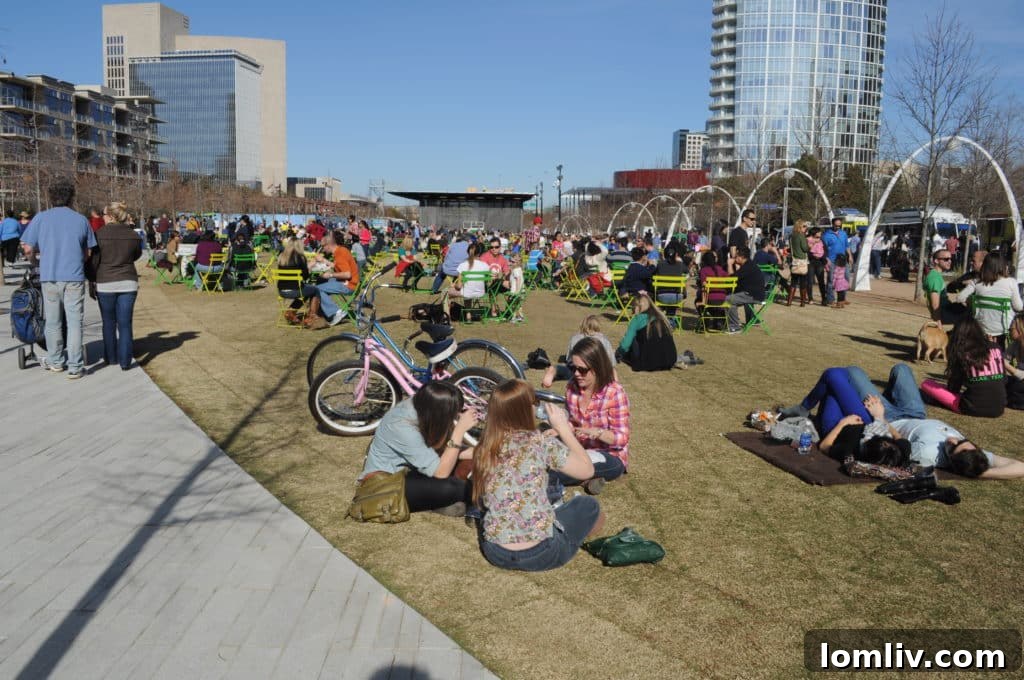
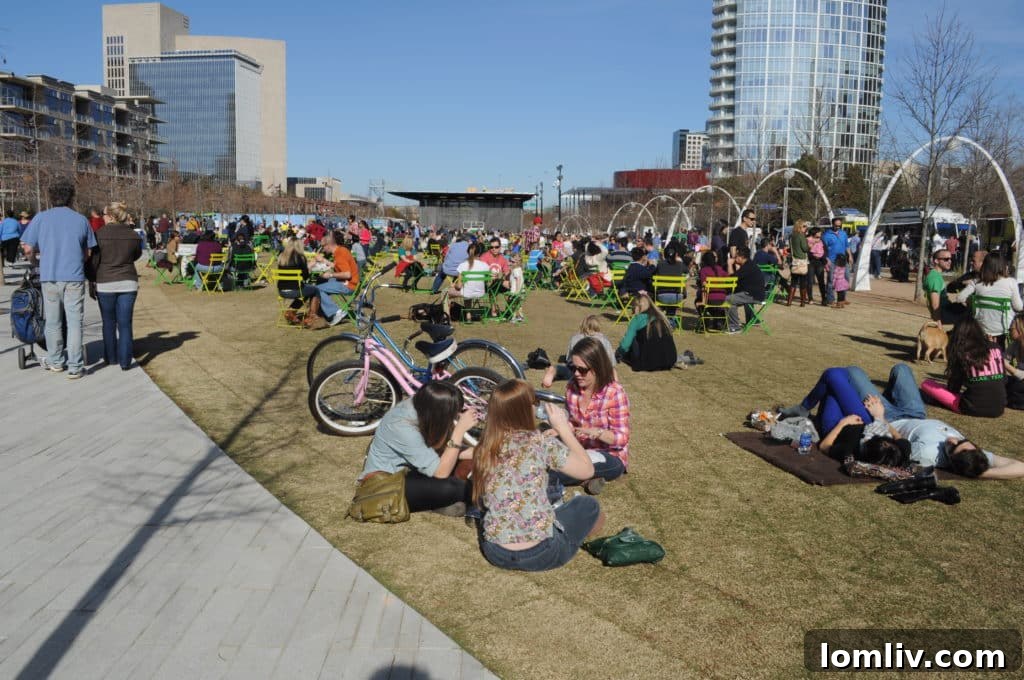
The pioneering example of this movement in North Texas is Klyde Warren Park. Inaugurated in 2012, this five-acre deck park famously spans the Woodall Rodgers Freeway, effectively uniting the vibrant Uptown district with the bustling heart of downtown Dallas. Before its creation, pedestrians and residents faced a significant obstacle, with the freeway acting as an impenetrable wall. Today, Klyde Warren Park stands as a testament to what’s possible, transforming a concrete canyon into a dynamic, beloved civic space.
It’s difficult for the city to imagine life without this magnificent urban oasis, which serves as a daily hub for recreation, cultural events, and community gatherings. From yoga classes and live concerts to food trucks and children’s play areas, the park offers a diverse array of free activities, drawing over a million visitors annually. Its success has not only created a world-class public space but has also acted as a powerful economic catalyst, spurring significant commercial and residential development in the surrounding areas. Klyde Warren Park has become an international model for successful public-private partnerships, demonstrating how such ventures can lead to transformative urban renewal and significantly enhance the quality of life for city dwellers.
Expanding Green Infrastructure: New Deck Park Projects Across Dallas and Beyond
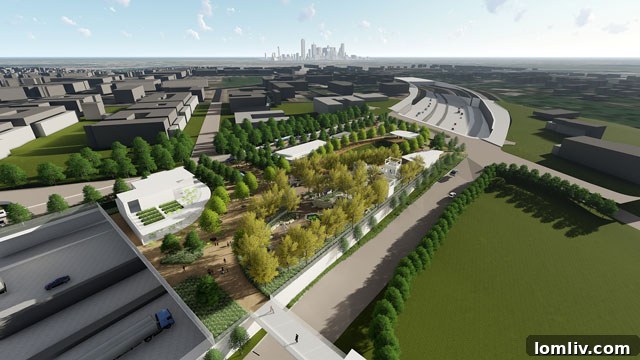
The triumph of Klyde Warren Park has ignited a wave of enthusiasm for similar projects, with Dallas firmly committed to expanding its network of connective parks. The city is currently planning a second ambitious deck park project that will span Interstate 35, near Highway 67. This vital green artery is designed to connect the historically underserved community of North Oak Cliff with the iconic Dallas Zoo, bridging a divide that has long separated these significant parts of the city. While such large-scale projects inevitably encounter challenges and public discourse, the overarching goal remains to foster greater equity and access to green spaces across Dallas.
This commitment extends beyond the city center. The concept is even gaining traction in neighboring municipalities, with Plano embarking on its own significant deck park initiative. Plans are underway to construct a park over the Dallas North Tollway, creating a seamless connection between the upscale Shops at Legacy and the innovative Legacy West development. These projects underscore a growing regional understanding of the immense value that deck parks bring—not just as aesthetic enhancements but as crucial components of modern, sustainable urban planning. They represent a paradigm shift in how cities view and utilize their infrastructure, turning barriers into bridges and enhancing the social fabric of metropolitan areas.
Expert Insights: The Dallas Architecture Forum Panel Discussion
To delve deeper into this burgeoning trend and explore its multifaceted impacts, the Dallas Architecture Forum hosted a pivotal panel discussion titled “Deck Parks and Connective Parks in Dallas.” This illuminating event brought together leading experts in urban planning, landscape architecture, and community development to share their insights on how these innovative parks are redefining Dallas’s future. The discussion was expertly moderated by Elissa Izmailyan, Senior Director for Community and Economic Development for the Trinity Park Conservancy, whose work focuses on equitable access and development.
Nate Eudaly, Executive Director of The Dallas Architecture Forum, highlighted the core mission of the event, stating, “Parks serve as connectors and community gathering spaces between and within sections of cities. From Klyde Warren Park to the Deck Park over I-35, to plans for park expansion, this panel will look at how Dallas is making progress in accomplishing this goal while ensuring access to all residents of the city. Our Panelists and Moderator are park experts who will provide greater understanding of these important issues. Attendees will have an opportunity to ask questions.” This sentiment perfectly encapsulated the forum’s commitment to fostering informed public dialogue on critical urban issues.
The panel featured an impressive lineup of professionals: Tara Green, the esteemed past president of Klyde Warren Park and a principal at OJB Landscape Architecture; Diane Jones Allen, Director of Landscape Architecture at UTA, CAPPA, and a recognized voice on environmental justice and urban landscapes; and Molly Plummer, Parks for People Program Manager for the Trust for Public Land in North Texas, known for her work in community engagement and park development. Their collective expertise offered a comprehensive perspective on the successes, challenges, and future potential of these transformative urban spaces.
The April 23 event, part of the Dallas Architecture Forum’s Spring 2019 Panel Discussion series, was free and open to the public, emphasizing the forum’s dedication to community engagement. The discussion commenced at 6:30 p.m. at the Dallas Black Dance Theater building, conveniently located behind One Arts Plaza, with complimentary beverages available from 6:15 p.m. As an added benefit, attendees were eligible for one CEU AIA credit, underscoring the educational value for professionals in architecture and related fields.
During the session, Tara Green, drawing from her extensive experience as Past President of Klyde Warren Park, shared invaluable insights into the operational successes and the complex challenges faced by the park throughout its development and daily management. The discussion also delved into the exciting plans for the planned expansion of Klyde Warren Park, exploring how this growth might further impact the economic and social fabric of Dallas. Attendees gained a deeper understanding of the conceptualization, planning, and potential hurdles involved with the eagerly anticipated Deck Park being constructed over I-35, adjacent to the Dallas Zoo, a project designed to bring vital green space and connectivity to North Oak Cliff.
Further enriching the conversation, Diane Jones Allen and Molly Plummer informed attendees on how parks in Dallas, and indeed in other major urban centers, serve as indispensable connectors and community gathering spaces, fostering interaction both within and between distinct sections of cities. Under the expert guidance of Elissa Izmailyan, the panelists collectively examined Dallas’s ongoing progress and the inherent hurdles in achieving its goals, all while prioritizing equitable and accessible access to these invaluable parks for every resident of the city. This focus on inclusivity ensures that these urban transformations benefit all segments of the population, truly knitting the city together.
Meet the Visionaries Driving Dallas’s Urban Connectivity
 Elissa Hoagland Izmailyan serves as the Senior Director for Community and Economic Development for the Trinity Park Conservancy. In this critical role, she is currently spearheading the development of an Equitable Development Plan for Harold Simmons Park, a testament to her commitment to balanced urban growth. Elissa’s background includes supporting citywide initiatives for children’s equitable access to nature across 18 cities during her tenure at the Children & Nature Network. Prior to that, she founded and managed the Texas office of HR&A Advisors, where she provided expert economic and implementation advice for major urban park, infrastructure, and cultural projects throughout the American Southwest. Her work consistently emphasized the delicate balance between value creation and inclusive community development. Elissa began her impactful career at the Trust for Public Land’s Center for City Park Excellence, where her research focused on analyzing the economic value of urban park systems and identifying best practices to enhance their health and community benefits. She holds a B.A. in Economics from Brown University and is a proud resident of East Dallas.
 As Principal of Program Development, Tara Green leads OJB Landscape Architecture’s Activation division, focusing on developing the firm’s park planning and programming initiatives. Before joining OJB in 2018, she served as President of Klyde Warren Park, a role in which she played a pivotal part in transforming it into a world-class model for successful public-private partnerships. Tara was instrumental in maintaining the pristine condition and safety of Dallas’s most active green space. She expertly guided the park’s strategic direction and was responsible for generating crucial operating capital for the non-profit organization, overseeing staff and operations, including coordinating over 1,300 free activities for the park’s more than 1 million annual guests. Her extensive past experience also includes over two decades in the sports industry, having served as the Chief Revenue Officer at the American Airlines Center, Vice President and Chief Operating Officer of the North Texas Super Bowl XLV Host Committee, and Vice President of Sports Marketing for Visit Dallas (now the Dallas Sports Commission). Her deep expertise in large-scale event management and public engagement is invaluable to her current work.
 Diane Jones Allen, D. Eng., ASLA, PLA, is the distinguished Landscape Architecture Program Director at the College of Architecture Planning and Public Affairs (CAPPA) at the University of Texas Arlington. She is also the Principal Landscape Architect for DesignJones, LLC, based in New Orleans, Louisiana, a firm that notably received the 2016 American Society of Landscape Architects (ASLA) Community Service Award. Diane’s impactful research primarily explores environmental justice and sustainability within cultural landscapes, with a particular focus on the societal impacts on places with unmet transportation demand. These critical issues are thoroughly discussed in her insightful book, Lost in the Transit: Race Transit Access and Suburban Form, published by Routledge Publishers. Furthermore, Diane co-edited Design as Democracy: Techniques for Collective Creativity, Island Press, which was recognized with an EDRA Great Places Award, Book Category, in 2018. Her expertise provides a crucial framework for understanding how deck parks can redress historical urban planning inequities and promote more sustainable, connected communities.
 Molly Plummer serves as the dedicated Parks for People Program Manager for the Trust for Public Land’s North Texas office. She holds a Masters of Landscape Architecture from the University of Texas at Arlington and brings a valuable background in studio art to her work. Her research is keenly focused on understanding how historic landscape architecture and planning mechanisms impact social resiliency and the urban built environment. At the Trust for Public Land, Molly manages a diverse portfolio of projects, including a comprehensive GIS-based city-wide planning initiative, an innovative crowdsourced park quality assessment project, and a critical watershed-level master plan for parks and trails in Southern Dallas. She is also deeply involved in the design and development of several specific park projects within Dallas, in addition to meticulously organizing the community engagement and participatory design processes that are integral to these initiatives. Her work is central to ensuring that new parks are not just aesthetically pleasing, but truly responsive to the needs and aspirations of the communities they serve.
A Future Forged in Green: Dallas’s Vision for Connected Communities
The movement for deck parks and connective parks in Dallas represents more than just a trend in urban design; it signifies a profound commitment to creating a more connected, equitable, and vibrant city. By transforming divisive infrastructure into unifying green spaces, Dallas is setting a precedent for urban revitalization that prioritizes community well-being, environmental sustainability, and economic growth. The ongoing discussions and ambitious projects demonstrate that the city is not merely reacting to the challenges of its past but actively shaping a more inclusive and pedestrian-friendly future. As these parks continue to expand and flourish, they will undoubtedly serve as enduring symbols of Dallas’s innovative spirit and its dedication to fostering truly integrated urban living for all its residents.