Dallas East Village Sam’s Club Controversy: Residents and Realtors Vow to Fight On After Plan Commission Decision
In a move that has deepened the resolve of local activists and stakeholders, the Dallas Plan Commission recently elected not to revisit the contentious Sam’s Club development, slated for the bustling East Village area near Cityplace. This decision, following an intense period of community lobbying and debate, has solidified the opposition’s stance, pushing them closer to potential legal avenues in their ongoing battle to preserve the character of their cherished Dallas neighborhood.
The proposed Sam’s Club has been a hot-button issue for months, drawing ire from a diverse coalition of residents, small business owners, and real estate professionals. Critics argue that a big-box retailer of Sam’s Club’s magnitude is fundamentally incompatible with East Village’s unique urban fabric, threatening to overwhelm local infrastructure, negatively impact property values, and erode the distinct charm that makes the area so desirable. The Plan Commission’s refusal to reopen the discussion, while perhaps a procedural conclusion for the city body, serves as a rallying cry for a community determined to protect its future.
Dallas Plan Commission Rejects Reconsideration: A Turning Point for East Village
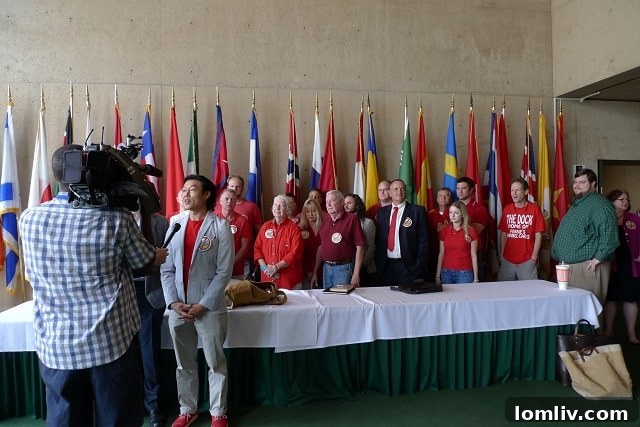
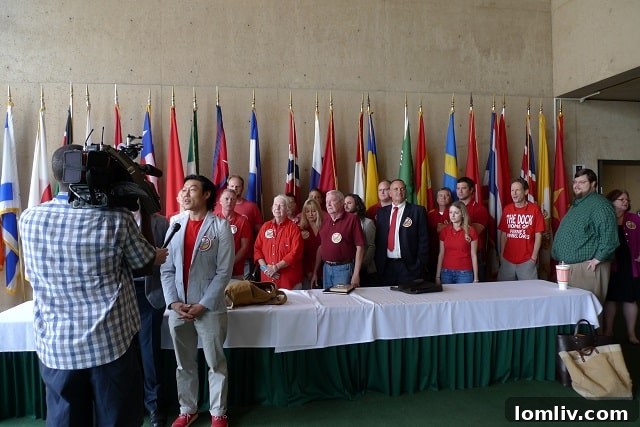
The atmosphere at City Hall during the Plan Commission meeting was charged with anticipation. Community members arrived in significant numbers, hoping to persuade commissioners to reconsider the controversial project. However, despite their organized presence and compelling arguments, the commission ultimately decided against re-opening the debate. This decision means that, for now, the existing approvals for the Sam’s Club development largely remain in place, setting the stage for the next phase of this intense local struggle.
The proceedings garnered immediate media attention, with Channel 8’s David Schecter providing comprehensive coverage. His reporting shed light on the commission’s discussions and the immediate, often emotional, reactions from the community members present. The outcome underscores the challenges communities face when confronting large-scale commercial developments and the complexities of urban planning decisions.
Concerns Over Notification Process and a Dissenting Vote
A central theme of the community’s frustration revolves around what they describe as a flawed notification process. Several commissioners acknowledged these concerns, expressing sympathy and even voicing their belief that the public outreach regarding the initial proposal had been inadequate. This is a critical point for many residents, who feel they were not given sufficient or timely information to effectively engage in the planning process, leaving them feeling unheard and marginalized. Such procedural lapses can deeply undermine public trust in local governance and exacerbate community opposition.
Amidst the commission’s deliberation, one commissioner, Gabrielle Soto, notably cast her vote against the Sam’s Club proposal. Her dissenting voice resonated with the community, serving as a powerful affirmation of the legitimacy of their concerns and a visible stand for neighborhood preservation. Such individual acts of courage often embolden activists, providing a beacon of hope in what can feel like an uphill battle against established interests.
Why East Village Says “No” to Sam’s Club: Preserving a Unique Dallas Neighborhood
The opposition to the Sam’s Club is not simply a NIMBY (Not In My Backyard) phenomenon; it stems from deep-seated concerns about maintaining the integrity and future viability of East Village. This thriving Dallas neighborhood, distinguished by its blend of historic architecture, modern residential complexes, and a vibrant tapestry of local businesses, stands to lose much if a big-box retailer takes root. The primary concerns articulated by residents and stakeholders include:
- Traffic Overload: A Sam’s Club typically generates an enormous volume of vehicular traffic. Residents fear that East Village’s current infrastructure is simply unprepared for such an influx, leading to chronic congestion, increased noise pollution, and significant safety risks for pedestrians and cyclists in an area known for its walkability.
- Harm to Local Businesses: The unique charm of East Village is largely defined by its array of independent boutiques, cafes, and specialized service providers. A large chain store poses an existential threat to these local enterprises, potentially drawing away customers and sales, leading to closures and a significant reduction in the economic diversity that attracts both residents and visitors.
- Decline in Property Values: For many homeowners and real estate professionals like J.L. Forke, the proposed development represents a direct threat to property values. The presence of a massive, high-traffic commercial entity is often associated with diminished residential desirability, impacting the long-term investments of homeowners throughout the surrounding neighborhoods.
- Erosion of Neighborhood Character: East Village prides itself on a distinctive aesthetic and community feel. A typical Sam’s Club structure, with its large footprint and utilitarian design, is perceived as being completely out of character with the neighborhood’s existing architectural style and human-scale urban planning. This visual incompatibility is a major concern for those who have invested in and cultivated the area’s unique ambiance.
- Environmental Impact: Beyond aesthetics, there are concerns about increased impervious surfaces for vast parking lots, potential light and air pollution, and other environmental impacts associated with large commercial developments in an already dense urban environment.
Jonas Parks: The Accidental Activist and East Village’s Unwavering Spirit
At the forefront of the organized opposition is Jonas Parks, a dedicated community member who has earned the moniker “The Accidental Activist” through his tireless efforts. Parks has become a powerful voice for the collective, articulating the community’s vision and leading their fight against the development. Following the Plan Commission’s disappointing decision, Parks took to his group’s Facebook site to share a message of resilience and renewed determination, transforming a perceived setback into a catalyst for intensified action.
“I am saddened by our failure to secure the public hearing, but even more so by the lack of care the commissioners showed today and for lack of consideration of the citizens they were supposed to serve and to advocate. Having learned from this experience, we are going to rise stronger, become more organized, and go all the way to show them that together, we are mightier than them.”
Parks’s statement is a clear articulation of the community’s unwavering resolve. It highlights not only their disappointment but also their commitment to adaptive strategy, greater organization, and a willingness to escalate their fight. This sentiment embodies the spirit of local activism, where setbacks often fuel greater unity and determination.
Realtors on Board: Protecting Dallas Real Estate and Lifestyle
The visible involvement of local Realtors, exemplified by figures like J.L. Forke, underscores the significant economic implications of the Sam’s Club project. For real estate professionals, a neighborhood’s character and amenities are intrinsically linked to its market value and overall desirability. The introduction of a large-scale, incongruous development could destabilize the East Village real estate market, potentially diminishing property values for current owners and making the area less attractive to future buyers seeking a specific urban lifestyle.
Realtors often serve as vital connectors between development and community well-being, understanding that thoughtful, sustainable growth is paramount to a healthy housing market. Their presence and advocacy at such crucial meetings reflect a proactive stance in protecting the long-term investments of their clients and safeguarding the unique appeal of Dallas’s most sought-after neighborhoods.
The Road Ahead: Legal Action and Sustained Community Activism
With the Dallas Plan Commission’s avenue for immediate reconsideration now closed, opponents of the Sam’s Club development are unequivocally moving forward with their commitment to continue the fight. Legal action remains a distinct and serious possibility. This could involve challenging the zoning permits based on procedural irregularities, disputing environmental impact assessments, or exploring other legal avenues to halt or modify the project. Such actions require significant resources and expert legal counsel, signaling the depth of the community’s commitment.
Beyond potential courtroom battles, the community is gearing up for an escalated phase of grassroots activism. Their efforts are likely to include:
- Enhanced Public Awareness Campaigns: Broadening their outreach to educate the wider Dallas community about the specific detrimental impacts they foresee from the Sam’s Club development.
- Direct Engagement with Dallas City Council: Intensifying lobbying efforts with individual city council members, who have ultimate authority over zoning and development approvals, to ensure the community’s voice is heard at the highest levels of municipal government.
- Community Mobilization: Organizing more public forums, protests, and informational meetings to maintain strong internal cohesion and demonstrate widespread opposition.
- Exploring Alternative Development Concepts: Potentially proposing alternative, more compatible development plans for the site that align with East Village’s character and urban planning goals.
Broader Implications: Community Power in Urban Development
The ongoing saga surrounding the East Village Sam’s Club transcends a simple local dispute; it represents a microcosm of the larger struggles faced by communities striving to balance urban growth with the preservation of local character and quality of life. It highlights the often-uneven power dynamics between well-resourced developers and passionate, yet often financially constrained, citizen groups. This conflict serves as a powerful testament to the enduring importance of community voice in shaping the urban landscape and the vital role of local activism in democratic processes.
Intriguingly, one other member present at the Plan Commission meeting made comments hinting at deeper issues, stating, “we will have more on that very soon.” These veiled remarks suggest that the Sam’s Club debate might be symptomatic of broader, systemic concerns within Dallas’s development approval frameworks, indicating that further revelations or discussions might be on the horizon, potentially escalating this local dispute into a city-wide conversation about development policy and public engagement.
Conclusion: East Village’s Unfinished Fight for its Future
The Dallas Plan Commission’s recent decision against revisiting the Sam’s Club proposal marks a critical juncture in the East Village controversy. However, it is unequivocally not the end of the story. The unified front of residents, local Realtors, and community leaders, powerfully spearheaded by figures like Jonas Parks, demonstrates an unwavering commitment to safeguarding their neighborhood’s unique identity and future. As the battle potentially shifts from administrative hearings to legal challenges and intensified community organizing, one thing remains abundantly clear: the people of East Village are prepared to fight “all the way” to ensure that their vision for a vibrant, sustainable, and character-rich community prevails over a development they deem fundamentally incompatible. The eyes of Dallas will undoubtedly remain fixed on East Village as this significant urban planning drama continues to unfold, serving as a vital case study in citizen empowerment and urban preservation.