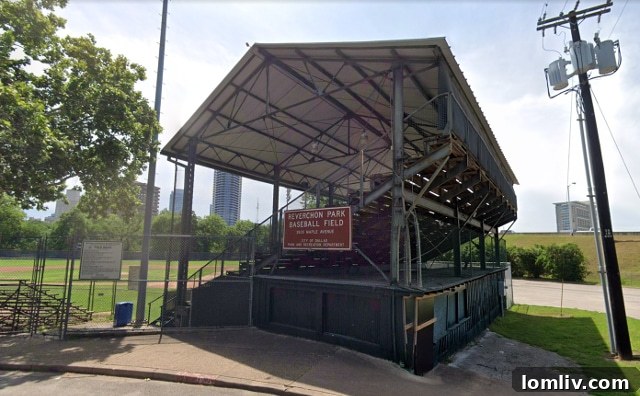
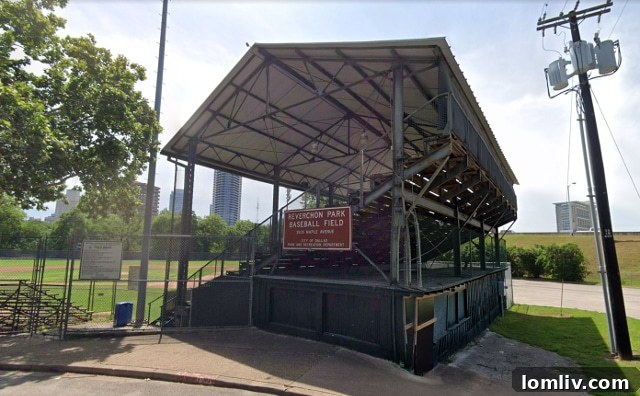
The future of Reverchon Park’s iconic ballfield has been a subject of intense discussion and public interest within the Dallas community. In January, a comprehensive open records request was submitted to uncover critical documents pertaining to the ongoing negotiations between the City of Dallas and Reverchon Park Sports & Entertainment LLC (RPSE). While this initial release primarily consists of official communications and records spanning December and January, it offers a revealing glimpse into the intricate details of the proposed redevelopment. It’s important to note that a potentially richer vein of information, particularly email correspondence among key stakeholders, remains under review by the Texas Attorney General, indicating that the full picture is still unfolding. Nevertheless, the documents obtained thus far shed significant new light on various aspects of this ambitious project, providing details that were not readily accessible to the public before. To facilitate a clearer understanding, these crucial insights have been meticulously organized into distinct categories below, presenting a timely update as these files were made available by the city.
Projected Costs for the Reverchon Park Redevelopment
The proposed redevelopment of the Reverchon Park ballfield represents a substantial financial undertaking for both the developers and the city. According to the recently released documents, the estimated cost for both the design and subsequent construction phases of this ambitious project is projected to be a significant $15 million. This considerable investment highlights the scale of the transformation envisioned for this historic urban park, aiming to create a state-of-the-art, multi-sport athletic facility. Such a large financial commitment naturally invites scrutiny regarding the funding mechanisms, potential public contributions, and the long-term economic implications for the City of Dallas and its taxpayers, making financial transparency a key point of public interest and oversight.
Detailed Schedule of Approvals and Construction Milestones
The timeline for the Reverchon Park ballfield redevelopment is meticulously structured, with the Dallas City Council’s approval serving as the pivotal starting point for a cascade of critical milestones. Each phase is clearly defined with specific deadlines, emphasizing the project’s aggressive progression schedule.
- **Pre-Approval Funding Verification (Before January 2020):** Prior to the initial city council vote in January 2020, Reverchon Park Sports & Entertainment (RPSE) was unequivocally required to demonstrate its financial capacity to fund the extensive design phase of the project. This critical prerequisite aimed to ensure that the proposer had the necessary liquid resources and commitments to move forward responsibly with the detailed architectural and engineering planning, laying a stable foundation for the entire endeavor.
- **Construction Funding Deadline (Before January 2021):** A significant deadline looms for RPSE: by January 2021 – a mere twelve months following the initial January 2020 approval – the organization must conclusively prove that it has secured all necessary construction funds. Reports indicate that fundraising efforts are actively underway, though these endeavors are reportedly navigating the uncertain waters of an ongoing lawsuit challenging the project’s approval. This legal challenge introduces a layer of complexity and potential delay into the financial timeline, potentially impacting RPSE’s ability to meet this crucial deadline.
- **Design Approval and Construction Commencement (Also Before January 2021):** Concurrently with the funding requirement, and also before January 2021, RPSE is tasked with achieving an approved design for the ballfield and commencing construction. This dual requirement underscores the urgency placed on the project’s physical progression, necessitating efficient coordination between design finalization and groundbreaking activities to stay on schedule.
- **Project Completion Target (No Later Than June 2022):** The final construction phase is stipulated to be completed no later than June 2022. This 18-month window, calculated from the date of design approval and the commencement of construction, provides a structured framework for the project’s ultimate delivery. Notably, RPSE has expressed a strong desire to accelerate this timeline, actively seeking a faster completion to bring the revitalized facility online and operational sooner than the mandated deadline.
The Urgency Behind Expedited Project Approval
A key question that emerges from the documents is the perceived urgency surrounding the project’s approval by the Dallas City Council. According to official communications, Reverchon Park Sports & Entertainment (RPSE) expressed significant concerns that a delay in approving the agreement beyond January 2020 could critically impact the permitting process. Such a setback, potentially pushing the start of vital permitting procedures into April or May, would subsequently derail their projected timeline for commencing construction and, crucially, for launching baseball league play in 2021. The implication was clear: swift approval was paramount to avoid missing an entire season, which would have substantial financial and operational repercussions for the developer.
In response to these concerns, the City of Dallas has provided assurances to RPSE that its permitting processes will be expedited and completed in a timely manner, specifically tailored to meet the developer’s ambitious opening needs. This commitment from the city underscores the cooperative effort to maintain the project’s aggressive schedule. While the documents primarily cite January 2020 as a critical juncture for approval, some stakeholders, including Park Board president Calvert Collins-Bratton, have suggested that these dates may also reflect an earlier understanding or preliminary approval of the project back in October. Regardless of the precise approval date referenced, the overarching sentiment conveyed is a strong impetus from all parties involved to advance the Reverchon Park redevelopment with considerable speed and efficiency, aiming to minimize delays and maximize the operational window for the new facility.
Community Engagement and Public Meeting Protocols
Transparency and meaningful community engagement are vital components of any major urban development, and the plans for public outreach regarding Reverchon Park are detailed in the released records. Nelson’s group, representing the developer, is mandated to host a series of public and stakeholder meetings throughout the design process. These community meetings are crucial for gathering feedback and must be prominently posted on RPSE’s official website at least 30 days in advance of their occurrence. In an effort to ensure wider dissemination and public access, the Dallas Parks and Recreation Department will also publicize these meeting dates and times on its own official website, as well as physically at the Reverchon Recreation Center, acting as a central hub for local residents.
Beyond general public forums, specific meetings are planned with established local groups such as Friends of Reverchon and Friends of Katy Trail, reflecting an acknowledgment of key park advocacy organizations and their vested interests. However, the documents notably lack explicit mention of dedicated proactive outreach to broader neighborhood resident groups, raising concerns among some local citizens about the breadth and inclusivity of the engagement efforts. The rapid timeline for this project, driven by the ambition to secure permits and commence construction as swiftly as possible to meet the 2021 baseball season deadline, suggests that the window for meaningful public input will be significantly compressed. This situation places a substantial burden on concerned neighbors, who may need to be exceptionally diligent and proactively monitor official websites for meeting announcements.
Compounding these concerns, initial inquiries revealed that the dedicated RPSE website, intended for these crucial postings, was not yet operational. Furthermore, as confirmed by Park Board president Calvert Collins-Bratton, no public meetings had been formally scheduled at the time of the records release. She did, however, confirm that RPSE is in the process of establishing an advisory board, a requirement stemming from Councilman Blewett’s amendment, which aims to provide a structured, if not entirely proactive, channel for community input. Nonetheless, the challenge for residents remains clear: active vigilance will be necessary to stay informed and participate effectively in the critical design review process.
Diversified Event Types and Frequency at the Redeveloped Ballfield
The transformation of the Reverchon Park ballfield into a versatile athletic and entertainment venue will usher in a significantly expanded schedule of events, as detailed in the newly released records. The proposed usage plan outlines a diverse array of activities, catering to both professional sports and broader community engagement, reflecting the shift from a pure “ballfield” to an “athletic field.”
- **Professional Baseball:** An estimated 50 games are planned annually, primarily spanning the months of May through September, establishing a core athletic offering and honoring the field’s traditional roots.
- **Professional Soccer:** The facility anticipates hosting 14 to 16 professional soccer matches each year, scheduled from March to September, broadening its appeal to diverse sports enthusiasts and expanding its utility.
- **Professional Rugby:** From January to June, the ballfield is slated for 10 to 12 professional rugby events, showcasing a commitment to a wide range of athletic competitions and introducing a new dimension to its sports calendar.
- **Professional Lacrosse:** Two dedicated professional lacrosse events are projected annually, taking place between June and September, adding another specialized sport to the calendar and further diversifying the venue’s offerings.
- **Concerts and Entertainment:** Beyond sports, the venue is earmarked for 6 to 12 concerts per year, signaling its intent to become a significant entertainment hub in the city, capable of hosting large-scale cultural events.
- **PKR Youth Leagues:** Youth sports remain a strong priority, with 20 to 30 uses designated for PKR Youth Leagues from March to November, fostering local athletic talent and community engagement.
- **Community and Holiday Events:** The schedule also includes various community-focused activities such as races, festivals, and holiday celebrations, aiming to maintain its role as a public gathering space for the wider Dallas community.
- **Existing User Groups:** Importantly, the facility intends to continue accommodating its traditional and long-standing users, including the Dallas Independent School District (DISD) for high school sports, the North Texas Amateur Baseball League, the Mexican Amateur Baseball League, and the Dallas Veterans Baseball League, ensuring continuity for established community partners.
Despite the substantial upgrade and expanded usage, the hourly rental fees for the field are slated to remain consistent with current rates: $31 per hour during the day and $61 per hour during the evening. This consistency in pricing aims to make the facility accessible to a broad range of users. Analyzing the proposed schedule reveals a significant increase in the operational intensity of the ballfield. Excluding the general “Community Events” and “Existing Users” categories, the specific professional and youth league events alone account for an estimated 102 to 122 for-profit events annually. This marks a notable shift towards a highly active commercial venue. Furthermore, the documents indicate a dramatic projected increase in overall ballfield play, from the current average of 180 games per year to an anticipated 280 games annually. This intensified schedule suggests that the facility will frequently host multiple events on a single day, raising important questions about potential congestion, resource management, and neighborhood impact.
Projected Attendance and its Community Impact
A critical aspect of the ballfield’s redevelopment involves its projected attendance figures, which indicate a substantial increase in visitor traffic to Reverchon Park, demanding careful consideration for urban planning and community resources. The documents reveal an ambitious forecast of 1,356,650 attendees expected for 656 ticketed events over the first five years of the revitalized facility’s operation. This comprehensive projection paints a clear picture of the scale of public engagement the venue aims to achieve.
Breaking down these impressive numbers, the projection translates to an average of approximately 2,068 attendees per paid event. On an annual basis, this means the venue anticipates hosting about 131 ticketed events, or roughly 2.5 events each week, demonstrating a significant intensification of usage compared to current levels. To put these numbers into perspective and highlight the magnitude of the change, even if every current event at the ballfield consistently filled its existing 700 seats, the projected attendance figures represent an average tripling of event attendance. This dramatic increase raises important considerations for surrounding infrastructure, park access, and overall community impact, particularly concerning traffic flow, pedestrian safety, and crowd management in the immediate neighborhood and beyond.
Parking Solutions and Neighborhood Considerations
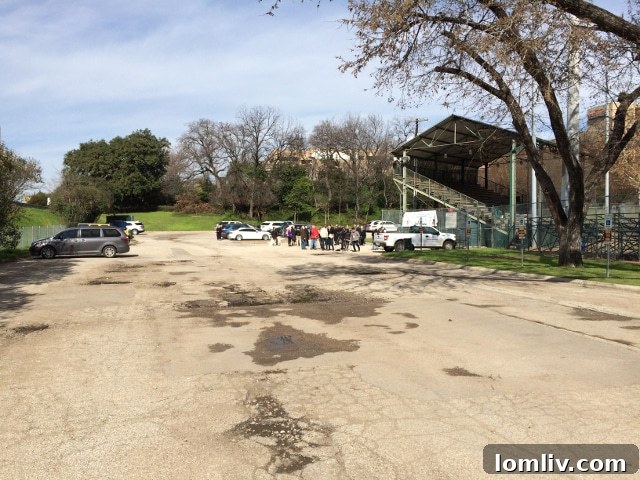
Parking provisions for the redeveloped Reverchon Park ballfield present a significant logistical challenge, as explicitly outlined in the official documents. The current infrastructure offers a mere 30 on-site parking spaces, and the plans explicitly state that no new parking facilities will be constructed as part of the project. This fundamental constraint requires innovative solutions to manage the anticipated influx of visitors.
Developers anticipate mitigating this substantial shortage by projecting that over 50% of attendees for ball games and other events will utilize sustainable transportation methods, walking or biking into the park from the surrounding vibrant neighborhoods. This projection relies heavily on the park’s accessibility and proximity to residential areas, as well as the appeal of alternative transport.
However, even with this optimistic projection, the arithmetic reveals a considerable deficit. Considering an average event attendance of over 2,000 people, more than 1,000 attendees are still likely to arrive by car for each event, confronting the stark reality of only 30 available on-site spaces. To address this substantial gap, RPSE is actively developing agreements for off-site parking solutions with several nearby establishments:
- **Scottish Rite:** An anticipated 850+ parking spaces, offering a significant capacity.
- **3500 Maple/Parkside Tower:** Approximately 600 spaces, providing a substantial overflow option.
- **Concord 2/Balfour Beatty:** An additional 600 spaces, further expanding the off-site availability.
While these agreements collectively suggest an abundance of potential parking capacity, a closer examination reveals potential limitations that the community must consider. It is prudent to assume that not all of these off-site spaces will be consistently available at all times. Specifically, the parking facilities at the two prominent commercial buildings, 3500 Maple/Parkside Tower and Concord 2/Balfour Beatty, would logically be accessible primarily during evenings and weekends, aligning with their typical operational schedules. This necessitates careful event planning to ensure that the timing of major events at Reverchon Park genuinely coincides with the availability of these crucial off-site parking resources.
For the surrounding residential neighborhoods, it is imperative that comprehensive event planning and transportation management strategies are meticulously aligned with actual parking availability. Without robust planning that considers peak times, alternative transit options, and effective communication, the anticipated surge in traffic and demand for parking could lead to significant congestion and disruption for local residents, underscoring the need for proactive engagement and well-executed logistics.
Financial Model and Revenue Sharing for the City
The financial arrangement between the City of Dallas and Reverchon Park Sports & Entertainment (RPSE) has undergone significant changes throughout the negotiation process, particularly regarding the city’s share of revenue generated from the redeveloped ballfield. Earlier iterations of the development agreement included a provision for the city to receive a percentage – specifically four percent – of the *net* concession revenues generated at the ballfield. This approach was notable, as receiving a portion of net rather than gross revenues could significantly reduce the city’s potential income, raising questions about maximizing public benefit from the use of public land.
However, in the lead-up to the crucial January city council approval, the terms were adjusted, leading to last-minute increases in projected city revenue. The revised deal, as presented in the final documents, stipulated that the city would receive a fixed sum of $30,000 annually or $0.25 per ticket sold, whichever amount was greater, for the initial four years of the agreement. From the fifth year onward, this financial contribution was set to increase, with the city receiving $60,000 annually or $0.50 per ticket. It’s also noteworthy that RPSE has estimated that over 50% of all seats for events will be priced under $10 each, a pricing strategy that could impact the overall ticket revenue generated and, consequently, the city’s income tied to per-ticket fees.
The shift away from a percentage of concession revenues, particularly the decision to not pursue a share of the *gross* revenue from food and beverage sales, stands out as a curious element of the final financial agreement. This change represents a significant alteration in the city’s potential financial upside from what is expected to be a highly active venue. Such a modification in the revenue-sharing model warrants close public scrutiny to ensure that the terms ultimately provide the best possible return and long-term benefit for the Dallas community, given the use of valuable public parkland.
The Strategic Shift: From “Ballfield” to “Athletic Field”
The semantic shift from “ballfield” to “athletic field” in official project documentation is not merely a linguistic change but reflects a profound strategic evolution in the vision for Reverchon Park. This deliberate re-designation points to a fundamental broadening of the facility’s intended purpose and operational scope. The second Request for Proposal (RFP), issued in 2019, was intentionally broadened to encompass a wider spectrum of uses beyond traditional baseball. This deliberate alteration was designed to empower the eventual awardee – Reverchon Park Sports & Entertainment (RPSE) – with expanded opportunities for revenue generation and maximum utilization of the space.
By allowing for a diverse range of events, including professional soccer, rugby, lacrosse, and large-scale concerts, in addition to baseball, the City of Dallas aimed to maximize the economic viability and operational flexibility of the facility. This change underscores the project’s ambition to transform the space into a truly multi-purpose urban event venue, rather than solely a baseball diamond. This expanded utility is expected to attract a wider audience, increase the frequency of events, and ultimately enhance the overall financial returns and public engagement with the park, solidifying its role as a premier sports and entertainment destination in Dallas.
Environmental Concerns: Landscaping and Tree Management
The ecological impact of the Reverchon Park ballfield redevelopment, particularly concerning its existing landscaping and tree canopy, is a significant concern highlighted in the released documents. An assessment conducted by Arborist Jonathan Johnson concluded that none of the mature trees currently surrounding the ballfield are suitable for relocation or transport due to their size, age, or species. Consequently, his professional recommendation is for their removal, with a stringent mandate for replacement trees that collectively match the total caliper inches lost. This “caliper inch for caliper inch” replacement strategy aims to mitigate the ecological impact of tree removal, preserving the overall green infrastructure value of the park.
However, a crucial challenge arises from the extensive nature of the ballfield construction and its inherent open space requirements for play and spectator viewing. These demands may make it difficult to accommodate all replacement trees within Reverchon Park itself, potentially necessitating off-site planting in other city green spaces, which would alter the immediate aesthetic and ecological character of the park. Further significant environmental considerations emerge from the potential expansion of the outfield. Should the outfield extend even a modest five feet beyond its current fence line, the project would encounter substantial floodplain issues. This expansion would necessitate extensive and potentially irreversible tree removal along the sensitive Turtle Creek corridor and require the introduction of significant amounts of fill dirt, pushed right up to the very edge of the existing channel. Such actions carry profound implications for the park’s natural hydrology, increasing risks of erosion, altering natural habitats, and impacting the overall ecological balance of this sensitive urban green space. This underscores the critical need for meticulous environmental planning and robust mitigation strategies to protect one of Dallas’s natural treasures.
Navigating the Park’s Existing Master Plan
The Reverchon Park redevelopment project inevitably raises questions about its alignment with the park’s existing Master Plan, specifically the comprehensive document developed in 2006. The official records stipulate a clear process for addressing any potential discrepancies: if the Project Site Plan, as proposed by RPSE, is found not to align with the core intent of the current Master Plan, then the Proposer is obligated to furnish a completely new Master Plan. This revised plan must meticulously detail not only the proposed facilities but also the comprehensive changes to parking, traffic flow, and associated land uses across the entirety of Reverchon Park, ensuring a holistic approach to the redesign.
Critical oversight is built into this process, as both the design team responsible for the new master plan and the plan itself must receive explicit approval from the Owner, which is the City of Dallas. Furthermore, to ensure public participation and transparency, a minimum of two public meetings are mandated to gather community input on any revised master plan. This provision is designed to give residents a voice in significant changes to their public park.
However, a closer reading of this provision, coupled with insider insights, suggests a nuanced interpretation. While RPSE is technically required to adhere to the 2006 Master Plan, there is an implicit understanding that if the proposed redevelopment significantly diverges from it, the city is likely to facilitate an amendment or an entirely new plan rather than rejecting the project outright. This dynamic is further complicated by the revelation that MESA, the consulting firm responsible for developing the original 2006 Master Plan, is also concurrently engaged in developing RPSE’s current plans for the ballfield. This dual role raises questions about the independence and impartiality of the review process and the potential for a new master plan to be tailored to the current development vision rather than strictly upholding the original intent, highlighting a critical point for ongoing public scrutiny and oversight.
Food and Alcohol Concessions: Revenue for Facility Operations
A significant aspect of the operational plan for the redeveloped ballfield concerns concessions, particularly the sale of food and alcohol, which plays a crucial role in the financial sustainability of modern entertainment venues. The official documents confirm that the Proposer, RPSE, will be permitted to sell alcohol (contingent upon acquiring all necessary permits and licenses), as well as a wide range of food items and snacks, during game days and at all special events hosted at the facility. This provision is standard for contemporary athletic and entertainment venues, aiming to enhance the visitor experience and generate essential operational revenue.
Crucially, the revenue derived from these sales is explicitly earmarked for the ongoing operation and maintenance of the facility, ensuring its long-term viability, upkeep, and ability to host events. This direct reinvestment of concession profits into the venue’s infrastructure and daily running costs is a common model for public-private partnerships. However, a notable change from earlier versions of the agreement has been identified: a prior version of the deal stipulated that the city would receive a cut of the *net* concession revenues. Under the current agreement, this provision has been removed, meaning the City of Dallas will no longer directly benefit financially from the sales of food and beverages. This alteration further emphasizes the developer’s control over these income streams, which are now solely dedicated to facility management rather than being shared with the municipality.
Addressing Noise Concerns in a Residential Setting
The increased event frequency, diversified event types, and larger projected attendance at Reverchon Park inevitably bring noise concerns to the forefront for adjacent residential communities. The official documents address this issue by stating that RPSE “will also take into consideration noise concerns when scheduling its events such as limitations on the time of day.” While this phrasing acknowledges the potential for noise disturbance, it has been met with skepticism by some observers and community members.
The phrase “taking into consideration” often falls short of providing concrete assurances or actionable mitigation strategies for residents. For those living in close proximity to the park, this language can sound akin to a generic corporate platitude, similar to being told, “Your call is very important to us, please continue to hold.” It suggests an awareness of the problem but stops short of promising specific limits, enforceable regulations, or proactive solutions to minimize disruptions caused by large crowds, amplified music, or late-night events. For genuine community peace of mind and to foster good neighbor relations, clearer and more binding commitments regarding sound management, including specific decibel limits, event curfews, and proactive communication protocols for residents, would likely be more reassuring than the current, more ambiguous language.
The initial release of documents pertaining to the Reverchon Park ballfield redevelopment, while perhaps not a complete revelation, certainly offers a treasure trove of intricate details and crucial insights that deserve close examination. From the ambitious financial commitments and aggressive timelines to the dramatic overhaul of event scheduling and projected attendance, the scope of this public-private partnership is clearly immense. Understanding these nuanced aspects is vital for both city officials and the engaged Dallas community, as they represent significant changes to a beloved urban green space.
The tight construction and approval timetable, coupled with the reliance on community input during the critical design phase, underscores the paramount importance of sustained public participation. For neighborhood residents and park advocates, the message is clear: vigilance in tracking community meeting announcements, active engagement in the feedback process, and persistent questioning of the specifics will be essential to shaping the future of this iconic Dallas urban green space. As the project moves forward, ongoing transparency, open dialogue, and a genuine commitment to addressing community concerns will be indispensable to ensure that the redevelopment of Reverchon Park truly serves the best interests of all Dallas citizens, balancing progress with preservation and community well-being.
For those interested in delving deeper into the original source material, the complete file of the open records request documents can be accessed directly. We encourage all stakeholders to review these materials to gain a comprehensive understanding of the negotiations and plans. Click here to view the full documentation.