Navigating the Shifting Tides: An In-Depth Look at the Frisco, Texas Real Estate Market
Frisco, Texas, a name synonymous with rapid growth and an enviable quality of life, is once again making national headlines in the real estate sector. However, the narrative has shifted significantly from its previous accolades as one of the nation’s best communities to live or its status as the fastest-growing city in the U.S. Today, the focus is on a burgeoning oversupply of brand new homes, signaling a distinct transition in the market dynamics.
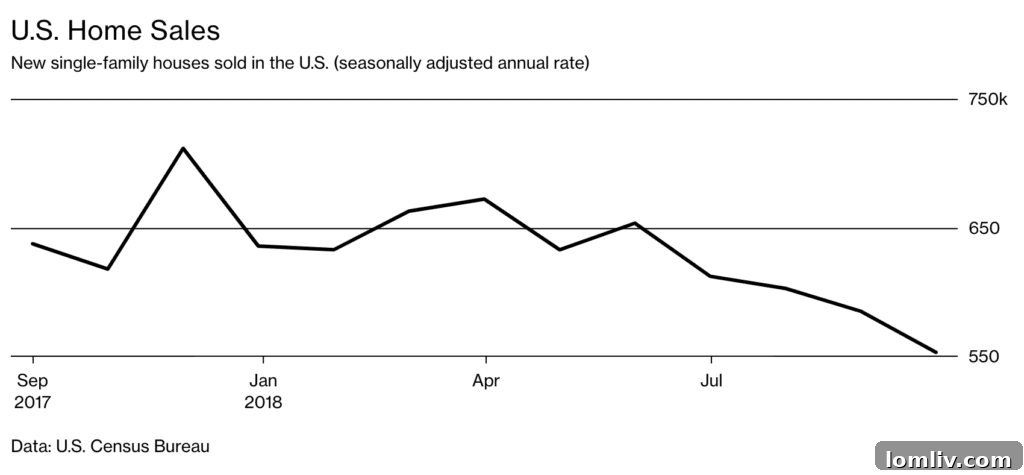
The once-unbridled seller’s paradise is gracefully, yet firmly, evolving into a more balanced buyer’s market. This local shift in the Frisco housing market mirrors a broader national trend, as new home sales across the country experience a notable dip, almost 9 percent according to recent reports. This recalibration is particularly pronounced in what were previously the most vibrant and competitive markets, with Frisco leading the conversation.
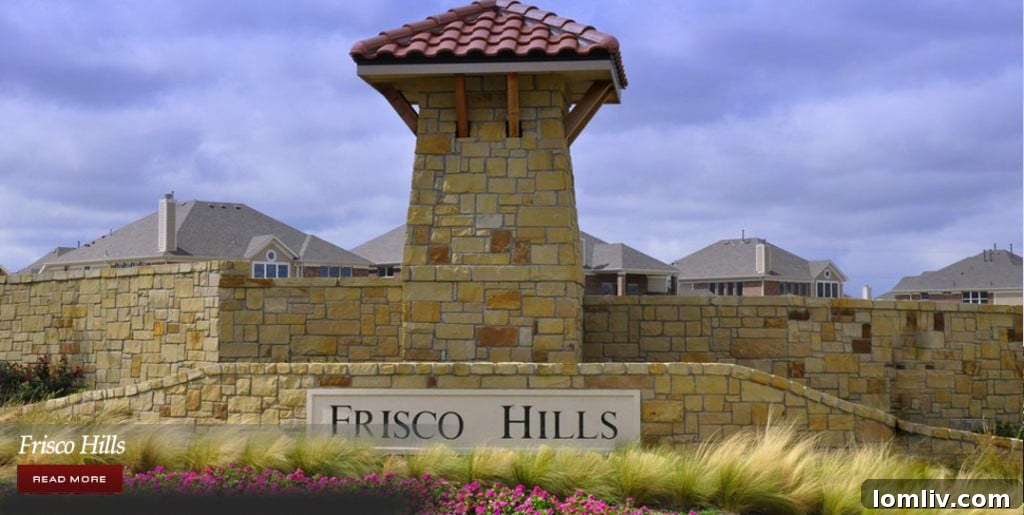
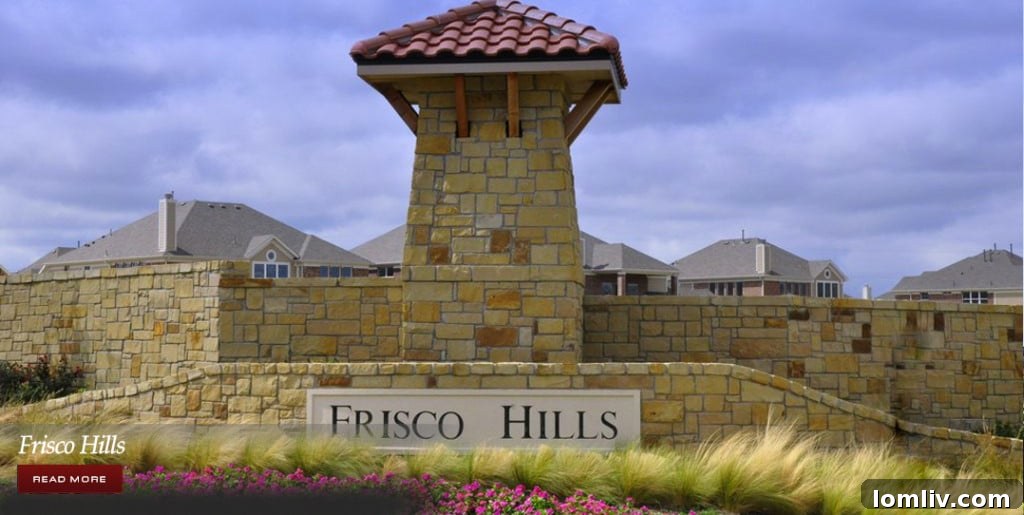
The shift may be most pronounced in what were once the most sizzling markets. Consider Frisco, Texas, a city 30 miles north of Dallas, where narrowly spaced villas of stone and brick have replaced cow pastures. Its population nearly doubled over the past decade, to 177,000. Its 8 percent jump last year made it the fastest-growing city in America.
The Frisco Phenomenon: From Rapid Growth to Market Saturation
Frisco’s journey from a quiet North Texas town to a bustling metropolitan hub has been nothing short of extraordinary. Over the past decade, its population nearly doubled, driven by an influx of major corporate headquarters, world-class amenities, and a reputation for excellent schools and family-friendly environments. This explosive growth transformed vast expanses of cow pastures into sprawling master-planned communities featuring an abundance of new construction homes, from elegant villas to expansive family residences.
The allure of Frisco was undeniable. The relocation of corporate giants like Toyota, the presence of the Dallas Cowboys headquarters at The Star, and the development of vibrant mixed-use centers such as Legacy West created a strong demand for housing. This, combined with favorable interest rates and a robust economy, fueled an unprecedented seller’s market where homes often sold above asking price within days of listing. Builders responded vigorously, pouring resources into new developments to keep pace with demand, perhaps underestimating the delicate balance required to maintain a sustainable market.
A Buyer’s Market Emerges: The New Reality for Frisco Real Estate
The current market landscape in Frisco, however, presents a different picture. As Prashant Gopal, a respected journalist from Bloomberg, highlights, falling sales and declining housing stocks are not only impacting builders but are also creating intense competition among real estate agents. The aggressive pursuit of sales has transformed the market into what many are now calling a “builder battleground,” particularly along key development corridors like Highway 380.
This fierce competition has led to significant changes in how homes are bought and sold. Builders, keen to move inventory, are offering an array of incentives, while real estate agents are increasingly shrinking commissions to attract buyers. This dynamic is vividly illustrated by agents like Konara, a local real estate broker, who observes the stark reality of the market.
On a recent weekday, Konara, the real estate broker, drives his Dodge minivan along Highway 380, a builder battleground, where national giants such as Lennar, Toll Brothers, and PulteGroup go head to head with Texas companies. He stops at sales offices, where balloons festoon posts in a vain effort to spur sales. He points to empty houses that he says were completed six months ago.
His own sales are half what they were in 2016. In many cases, he’s rebating to customers all but $1,000 of his commission on each home sale. He walks into an Indian restaurant for lunch and looks up at the television screen. A competitor, the “Maximum Cash Back Realtor,” says he’ll take only $750. “You know what that means,” Konara says. “I’ll have to do the same.”
The intense pressure on real estate agents in Frisco reflects the broader market shift. Where agents once facilitated bidding wars, they are now navigating a landscape of discounts, rebates, and the imperative to stand out in a crowded field. This means buyers today have significant leverage, with more inventory to choose from and greater opportunity for negotiation on price, incentives, and terms.

Understanding the Builder Battleground and Market Segmentation
The “builder battleground” is a key indicator of the current Frisco housing market. Along major thoroughfares like Highway 380, national homebuilding giants such as Lennar, Toll Brothers, and PulteGroup compete head-to-head with established Texas-based companies. This aggressive competition translates into various incentives for potential buyers, including significant price reductions, generous closing cost credits, complimentary upgrades, interest rate buydowns, and even designer credits. These tactics are a direct response to the surplus of new construction homes and the need to stimulate sales in a slowing market.
J.P. Piccinini, whose company sells more homes in Frisco than any other, offers valuable insights into this dynamic. He notes that while market reports highlight the slowdown, there’s a crucial distinction to be made within the Frisco real estate landscape. “The quality homes are still selling in even the higher priced neighborhoods,” J.P. explains. “Where you are seeing the huge sales incentives are on the cookie-cutter homes. These homes are experiencing bigger price drops compared to other inventory. Some builders, not all, have been doing a bad job of building the same product over and over. Look at them, the homes are not interesting. Some of them look like every other home in the same subdivision.”
This observation underscores the importance of differentiation in a buyer’s market. While many parts of Frisco boast gorgeous, thoughtfully developed communities, the market has become discerning. Homes that lack unique architectural design, innovative layouts, or premium finishes are struggling to attract buyers without substantial price cuts. In contrast, well-crafted, distinctive properties continue to command interest, albeit with adjusted pricing expectations. The market is effectively segmenting, rewarding quality and individuality while challenging mass-produced, repetitive designs.
Key Factors Driving the Market Correction in Frisco
Several interconnected factors are contributing to the current market adjustment in Frisco, moving beyond mere oversupply:
Rising Interest Rates and Affordability Challenges
One of the most significant influences on the current Frisco real estate market is the upward trajectory of interest rates. As the Federal Reserve has tightened monetary policy to combat inflation, mortgage rates have climbed, drastically impacting buyer affordability. A seemingly small increase in interest rates can translate into hundreds of dollars more per month on a mortgage payment, effectively reducing a buyer’s purchasing power and forcing them to reconsider higher-priced properties. This makes the already elevated home prices in Frisco feel even more out of reach for many prospective buyers, leading to a natural cooling of demand.
Economic Uncertainty and Consumer Confidence
Beyond interest rates, broader economic uncertainties play a role in shaping consumer behavior. “Election year jitters,” as J.P. Piccinini mentions, can contribute to buyer hesitancy. When the economic outlook is uncertain, or there are concerns about job security and inflation, consumers often delay major financial decisions, including purchasing a home. This wait-and-see approach reduces the pool of active buyers, further contributing to the buildup of inventory and the need for builders to offer more aggressive incentives.
Unsustainable Price Appreciation and Market Correction
Frisco experienced a period of truly explosive price appreciation, with home values soaring to unprecedented levels. While indicative of high demand, such rapid growth often leads to market overheating, making a correction inevitable. J.P. Piccinini points out that some MainVue homes at Phillips Creek Ranch, which were just over $400,000 three years prior, had dipped into the $700,000s. While these homes are known for their refreshing, transitional contemporary styles that break away from traditional designs, even they are not immune to the market’s pricing pressures. The current adjustments are, in many ways, a necessary recalibration, bringing prices back to more sustainable and realistic levels for the long term.
Supply Chain and Construction Costs
While the market is now favoring buyers, builders still face challenges related to increased operational costs. Material costs have risen significantly over the past few years due to supply chain disruptions and inflation. Similarly, the cost of skilled labor in the construction industry has also climbed. These elevated input costs mean that builders have less margin to absorb drastic price reductions without impacting their profitability, creating a complex situation where they must balance attractive incentives with their own financial realities.
Environmental Factors and Sales Disruptions
External factors, such as severe weather, can also play a temporary but noticeable role in market performance. Persistent rain throughout October, for instance, can deter prospective buyers from touring properties and can delay construction timelines, indirectly impacting sales figures. Nationally, the impact of weather events on home sales is well-documented:
New-home sales last month fell in the Northeast, Midwest, South and West. Home sales in the South were likely hurt by a barrage of hurricanes, while wildfires in the West may have damaged sales in the West.
While not the primary driver of Frisco’s market shift, such disruptions can compound existing challenges and contribute to a more cautious buying environment.
Navigating the Current Landscape: Opportunities and Outlook
Despite the prevailing narrative of a cooling market, the current Frisco real estate climate presents unique opportunities, especially for savvy buyers. J.P. Piccinini maintains an optimistic outlook, predicting a record-breaking December for his firm. He believes that builders, motivated to clear inventory and meet year-end sales targets, will slash home prices even further, creating an ideal scenario for buyers to secure excellent deals. “We’re not slowing at JPAR,” says J.P. “In fact, we are expanding. I’ve got agents turning in three to four contracts a week. I think we’re actually going to have a record-breaking December.”
For buyers, this environment means more choices, less pressure, and significantly enhanced negotiating power. It’s a prime time to explore new construction homes in Frisco, comparing various builder incentives, negotiating on upgrades, and securing favorable financing terms. Working with an experienced local real estate agent who understands these dynamics can be invaluable in identifying the best opportunities and navigating the complexities of builder contracts.
For sellers in Frisco, the key is realistic pricing and strategic marketing. Homes that are well-maintained, competitively priced, and effectively showcased for their unique features are more likely to attract interest. While the days of multiple offers above asking price may be less common, a well-positioned property can still achieve a successful sale.
The Future of Frisco Real Estate: What Lies Ahead?
Looking ahead, the Frisco real estate market is likely to continue its recalibration. This adjustment should not be viewed as a collapse, but rather a necessary correction after an unsustainable period of rapid growth. Frisco’s fundamental strengths – its robust job market, excellent schools, premier amenities, and strategic location in North Dallas – will continue to draw residents and ensure long-term stability and growth, albeit at a more measured pace.
The transition to a buyer’s market creates a healthier, more balanced environment. It allows for a cooling of prices, making homeownership more accessible, and encourages builders to innovate and differentiate their products. While the competitive landscape for real estate professionals will remain intense, the market is poised for stabilization. Buyers who have been sidelined by the previous frenzied market now have an opportune moment to invest in Frisco real estate, while sellers must adapt to the new realities of a more discerning and empowered buyer base. Informed decision-making and strategic planning will be paramount for all participants in this dynamic and evolving market.