The Enduring Legacy and Tragic Loss: Goff’s Hamburgers and Wilson Fuqua’s Dallas Architectural Vision
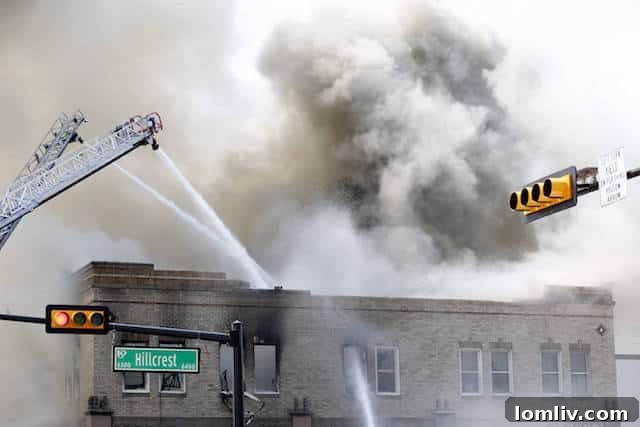
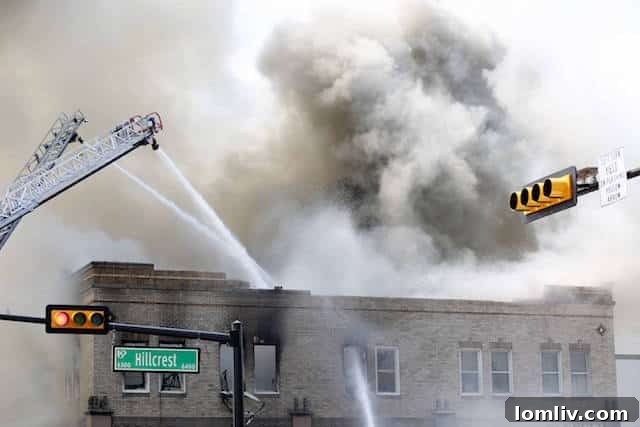
The Dallas community, particularly residents of University Park and the Southern Methodist University (SMU) area, is reeling from a profound loss. A devastating fire recently claimed one of the city’s most cherished culinary landmarks, Goff’s Hamburgers, located in a charming, historic brick building dating back to circa 1924 at 6401 Hillcrest Avenue, at the corner of Hillcrest and McFarland. More than just a restaurant, this venerable establishment was a true institution, a place where generations gathered, memories were made, and the vibrant spirit of Dallas truly came alive. The tragic blaze, however, extended its reach far beyond the beloved burger joint, also destroying the long-standing office of acclaimed Dallas architect Wilson Fuqua, situated directly above Goff’s. This article delves into the rich history of Goff’s Hamburgers, the unique character of its iconic owner, Harvey Goff, and the catastrophic impact of the fire on Wilson Fuqua and his invaluable architectural legacy, while also celebrating his remarkable resilience and forward-thinking spirit.
A Dallas Institution Lost: Remembering Goff’s Hamburgers
Goff’s Hamburgers was far more than a simple eatery; it was a cornerstone of Dallas’s gastronomic landscape, deeply woven into the fabric of local life. Even after ownership changed hands from the legendary hamburger king, Harvey Goff, the restaurant maintained its magnetic appeal, drawing in patrons from all walks of life. For decades, “grabbing a burger at Goff’s” was a quintessential Dallas experience, a rite of passage for SMU students, a comforting routine for families, and a nostalgic trip for long-time residents. The aroma of sizzling patties and the lively chatter within its historic walls created an ambiance that was unmistakably Goff’s – a blend of tradition, community, and classic American comfort food.
The Eccentric Charm of Harvey Goff
The story of Goff’s Hamburgers is inextricably linked with the colorful persona of Harvey Goff. He took over the reins of the hamburger restaurant business that his parents had originally founded in 1950, nurturing it into a Dallas legend. While the Hillcrest location was iconic, many fondly recall Harvey’s earlier establishment on Lover’s Lane at Douglas. This particular spot housed one of Harvey’s most talked-about acquisitions: a striking statue of Vladimir Lenin. Purchased for a mere $500 from a Ukrainian factory in 1991, as the Soviet Union crumbled, the statue stood proudly, emblazoned with a sign unequivocally declaring, “America won.”
Harvey Goff was a character known for his distinctive approach to hospitality. He was famous for enforcing a somewhat unconventional dress code, sometimes refusing service if a patron’s hair was deemed “too long.” Legend even has it that he might occasionally, and playfully, chase customers around with a baseball bat, creating unforgettable anecdotes that became part of Goff’s mystique. These eccentricities, far from deterring customers, often added to the establishment’s charm, cementing Harvey Goff’s status as a Dallas icon and his restaurant as a place where the unexpected was always on the menu.
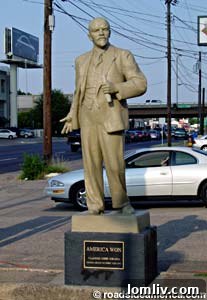
After years of cultivating this unique brand, Harvey eventually closed that specific shop, selling it to Jim Francis. The famous Lenin statue, a relic of a bygone era and a symbol of Harvey’s quirky spirit, was subsequently auctioned off, marking the end of an era for many Dallasites. Harvey Goff then embarked on what he thought would be retirement, but his passion for charbroiled perfection couldn’t keep him away for long. He soon re-emerged with another successful venture, Harvey’s Charbroiled Hamburgers, located strategically at the busy intersection of Preston Road and LBJ Freeway, continuing his culinary legacy.
Beyond Burgers: A Fire’s Devastating Reach
The inferno that erupted on a recent Friday was far more than a typical commercial blaze; it was a three-alarm catastrophe that engulfed a piece of Dallas history. The destruction of Goff’s Hamburgers was heartbreaking enough, but the fire’s reach extended critically to the upper floor, where the esteemed architect Wilson Fuqua had maintained his office for nearly three decades. This was not merely the loss of a business premises; it was the obliteration of a creative sanctuary, a repository of architectural dreams, designs, and invaluable resources.
Wilson Fuqua: A Pillar of Classical Dallas Architecture
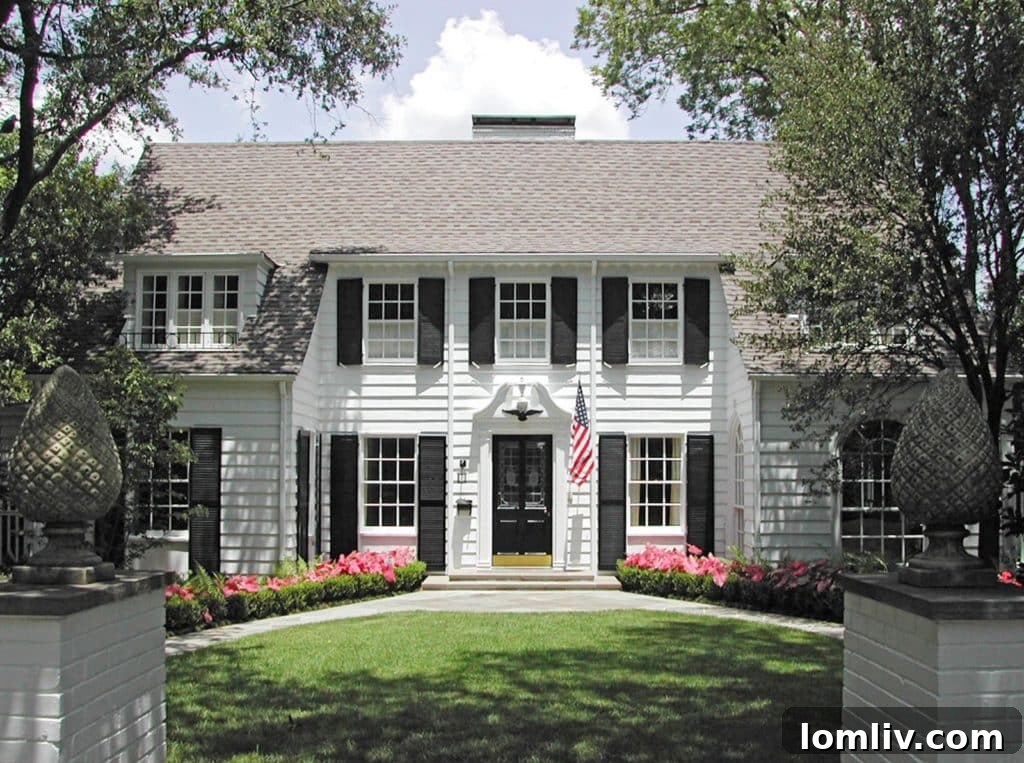
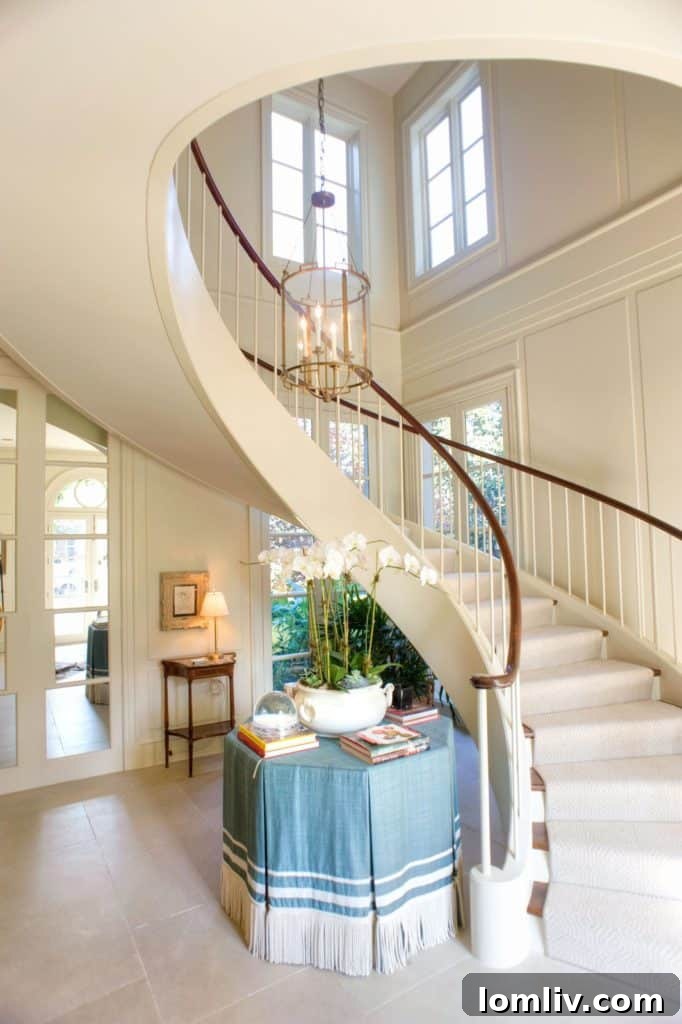
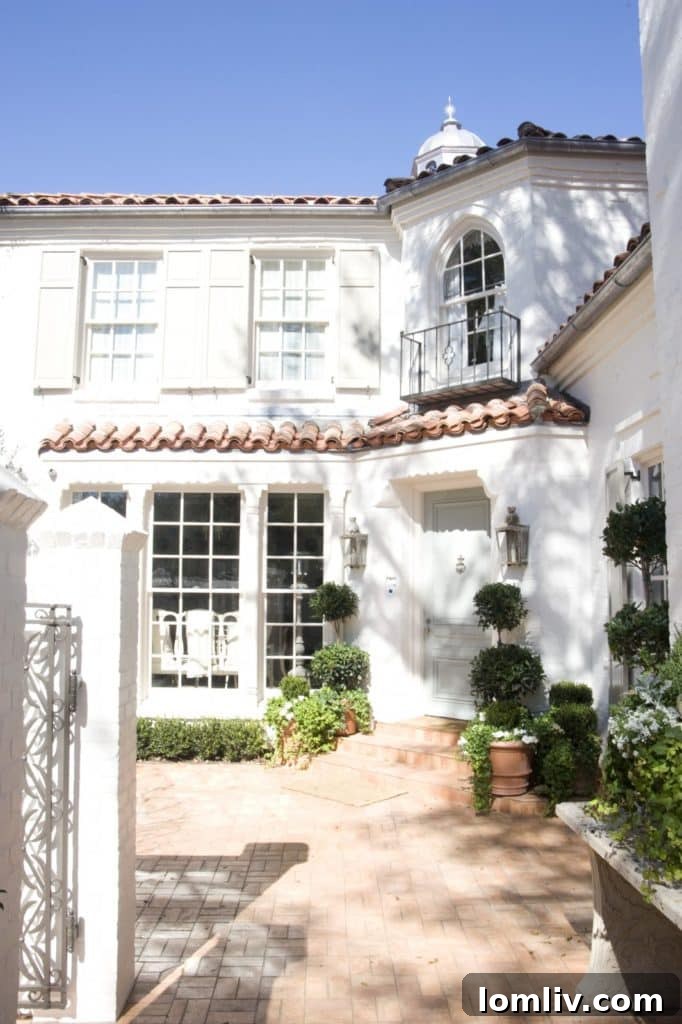
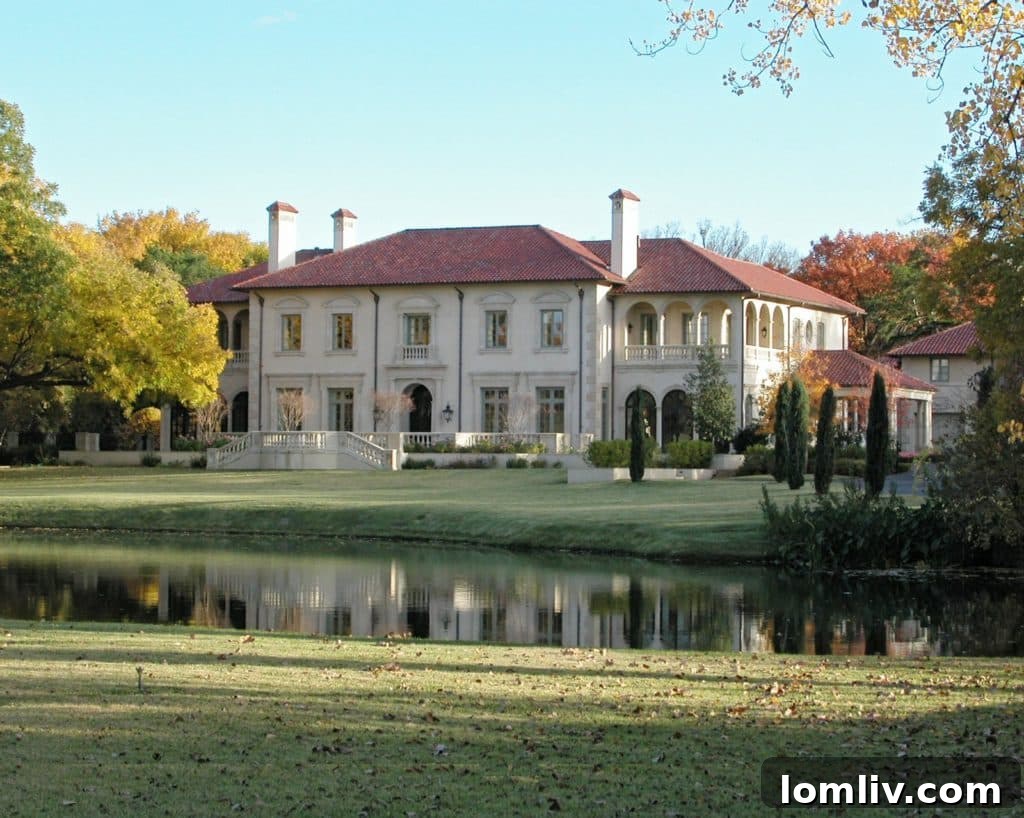
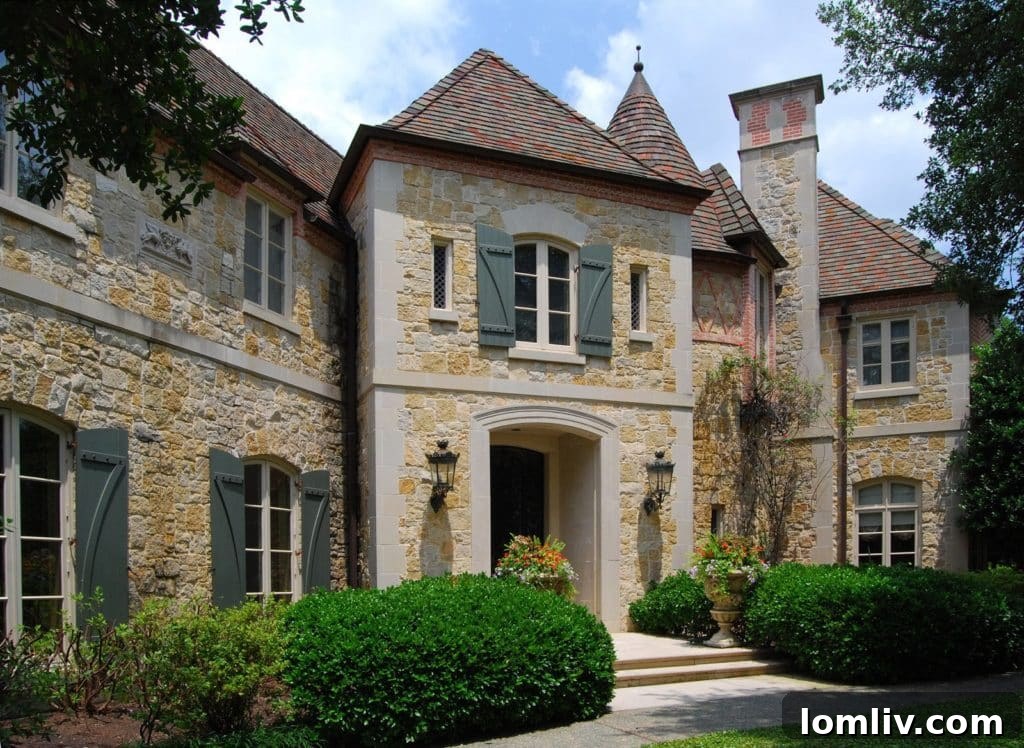
For 29 years, Wilson Fuqua, celebrated as a Dallas architect extraordinaire and a true classicist, nurtured his practice from his office directly above Goff’s, accessible by a single flight of stairs. His firm, known for its deep commitment to timeless design principles, now faces the monumental task of rebuilding from the ground up, as his entire office was completely destroyed. Fuqua’s architectural philosophy is rooted in extensive classical training, which has consistently guided his work towards historically inspired structures. His portfolio boasts a remarkable array of Georgian, Federal, and Classical European architectural styles, each project reflecting a profound understanding of historical precedents and an unwavering dedication to aesthetic excellence.
Wilson Fuqua’s homes are immediately recognizable for their strong sense of detailing and impeccable proportion. These hallmarks are not merely stylistic choices but a direct testament to his comprehensive training and innate talent. He crafts residences that feel both grand and intimately scaled, marrying historical accuracy with contemporary functionality, creating spaces that are not just beautiful but also profoundly livable and enduring. His work is revered for its ability to transcend fleeting trends, embodying a timeless elegance that enhances the Dallas landscape.
The Irreplaceable Loss of an Architect’s Library
“Literally there is nothing left. Last night, Wilson was hopeful of being able to retrieve some CAD work off of a back-up he kept at the house, but furnishings, computers, books – EVERYTHING in that office burned up in the fire,” recounted Dallas home builder Bob Hoebeke, a close associate and friend. This stark reality underscores the comprehensive nature of the destruction. Beyond the material assets, the blaze consumed objects of immense professional and personal value.
Among the most tragic and likely irreplaceable losses is Wilson Fuqua’s impressive architectural library. Shannon Logan, a distinguished building engineer who has collaborated extensively with Fuqua on numerous high-profile projects, including the exquisite Nancy and James Hoak’s penthouse at the Vendome, lamented this particular devastation. An architect’s library is not just a collection of books; it is a vital resource, a wellspring of inspiration, a historical archive, and a living repository of knowledge gained over a lifetime of dedicated study and practice. The loss of such a unique and comprehensive collection of architectural texts, drawings, and historical documents represents a void that cannot simply be filled by digital replacements.
A Legacy Forged in Stone and Style
The devastating loss of his physical office and library casts a temporary shadow, but it cannot diminish the profound and lasting impact Wilson Fuqua has had on the architectural landscape of Dallas. His vision has not only preserved classical aesthetics but also adapted them to contemporary living, ensuring that tradition remains vibrant and relevant. His architectural creations stand as monuments to his skill, his unwavering adherence to high standards, and his deep respect for the art of building. Each project, from grand estates to intricate renovations, embodies a commitment to excellence that has earned him a sterling reputation among clients and peers alike.
Resilience in the Face of Ruin: Wilson Fuqua’s Forward Vision
True to his character, Wilson Fuqua’s response to this immense personal and professional tragedy has been nothing short of inspiring. Come Monday morning, Wilson and his dedicated staff of architects face the daunting task of starting over. Yet, for those familiar with Wilson Fuqua’s stoic and forward-looking nature, his reaction comes as no surprise. He embodies a spirit of unwavering resolve, viewing challenges not as insurmountable obstacles but as unexpected turns on a creative journey.
Reflecting on the immediate aftermath of the fire, Wilson shared a poignant moment: “I got in my car after we got out of the building, and the first song on the radio was ‘Everything’s Temporary’ (by Edie Brickell & the Bohemians).” He continued, with a perspective that only a seasoned professional deeply engrossed in his craft could articulate, “In an architect’s office, we have so much stuff to store, this is actually kind of cathartic.” This profound statement highlights his unique ability to find philosophical solace even amidst widespread destruction, suggesting that perhaps this forced reset could pave the way for new beginnings.
Indeed, Wilson views this calamity as an unforeseen opportunity, a chance to perhaps shift his focus and embark on a path of reinvention. As he conveyed to our Eric Prokesh, he sees this moment as a catalyst to “re-invent myself.” This proactive and optimistic outlook speaks volumes about his character and his enduring passion for architecture, promising that even from the ashes, new and innovative designs will undoubtedly emerge.
The Day the Fire Struck: A Closer Look
The swiftness and intensity of the fire were harrowing. Wilson Fuqua recounted that the blaze originated from a flue that extended through the restaurant ceiling. It quickly ignited, generating intense heat that rapidly spread throughout the structure. The rapid escalation of the fire proved challenging for emergency responders. Firefighters had to work tirelessly for hours in scorching 107-degree heat, a testament to their bravery and dedication. The battle against the inferno involved three different fire departments, and the extreme conditions sadly led to two firefighters requiring treatment for heat exhaustion. In the aftermath, the structural integrity of the building was severely compromised, necessitating the controlled crumbling of the charred walls by firefighters to ensure safety and prevent further collapse, leaving behind a skeletal remains of what was once a vibrant landmark.
Shaping the Dallas Landscape: Noteworthy Projects by Wilson Fuqua
Wilson Fuqua’s firm, comprising himself and three other talented architects, has an extraordinary track record. Over his career, he has influenced the design of 300 to 400 homes across the expansive greater Dallas area. This impressive portfolio includes numerous significantly large estates that define luxury living in North Texas, alongside a substantial number of intricate remodeling projects that breathe new life into existing structures. His work has left an indelible mark on some of Dallas’s most prestigious neighborhoods, creating residences that are both architecturally significant and deeply personal to their owners.
Among his celebrated designs are the exquisite home of Richard and Gigi Potter on Turtle Creek within the exclusive Volk Estates, a testament to his mastery of classical elegance. He was also instrumental in shaping the sophisticated interiors of Trevor and Melissa Fetter’s grand Beverly Drive manse. The impressive 18,000-square-foot former Bobby Haas estate on Jordan Way also bears his distinctive touch, showcasing his ability to manage projects of immense scale and complexity. Furthermore, the distinguished Bordeaux and Douglas estate of Michael and Dru Hammer, with Michael being the grandson of the renowned Armand Hammer, stands as another shining example of Fuqua’s commitment to refined design. These projects, among many others, highlight his versatility and his unwavering dedication to creating architectural masterpieces tailored to the unique visions of his discerning clientele.
Collaborations and Connections
Wilson Fuqua’s influence extends through a wide network of respected professionals within the architectural world. Our own Fort Worth editor, Eric Prokesh, is currently engaged in a large-scale collaboration with Wilson, focusing on an ambitious project that includes a new main home and a specialized Beverly Drive back house wine tasting room, further illustrating Fuqua’s diverse design capabilities.
His professional connections run deep, placing him among the top names in architecture nationally. Notably, Los Angeles architect Rick Robertson, his former roommate, is another prominent figure in this elite circle. Robertson himself designed Nancy Dedman’s elegant new residence in Volk Estates, a project undertaken after the demolition of her previous home on Strait Lane, showcasing the interconnectedness and mutual respect among these leading design minds.
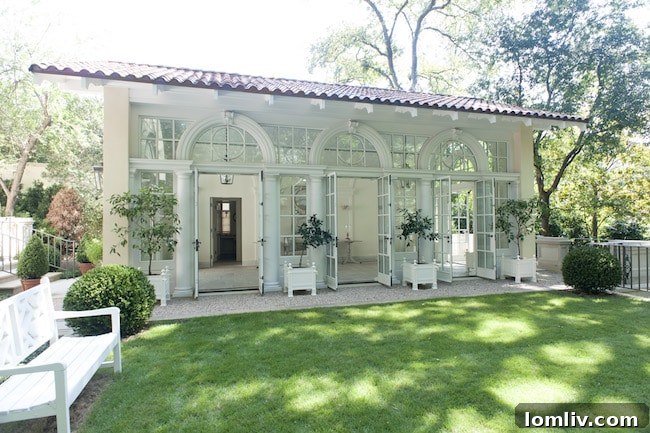
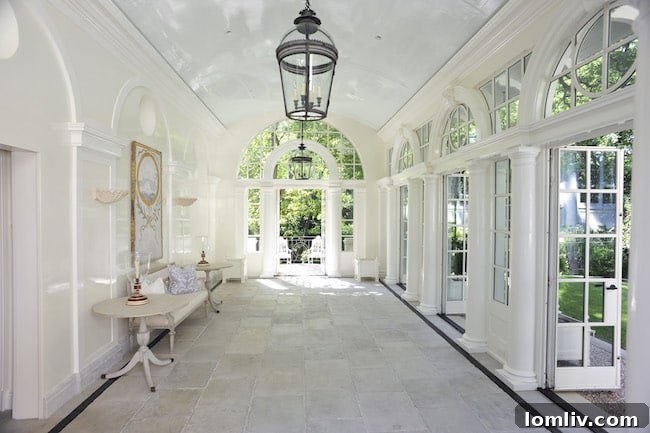
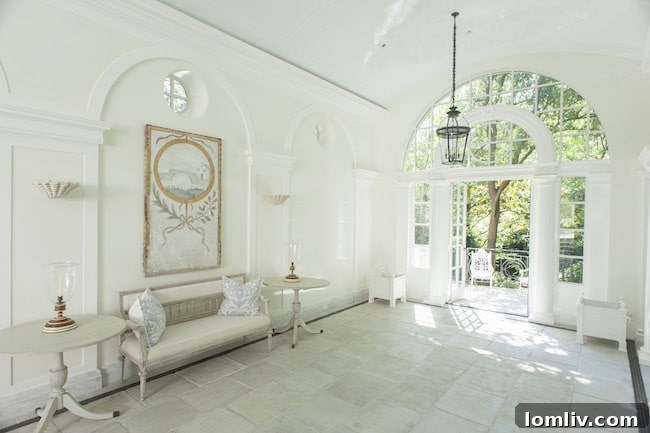
One of Fuqua’s most innovative and crowning works is the magnificent Orangerie at the home of Lyn and John Muse on Preston Road. This project exemplifies his blend of classical aesthetics with cutting-edge engineering. Collaborating closely with Shannon Logan, the building engineer, Fuqua integrated advanced features such as snow-detecting sensors in the gutters, ensuring optimal functionality in all weather conditions. Furthermore, he ingeniously engineered the pool equipment to be housed entirely underground and devised a sophisticated system to de-salient the water, a pioneering solution designed to prevent erosion and maintain the longevity of the structure and surrounding landscape. This project not only highlights his artistic vision but also his practical ingenuity and commitment to sustainable, intelligent design solutions.
Rebuilding and Reinvention: The Road Ahead
Having worked in the now-destroyed building for more than 29 years, a period during which he habitually walked to work every day, the sudden displacement is undeniably significant. Yet, Wilson Fuqua’s philosophical outlook remains steadfast. “Wherever I go, wherever I will be, it will be different, but it will still be me,” he confidently states, underscoring his core identity as an architect remains intact, regardless of his physical surroundings. Crucially, Fuqua had the foresight to back up his files and photographs electronically, saving them off-site. This proactive measure ensures that there “should be little disruption in any of my current projects,” a testament to his meticulous planning and foresight.
The architectural community in Dallas has rallied around Wilson Fuqua. Several architects have generously offered to collect blueprints from his clients to help stock his new office. While deeply appreciative of the support, Wilson, with his characteristic pragmatism, believes he may not need to impose such a burden on others, given his electronic backups. Moreover, numerous colleagues and friends have extended offers of temporary office space, providing a crucial safety net in this challenging time.
Fuqua is actively exploring options for a temporary base of operations and is considering setting up shop with Foster Poole on Maple and Harry Hines. This location is strategically situated near the historic Old Parkland campus and the former site of the original Elliot’s Hardware, placing him in a vibrant area of Dallas as he embarks on this new chapter. The support and solidarity from his peers reflect the high regard in which Wilson Fuqua is held and underscore the collaborative spirit within the Dallas architectural scene.