
Dallas County Jail: Prime Real Estate or Persistent Problem? The Future of Lew Sterrett Justice Center Hangs in the Balance

A critical juncture looms for Dallas County, as an aging and severely overcrowded jail facility, failing to meet modern operational codes, compels commissioners to consider a transformative decision. The fate of the Lew Sterrett Justice Center – a vast complex situated on the valuable western edge of downtown Dallas – is now under intense scrutiny. This pivotal moment presents not only a pressing public safety and infrastructure challenge but also an unparalleled opportunity to reimagine a significant piece of urban real estate. The county is weighing the monumental choice between a costly renovation of the existing structures or a complete demolition and relocation, thereby unlocking the site’s immense potential for dynamic new development.
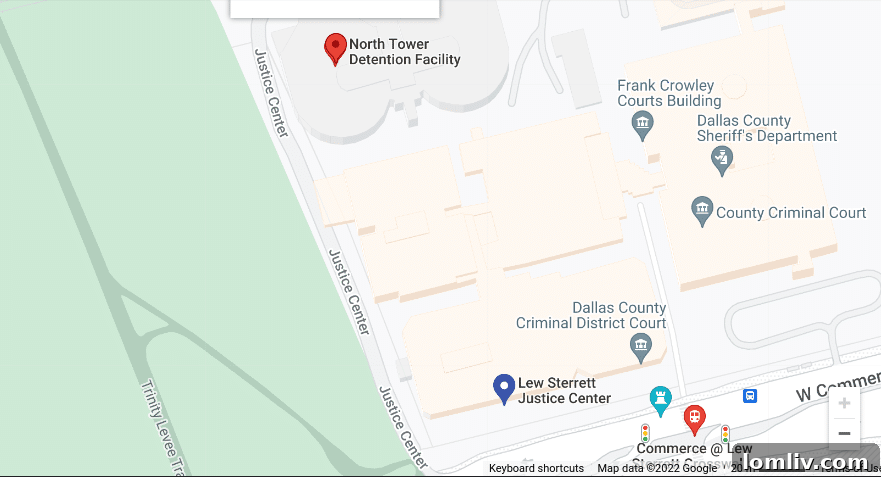
Dallas County Commissioners are poised to appoint a specialized committee next month, tasking it with an in-depth analysis of this complex situation. This committee will meticulously evaluate the viability and financial implications of either rehabilitating the current Lew Sterrett Justice Center facilities, located at 111 West Commerce Street, or pursuing the sale of the land and identifying a new, suitable location to house inmates. A recommendation from this body is expected within a year. County Judge Clay Jenkins emphasized a key legal constraint during a recent budget hearing: state law mandates that any county jail must be situated within a four-mile radius of the downtown core, a factor that will significantly influence potential relocation strategies and land acquisition efforts.
Julia Ryan, Dallas Planning and Urban Design Director, highlighted the extraordinary value of the current county jail site. She described it as a prime location, strategically positioned near a vibrant job center and the scenic Trinity River corridor. The area is currently designated as a planned development, offering flexibility for future uses. While acknowledging that these ongoing discussions are preliminary and do not yet signify a finalized deal, Ryan expressed confidence in the site’s inherent potential. “This location certainly possesses the capacity to serve the broader community in a multitude of alternative uses, moving beyond its current correctional function,” she stated, underscoring its versatility.
“Our ongoing work with the ForwardDallas comprehensive land use plan involves a thorough examination of all available opportunities for urban growth and revitalization,” Ryan elaborated. “The potential redevelopment of the Lew Sterrett site undeniably represents a significant opportunity within this framework. Should the facility be deemed suitable for demolition, we would then undertake a comprehensive study to determine the most appropriate land use. This would involve a detailed assessment of the surrounding area, considering existing land uses and urban fabric. Furthermore, we would analyze the quality and potential of transportation connections, as these are crucial for any new development. A multitude of factors would feed into our analysis to ascertain whether this site could, for example, be effectively utilized for much-needed housing development, contributing to the city’s housing stock and urban vibrancy.” This holistic approach ensures that any future decision aligns with Dallas’s long-term urban planning goals and community needs.
Dallas County Jail’s Mounting Challenges and Systemic Issues
The saga surrounding the Dallas County Jail is fraught with a myriad of deep-seated challenges, extending far beyond the physical confines of its buildings. These issues create a complex web that impacts not only the correctional system but also the broader judicial and social infrastructure of the county. One significant factor is the dramatic increase in home evictions since the onset of the COVID-19 pandemic, which has created an immense backlog within the county court system. This judicial congestion contributes directly to prolonged detentions. Compounding this, felony cases are not being prosecuted in a timely manner, resulting in accused individuals languishing in lockup for extended periods, sometimes for minor offenses. A particularly distressing concern is the practice of housing individuals with significant mental health conditions within the jail, rather than providing them with appropriate hospitalization or specialized treatment facilities, highlighting a critical gap in public health services.
The burgeoning backlog in the county courts at law, primarily driven by the surge in evictions and related appeals, carries a substantial financial burden for Dallas County. According to a memo issued on September 6 by county policy analyst Hector Faulk, Dallas County anticipates spending approximately $1.7 million. This substantial investment is earmarked for staffing and equipment required to establish a dedicated “backlog court,” a measure designed to alleviate the pressure on the overloaded judicial system and expedite case processing. This cost underscores the indirect financial consequences of systemic inefficiencies within the justice system.
Commissioner Elba Garcia emphasized the urgency of the situation, stating that while commissioners are diligently exploring all dimensions of these challenges and actively seeking legislative assistance to address them, the core problem of the jail itself demands a definitive solution within the next five years. This tight timeline underscores the critical nature of the decision-making process. Commissioner John Wiley Price further corroborated the gravity of the situation, characterizing the current state of both the county jail and its interconnected court systems as being in “dire circumstances.” He painted a stark picture of the impending crisis, highlighting the experience of other major Texas cities.
Price pointed to Houston’s predicament as a cautionary tale, noting that the city is currently expending a staggering $26 million annually to transfer inmates to facilities in Louisiana and West Texas due to its own jail reaching full capacity. This costly externalization of inmate housing demonstrates the dire consequences of insufficient correctional infrastructure. Dallas County, Price warned, is rapidly approaching a similar critical limit, where its existing facilities will no longer be able to accommodate the inmate population, necessitating equally expensive and logistically challenging alternatives.
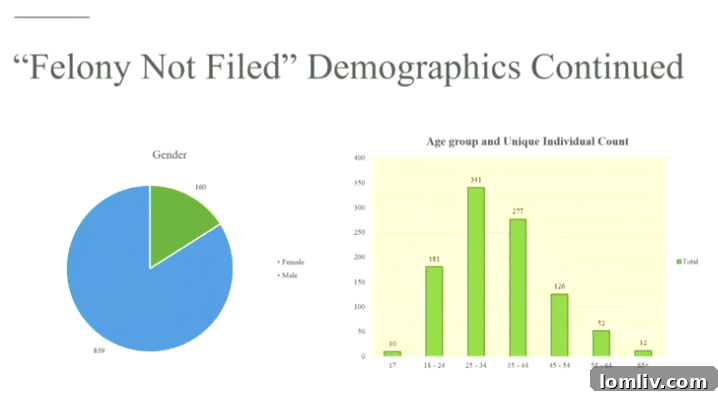
During a pivotal Dallas County Commissioners Court meeting on September 6, Price urged the judges present to carefully consider the implications of Senate Bill 6, particularly its provisions regarding a magistrate’s authority to set bail in felony cases, as observed in Bexar County. He highlighted a critical statistic from the previous Friday: “We had almost 1,000 individuals that are in custody that have felonies not filed.” Price elucidated the severe economic impact of this delay: “What that means is those individuals, on an average of 26 days, are staying in our system at a cost of $1.4 million every month.” This substantial monthly expenditure represents a direct financial drain resulting from systemic bottlenecks in the judicial process.
Price further explained that many of the accused are trapped in a “detention early warning bucket,” awaiting the formal filing of felony charges. A significant portion of these individuals are held for non-violent offenses, often related to substance abuse, indicating a need for more nuanced approaches to justice. He clarified that merely waiting for court appearances does not guarantee release after 26 days; rather, these individuals are simply transitioning from one holding category to another within an overburdened system. “The district attorney is helpless. He can’t do it. We’ve gone down a number of roads,” Price lamented, expressing profound frustration with the situation. “I’m just sounding the alarm,” he concluded, emphasizing the urgent need for systemic reform and immediate action to address the escalating crisis within the county’s correctional and judicial systems.
While county officials grapple with these intricate systemic issues and strive for solutions, a related and equally compelling matter continues to draw significant attention from urban planners, developers, and the community at large, particularly at Daltxrealestate.com. This pertains to the substantial plot of land currently occupied by the Lew Sterrett Justice Center – a site that, if repurposed, holds immense potential for alleviating Dallas’s pressing housing needs and fostering strategic urban development. The prospect of transforming this correctional complex into a vibrant residential or mixed-use area presents a dual solution: addressing the immediate challenges of an outdated jail while simultaneously capitalizing on a premier piece of real estate to benefit the broader Dallas community.
Addressing the Dallas County Jail Problem: Capacity, Costs, and Future Vision
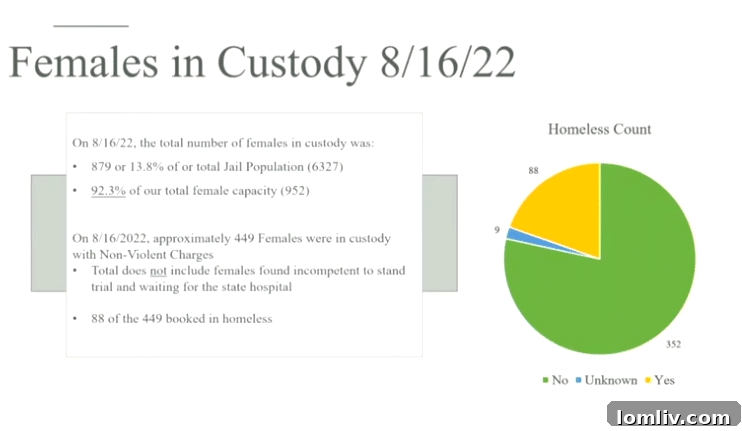
The Dallas County Jail operates with an approximate capacity for 7,200 inmates, and according to recent commissioner statements, it is currently running at about 88 percent occupancy. This figure, while seemingly leaving some room, masks the underlying pressures and the system’s susceptibility to becoming completely overwhelmed, especially given the various backlogs discussed previously. A glaring indicator of the facility’s neglect and the county’s struggle to maintain it is evident on portions of the jail’s official website, which, much like the physical infrastructure of the jail itself, has not undergone significant updates in over a decade. This lack of digital and physical upkeep reflects a broader challenge in managing and modernizing critical county services.
“We looked at the warrant file on Friday, and there are 71,000 warrants in the warrant file,” Commissioner Price revealed, painting a sobering picture of the scale of unaddressed legal issues in the county. He then offered a conservative hypothetical: “Let’s say it’s [only] 31,000. We still don’t have enough beds.” This statement starkly illustrates the immense gap between the current jail capacity and the actual demand for detention, even when accounting for a significantly reduced number of active warrants. The numbers unequivocally point to a system teetering on the brink, incapable of handling its existing workload, let alone future increases.
The county sheriff’s department, which oversees these detention facilities, is a massive operation. A recent budget presentation highlighted that the department employs approximately 1,450 officers across its six detention centers. The annual budget for the sheriff’s department is substantial, nearing $194 million, with a significant portion – $144 million – specifically allocated to the operational costs of the jail. This substantial investment in maintaining the current, problematic facilities underscores the financial strain on the county. Commissioner Price’s concluding remark, “This is continuing to mount. We’ve got to manage this population. We cannot continue at this rate,” encapsulates the growing alarm among county officials regarding the unsustainable trajectory of current jail operations and costs.
The Lew Sterrett Justice Center itself, located prominently on West Commerce Street and adjacent to the Frank Crowley Courts Building, is not a single structure but a sprawling complex of buildings. It comprises the North Tower, the West Tower, and the Suzanne Lee Kays Detention Facility. The majority of these facilities, including the North and West Towers, were constructed in the 1980s, reflecting an architectural and functional design ethos that is now decades past its prime. The newest addition, the Kays building, was completed in 2008, yet even this relatively newer structure cannot fully mitigate the systemic issues inherent in an aging complex designed for a different era.
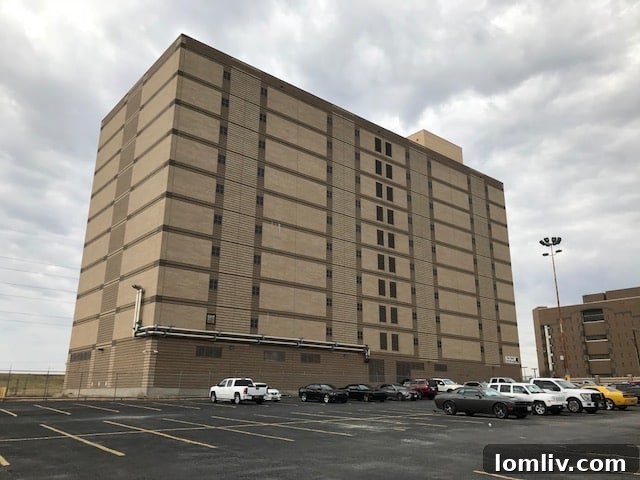
Adding to the complexity and illustrating the site’s vast potential for redevelopment, the Sterrett complex is flanked by significant undeveloped or underutilized parcels of land. To its south lies the abandoned Dawson State Jail and an expansive parking lot, while to the north stretches an empty, undeveloped lot. This large, contiguous area of publicly owned land is situated strategically between the city’s iconic Calatrava bridges, offering stunning views and excellent connectivity. County Judge Jenkins recalled in an interview with WFAA that this very site was once considered a potential location for the Texas Rangers baseball team, a testament to its prime positioning and perceived value as a major development parcel. This historical interest further underscores the site’s latent economic potential, which has remained untapped for decades due to its current correctional use.
Prime Real Estate: The Economic Imperative and Urban Vision
The escalating financial burden associated with housing inmates in an outdated and non-compliant facility has led county officials to consider a radical, yet potentially economically sound, alternative. As suggested earlier this month, the substantial funds currently allocated to maintaining the Lew Sterrett Justice Center might be more prudently invested in the demolition of the existing jail and the construction of a brand-new facility in a more appropriate location. This approach aims to not only resolve the immediate correctional challenges but also to unlock the immense value of the current site.
County Judge Jenkins articulated this dilemma by drawing a common analogy: “If you’ve ever redone an old building or old house, sometimes that can be as expensive to fix up and build as a new one.” This statement, made to WFAA following discussions about establishing the committee to oversee a potential jail demolition, encapsulates the core economic argument. The cost-benefit analysis often reveals that pouring money into an aging, structurally compromised facility may yield diminishing returns compared to a fresh start. Jenkins also emphasized the importance of public input, stating, “I’m interested to hear what the public has to say. It will be a very thoughtful process.” This commitment to public engagement highlights the significant community interest and potential impact of such a major urban transformation.

While the economic arguments for demolition and redevelopment are compelling, there are also voices advocating for a different approach. Developer Monte Anderson, a proponent of sustainable development and historic preservation, shared his perspective with Daltxrealestate.com. Although he has no direct stake in the Lew Sterrett debate, Anderson found the idea of much-needed housing rising on hundreds of acres of downtown land intriguing. However, he generally expresses reservations about the wholesale destruction of existing buildings. “Even if it costs more [to rehabilitate], I don’t know how we can do that,” Anderson posited, challenging the prevailing economic logic. “At what point do we stop loading up our landfills with old buildings? From an environmental standpoint, we have to renew our resources. I believe in repurposing buildings. We’re tearing down our history. We’d have a much more interesting place if we would work with what we have.” His viewpoint underscores the tension between economic efficiency, environmental stewardship, and the preservation of urban heritage, adding another layer of complexity to the decision-making process.
Julia Ryan, from the city’s land use perspective, reiterated the comprehensive approach taken by Dallas’s urban planning department. “We’re looking at publicly-owned properties as land use for the whole city,” she explained, emphasizing the strategic importance of this site within the broader urban fabric. This macro perspective considers how any redevelopment would integrate with and benefit the surrounding areas. Ryan posed important questions: “Are there other buildings around there, like the courthouse? Are there other community services that might be appropriate there?” These inquiries highlight the potential for creating a cohesive civic district or a vibrant mixed-use neighborhood. She further elaborated, “We want to look at the highest and best use if the whole area were to redevelop.” Ryan drew parallels to other successful urban rejuvenation projects: “Other cities like Fort Worth have used the Trinity River with a lot of trail development. You have the downtown views.” This comparison suggests the potential for transforming the Lew Sterrett site into a dynamic waterfront destination, complete with recreational amenities and stunning skyline vistas. “There are a lot of things we look at to make those determinations, and we would work with the county to make those decisions,” Ryan concluded, stressing the collaborative effort required to navigate this intricate planning and development challenge.
History Repeats Itself? The Precedent of Redevelopment
The concept of redeveloping a former detention center site is not unprecedented in Dallas County, offering a tangible example of how such transformations can breathe new life into underutilized urban assets. This historical precedent provides a compelling case study for the current deliberations surrounding the Lew Sterrett Justice Center.
A notable example is the iconic Cabana Motor Hotel. In 2017, prominent developer Mehrhad Moayedi, through Centurion American, acquired the 10-story hotel on Stemmons Freeway for $8.1 million. While the Cabana Hotel is famously remembered for hosting the Beatles, its earlier history included a period where it served a very different function: as a county detention center. This remarkable transformation from a correctional facility to a glamorous hotel, and now potentially to a new iteration, serves as powerful evidence that a former jail site can indeed be successfully repurposed and integrated into the urban landscape.
The Cabana Hotel itself has a storied past, originally developed in 1962 by the legendary Las Vegas developer Jay Sarno, renowned for his creation of Caesar’s Palace. Sarno’s ambitious vision for the Cabana demonstrates that even sites with less glamorous previous uses can be reimagined for high-profile, economically vibrant purposes. The building’s journey from a symbol of mid-century luxury, to a county detention center, and then to a site ripe for modern redevelopment, powerfully illustrates the cyclical nature of urban land use and the potential for creative adaptation.
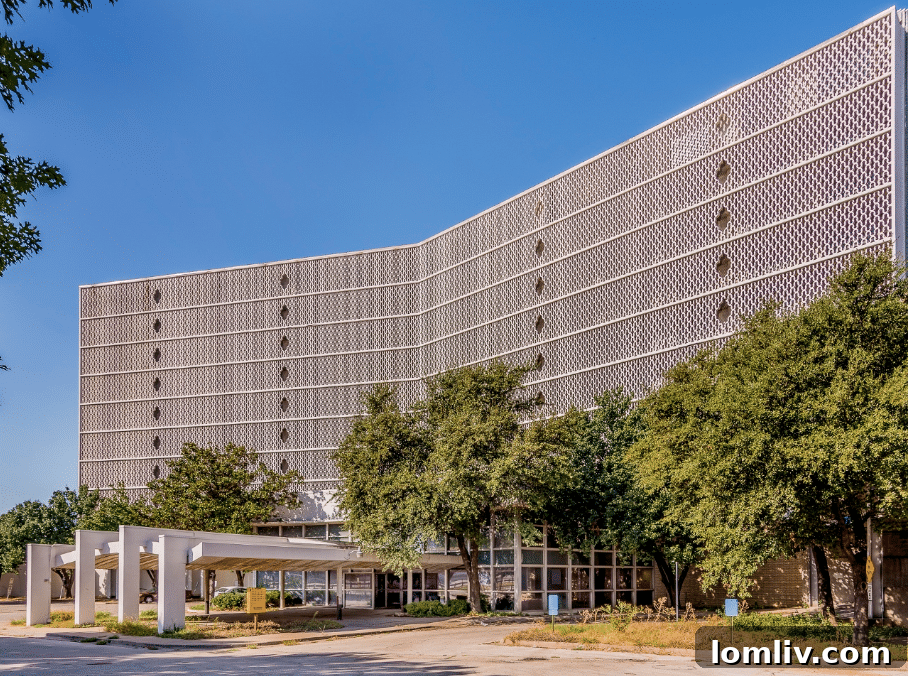
Before Sarno’s visionary development, the site where the Cabana Hotel now stands lay vacant for many years, eventually being listed by the City of Dallas as surplus property. This history echoes the current situation of the Lew Sterrett site – a valuable but underutilized public asset. Following his acquisition, Moayedi submitted a detailed plan to reinvigorate the historic structure. His proposal included transforming it into a vibrant hub with entertainment and conference facilities, complemented by a residential component. This ambitious project aimed to not only preserve a piece of Dallas history but also to create a new economic engine and community asset.
However, even well-conceived redevelopment projects face challenges. Moayedi’s plans for the Cabana were regrettably delayed during the unforeseen global disruption of the COVID-19 pandemic, highlighting the inherent risks and complexities associated with large-scale urban development. At present, the current status of the project remains somewhat uncertain, as Moayedi and representatives from Centurion American did not immediately respond to requests for updates on the project’s progress. Nevertheless, the Cabana Hotel serves as a compelling and optimistic testament to Dallas County’s capacity for urban renewal, demonstrating that even a site previously serving as a detention center can be successfully transformed into a valuable and integrated part of the city’s future. This precedent offers a hopeful blueprint for the future of the Lew Sterrett Justice Center, should Dallas County choose the path of demolition and redevelopment.