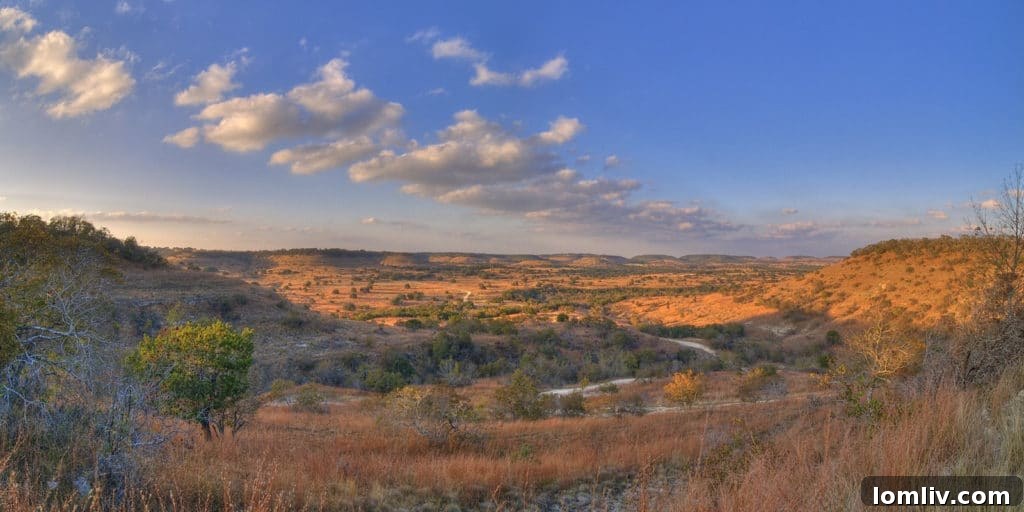
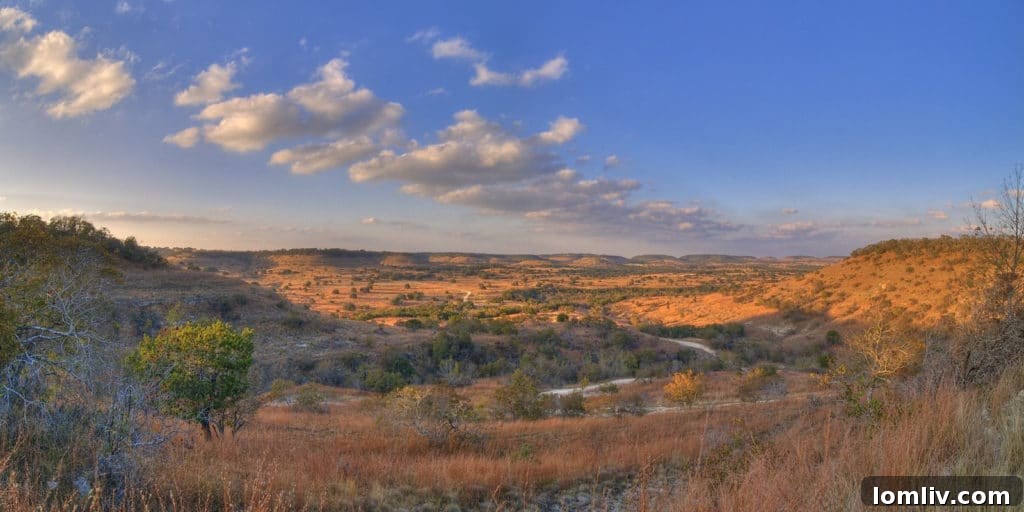
Are Texas property buyers turning into a 21st-century Oliver Wendell Douglas? Much like the beloved Manhattan lawyer from the iconic 1960s sitcom Green Acres, who harbored an unwavering desire to trade city life for the tranquility of a farm, a growing number of Texans are rediscovering the allure of rural living. This isn’t just a nostalgic nod to a bygone era; it’s a tangible trend reshaping the state’s real estate landscape.
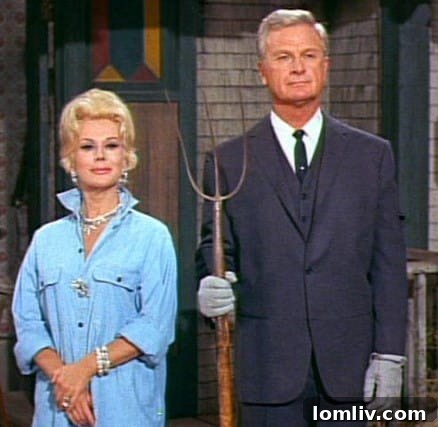
While some readers might be too young to remember the charming antics of Oliver and his glamorous wife Lisa, the show’s enduring theme—”farm livin’ is the life for me”—resonates deeply with today’s market. This sentiment encapsulates a powerful shift, driven by a confluence of social, economic, and lifestyle factors, prompting more individuals and families to seek solace and opportunity beyond urban centers.
The Resurgence of Rural Texas Land: A Booming Market
The modern-day comparison is strikingly clear: an increasing number of Texans are making significant rural land purchases. This trend culminated in a record-breaking $1.69 billion in statewide acquisitions during the fourth quarter of 2020 alone, as highlighted by the comprehensive Texas Land Market Latest Developments report compiled by the Texas Real Estate Research Center. These figures underscore not just a growing interest, but an undeniable boom in the Texas rural land market.
Across the state, the demand for undeveloped land has surged, transforming it into a highly competitive asset. In North Texas, for instance, rural sales experienced an impressive year-over-year increase of over 22.5 percent. Statewide, a staggering 552,707 acres of rural land changed hands through 7,684 transactions, marking a substantial 28.9 percent increase from the previous year. The typical land sale involved parcels averaging 1,139 acres, reflecting a diverse range of motivations, from expansive ranches to smaller recreational tracts.
Regional Dynamics and Price Appreciation
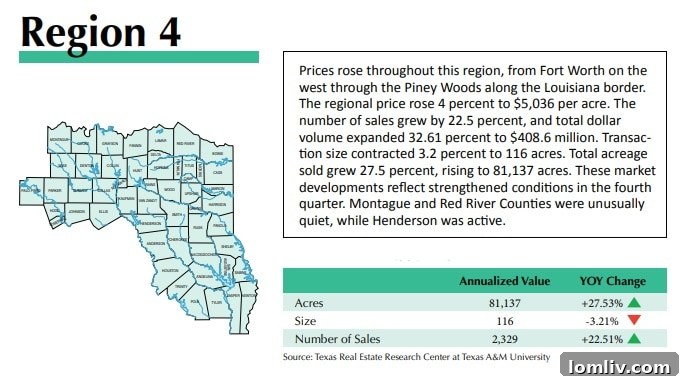
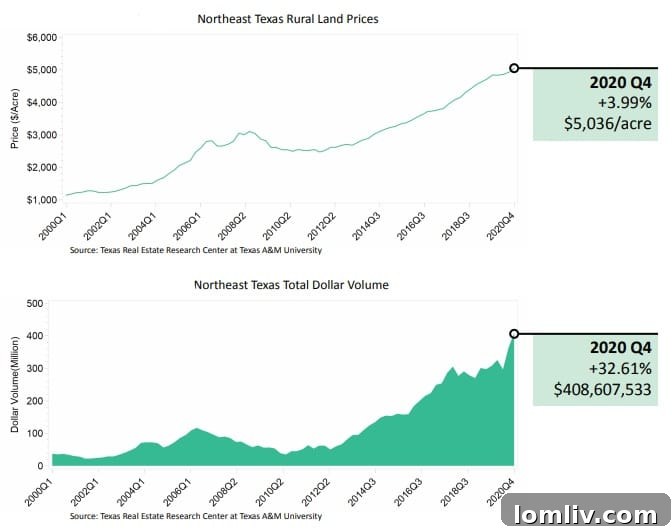
The Texas Real Estate Research Center’s report meticulously divides the state into seven distinct regions, each exhibiting unique market characteristics. The North Texas market, categorized within the Northeast Texas Region 4, emerged as a particularly strong performer, experiencing significant rises in both sales volume and rural land costs. This widespread appreciation reflects robust demand across various locales.
- Download the Texas Land Market Latest Developments report (PDF) 📜
“Prices rose throughout this region, from Fort Worth on the west through the scenic Piney Woods along the Louisiana border,” the report meticulously noted. “The regional price specifically climbed by 4 percent, reaching an average of $5,036 per acre. Currently, market professionals are reporting a veritable flood of interest in land purchases, indicating a sustained and vigorous demand.” This surge in interest is not isolated but rather a consistent narrative emerging from various corners of the Lone Star State.
Unsurprisingly, this heightened demand directly correlates with ascending rural land prices. Across Texas, the average rural acreage fetched $3,064 per acre, representing a 3.1 percent increase from just a year prior. This consistent upward trajectory signals a robust and desirable market for investors, developers, and individuals alike.
Driving Factors Behind the Rural Exodus
The critical question, of course, is: Why this escalating interest in rural Texas? The report identifies several compelling factors, many of which are rooted in the unprecedented global events and societal shifts of recent years. Primary among these are the widespread implications of the COVID-19 pandemic, which necessitated social distancing measures, periods of lockdown, and, in some instances, periods of urban unrest. These events prompted many to re-evaluate their living situations, leading to a desire for greater space, self-sufficiency, and perceived safety away from densely populated urban environments.
Beyond these immediate catalysts, the current housing market dynamics also play a significant role. The perennial challenges of low inventory and perpetually rising housing costs in metropolitan areas have pushed many prospective homeowners to consider alternative options. Rural land, offering more space and often a lower entry point for land acquisition, presents an attractive solution for those priced out of conventional urban and suburban markets.
The Remote Work Revolution’s Pivotal Role
Furthermore, one cannot discount the transformative impact of the increasing trend toward remote work. The widespread adoption of remote work policies has liberated many professionals from the geographical constraints of a daily commute, fundamentally altering how and where people can live. This newfound flexibility means that individuals can effectively manage projects and lead teams from a rural home office, enjoying the peace and quiet of the countryside without sacrificing career progression. The idyllic vision of leading a high-impact project from your rural retreat, then having the time and space to tend to your property, is no longer a fantasy but a tangible reality for many.
“Taken together, the third- and fourth-quarter results clearly signal an active and rising market with strong demand for land in most areas of Texas,” affirmed Charles Gilliland, a distinguished research economist for the Texas Real Estate Research Center. His expert assessment reinforces the narrative of a dynamic market driven by profound societal shifts. “Currently, market professionals report a flood of interest in land purchases, indicating that this momentum is likely to continue.” This expert consensus paints a picture of a market experiencing not just a temporary spike, but a fundamental reorientation of preferences.
What Lies Ahead: The Future of Texas Land Market
The big question looming over this booming market is: Will this trend last? The sustained interest in rural properties prompts a closer look at the long-term viability and potential challenges facing the Texas land market. Factors such as evolving interest rates, broader economic stability, and the continued prevalence of remote work models will undoubtedly influence future trajectories. While the immediate outlook appears robust, discerning buyers and investors are keen to understand if this “Oliver Wendell Douglas” phenomenon is a permanent shift or a transient response to unique circumstances.
The enduring appeal of rural Texas is multifaceted, encompassing desires for privacy, self-sufficiency, investment potential, and a higher quality of life. Many buyers are drawn to the aesthetic beauty of regions like the Texas Hill Country, the agricultural richness of the Blackland Prairie, or the recreational opportunities found across the state’s diverse landscapes. These attributes contribute to a deeply personal and often long-term commitment to rural land ownership.
However, if ’60s TV sitcoms taught us anything, it’s that fortunes can change dramatically. Imagine if people were to discover “a bubblin’ crude. Oil … black gold, Texas tea” on their newly acquired rural property. In such a scenario, they might very well “make like The Beverly Hillbillies” and decide that the urban lights, or perhaps a more diversified investment portfolio, suddenly hold greater appeal, leading them to pack up and head back to the city. This humorous extreme underscores a serious point: while the current drivers for rural land acquisition are strong, market dynamics are always subject to change, influenced by economic shifts, technological advancements, and unforeseen discoveries. For now, however, the call of the countryside remains a powerful and captivating force for countless Texans.