Tragedy Strikes: Dallas Gas Explosion Forces Foster Elementary Evacuation, Raises Community Safety Alarms
An ordinary Friday morning on February 23, 2018, shattered into a scene of chaos and tragedy for residents in the Dallas Love Field neighborhood. As families prepared for their day, a powerful gas explosion ripped through a home in the 3500 block of Espanola Drive, claiming the life of a young girl and critically injuring several others. The devastating blast not only demolished the residence but also triggered a large-scale evacuation, significantly impacting the community, including the swift relocation of students from Stephen C. Foster Elementary School.
The Morning of the Explosion: A Community Rocked
The incident occurred early in the morning, sending shockwaves through the quiet residential streets. Eyewitnesses reported a thunderous sound that shook homes miles away, followed by plumes of smoke and the immediate response of emergency services. Dallas Fire-Rescue (DFR) teams were dispatched rapidly to the scene, confronting a horrific aftermath of debris and an ongoing volatile situation. The intensity of the explosion underscored the severe threat posed by compromised natural gas lines, turning a residential street into an active emergency zone.
Initial reports confirmed that one individual, later identified as a young girl, tragically died in the explosion. Additionally, an 11-year-old girl was rushed to Parkland Hospital in very serious condition, alongside four other individuals who sustained injuries ranging from critical to minor. The prompt actions of paramedics and first responders were crucial in providing immediate medical aid and transporting the injured to the nearest medical facilities, showcasing the coordinated efforts of Dallas’s emergency services.
Emergency Evacuations and School Safety Protocols
The gravity of the situation quickly necessitated an expansive evacuation effort. Initially, neighboring homes closest to the epicenter of the blast were cleared to ensure the safety of residents from potential further incidents or gas leaks. As the investigation unfolded and the potential for wider risks became apparent, the evacuation perimeter expanded to include Stephen C. Foster Elementary School. Located strategically at the intersection of Clover Lane and Marsh Lane in the Midway Hollow area, the school became a focal point of the emergency response.
Foster Elementary Students Relocated
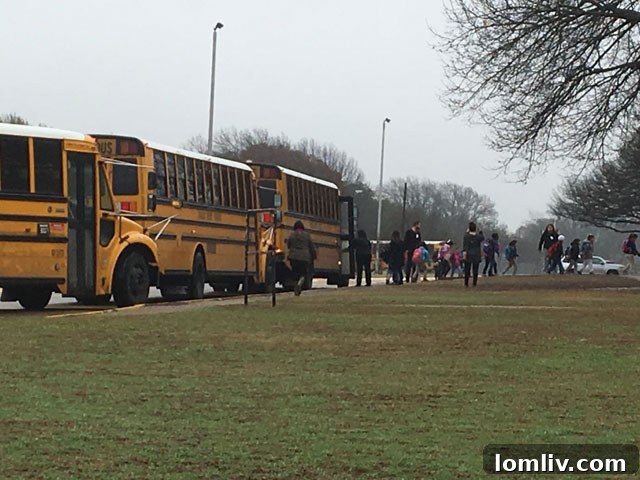
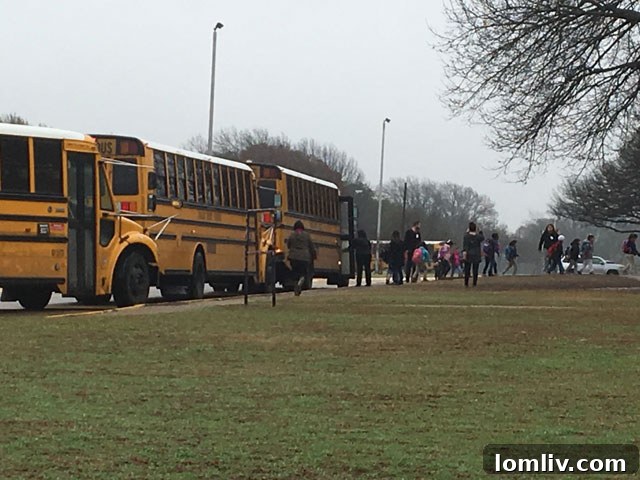
In a testament to pre-established emergency operation plans, Dallas Independent School District (DISD) officials, in conjunction with Dallas Fire-Rescue, initiated a seamless evacuation of over 700 students and staff from Foster Elementary. The priority was the immediate safety and well-being of the children. Through coordinated efforts, Pre-Kindergarten through 2nd-grade students were safely transported to Cary Middle School, while students in Grades 3-5 were directed to Thomas Jefferson High School. This logistical undertaking required careful planning and execution, providing reassurance to anxious parents and ensuring the children were in secure environments away from the unfolding crisis. The image depicting Foster Elementary students arriving at Cary Middle School captures a moment of organized relief amidst the surrounding chaos.
Official Response and Community Updates
In the wake of such a significant event, transparent and timely communication from authorities was paramount. Dallas Council members Omar Narvaez and Adam Medrano, alongside Dallas ISD trustee Miguel Solis, issued a joint statement to keep their constituents informed. Their message conveyed the mandatory evacuation of Foster Elementary and confirmed the tragic fatality of a young girl, though they clarified that her student status at Foster Elementary was not immediately known. This official communication helped to manage public concern and provided crucial details during a rapidly evolving situation.
Throughout the day, Dallas Fire-Rescue and Dallas ISD Media actively used social media platforms to disseminate updates, evacuation routes, and transportation details for students, ensuring that parents and the broader community had access to the most current information. These updates were vital in coordinating family reunions and keeping the public informed about the safety measures being implemented across the affected area.
The Unfolding Investigation: Preceding Incidents and Gas Line Concerns
The immediate focus of the investigation fell upon Atmos Energy, the natural gas provider, and Dallas Fire-Rescue. Officials from both entities commenced a meticulous examination of the gas lines in the 3500 block of Espanola Drive to determine the exact cause of the explosion. The complexity of such investigations often involves forensic analysis of the blast site, examination of gas infrastructure, and interviews with residents and utility workers.
What compounded the community’s concern, and became a critical aspect of the investigation, were reports of two other alarming gas-related incidents in the very same Love Field-adjacent neighborhood prior to the fatal explosion. One family reported a startling incident where the flame on their gas stove flared up unexpectedly, indicating a potential issue with gas pressure or leakage. In another separate, more severe event, a gas heater exploded, resulting in the hospitalization of an individual. These preceding incidents, occurring within a short timeframe and proximity, suggested a systemic problem potentially linked to aging or faulty natural gas infrastructure within the area. Investigators were tasked with determining whether these incidents were isolated or symptomatic of a broader issue that culminated in the deadly explosion.
The investigation into the gas line explosion is not merely about assigning blame but, more importantly, about identifying systemic failures, improving safety protocols, and preventing future tragedies. It involves reviewing maintenance records, assessing the integrity of the gas distribution network, and ensuring compliance with all safety regulations. The findings of this detailed inquiry will be crucial for both Atmos Energy and regulatory bodies to implement necessary changes and restore confidence in the safety of natural gas utilities across Dallas.
Community Impact and Natural Gas Safety
The Dallas gas explosion had profound and lasting impacts on the Love Field neighborhood. Beyond the immediate physical damage and tragic loss of life, the incident instilled fear and uncertainty among residents. Questions about the safety of their homes and the reliability of their utility services emerged as primary concerns. The community rallied together, offering support to affected families and demonstrating resilience in the face of adversity.
This tragic event served as a stark reminder of the critical importance of natural gas safety. Residents are continually urged to be vigilant about potential gas leaks, characterized by a distinctive rotten egg smell, hissing sounds near gas lines, or dying vegetation over pipelines. Immediate action, such as evacuating the premises and contacting the gas company and emergency services from a safe distance, is crucial in preventing catastrophic outcomes. Utility companies, in turn, bear the immense responsibility of maintaining robust infrastructure, conducting regular inspections, and promptly addressing any reported concerns to safeguard public safety.
Moving Forward: Lessons Learned and Renewed Vigilance
The Dallas gas explosion of February 2018 remains a somber chapter in the city’s history, highlighting the delicate balance between urban development and infrastructure reliability. While the immediate aftermath was characterized by tragedy and emergency response, the subsequent period has been one of introspection and a renewed commitment to safety. The ongoing investigation and its eventual conclusions are expected to inform best practices for natural gas distribution and emergency preparedness, not just for Dallas but for communities nationwide.
The bravery of the first responders, the efficiency of the school evacuation teams, and the resilience of the Dallas community in supporting those affected are testaments to collective strength. As the Love Field neighborhood continues to heal and rebuild, the lessons learned from this devastating day underscore the perpetual need for vigilance, robust safety measures, and transparent communication regarding critical utility infrastructure to prevent such tragedies from recurring.