From the comical blunders of well-intentioned do-it-yourselfers to genuinely disturbing hygiene hazards, and from surprisingly dangerous situations to the simply baffling, professional home inspectors witness an extraordinary array of conditions. At Upon Closer Inspection, our weekly series is dedicated to sharing these compelling insights with you, offering a peek behind the curtain of real estate and property maintenance.
Every week, our team encounters sights that challenge common sense and provoke a collective “What were they thinking?” This installment brings together a collection of photographs and videos that left even our seasoned inspectors scratching their heads, highlighting crucial lessons about property upkeep, safety, and the often-unforeseen complexities of home systems.
Septic Shock: The Unbelievable “Cleanout” Catastrophe
In the sprawling suburbs and picturesque rural landscapes, where municipal sewer lines are absent, residential properties often rely on a septic system for waste management. Unlike urban homes that channel waste through sewer mains to a centralized treatment plant, a septic system processes solid and liquid waste on-site. This intricate system diverts household waste into an underground septic tank for initial treatment, where solids settle and liquids partially decompose, before flowing into a drain field for further absorption into the soil.
Proper septic system maintenance is not merely a suggestion; it’s a critical requirement for health, environmental safety, and the longevity of the system itself. This typically involves having the septic tank professionally pumped every two to five years, a frequency that varies based on the tank’s size, household occupancy, and water usage habits. Neglecting this vital maintenance can lead to catastrophic failures, including overflows, drain field contamination, and costly repairs.
The Perilous Implications of DIY Septic “Maintenance”
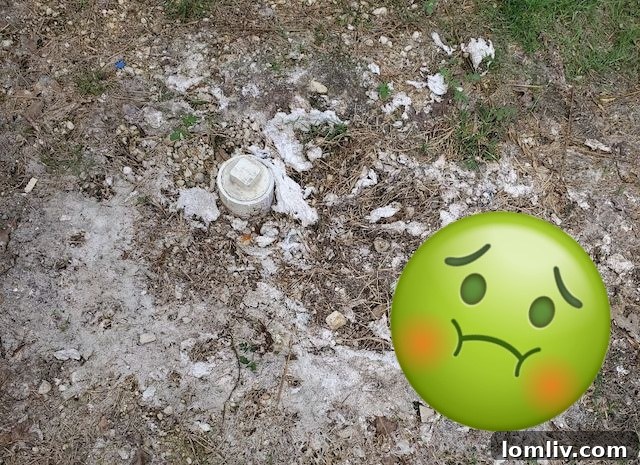
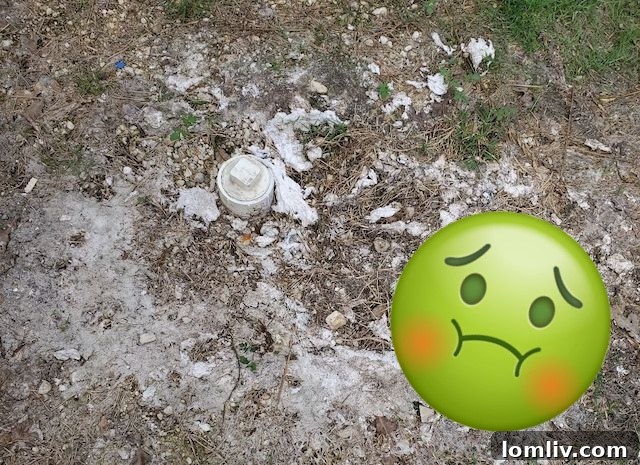
The image above depicts a situation that profoundly illustrates the dangers of improper septic care. Our inspector, Derek, recounted a particularly disturbing incident: “The agent informed me that they had hired a service to pump out the septic tanks. However, upon closer examination, it appeared they had simply opened the cleanout port and allowed the raw sewage to flow freely across the property.”
This discovery is not only a gross sanitation failure but also poses serious health and environmental risks. Untreated sewage contains harmful bacteria, viruses, and parasites that can contaminate soil, groundwater, and surface water, posing a direct threat to human health and local ecosystems. A septic system’s cleanout port is designed for professional access to clear blockages or pump the tank, not as an unregulated discharge point. Such actions are illegal in many jurisdictions and can result in significant fines, property devaluation, and the potential for a condemned property.
Recognizing Septic System Red Flags
Homeowners with septic systems should be vigilant for signs of distress. Early detection can prevent minor issues from escalating into major, expensive problems. Key indicators of a failing septic system include:
- Unpleasant Odors: Persistent foul smells, similar to sewage, around the septic tank or drain field.
- Slow Drains or Backups: Toilets that flush slowly, sinks that drain sluggishly, or sewage backups in plumbing fixtures.
- Lush Green Grass: Abnormally green, dense grass growth over the drain field, even during dry periods, indicating excess nutrient release from effluent.
- Pooling Water: Puddles or standing water in the drain field area, especially after heavy rain, suggesting a saturated and failing system.
- Gurgling Sounds: Gurgling in plumbing when water is drained, which can indicate air trapped in the system due to blockages or drainage issues.
Should any of these signs appear, it is imperative to contact a qualified septic professional immediately. Attempting to address septic system failures without proper expertise and equipment can worsen the problem, endanger occupants, and incur even greater financial burdens in the long run. Professional septic inspections are a non-negotiable part of property maintenance, ensuring the system operates safely and efficiently for years to come.
The Ticking Time Bomb: A Water Heater’s Hidden Danger
Among the most critical safety devices in any home, particularly concerning water heaters, is the Temperature-Pressure Relief (TPR) valve. This unassuming component, typically a small valve located near the top of the water heater tank, plays an absolutely vital role in preventing catastrophic accidents. Its primary function is to automatically discharge water if either the temperature or the pressure inside the water heater exceeds safe limits. This mechanism is designed to avert a scenario where the tank could otherwise rupture or, in extreme cases, explode.
The Crucial Role of the Temperature-Pressure Relief (TPR) Valve
A water heater operates by heating water under pressure. If the heating element malfunctions and continuously heats the water without regulation, or if the water supply pressure becomes excessively high, the internal pressure within the tank can rapidly build to dangerous levels. Without a functional TPR valve to release this excess pressure and heat, the water heater essentially transforms into a pressurized vessel with no outlet. The consequences of such an uncontrolled pressure buildup are dire: the tank could violently rupture, projecting superheated water and shrapnel with explosive force, causing severe property damage, serious injuries, or even fatalities.
When Safety Features Are Compromised: The Explosion Risk
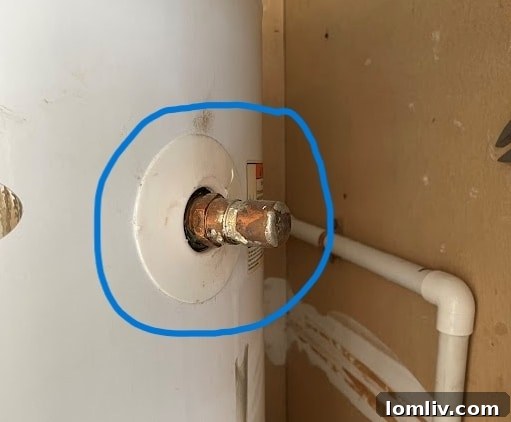
The image above starkly illustrates a breathtakingly negligent and hazardous modification. Here, the TPR valve on a water heater has been inexplicably welded shut. This barbaric act completely disables the valve’s essential safety function, trapping all potential pressure and heat within the tank. The danger here cannot be overstated: by sealing off the pressure release mechanism, the water heater is effectively turned into a potential bomb, waiting for the conditions that would cause it to detonate.
The concept of an exploding water heater might seem like something out of a disaster movie, but it is a very real threat. The popular science television show, Mythbusters, famously demonstrated the destructive power of an uncontrolled water heater in a compelling episode. They conclusively showed that when a water heater’s safety mechanisms are bypassed, the resulting explosion can propel the tank through multiple stories of a structure, unleashing immense destructive force. This vivid demonstration serves as a stark warning against any tampering with safety features.
Ensuring Water Heater Safety: What Every Homeowner Needs to Know
Maintaining a safe and functional water heater requires vigilance and adherence to professional standards. Here are essential tips for homeowners:
- Never Tamper with the TPR Valve: Under no circumstances should the TPR valve be obstructed, sealed, or removed. It is a non-negotiable safety device.
- Regular Inspections: Periodically check the TPR valve’s discharge pipe to ensure it’s clear and unobstructed. It should terminate in a safe location, typically within six inches of the floor or into an indirect waste receptor.
- Annual Professional Servicing: Have a qualified plumber inspect your water heater annually. They can check the TPR valve, flush the tank to remove sediment (which improves efficiency and lifespan), and ensure all components are operating correctly.
- Test the TPR Valve (with Caution): Some experts recommend gently testing the TPR valve annually by lifting the lever to allow a small amount of water to flow out, then letting it snap shut. However, this can sometimes cause older valves to leak afterward, so it’s often best left to a professional during routine maintenance.
- Address Leaks Promptly: Any signs of water leaking from the tank or around the TPR valve should be investigated and repaired by a professional immediately.
The safety of your home and family should never be compromised. If you suspect any issue with your water heater, especially concerning the TPR valve, do not attempt a DIY fix. Call a licensed plumber experienced in water heater repair and installation to ensure your system is safe and compliant with all local codes.
The Plumbing Vent Predicament: A DIY Disaster
Walk onto the roof of almost any home, and you’ll likely spot one or more PVC pipes extending upwards. These are not merely decorative elements; they are crucial components of your home’s plumbing system, known as plumbing vents or vent stacks. Often overlooked, the vent stack plays an indispensable role in maintaining the efficiency and sanitation of your drainage system. Its primary purpose is to allow air pressure to equalize within the plumbing lines, preventing a vacuum from forming when water drains. This ensures that water flows smoothly through your pipes, preventing gurgling sounds, slow drains, and the siphoning of water from P-traps.
Beyond pressure regulation, vent stacks are vital for expelling noxious sewer gases safely outside your home. Without a properly functioning vent, these gases could accumulate within your pipes and potentially seep back into your living spaces, posing health risks and creating unpleasant odors. Therefore, a clear, unobstructed vent stack is fundamental for both effective drainage and indoor air quality.
The Perils of a Blocked or Improperly Repaired Vent Stack
The short video embedded below, courtesy of Green Scene Home Inspections, perfectly captures a “DIY Fail” related to a plumbing vent. The video highlights a common misconception: seeing a hole and assuming it needs to be filled or sealed. In this particular instance, what appears to be an attempt to “fix” a hole in the vent pipe effectively seals it, rendering it useless. The caption humorously asks, “Hmm, a hole…guess I’ll just fill that up,” underscoring the lack of understanding about the vent’s purpose.
Clogging or improperly sealing the vent stack can lead to a cascade of plumbing problems, including:
- Slow and Inefficient Drains: Without proper air pressure, water creates a vacuum, making it difficult for drains to empty effectively.
- Gurgling Noises: Air struggling to move through a restricted vent often results in distinct gurgling sounds from drains and toilets.
- Sewer Gas Odors: If P-traps (the U-shaped pipes under sinks and toilets designed to hold water and block sewer gas) are siphoned dry due to improper venting, foul sewer odors can enter the home.
- Complete Blockages: In severe cases, a completely blocked vent can lead to total plumbing blockages, as wastewater has no path to drain properly.
Identifying and Addressing Vent Stack Issues
Homeowners should be aware of the signs of a compromised vent stack. If you notice any of the issues listed above, it’s wise to consider your plumbing vent as a potential culprit. Common causes of vent blockages include:
- Animal Nests: Birds, squirrels, or other small animals sometimes build nests inside vent pipes.
- Debris: Leaves, branches, and other organic matter can fall into the vent opening over time.
- Ice or Snow: In colder climates, ice can form inside or over the vent opening, creating a blockage.
- Improper Installation or Repair: As seen in the video, amateur attempts to “fix” or seal parts of the vent pipe can inadvertently create a blockage.
Addressing vent stack issues often requires working on the roof, which can be dangerous for homeowners without proper safety equipment and experience. Furthermore, correctly diagnosing and clearing a blockage or repairing a damaged vent requires a professional understanding of plumbing systems. Rather than risking a DIY mishap that could worsen the problem or compromise safety, it is always recommended to consult a licensed plumber. They can safely access the vent, clear any obstructions, and ensure your plumbing system operates as intended, free from the nuisances and hazards of improper venting.
@greenscenehome Plumbing vent DIYFail. Hmm, a hole…guess I’ll just fill that up. #askahomeinspector #homeinspection #realestate #realestatehumor
♬ original sound – Green Scene Home Inspections
Attic Anomalies: The Unanswered Questions
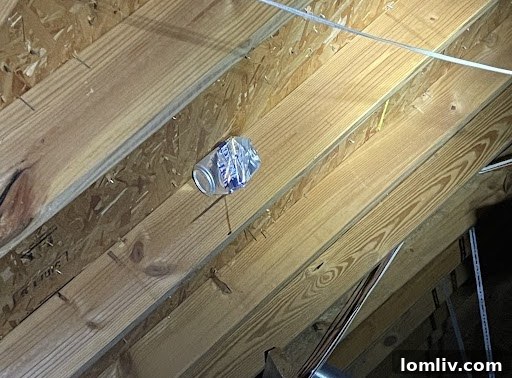
Beyond the critical structural components and essential systems, home inspectors frequently stumble upon objects and scenarios that defy logical explanation. These bizarre discoveries often fall into the category of “So Many Questions,” leaving inspectors, real estate agents, and prospective buyers perplexed. For instance, the image above features an empty can of Keystone Light beer inexplicably attached to the roof sheathing within an attic. This seemingly innocuous find raises a multitude of questions: How did it get there? Why was it left in such a peculiar position? What events transpired to lead to this odd placement?
While an empty beer can might seem like a minor detail, it exemplifies the kind of unusual findings that professional home inspectors routinely uncover. These items, whether a relic from a past homeowner’s project, a forgotten snack from a contractor, or something else entirely, often tell an untold story about the history and treatment of the property. Such anomalies, even if not directly indicative of a defect, underscore the importance of thorough and meticulous inspections.
Beyond the Obvious: What Strange Finds Can Reveal
While an empty beer can itself isn’t a hazard, the presence of such an item in an unexpected location can sometimes be a subtle clue. It might indicate:
- Amateur Work or Neglect: The can could be a remnant of a poorly supervised or amateur repair job, where workers left debris behind. This could prompt a closer look at the quality of any attic-related repairs.
- Access Issues: If it’s difficult to reach, it might suggest that certain areas of the attic are not easily accessible for maintenance or future inspections.
- Pest Activity: Sometimes strange items are dragged into attics by pests, though this specific scenario is less likely. However, any unusual items warrant checking for signs of unwanted visitors.
- Human Element: It’s a reminder that homes have stories and people behind them. Sometimes the strangest finds are just moments of human eccentricity or forgetfulness.
The core message here isn’t about the beer can itself, but rather the importance of having an experienced eye investigate every corner of a home. Inspectors aren’t just looking for major structural faults; they’re also looking for anomalies that might hint at a property’s hidden history or potential minor issues that could become larger problems if ignored.
The Critical Role of Comprehensive Attic Inspections
The attic is a crucial but often neglected area of a home. A professional attic inspection goes far beyond spotting peculiar artifacts. Inspectors meticulously examine:
- Insulation: Checking for adequate R-value, proper installation, moisture, and pest damage.
- Ventilation: Ensuring proper airflow to prevent moisture buildup, mold growth, and excessive heat, which can impact roof longevity and energy efficiency.
- Roof Structure: Inspecting rafters, trusses, and sheathing for signs of leaks, damage, or structural integrity issues.
- Wiring: Identifying exposed, frayed, or improperly installed electrical wiring that could pose a fire hazard.
- Pest Infestation: Looking for evidence of rodents, insects, or other pests that can cause damage and carry diseases.
- Ductwork: Checking for leaks or disconnections in HVAC ducts that lead to energy loss.
Every finding, from a sagging beam to a stray beer can, contributes to the overall narrative of a home’s condition. A thorough inspection, executed by a qualified professional, provides invaluable insights, allowing buyers to make informed decisions and empowering homeowners to prioritize essential maintenance and repairs, ensuring safety, efficiency, and peace of mind.
The Unseen Value of Professional Home Inspections
The tales from our inspectors—ranging from potentially explosive water heaters to makeshift septic “solutions” and blocked plumbing vents—underscore a vital truth: a home is a complex network of interconnected systems, each requiring proper installation, maintenance, and respectful use. While DIY projects can be rewarding, attempting to fix critical systems without adequate knowledge or professional tools can transform minor issues into serious hazards, endangering occupants and incurring exorbitant repair costs.
This collection of “What Were They Thinking?” moments serves as a powerful testament to the indispensable role of professional home inspections. A comprehensive inspection conducted by a certified expert provides far more than a simple checklist; it offers a deep dive into the property’s health, revealing hidden dangers, identifying potential financial liabilities, and offering a clear roadmap for necessary upkeep. For both prospective buyers and current homeowners, investing in a professional inspection is not merely a formality; it’s an investment in safety, peace of mind, and the long-term value of the property. It is the ultimate safeguard against the unforeseen, ensuring that you are fully aware of the true condition of your most significant asset.