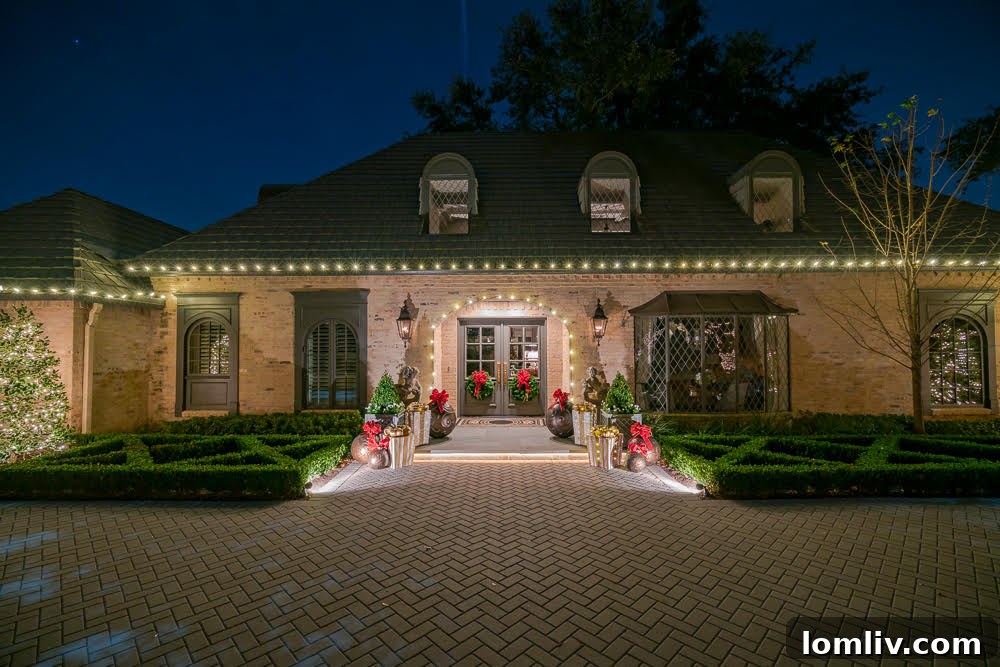
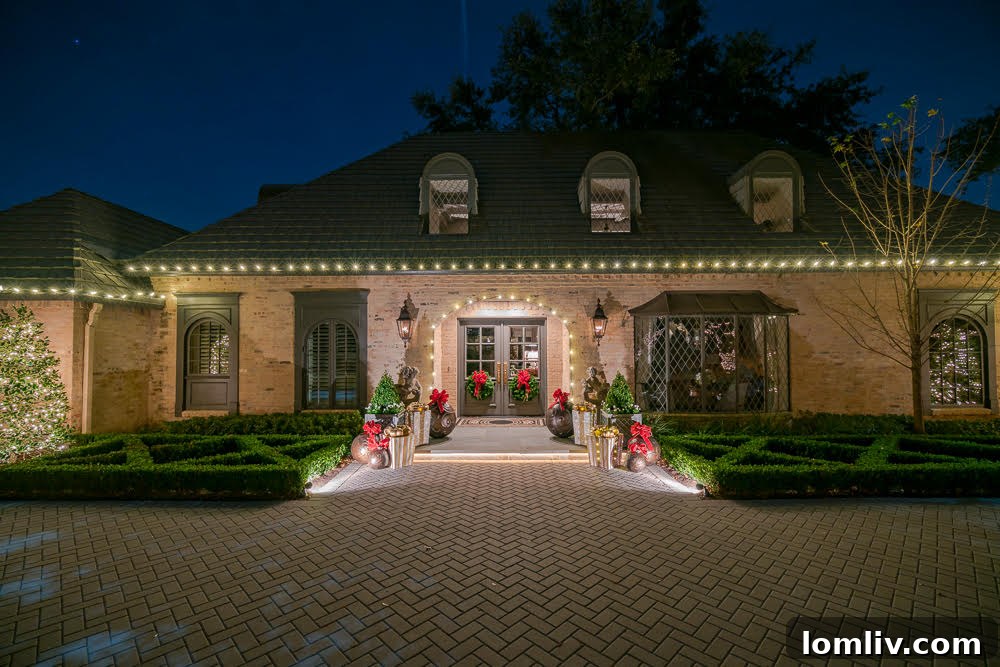
As the chill of winter approaches and holiday preparations begin, homeowners often turn their attention indoors. However, safeguarding your outdoor living spaces and ensuring the longevity of your landscape design are equally crucial tasks. The transition from lush summer greenery to the dormant beauty of winter requires thoughtful planning and execution, especially when freezing temperatures are on the horizon. Protecting the investment you’ve made in your garden, from delicate tropical plants to sophisticated irrigation systems and tranquil water features, is paramount.
Luckily, navigating the complexities of winter landscape preparation becomes much simpler with expert guidance. We’ve had the privilege of consulting with one of the most respected authorities in the field, Harold Leidner, founder of Harold Leidner Landscape Architects. With decades of experience in creating breathtaking and resilient outdoor environments, Harold Leidner offers invaluable insights into effective winterization strategies. From identifying specific plants that demand extra attention to preparing elaborate pool systems and ensuring your trees and shrubs withstand the coldest months, his advice is a beacon for homeowners.
In this comprehensive guide, Harold Leidner shares his top recommendations for enduring winter conditions, particularly for regions like North Texas, which experience both mild periods and occasional severe freezes. He addresses critical questions such as:
- What landscape elements are most vulnerable to freezing weather and require special care?
- How should large pools and decorative water features be properly winterized?
- What immediate actions should homeowners take when a freeze warning is issued?
- Which plants are ideally suited for creating a vibrant winter landscape?
Harold Leidner provides the definitive answers:
Essential Winter Landscape Preparation: Protecting Your Outdoor Investment
Daltxrealestate.com: North Texas often experiences relatively mild winters compared to many other parts of the United States. However, we do encounter hard freezes that can pose a significant threat to our carefully cultivated landscapes. From your extensive experience, what specific plants or landscape features require special consideration when freezing weather is in the forecast?
Harold Leidner: Indeed, while our winters are generally more forgiving, those hard freezes can be quite damaging. Several elements in a typical North Texas landscape demand specific preparation. Tropical plants, potted plants, fountains, and sophisticated irrigation systems all necessitate some form of winter protection to ensure their survival and functionality.
Safeguarding Vulnerable Plants: Tropicals and Potted Varieties
Tropical plants, by their very nature, are not designed to withstand freezing temperatures. Exposure to prolonged cold can lead to irreversible damage, costing homeowners time and money to replace them in the spring. While covering these delicate materials with freeze cloth for the entire winter might not be the most aesthetically pleasing solution, it is undoubtedly the most effective way to protect your investment. These specialized cloths allow plants to breathe while providing a crucial barrier against frost and icy winds. It’s a small inconvenience for the assurance of seeing them thrive again once warmer weather returns.
Potted plants, regardless of their inherent cold hardiness, present a unique challenge. Because their root systems are above ground and confined, they are far more susceptible to freezing than plants rooted directly in the surrounding soil. The soil in pots cools down and freezes much faster, offering less insulation. For this reason, all potted plants should be closely monitored. When temperatures are expected to drop significantly, consider moving smaller pots indoors or into a sheltered area such as a garage, covered patio, or greenhouse. For larger, immovable containers, wrapping the pots themselves with burlap or bubble wrap and then covering the plant material can provide additional insulation.
Winterizing Water Features: Fountains and Decorative Elements
Fountains and other decorative water features are beautiful additions to any landscape but require meticulous attention during winter. The ever-popular “bubbling urn” style fountains, along with more elaborate multi-tiered designs, are particularly vulnerable. The fundamental rule here is simple: they should be completely drained for the winter season. The reason is a basic principle of physics: when water freezes, it expands. This expansion exerts tremendous pressure on the materials of the fountain, whether it’s concrete, stone, ceramic, or fiberglass, inevitably leading to cracks, structural damage, or even complete destruction. Turning off the water supply, draining all basins and internal components, and disconnecting pumps are essential steps. Once drained, it’s also advisable to cover the fountain to prevent rain and melting snow from refilling it and freezing again.
Maintaining Irrigation Systems: A Critical Check
Your irrigation system, while often out of sight, is a complex network of pipes, valves, and sprinkler heads that are highly susceptible to freeze damage. Continuing to have your irrigation system checked regularly by a professional is crucial, even in winter, to ensure everything remains in proper working order. A particularly indispensable component for North Texas landscapes is a reliable rain/freeze sensor. This device automatically shuts off your irrigation system when temperatures drop to freezing or when sufficient rainfall has occurred, preventing unnecessary watering that can lead to hazardous icy conditions and pipe bursts.
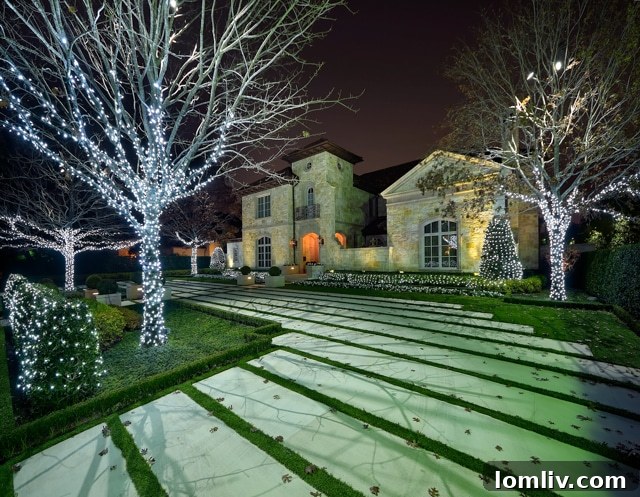
Preparing Grand Water Features: Pools and Large Estates
CD: Many prestigious estates in Dallas boast magnificent pools and elaborate water features that are central to their landscape design. What specific steps should homeowners take to prepare or winterize these large aquatic systems once the swimming season concludes?
HL: For substantial pools and larger water features, the approach differs slightly from smaller fountains. Typically, the pool equipment, including pumps, filters, and heaters, will continue to run through the winter. This continuous circulation is a key defense against freezing. Running water takes significantly longer to freeze than stagnant water, and the constant movement prevents ice from forming and expanding within the plumbing and equipment. Many modern pool systems also have built-in freeze protection that automatically activates pumps when temperatures drop. However, the same rule about draining applies to any *standalone* decorative fountains that are part of a larger pool landscape – turn them off and ensure they are completely drained and kept off to prevent cracking.
Beyond continuous circulation, other winterization steps for large pools include maintaining proper chemical balance to prevent algae growth and staining, and ensuring pool covers are securely in place if used. While some homeowners opt for a full “winterizing” process that involves lowering water levels and adding specific chemicals, in regions with milder winters like North Texas where occasional warm spells can occur, continuous operation is often preferred and more practical for maintaining water quality and preventing issues.
Immediate Actions During a Freeze Warning: Your First Line of Defense
CD: When an imminent freeze warning is issued, signaling dangerously low temperatures, what is the single most important action homeowners should take to protect their significant investment in their landscape?
HL: Without a doubt, the most crucial immediate action is to ensure your soil has adequate moisture. This might seem counterintuitive when preparing for a freeze, but it’s incredibly effective. Dry soil combined with new plantings is a recipe for disaster in freezing conditions. Moist soil holds heat much better than dry soil. When the soil around plant roots is moist, it acts as an insulator, releasing latent heat as it cools and freezing much more slowly, thereby protecting the delicate root systems from cold damage. Think of it like a warm blanket for your plants’ underground anchors.
If the season has been abnormally dry, running your irrigation system on nice, milder days leading up to a freeze is highly recommended. Typically, irrigating once or twice a week will suffice to keep the soil adequately moist. However, it’s essential to use common sense; for instance, with the abundant rainfall many areas have recently experienced, my personal irrigation system has been off for over a month. Overwatering can lead to other issues. If you are ever unsure about the soil moisture levels or the necessity of watering, that’s precisely where a reliable rain/freeze sensor proves invaluable, as it automatically manages irrigation based on environmental conditions, preventing both underwatering before a freeze and wasteful, dangerous watering during freezing temperatures.
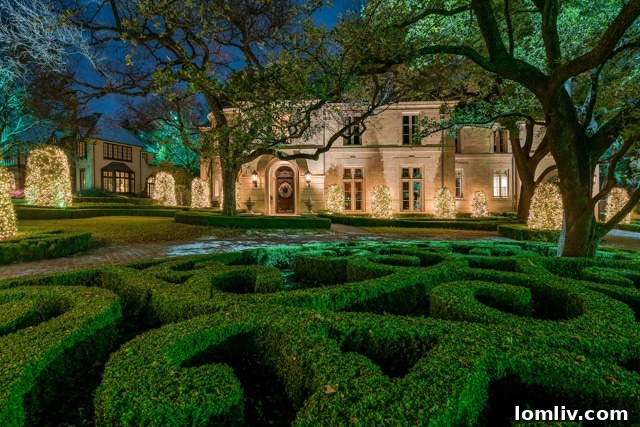
Designing for Winter Beauty: Plants Well-Suited for the Season
CD: Beyond protection, many homeowners wish to maintain visual appeal in their landscape throughout the winter months. When planning your winter landscape, what are some specific plants that are especially well-suited for the season, offering enduring beauty and hardiness?
HL: For year-round appeal and exceptional hardiness, nothing quite beats the Boxwood (Buxus). It is an incredibly versatile and robust evergreen shrub that lends itself beautifully to both classic, formal designs and sleek, modern landscapes. Its dense foliage and ability to be pruned into various shapes make it a foundational element for structure and green interest even when other plants have shed their leaves. Boxwoods provide consistent texture and color, serving as an excellent backdrop or a focal point in winter gardens.
Beyond Boxwood, there are several other fantastic choices for winter interest. Consider other evergreens like Holly (Ilex species) with their vibrant berries, Junipers for their varied forms and textures, or certain varieties of Mahonia for their architectural leaves and fragrant winter blooms. Cold-hardy camellias can provide stunning flowers in late winter. Incorporating plants with interesting bark, such as River Birch or Japanese Maple, can also add visual appeal once leaves have fallen. Ornamental grasses often retain their dried seed heads and golden hues, swaying gracefully in the winter wind, adding movement and sound to the dormant landscape. A well-designed winter landscape should not only be resilient but also offer subtle beauty and structure that can be appreciated even in the absence of vibrant blooms.
Comprehensive Winter Landscape Maintenance: Additional Tips for Homeowners
Beyond the critical points discussed, a holistic approach to winter landscape maintenance involves a few other considerations to ensure your garden emerges vibrant and healthy in spring. Pruning deciduous trees and shrubs during their dormant state can be beneficial, promoting healthier growth and improved structure. This is often the best time to remove dead or diseased branches without stressing the plant. However, be cautious with spring-flowering shrubs, as pruning too early can remove next season’s flower buds.
Applying a layer of mulch around the base of trees and shrubs is another simple yet highly effective strategy. Mulch acts as an insulating blanket, helping to regulate soil temperature, retain moisture, and suppress weeds. It protects roots from extreme temperature fluctuations and helps prevent frost heave, where freezing and thawing cycles can push plants out of the ground. Choose organic mulches like wood chips, pine straw, or shredded leaves, which will also enrich the soil as they decompose.
Finally, as the holiday season approaches and plans for outdoor lighting and decorations begin, remember to be mindful of your landscape. Ensure that any installations do not inadvertently damage plants, compact soil, or interfere with necessary winter protection measures. Planning your festive displays around your winterized landscape will ensure both holiday cheer and garden health.
Conclusion: Embrace a Resilient Winter Landscape with Expert Planning
Preparing your landscape for winter is more than just a chore; it’s an essential act of preservation that ensures the beauty and health of your outdoor spaces for years to come. As Harold Leidner, a true visionary in landscape design, has emphasized, proactive measures make all the difference. From diligently protecting delicate tropicals and potted plants, to meticulously draining fountains, maintaining irrigation systems, and ensuring proper pool function, each step plays a vital role in safeguarding your investment.
The foresight to ensure moist soil before a freeze, and the wisdom to select plants like the enduring Boxwood that thrive in colder months, transform your winter garden from a dormant canvas into a scene of subtle beauty and structural integrity. By following these expert recommendations, homeowners in North Texas and beyond can face freezing weather with confidence, knowing their landscapes are not just prepared, but poised to rebound with renewed vigor when spring eventually arrives. Embrace these tips from Harold Leidner Landscape Architects, and enjoy a resilient, beautiful outdoor environment throughout every season.