
Maintaining a comfortable and healthy home environment hinges significantly on the efficient operation of your heating, ventilation, and air conditioning (HVAC) system. An HVAC system is a complex network of components working in unison to regulate indoor temperature and air quality. To ensure it functions optimally, year-round, regular maintenance is not just a recommendation but a necessity. The critical question many homeowners face is: can they handle HVAC maintenance tasks themselves, or should these be exclusively delegated to seasoned professionals?
While some essential HVAC home maintenance can certainly be performed by diligent homeowners, experts, such as those providing Augusta HVAC services, emphasize that certain crucial tasks demand professional expertise and specialized tools. Understanding the distinction between DIY maintenance and professional service is key to extending your system’s lifespan, improving energy efficiency, and ensuring consistent home comfort. This comprehensive guide outlines the maintenance tasks homeowners can confidently tackle and those that are best left to certified technicians.
Empowering Homeowners: Essential DIY HVAC Maintenance Tasks
Taking a proactive approach to your HVAC system’s upkeep can yield substantial benefits, including reduced energy bills, enhanced performance, and fewer costly breakdowns. Several straightforward DIY maintenance tasks can be easily incorporated into your routine to keep your system operating at peak efficiency. Consider the following crucial steps to safeguard your investment and maximize your home’s comfort:
Regular Air Filter Replacement: A Cornerstone of HVAC Health
Of all the DIY HVAC maintenance tasks, changing air filters regularly is perhaps the most fundamental and impactful. It’s a simple yet critical step that directly affects your system’s efficiency, the quality of your indoor air, and the longevity of your unit. Homeowners should familiarize themselves with this process immediately upon moving into a new home or acquiring an HVAC system.
The frequency of air filter replacement depends on several variables. General recommendations suggest replacement every one to three months. However, specific household factors can necessitate more frequent changes. For instance, homes with pets, residents with allergies or respiratory conditions, and properties located in dusty or high-pollen environments may require monthly replacements. Furthermore, the type of air filter you use plays a significant role; higher-efficiency pleated filters (with MERV ratings of 8-12) can trap more particles but may also need more frequent checks due to faster accumulation of dirt. Some advanced or more expensive filters are designed to last up to six months, but it’s always wise to consult with an HVAC professional to determine the ideal filter type and replacement schedule tailored to your specific needs and system requirements. Always adhere to the manufacturer’s recommendations for your chosen filter.
Ignoring dirty filters can lead to a cascade of problems: reduced airflow forces your HVAC unit to work harder, consuming more energy and leading to higher utility bills. It also compromises indoor air quality by allowing dust, allergens, and pollutants to recirculate. Over time, a heavily clogged filter can cause your system to overheat or even freeze up, potentially resulting in expensive repairs. If you notice an unusually rapid accumulation of dirt on your filters, or if your system seems to be struggling, it’s a clear signal to change the filter and consult a professional to identify any underlying issues or consider an HVAC system or filter upgrade.
Cleaning the Outdoor Condenser Unit: Protecting Your System’s Heart
The outdoor condenser unit is a vital component of your air conditioning system, responsible for releasing heat from your home. Over time, this unit is exposed to the elements and can accumulate a significant amount of debris, including leaves, grass clippings, dirt, twigs, and even pet hair. Such accumulation can obstruct airflow, hinder the unit’s ability to dissipate heat, and severely reduce its efficiency. Regularly cleaning the condenser unit is a straightforward DIY task that directly supports your system’s efficiency and cooling capacity.
While annual cleaning is generally recommended, areas prone to heavy foliage, dust, or landscaping activities might require more frequent attention. Before starting, always ensure the power to the unit is completely turned off at the disconnect box to prevent accidental activation. Carefully remove any visible debris by hand, then use a garden hose to gently spray the fins from the inside out to dislodge stubborn dirt. Avoid using a pressure washer, as it can easily damage the delicate fins. Ensuring a clear, unobstructed perimeter around the unit (typically two feet in all directions) is also crucial for optimal airflow.
Neglecting this task forces your condenser to work harder to achieve desired temperatures, leading to increased energy consumption, higher utility bills, and accelerated wear and tear on critical components. A clean condenser unit translates to more efficient cooling, lower energy costs, and a longer operational lifespan for your HVAC system.
Optimizing Thermostat Settings: The Brain of Your Climate Control
Your thermostat serves as the central command unit for your HVAC system, dictating its operational schedule and temperature preferences. Regularly checking and adjusting your thermostat settings is a simple yet powerful way to ensure your HVAC system operates as efficiently as possible, aligning with your lifestyle and energy-saving goals. A well-programmed thermostat can significantly reduce energy waste and maintain consistent home comfort.
While most traditional thermostats have a lifespan of about ten years, their accuracy and responsiveness can be maintained with proper care. Regularly cleaning the surface of your thermostat, perhaps once a week, helps prevent dust and grime from affecting its sensors. For traditional models, consider carefully cleaning the interior components, such as electrical contacts, every six months, though this step requires more caution and may be better suited for an experienced homeowner or professional. If your thermostat uses batteries, remember to replace them annually.
For those seeking enhanced efficiency and convenience, upgrading to a programmable or smart thermostat is highly recommended. Programmable thermostats allow you to set specific temperature schedules for different times of the day and week, automatically adjusting to your presence or absence. Smart thermostats take this a step further, offering features like remote control via smartphone apps, learning capabilities that adapt to your preferences, and integration with smart home ecosystems. These advanced thermostats can yield substantial energy savings by preventing the system from running unnecessarily and maintaining optimal comfort levels with minimal manual intervention.
Visual Ductwork Inspection: Spotting Hidden Inefficiencies
The ductwork system in your home is responsible for distributing conditioned air from your HVAC unit to various rooms and returning stale air for processing. While a thorough internal inspection and cleaning of ducts are best handled by professionals, homeowners can perform regular visual inspections to identify obvious issues. From time to time, visually check exposed ductwork in basements, attics, and utility closets for any visible signs of leaks, disconnections, or obvious blockages.
Look for gaps at seams or connections, sagging sections, or areas where insulation might be damaged or missing. Even small leaks in ductwork can lead to significant energy loss, as conditioned air escapes into unconditioned spaces, making your HVAC system work harder to maintain the desired temperature. Signs of excessive dust around vents or uneven heating/cooling across rooms can also indicate ductwork problems. While fixing complex duct issues like sealing extensive leaks or re-routing is a job for a professional, identifying these problems early allows for timely intervention. Professional duct cleaning is generally recommended every three to five years, especially if there are signs of mold, pest infestations, or excessive dust accumulation, to ensure optimal indoor air quality and system efficiency.
Clearing Drain Lines: Preventing Water Damage and Mold
The condensate drain line is a crucial component of your air conditioning system, responsible for removing humidity (condensate) that accumulates during the cooling process. If this line becomes clogged with algae, mold, or debris, the water can back up, leading to potential water damage, mold growth, and even system shutdown as safety switches are triggered. Clearing the drain line is another important DIY maintenance task that can prevent significant problems.
It’s advisable to clear the drain lines every one to three months, aligning with the air filter replacement schedule. However, certain environmental and household factors can necessitate more frequent attention. Older homes, residences with pets that introduce more dander, or living in areas with high humidity levels (which increase condensate production) might require monthly drain line clearing for best results. Neglecting this task creates an environment ripe for mold and mildew growth, not only within your HVAC system but potentially spreading into your home, posing risks to your health and the HVAC system itself.
The process is relatively simple: locate the condensate drain line (usually a PVC pipe near your indoor unit) and pour a mixture of distilled vinegar and water (typically 1 part vinegar to 1 part water, or a cup of vinegar followed by a cup of water) down the access port. This mild acidic solution helps kill algae and flush out minor clogs. Repeat this process regularly to prevent buildup and ensure free drainage, safeguarding your home from potential water damage and maintaining a healthy indoor environment.
Professional Expertise: Tasks Best Left to HVAC Technicians
While homeowners can perform several basic maintenance tasks, there are critical aspects of HVAC system upkeep that demand the specialized knowledge, tools, and experience of a certified professional. Attempting these tasks without proper training can lead to severe damage to your system, void warranties, and, more importantly, pose significant safety risks. Recognizing when to call a professional is a hallmark of responsible homeownership and a key factor in ensuring the long-term health and efficiency of your HVAC system. Here are some of the tasks that should always be entrusted to HVAC professionals:
Refrigerant Checks and Recharge: A Specialized and Hazardous Task
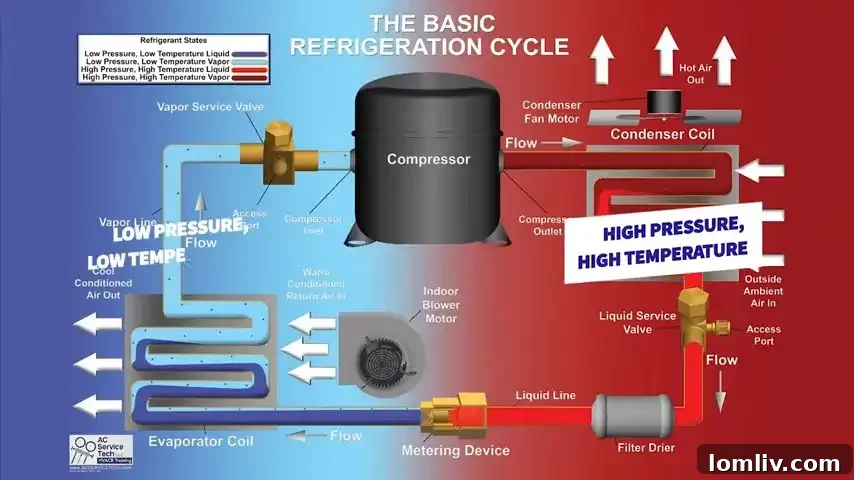
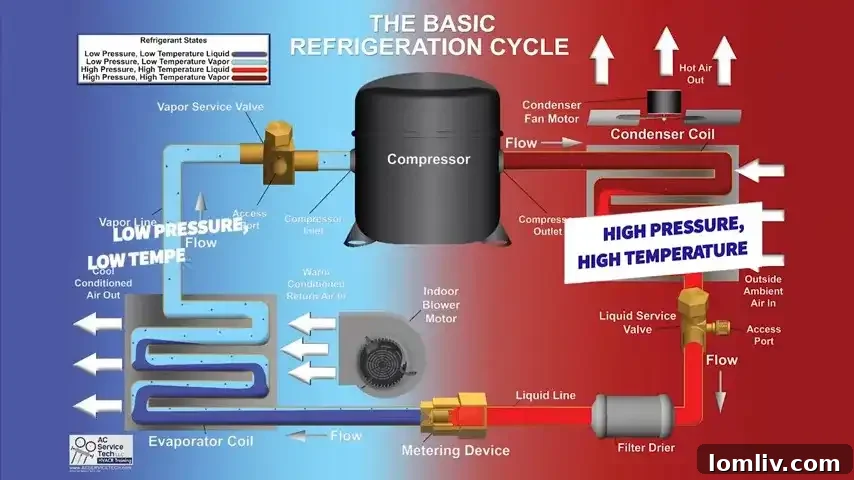
The refrigerant, also known as coolant, is the lifeblood of your air conditioning system, responsible for absorbing heat from your home and releasing it outside. Checking and refilling refrigerant levels is a highly specialized task that should exclusively be performed by trained HVAC technicians. Handling refrigerants requires not only specific knowledge and diagnostic tools but also professional certification due to the environmental impact and potential health hazards associated with these chemicals.
Refrigerant levels should typically be checked as part of a biennial (every two years) professional inspection. However, for older units, or if you suspect an issue, an annual check can be beneficial. A low refrigerant level is almost always indicative of a leak in the system, not simply a need for a “recharge.” A professional technician can accurately diagnose the cause of low refrigerant, repair any leaks, and properly recharge the system to the manufacturer’s specifications. Simply adding refrigerant without addressing the leak is a temporary fix that can lead to continued inefficiency and further damage.
Signs that your system may have low refrigerant levels include: your AC blowing warm air, ice forming on the evaporator coil (indoor unit), a hissing or bubbling sound emanating from the unit (indicating a leak), or significantly higher electricity bills without a change in usage. If you observe any of these symptoms, call a professional immediately, even if your annual maintenance is not yet due. Ignoring refrigerant leaks not only impairs your system’s cooling capacity and increases energy consumption but also releases harmful chemicals into the environment, making professional intervention crucial for both performance and ecological responsibility.
Electrical Component Inspection and Repair: Safety First
HVAC systems incorporate numerous electrical components, including wiring, capacitors, contactors, and motors, all of which are essential for proper operation. However, dealing with these electrical elements presents significant risks of electric shock, fire, or severe damage to the system if not handled correctly. Therefore, the inspection, diagnosis, and repair of any electrical components should always be performed by a qualified HVAC technician.
Professionals are trained to safely work with high-voltage electricity, understand complex wiring diagrams, and ensure that all repairs comply with local electrical codes and safety standards. Attempting to tamper with electrical components without proper training and safety equipment is extremely dangerous and can lead to severe personal injury or property damage. Technicians will thoroughly inspect all electrical connections, wiring, and components for signs of wear, corrosion, or damage during routine maintenance or when an issue is suspected. They will check voltage and current, test capacitors, and ensure all safety switches are functioning correctly.
If you notice flickering lights when your HVAC system turns on, frequently tripped circuit breakers, unusual burning smells, or erratic system behavior, it’s a strong indication of an underlying electrical problem. Do not attempt to investigate these issues yourself. Immediately turn off the power to your HVAC system at the circuit breaker and contact a professional HVAC technician. Prompt professional attention to electrical issues is vital for both the safety of your home and the operational integrity of your heating and cooling system.
Comprehensive System Inspections and Professional Tune-ups: Maximizing Performance and Longevity
While homeowners can diligently perform various monthly or seasonal maintenance tasks, these DIY efforts should complement, not replace, an annual professional HVAC inspection and tune-up. A comprehensive professional tune-up is an invaluable preventative measure that ensures your system runs at its absolute best, year after year.
During a professional inspection, trained technicians perform a thorough evaluation of your entire HVAC system, encompassing both heating and cooling components. This typically includes:
- Checking and calibrating thermostats: Ensuring accuracy and proper communication with the system.
- Inspecting and cleaning coils: Evaporator and condenser coils are cleaned to maximize heat transfer efficiency.
- Lubricating moving parts: Reducing friction to prevent wear and tear on motors and bearings.
- Checking electrical connections and voltage: Ensuring safety and proper functioning of all electrical components.
- Testing refrigerant levels and pressure: Diagnosing leaks and ensuring optimal cooling performance.
- Inspecting ductwork for leaks: Identifying areas of energy loss.
- Checking condensate drain for clogs: Preventing water damage and mold.
- Assessing combustion components (for heating systems): Ensuring safe and efficient furnace operation, including checking gas pressure and heat exchanger.
- Verifying safety controls: Ensuring all safety mechanisms are operational.
These detailed evaluations allow technicians to identify potential issues before they escalate into costly breakdowns, address minor problems, and provide personalized recommendations for improving system efficiency, indoor air quality, or extending the lifespan of your unit. Investing in an annual professional tune-up offers significant long-term benefits: it enhances energy efficiency, leading to lower utility bills; it prolongs the life of your equipment, delaying the need for expensive replacements; it maintains optimal indoor comfort; and it ensures the validity of your manufacturer’s warranty. Schedule your professional tune-up annually, ideally before the heating or cooling season begins. However, if any major or unusual issue arises, such as a complete system failure, strange noises, or persistent discomfort, do not hesitate to call an HVAC technician immediately, regardless of when your last inspection was.