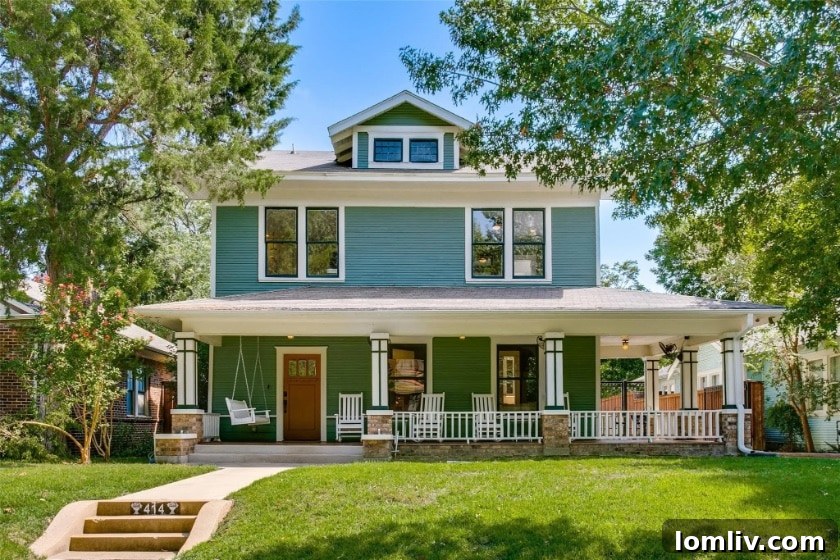
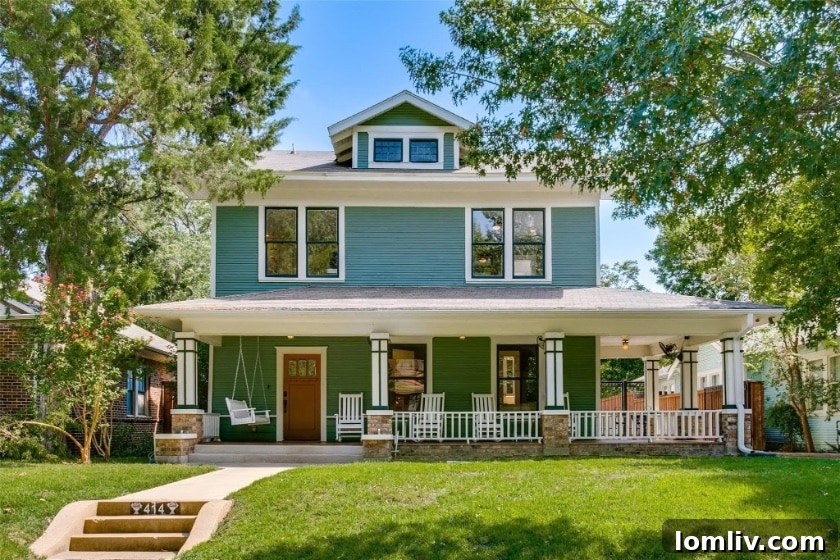
Winnetka Heights American Four-Square: A Dallas Love Story of Historic Home Restoration
In the vibrant tapestry of Dallas’s historic neighborhoods, some residences stand out not just as structures, but as living testaments to passion, dedication, and enduring love. The Winnetka Heights American Four-Square featured in this narrative is precisely one such home – a captivating saga of meticulous restoration undertaken by Christopher and Allyson Harrison. Their journey wasn’t about demolition or a quick profit flip; it was a profound commitment to preserving and revitalizing a cherished piece of history, breathing new life into every beam and brick.
Allyson Harrison’s deep-rooted affection for historic properties is a lifelong affair, a passion ignited in her earliest years. She vividly recalls being in kindergarten when her father, alongside his brother, painstakingly moved and restored a venerable home in the charming town of Waxahachie. This formative experience, living within the walls of that revived structure, indelibly cemented her lifelong love for historic homes. For Allyson, these aren’t just buildings; they are repositories of stories, echoes of past lives, and canvases for new memories.
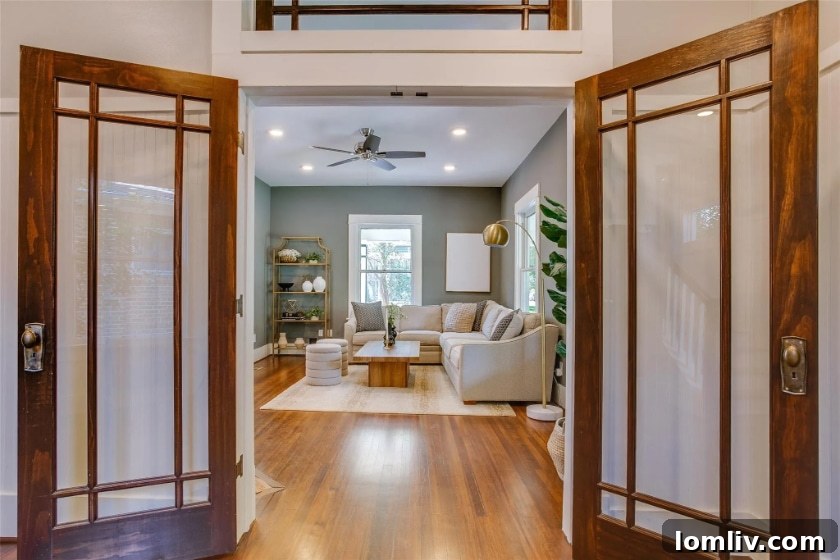
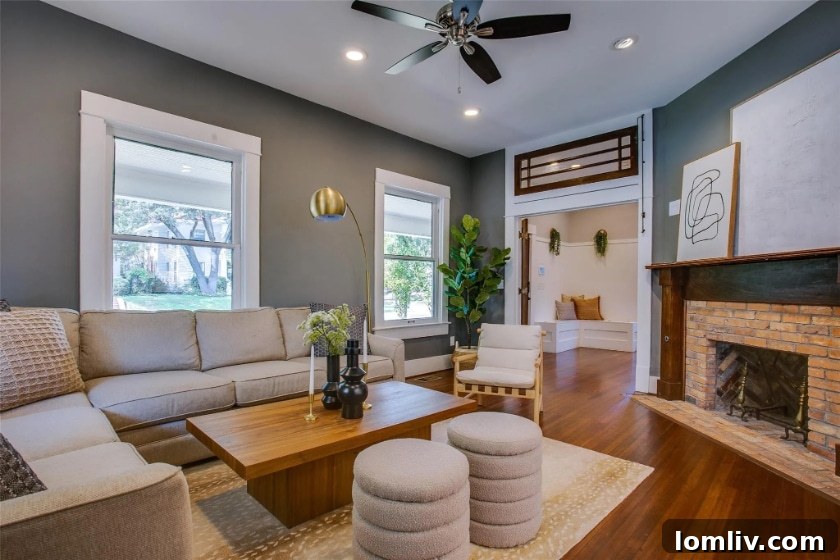
Discovering the Gem: An American Four-Square in Historic Winnetka Heights
Already immersed in the diverse and dynamic community of Oak Cliff, the Harrisons embarked on a quest for a true fixer-upper – a home that yearned for revival, awaiting someone to uncover its inherent splendor. Their search culminated in the discovery of the perfect candidate: a quintessential American Four-Square home gracefully situated within the highly sought-after boundaries of Winnetka Heights.
Winnetka Heights proudly stands as one of Dallas’s most charming and historically significant neighborhoods, holding the esteemed distinction of being the city’s second-largest historic district. Its rich history led to its designation as a Dallas Landmark District and its inclusion in the National Register of Historic Places in 1983, following a State Historic Marker recognition in 1982. This architectural treasure chest boasts an impressive collection of approximately 600 homes, predominantly featuring single-story frame Craftsman bungalows and the iconic two-story Prairie-influenced Four Square residences. According to the City of Dallas Office of Historic Preservation, Winnetka Heights remains one of the most remarkably intact early 20th-century neighborhoods in all of Oak Cliff, offering a picturesque and authentic glimpse into a bygone era of architectural excellence.
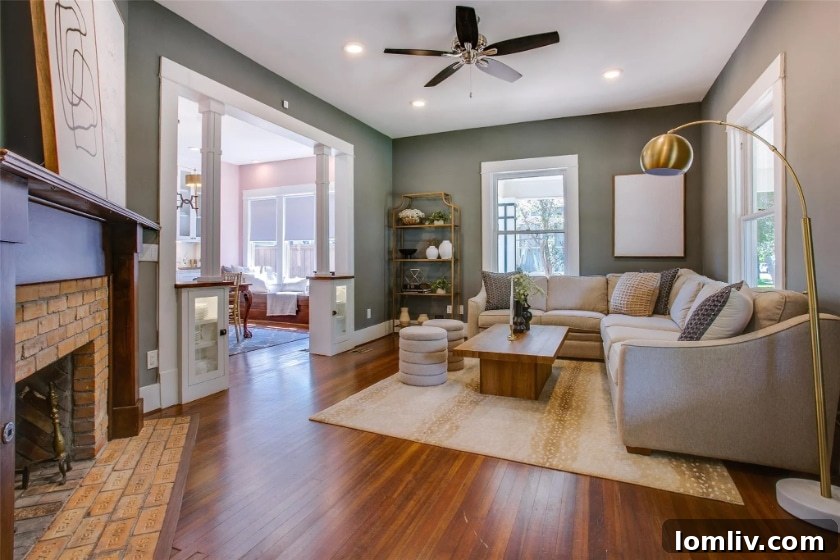
“Historic homes don’t merely exist; they possess a soul and tell a story,” Allyson insightfully remarked. “They are narratives woven through decades, sometimes even centuries. Our specific intention was to find a home that whispered of its past glory, one that cried out to be brought back to its former brilliance, not simply erased or reimagined beyond recognition.” Her vision was unwavering, and Chris, having witnessed the depth of her passion since their early days of dating, understood that his wife’s commitment to authentic restoration rivaled, if not surpassed, that of any celebrated home renovation guru.
Chris heartily affirmed this shared philosophy, adding, “For us, it was more than just acquiring property; it was embracing a piece of living history. We yearned for a home with a rich, palpable narrative, a robust foundation upon which we could intricately weave our own family’s story, thereby adding another meaningful chapter to its enduring legacy.” This unified purpose became the guiding principle and emotional bedrock of their ambitious undertaking, transforming what many would see as a daunting renovation into an profound and deeply personal labor of love and meticulous dedication.
Unveiling the Past: Initial Challenges and Immersive Historical Research
The Harrisons’ chosen Winnetka Heights American Four-Square was, in essence, a true time capsule, remarkably untouched by modern interventions. Its original state presented a fascinating array of intrinsic challenges: archaic knob-and-tube wiring, a vintage Dearborn stove gas heater, and a complete absence of modern HVAC ductwork were merely the observable ‘tip of the iceberg.’ Even the once-grand original front porch columns had been unceremoniously replaced with a incongruous 1950s rendition, a jarring deviation from its historical character. To faithfully reconstruct these, the couple embarked on an extensive historical treasure hunt, painstakingly tracing photographic evidence that would reveal the home’s original, intended grandeur. Chris’s father, a dedicated and tenacious researcher, played an invaluable role in this quest, ultimately locating a previous owner who serendipitously possessed a treasure trove of invaluable old photographs.
“Through our diligent research, we were incredibly fortunate to connect with the granddaughter of a former owner,” Allyson recounted, her voice alight with the thrill of discovery. “She shared heartwarming anecdotes, like the cherished memory of her grandparents being married right in front of the living room fireplace. She generously provided us with countless historical photos, which unveiled fascinating layers of the house’s storied past – it had once served as a bustling boarding house, and remarkably, a small restaurant even operated directly out of the front living room! We even uncovered an antique advertisement for the back sleeping porch, proudly promoted as ‘a private room with a private entrance and bath for a respectable gentleman.'” These intimate glimpses into the home’s multifaceted history didn’t just inform their restoration; they profoundly fueled their determination, transforming the physical structure into a vibrant, living historical character.
The Harrisons’ commitment to authenticity extended to an exhaustive deep dive into historical archives. They devoted countless hours immersed in the rich resources of Preservation Dallas and the invaluable seventh floor of the Dallas Public Library, poring over ancient Sanborn Maps. These remarkably detailed fire insurance maps provided critical insights into the property’s original layout and its surrounding historical context. Their diligent detective work ultimately revealed that the original deed was officially pulled in late 1912, with the foundational building permits dating back to that very same year. Construction, therefore, commenced in 1913 – a fascinating discrepancy that served as a potent, tangible reminder: one should never implicitly trust the dates solely presented on DCAD without thorough, independent verification!
The Strategic Backhouse: A Family’s Temporary Haven and Restoration Base
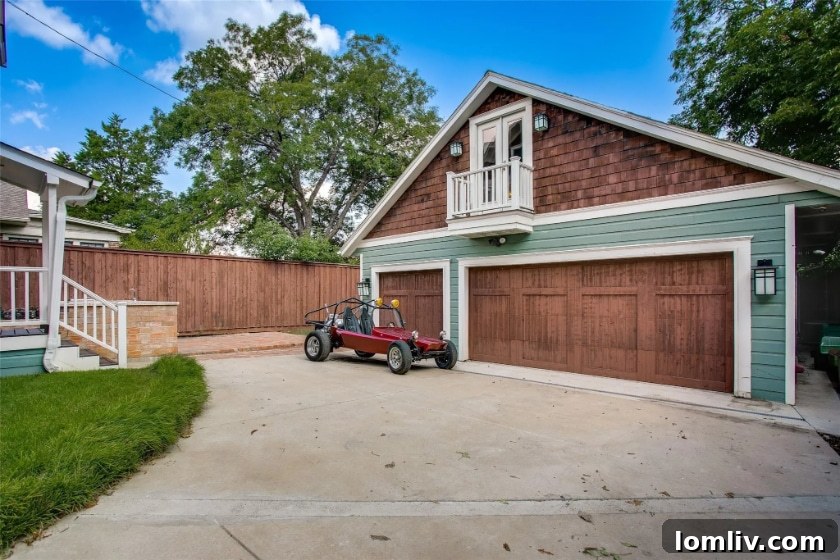
Adding a unique dimension to the property’s potential was a separate backhouse structure, almost mirroring the main house in its generous square footage, yet remarkably, it had never been fully completed. This unfinished annex proved to be a pivotal “deal sealer” for Chris and Allyson. Their ingenious and pragmatic plan was to embark on the backhouse renovation first, meticulously transforming it into a comfortable and fully functional living space. This would then serve as their temporary residence, allowing them to live on-site while painstakingly restoring the grand main house without the pressures of an off-site commute. However, even this clever strategy came with its own set of interim challenges. Before the backhouse could become habitable, they needed a truly temporary abode, which meant moving their nascent family onto the main house’s back sleeping porch – a truly immersive, albeit rustic and chilly, start to their profound restoration saga, especially with a baby on the way.
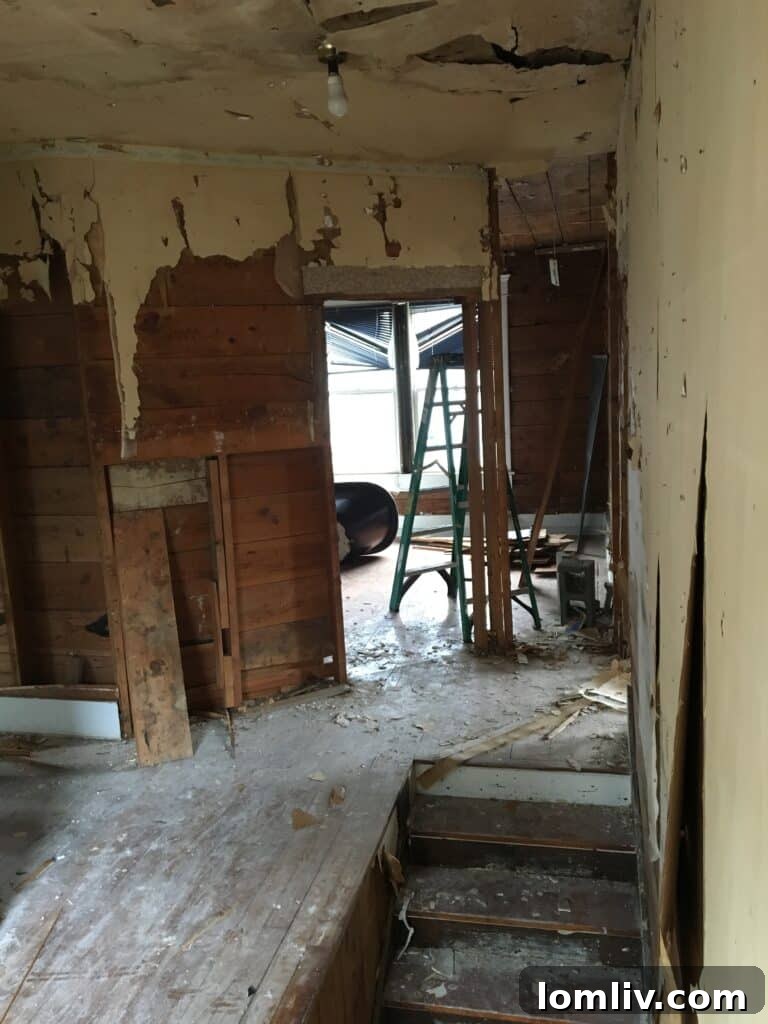
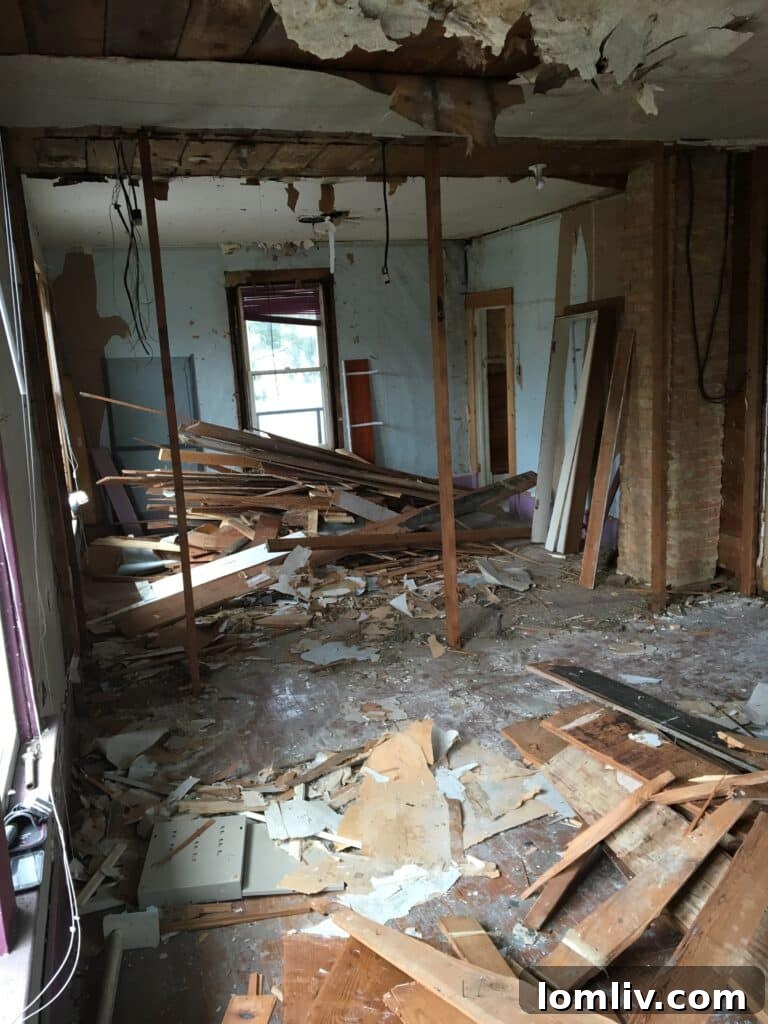
The most profound challenges the Harrisons faced weren’t always tied to the physical restoration itself, but rather to the seismic shifts in their personal lives and demanding lifestyle during the project’s arduous early stages.
“When we initially purchased this property, we were two working adults with stable incomes,” Allyson recalled vividly, painting a clear picture of their pre-restoration life. “Then, a truly beautiful surprise arrived: I discovered I was pregnant! Our lives instantly transformed, taking an unexpected turn. We moved all our belongings into the ground floor of the main house, living, as I like to playfully say, ‘like dignified squatters.’ We had only one window unit for cooling and that perpetually intimidating Dearborn stove, which I absolutely refused to light due to genuine safety concerns. With my husband frequently traveling for work, I often found myself quite literally freezing. It was an intense and rigorous test of endurance, commitment, and our collective sanity. Miraculously, just two short weeks before our eldest child was born, we finally managed to move into the more finished backhouse.” This arduous period profoundly underscored the immense personal sacrifices and unwavering determination required to pursue such a grand and ambitious vision, proving their resolve under the most challenging circumstances.
It would be another two and a half years before the family could finally make their much-anticipated transition into the main house. Yet, even the joyous arrival of their second child couldn’t deter the Harrisons’ relentless pursuit of their restoration dream. A crucial turning point and invaluable asset in their journey came with the partnership of Richard Fitzgerald from Triple J Construction. Serendipitously, Fitzgerald’s wife had been a key figure instrumental in the very historic designation of the Winnetka Heights neighborhood, providing an unparalleled understanding, appreciation, and respect for the project’s unique historical demands and intricate requirements.
A Testament to Craftsmanship: Meticulous Period-Appropriate Restoration
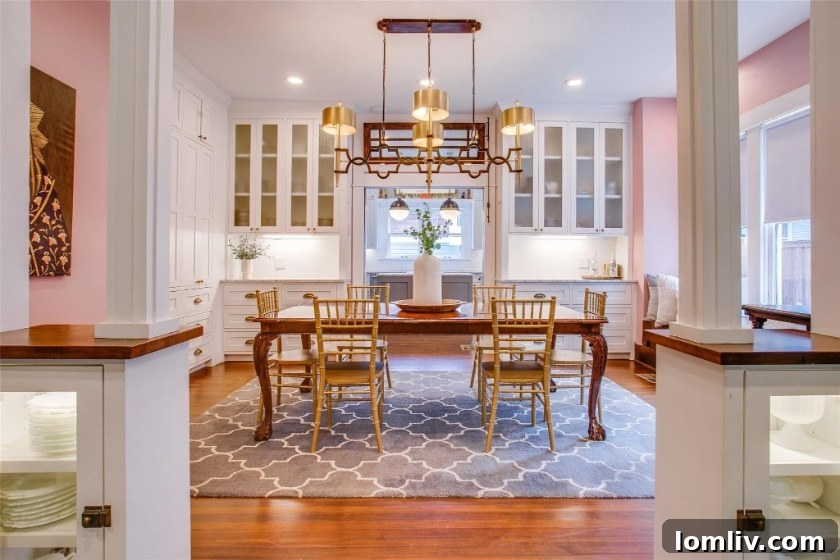
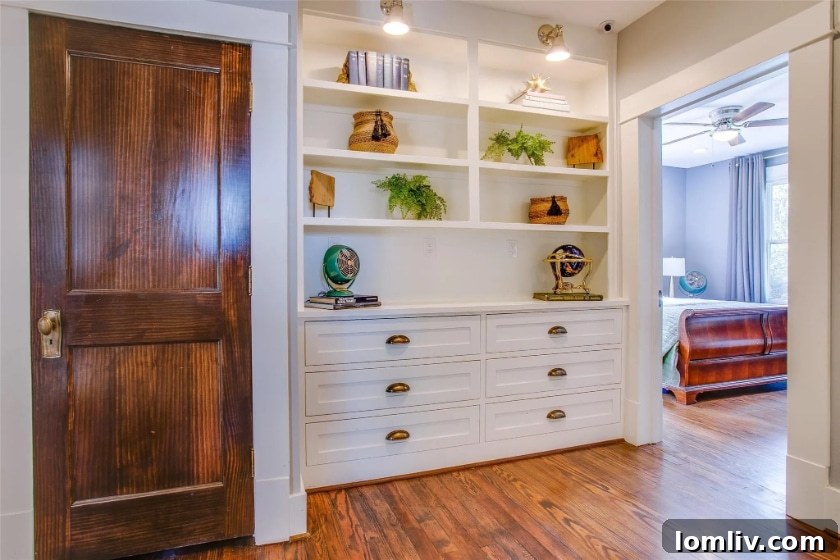
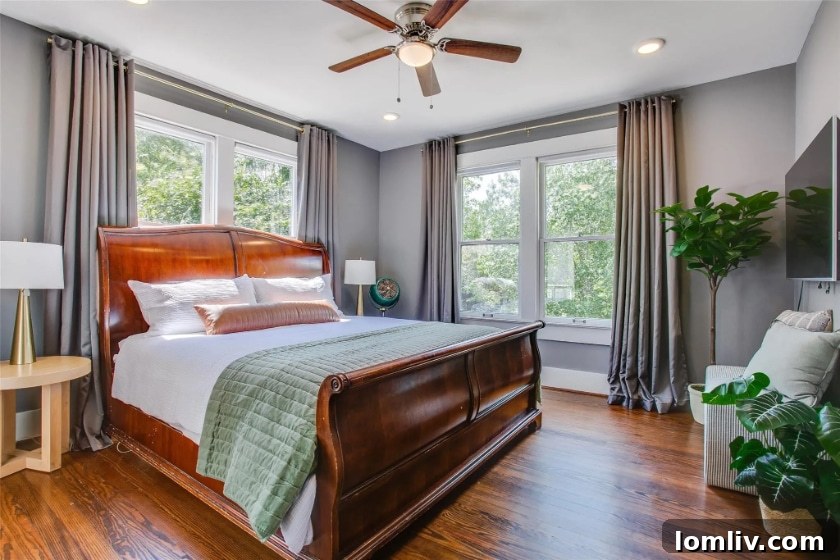
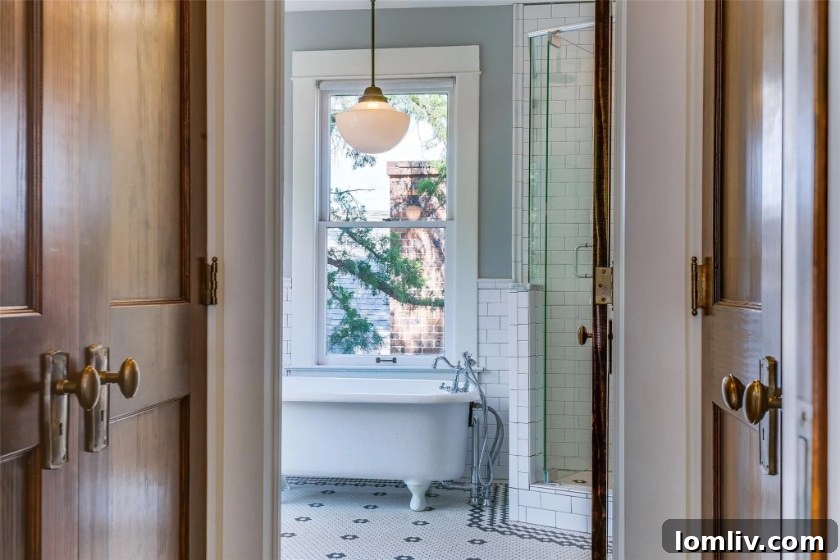
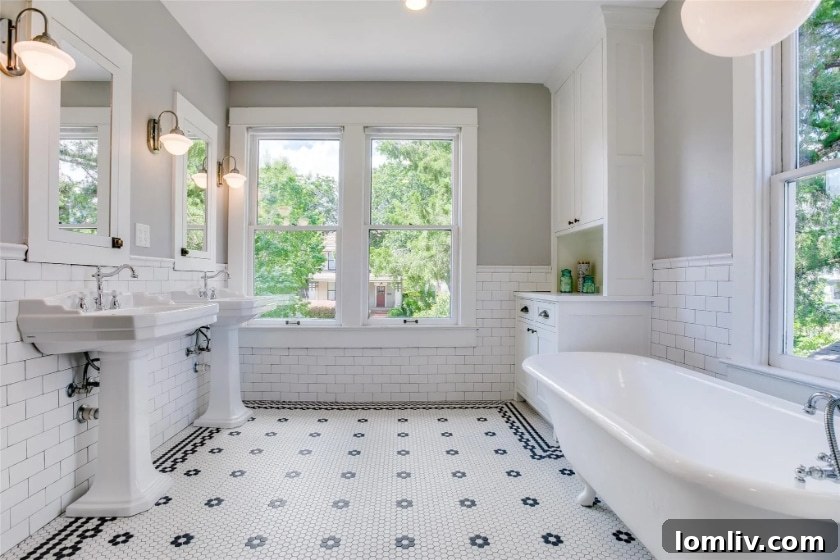
Every single piece of hardware thoughtfully incorporated within the home serves as a testament to the Harrisons’ unwavering commitment to period accuracy – each being a painstaking reproduction of original elements. Faced with the immediate challenge of finding only lacquered hardware readily available on the market, they dedicated months to the laborious, intricate task of hand-stripping each individual piece, ensuring an authentic, unadulterated finish that truly matched the home’s original era. Beyond the hardware, their efforts extended to virtually every corner and detail of the house: baseboards were carefully removed, meticulously refinished, and expertly reinstalled; the dining room window seat was rebuilt to its precise original design; the charming pony columns in the dining room were faithfully restored; and even the quaint upstairs phone nook was brought back to vibrant life. Two antique claw-foot tubs and the grand central staircase underwent expert, sensitive restoration, and original “Texas”-stamped bricks, recovered with reverence from the property, were utilized to faithfully rebuild the home’s prominent fireplace and chimney, ensuring each detail echoed the unparalleled craftsmanship of its initial construction era.
Dispelling Myths: Historic Homes Can Be Smart, Sustainable, and Highly Efficient
A persistent misconception often held by less informed buyers regarding historic homes is the belief that they are inherently incapable of achieving energy efficiency or cannot adequately accommodate modern mechanical systems due to their age and original construction. Christopher Harrison, armed with extensive firsthand experience and proven results, heartily challenges and unequivocally refutes this notion, demonstrating that old homes can indeed be brilliantly cutting-edge.
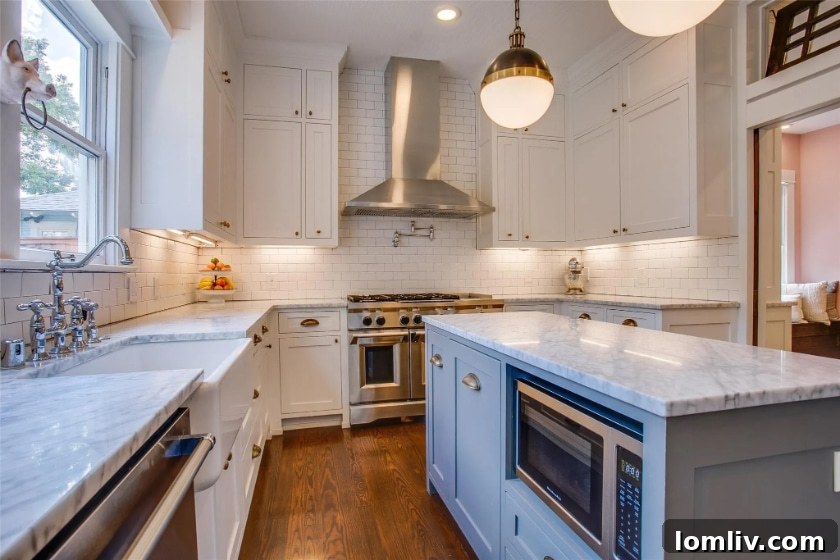
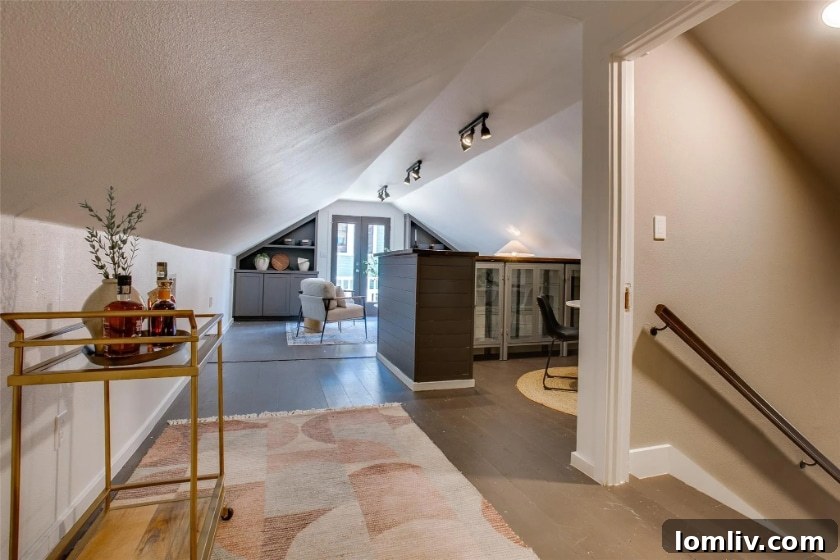
“When we meticulously undertook the comprehensive renovation of this house, our philosophy was crystal clear: integrate the absolute latest in plumbing, electrical, and HVAC technology while simultaneously preserving, not compromising, the home’s invaluable historical integrity,” Chris confidently affirmed. “The tangible result speaks volumes: we now enjoy incredibly strong water pressure throughout the entire house, easily comparable to any newly constructed home. We’ve proactively installed a natural gas generator for unwavering reliability and peace of mind, and it is truly a ‘smart home,’ seamlessly integrating modern technology for convenience and control. Crucially, all of the original windows now feature state-of-the-art, energy-saving glass, yet they are still perfectly balanced with their circa-1900 weights, meticulously maintaining both authentic aesthetics and superior energy efficiency. It’s a perfect harmony where every modern upgrade remains entirely appropriate and respectful of the house’s inherent character.”
He further elaborated, emphasizing the often-overlooked economic viability of such projects: “When you are working with a meticulously constructed, 100-year-old house, there are surprisingly cost-effective and highly innovative ways to achieve these modern standards without sacrificing heritage. Our home, today, is demonstrably more technologically advanced and significantly more energy-efficient than many houses that were constructed in the early 2000s. It stands as a powerful testament to thoughtful, strategic planning and an unyielding commitment to blending cherished heritage with cutting-edge comfort and sustainability.” This impressive feat shatters lingering myths about historic preservation, brilliantly demonstrating that old homes can indeed offer the absolute best of both worlds – timeless charm coupled with modern efficiency.
Navigating Bureaucracy: An Unprecedented Architectural Maneuver
Among the Harrisons’ myriad accomplishments, one stands out as a truly astonishing achievement: the logistical marvel of physically moving the entire back section of the house over seven and a half feet to comply with complex and often perplexing city requirements. Navigating the labyrinthine rules and regulations of historic preservation with the City of Dallas is, undeniably, not a task for the faint of heart, nor for those seeking swift, effortless resolutions. It demands an extraordinary blend of patience, unwavering persistence, and ingenious, out-of-the-box problem-solving.
“We had initially secured full approval from one specific city office to proceed with our intended plans, and the back of the house was already extensively opened up and prepared for renovation,” Chris explained, vividly recalling the stressful and uncertain period. “Then, unforeseen circumstances arose: the Landmark Commission went on its summer hiatus, leaving us in an agonizing and frustrating limbo. We were suddenly informed that the second floor was regrettably not ‘grandfathered in,’ which completely derailed and rendered impossible our meticulously laid original strategy for the renovation. It was a seemingly insurmountable hurdle, fraught with anxiety and significant delays.”
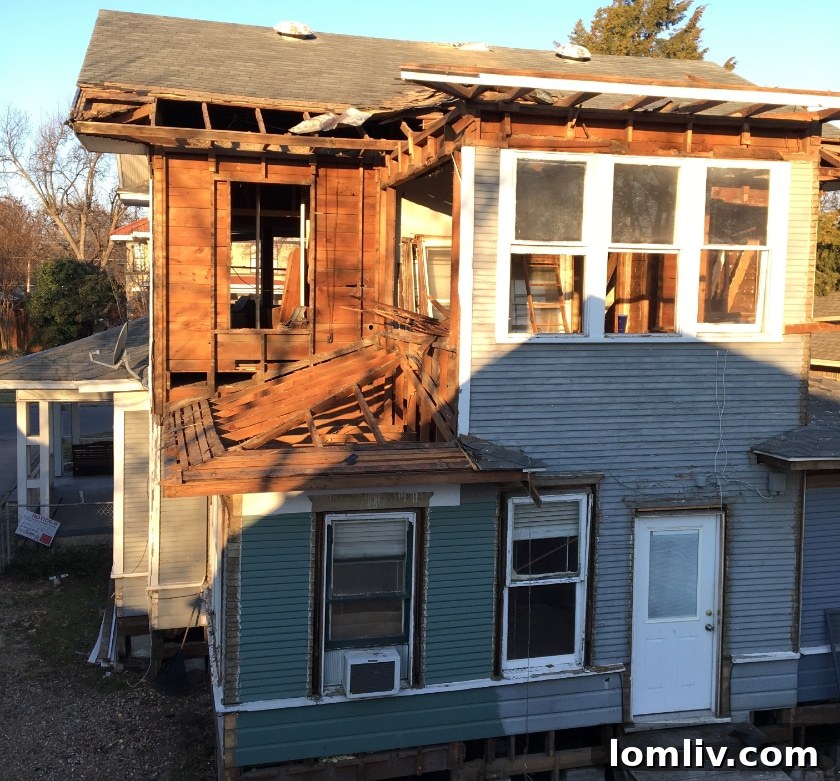
In a truly remarkable stroke of ingenuity and sheer audacity, Chris conceived an unprecedented, audacious solution: to physically move the entire back portion of the house to satisfy the city’s newly revised requirements. “It was already completely torn apart and disassembled anyway,” he pragmatically reasoned, embracing the challenge. “We approached the city with this truly unheard-of idea, and to our surprise, they admitted it had never been done before in Dallas, but technically, after careful review, it was indeed permissible. So, with incredible precision and engineering, we literally picked up the entire back section of the house and shifted it over to precisely meet the regulations.” This extraordinary architectural maneuver not only resolved a critical structural and regulatory impasse but also stands as a powerful testament to their unwavering determination and unparalleled resourcefulness in the face of daunting, unique challenges, further cementing their legacy as true champions of innovative historic preservation.
Stewards of History: A Philosophy of Preservation and Community Impact
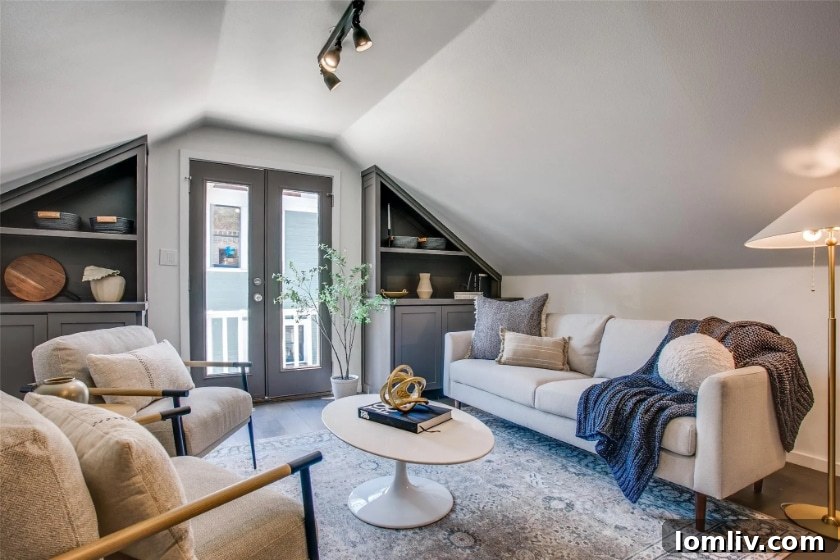
“From the very first day, we understood intrinsically that this project would be an immense labor of profound love, demanding every ounce of our dedication,” Allyson reflected, her voice resonating with deep conviction. “Our overarching goal was never to simply ‘update’ or ‘modernize’ in a generic, trend-driven sense, but rather to achieve a meticulously period-appropriate restoration. We fought passionately to save this unique home from the common, unfortunate fate of being gutted, thereby losing its irreplaceable interior character to become just another ubiquitous, big, blown-out open-floor plan. When you truly develop a deep love for historic homes, you grasp a fundamental, undeniable truth: you never truly ‘own’ them in the traditional sense. Instead, you are entrusted as a privileged steward, guided by a profound responsibility to do right by their intrinsic history, their unparalleled architecture, and their enduring, irreplaceable spirit.”
And indeed, the Harrisons have not only exemplified this philosophy but have elevated it to an art form in every meticulous detail of their work. Their extraordinary efforts did not go unnoticed by the community and preservation advocates. In 2019, Preservation Dallas proudly presented Christopher and Allyson Harrison with a prestigious Preservation Achievement Award, a fitting and well-deserved tribute to their exceptional dedication and exemplary commitment to safeguarding Dallas’s invaluable architectural heritage. This significant recognition underscores the profound and inspiring impact their work has had, not just on one magnificent property, but on fostering a broader appreciation for the immense value and transformative power of historic restoration within the wider community.
A Legacy Continues: The Next Chapter for the Harrisons and Their Historic Home
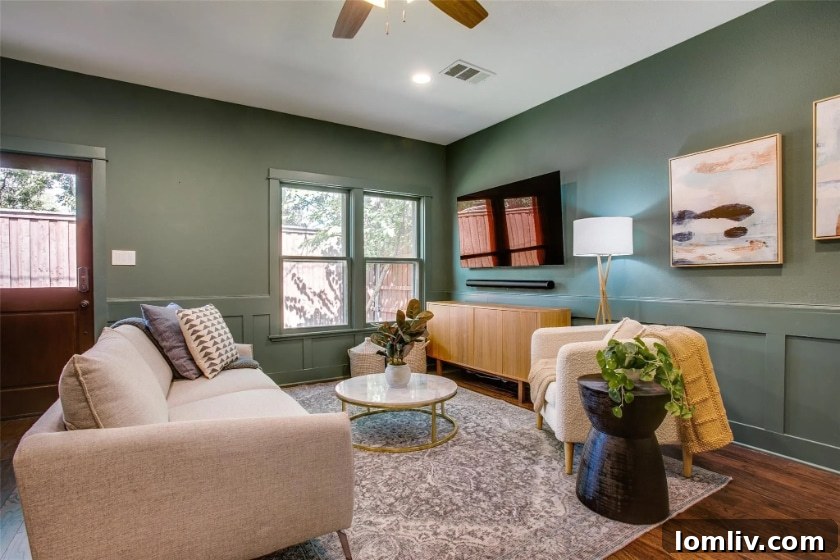
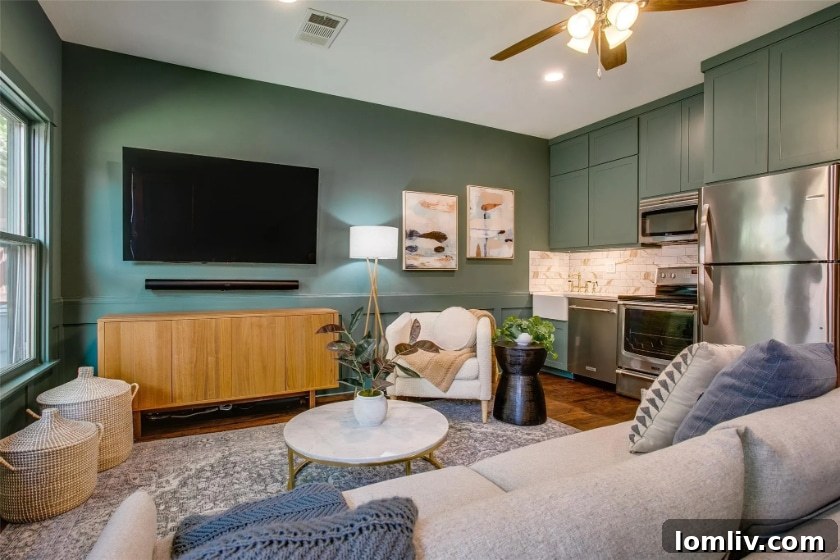
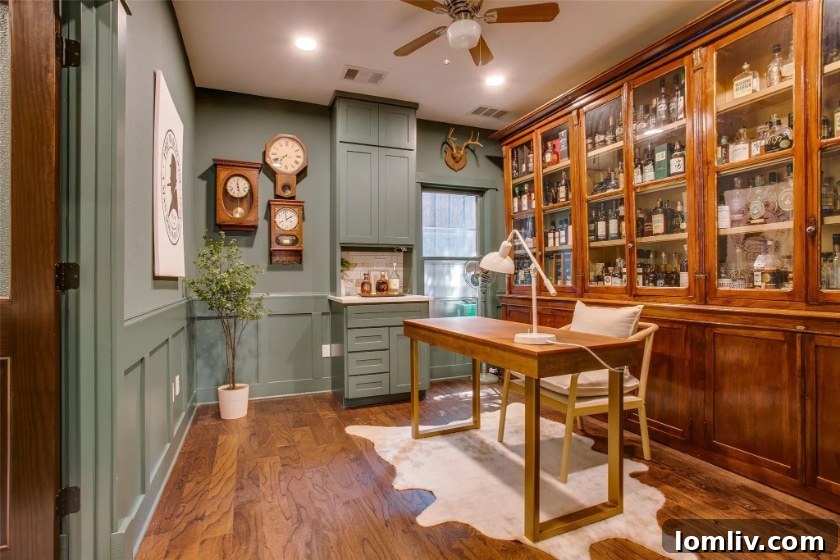
Today, Christopher and Allyson Harrison stand as the proud curators of a truly flawless 4,050-square-foot Winnetka Heights American Four-Square, a magnificent residence boasting five generously sized bedrooms and three-and-a-half elegantly appointed baths. This grand main residence is perfectly complemented by a charming, Pinterest-worthy one-bedroom back house, which serves as a delightful sanctuary in its own right, perhaps ideal for guests or a home office. With the joyful integration of baby number three into their growing family, the Harrisons find themselves, yet again, embarking on a new quest – this time, for a bit more expansive living space and, inevitably, their next exhilarating historic home challenge. Their inspiring journey is far from over; it is a continuous, unfolding narrative of preservation, passion, and an unwavering commitment to architectural heritage.
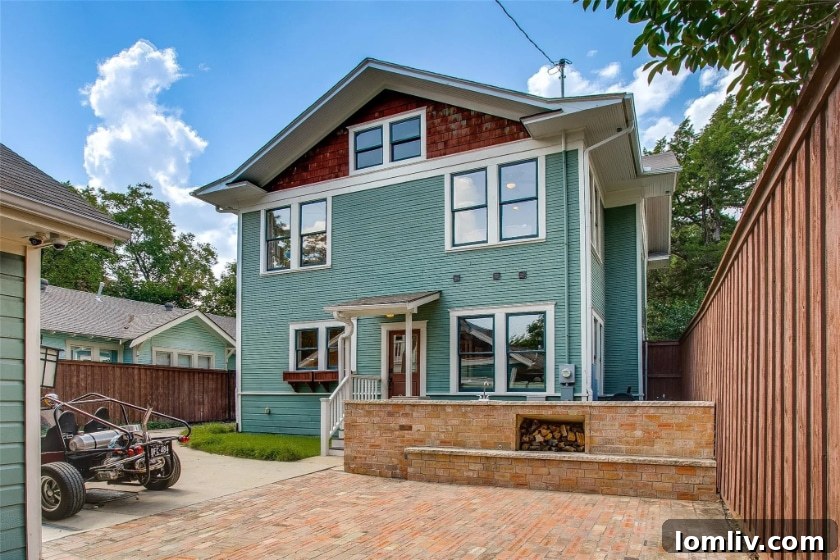
“We will undoubtedly miss the countless, cherished memories we’ve forged within these very walls, and the profound sense of ourselves – our dreams, our hard work, our love – that has been intricately woven into its very fabric,” Allyson shared, a genuine tinge of bittersweet reflection in her voice. This extraordinary home, imbued deeply with the Harrisons’ unparalleled dedication, unyielding passion, and boundless love, is truly a living love story in itself. It stands ready, now more magnificent and vibrant than ever, awaiting another fortunate family to add their unique tale, their own chapter, to its rich, ongoing history.
This exceptional Winnetka Heights American Four-Square, a masterpiece of historic preservation located at 414 N. Windomere Ave, is exclusively listed by Alicia Schroeder of Dave Perry Miller for $1.05 million. This is a rare and remarkable opportunity to become the next proud custodian of a true piece of Dallas’s architectural and cultural history.