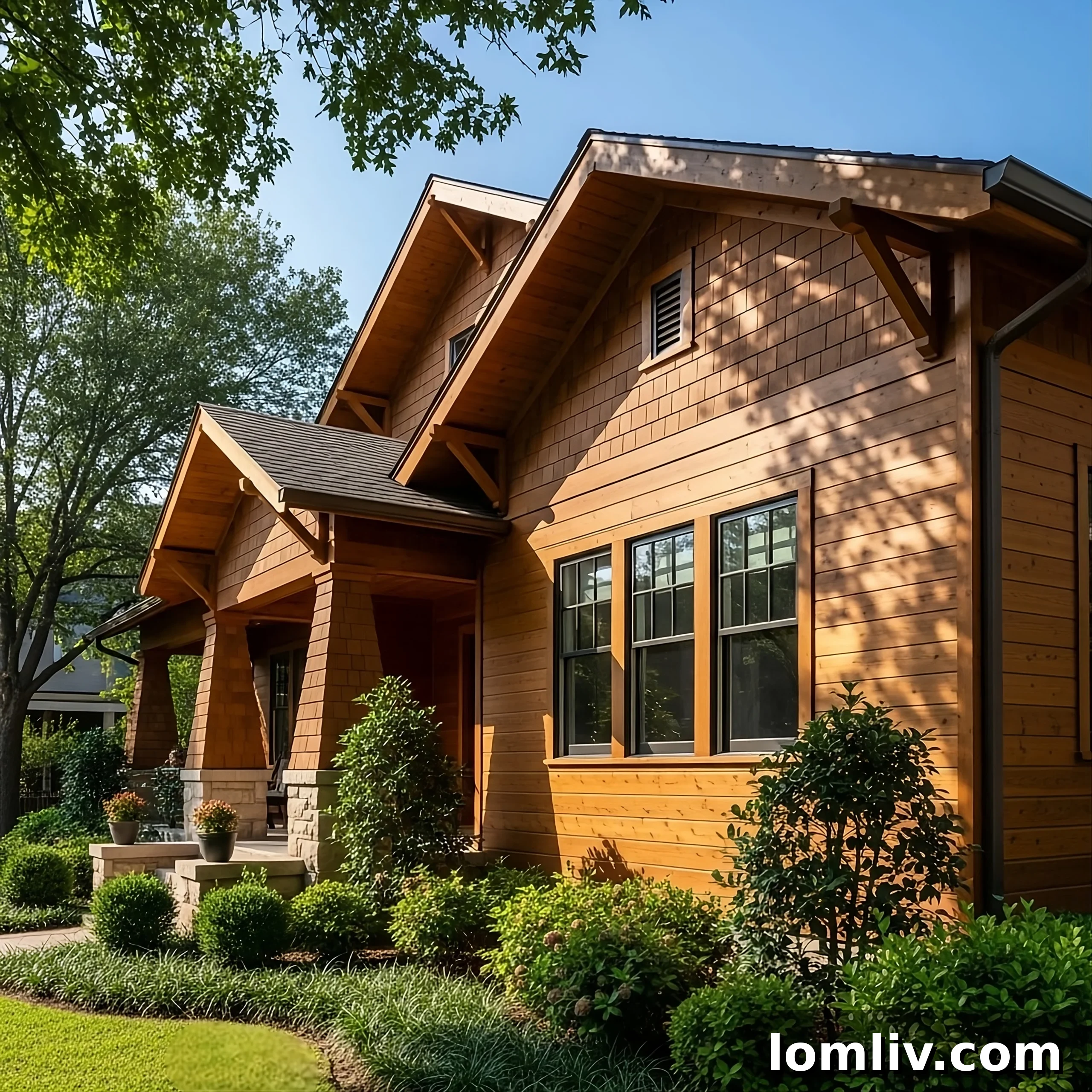
Wood siding offers a timeless appeal, bringing warmth and natural beauty to any home. Its unique texture and aesthetic charm can significantly enhance curb appeal and reflect a homeowner’s appreciation for classic elegance. However, like all exterior building materials, wood siding is exposed to the elements and will eventually show signs of wear and tear. Understanding when and why your wood siding needs to be replaced is crucial for maintaining your home’s structural integrity, aesthetic value, and overall longevity.
Many homeowners overlook the subtle early indicators that their siding is deteriorating, often leading to more significant and costly issues such as water infiltration, mold growth, or pest infestations. Proactive maintenance and timely replacement are not just about preserving beauty; they are essential for protecting your home’s underlying structure from potential damage. This comprehensive guide will illuminate the key signs that your wood siding requires attention, detail the common causes of its degradation, and offer insights into effective care strategies. By being well-informed, you can ensure your home remains a safe, beautiful, and valuable asset for many years to come.
Why Wood Siding Replacement Becomes Necessary
While renowned for its durability and natural resilience, wood siding is not immune to the relentless forces of nature and time. Several factors contribute to its eventual decline, necessitating replacement to prevent more extensive damage to your home. Recognizing these underlying causes is the first step in making informed decisions about your property’s exterior maintenance.
Age and Natural Deterioration
Even the highest quality wood siding has a finite lifespan. Depending on the type of wood, climate, and maintenance history, wood siding can last anywhere from 20 to 40 years, sometimes even longer. Over time, constant exposure to cycles of freezing and thawing, rain, snow, and wind causes the wood fibers to break down. This natural aging process often leads to a loss of structural integrity, making the siding less effective at protecting your home. As wood ages, it becomes more brittle, less resistant to impacts, and its ability to hold paint or stain diminishes, leading to a faded, worn appearance.
Moisture Intrusion and Water Damage
Water is perhaps the greatest enemy of wood siding. Unchecked moisture can lead to a host of problems. This can stem from various sources: faulty or clogged gutters overflowing onto the siding, leaks in the roofing system that drip down the exterior walls, or simply persistent rain exposure in areas not adequately protected or sealed. When wood absorbs excessive moisture and doesn’t have sufficient time to dry, it creates an ideal environment for mold, mildew, and fungi to thrive. These organisms not only stain the siding, detracting from its appearance, but also initiate the process of wood rot, weakening the material and potentially compromising your home’s interior structure. Furthermore, moisture penetration can lead to the deterioration of insulation, reduce energy efficiency, and cause interior water damage, such as stained ceilings or walls.
Sun Damage (UV Radiation)
For homes exposed to intense sunlight, UV radiation poses a significant threat to wood siding. Ultraviolet rays break down the lignin in wood, causing it to gray, fade, and become brittle over time. This process, known as photodegradation, also causes protective finishes like paint and stain to break down, peel, and blister, leaving the raw wood exposed and vulnerable. Symptoms of sun damage include visible splintering, checking (small cracks), and warping or flexing of boards as they repeatedly expand and contract with temperature changes. This damage not only diminishes the aesthetic appeal but also compromises the wood’s ability to shed water and resist pests.
Insect and Pest Infestations
Wood is an organic material, making it an attractive target for various pests. Termites, carpenter ants, and wood-boring beetles can cause extensive damage that often goes unnoticed until it’s severe. Termites, particularly, can silently tunnel through siding and into structural components, compromising the integrity of your home. Carpenter ants excavate galleries in moist, decaying wood to create nests. Signs of infestation might include small holes in the siding, piles of sawdust-like material (frass), mud tubes on the foundation, or hollow sounds when tapping on the wood. Preventing such infestations requires proactive measures, including maintaining a proper distance between soil and siding, prompt repair of moisture issues, and in some cases, professional pest control treatments.
Lack of Maintenance and Neglect
The cumulative effect of neglecting minor issues can quickly escalate into widespread damage. A small crack or a patch of peeling paint, if left unaddressed, allows moisture to penetrate, accelerating rot and deterioration. What starts as a localized problem can spread rapidly through adjacent boards, creating a “domino effect” where one failing section compromises the integrity of the next. Ignoring routine cleaning, staining, or sealing shortens the lifespan of wood siding considerably, leading to premature failure and costly, extensive repairs that could have been avoided with timely intervention.
Aesthetic Transformation and Home Renovation
Beyond wear and tear, homeowners might opt for wood siding replacement for purely aesthetic reasons. You might be undertaking a complete exterior renovation, looking to update your home’s style, or simply tired of the current look. Replacing siding offers an excellent opportunity to revitalize your home’s appearance, potentially enhancing its market value and giving it a fresh, modern, or entirely different architectural character. This could involve switching to a different wood species, a new siding profile (e.g., from lap siding to shakes or board and batten), or a completely new color scheme. Even if the existing siding is structurally sound, a desire for change is a perfectly valid reason for replacement.
Key Signs Your Wood Siding Needs Replacement
Identifying the early warning signs of failing wood siding is critical to preventing minor issues from escalating into major home repair projects. Regular inspections, both visual and physical, can help you catch these problems before they compromise your home’s structure.
Visible Damage: Cracks, Splits, and Warping
These are often the most obvious indicators of siding distress. Cracks and splits not only mar the appearance of your home but also serve as direct entry points for moisture and pests. Warping, where boards begin to twist or bend away from the house, typically results from prolonged moisture exposure followed by drying, or excessive sun exposure. Such deformation can break the seal between boards, allowing water to penetrate the underlying wall structure.
Soft Spots and Rot
Decaying wood feels soft and spongy to the touch. You can perform a simple “poke test” using a screwdriver or awl to gently prod areas that look suspect, especially near the bottom of boards, around windows, and in shaded areas prone to moisture retention. If the wood gives way easily or crumbles, it’s a clear sign of rot. This type of damage severely compromises the structural integrity of the siding and can spread quickly if not addressed.
Mold, Mildew, and Fungal Growth
Patches of green, black, or white growth on your siding are visual cues of persistent moisture issues. While some surface mold can be cleaned, extensive or recurring growth often indicates that moisture is trapped within or behind the siding, creating an environment ripe for wood decay. This is particularly concerning if you notice it in areas that don’t receive much sunlight or ventilation.
Peeling, Blistering, or Fading Paint/Stain
The protective finish on your wood siding is its first line of defense against the elements. When paint begins to peel, crack, or blister, it signifies that the finish is failing, leaving the bare wood exposed and vulnerable to moisture and UV damage. Fading, especially uneven fading, suggests that the finish is breaking down and no longer offering adequate protection, often indicating direct sun exposure or moisture penetration from behind.
Pest Activity
Keep an eye out for signs of insect infestation. This includes small, perfectly round holes (exit holes of wood-boring beetles), tunnels or galleries in the wood, discarded insect wings, or “frass” (a fine, sawdust-like material often left by carpenter ants or drywood termites). Mud tubes running up the foundation or walls are a tell-tale sign of subterranean termites. Any evidence of pest activity warrants immediate investigation, as these creatures can cause significant damage to your home’s structural components.
Increased Energy Bills
Damaged or compromised siding can lead to a decrease in your home’s energy efficiency. Cracks, gaps, or warped boards can allow conditioned air to escape and unconditioned air to infiltrate, putting a strain on your HVAC system. If you notice a sudden or gradual increase in your heating or cooling costs without a change in usage, your siding might be failing to provide adequate insulation and air sealing.
Interior Signs of Damage
Sometimes, the first signs of siding failure appear inside your home. Look for water stains on interior walls or ceilings, particularly those adjacent to exterior walls. Drafts near windows or outlets on exterior walls, a persistent musty odor, or increased humidity levels inside your home can also indicate that your siding is no longer effectively keeping the elements out.
How to Maintain Wood Siding for Enduring Beauty and Longevity
While replacement is eventually inevitable, diligent maintenance can significantly extend the life of your wood siding and preserve its aesthetic appeal for decades. Wood siding is often perceived as high-maintenance, but with a consistent care routine, it can be a remarkably durable and rewarding choice.
Routine Cleaning is Essential
Dirt, grime, pollen, and environmental pollutants accumulate on siding over time, creating a breeding ground for mold and mildew. Regular cleaning, typically annually or bi-annually, is crucial. Use a soft-bristle brush, a garden hose, and a mild detergent or a specialized siding cleaner. For stubborn areas, a low-pressure power washer can be effective, but always use caution and a wide spray pattern to avoid damaging the wood or driving water behind the siding. Ensure the siding dries thoroughly after cleaning.
Staining and Sealing: Your Siding’s Shield
The protective finish on your wood siding is its primary defense against moisture and UV radiation. Depending on the product and local climate, wood siding typically needs to be stained or sealed every 3 to 7 years. Transparent stains allow the natural wood grain to show through, while semi-transparent and solid stains offer more color and greater UV protection. Always prepare the surface by cleaning and sanding any rough spots before applying a new coat. A quality stain or sealant penetrates the wood, waterproofing it and shielding it from the sun’s damaging rays, thereby preventing premature graying, cracking, and rot.
Address Repairs Promptly
Even small imperfections, such as minor cracks, loose boards, or areas of peeling paint, should be addressed immediately. Patch cracks with exterior-grade wood filler, re-secure loose boards with appropriate fasteners, and sand and repaint/restain small areas of compromised finish. Timely, localized repairs prevent these minor issues from expanding and leading to more extensive and costly damage to adjacent sections or the underlying structure.
Maintain Gutters and Downspouts
Proper water management around your home is paramount for siding longevity. Ensure your gutters are clean, free of debris, and properly sloped to direct rainwater away from your house. Downspouts should extend several feet away from the foundation to prevent water from pooling near the siding or seeping into the ground where it can cause splash-back onto the lower courses of siding. Overflowing gutters are a common culprit for moisture damage on siding.
Strategic Landscaping and Ventilation
Keep shrubs, trees, and other vegetation trimmed back from your home’s exterior walls. This promotes airflow around the siding, allowing it to dry out more quickly after rain and preventing moisture from being trapped. Overgrown plants can also harbor pests and scrape against the siding, causing damage. Additionally, ensure proper attic and crawl space ventilation to manage humidity levels inside your home, which can indirectly affect the siding by preventing moisture buildup.
Professional Inspections
Consider having a professional siding inspection every few years, especially if your home is older or you live in a harsh climate. Experts can identify subtle signs of damage, moisture intrusion, or pest activity that might be missed during a homeowner’s routine check. They can also offer advice on specific wood types, suitable finishes, and localized maintenance challenges.
The Crucial Role of Quality Installation
The longevity of new wood siding begins with its installation. A professional, high-quality installation job is paramount. This includes proper flashing around windows and doors, correct fastening techniques, appropriate spacing for expansion and contraction, and ensuring a breathable moisture barrier behind the siding. Working with an experienced and reputable siding contractor who understands local building codes and best practices for wood siding installation can dramatically impact how well your siding performs and how long it lasts.
Choosing the Right Wood Siding for Your Home
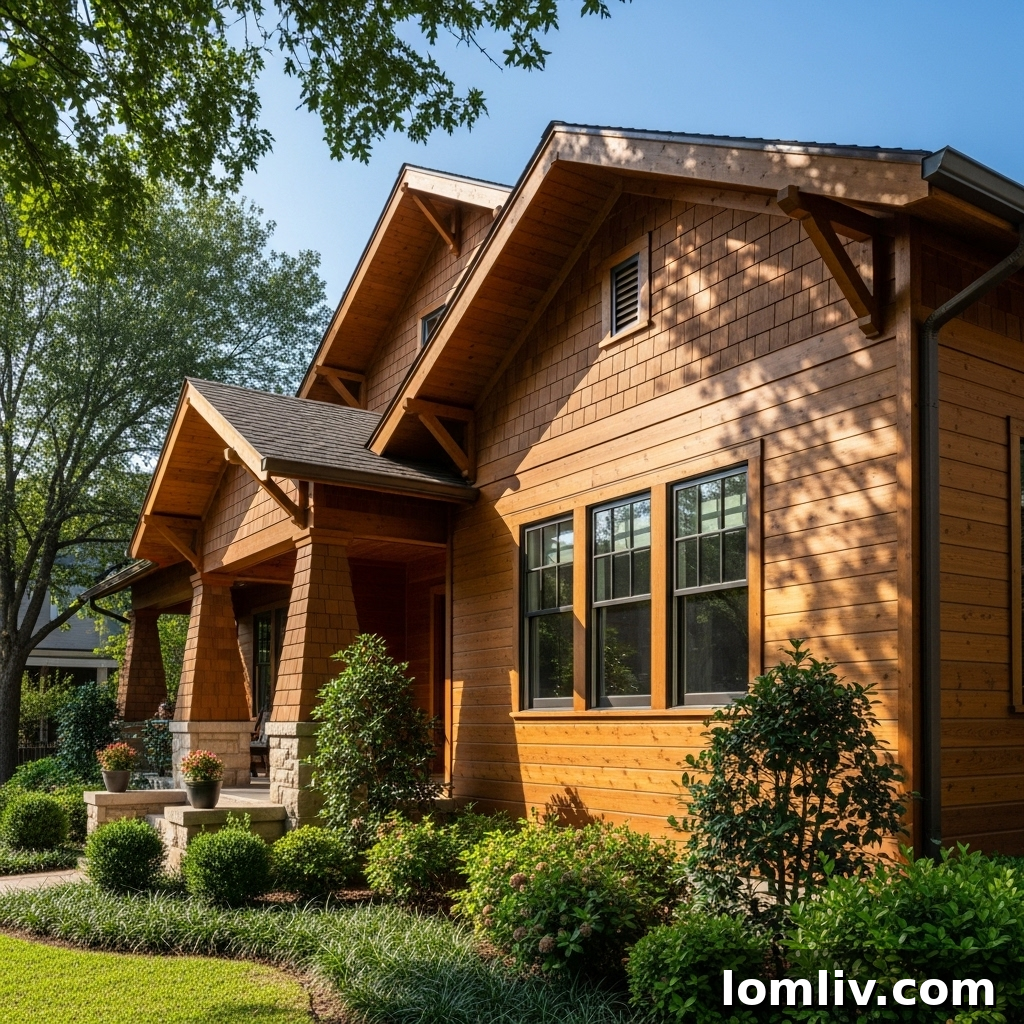
When selecting or replacing wood siding, making an educated choice ensures your home benefits from both beauty and durability. There are various types of wood siding, each with unique characteristics that may be better suited for different environments and aesthetic preferences.
Popular Wood Siding Types
- Cedar: Known for its natural resistance to rot, decay, and insect infestation due to natural oils. It’s lightweight, stable, and offers excellent insulation properties. Cedar comes in various forms, including clapboard, shakes, and shingles, providing a range of design options.
- Redwood: Similar to cedar, redwood is highly durable, dimensionally stable, and naturally resistant to insects and moisture. It boasts a beautiful rich color that can be maintained with clear finishes or allowed to weather naturally to a silvery-gray.
- Cypress: Often found in the southern United States, cypress is revered for its “pecky” characteristic (small pockets of natural decay that create unique patterns) and its exceptional resistance to rot and insects, particularly in humid climates.
- Pine and Spruce: These are more economical options, but they typically require more frequent maintenance, including regular sealing and painting/staining, as they are less naturally resistant to moisture and pests than cedar or redwood. They are popular for their smooth finish and ease of workability.
Selecting for Your Climate
The climate in which you live should heavily influence your wood siding choice. If you reside in a region with high humidity and frequent rainfall, prioritize wood types with natural decay and insect resistance like cedar or cypress. For areas with intense sun exposure, consider woods that are less prone to warping and finishes that offer superior UV protection. Your siding expert can provide invaluable guidance on which wood species and finishes will perform best given your specific environmental conditions.
The Expertise of a Siding Professional
Working with a reputable builder or siding expert is highly recommended, especially when considering a full replacement. They can help you navigate the myriad of options, explain the pros and cons of different wood types, and recommend finishes that will provide optimal protection and longevity. A professional contractor ensures that the siding is installed correctly, adhering to all local building codes and manufacturer specifications, which is paramount for warranty validation and long-term performance.
Wood siding, when chosen wisely and cared for consistently, is an excellent investment that provides unparalleled aesthetic appeal and durable protection for your home. It’s a testament to natural beauty and craftsmanship, capable of making your home stand out for all the right reasons. By understanding the causes of wear, recognizing the signs of damage, and committing to proactive maintenance, you can enjoy the enduring charm and reliability of your wood siding for decades. Make an educated choice by doing your research, consulting with experts, and always being aware of the signs that it’s time to replace or revitalize your home’s beautiful wooden exterior.