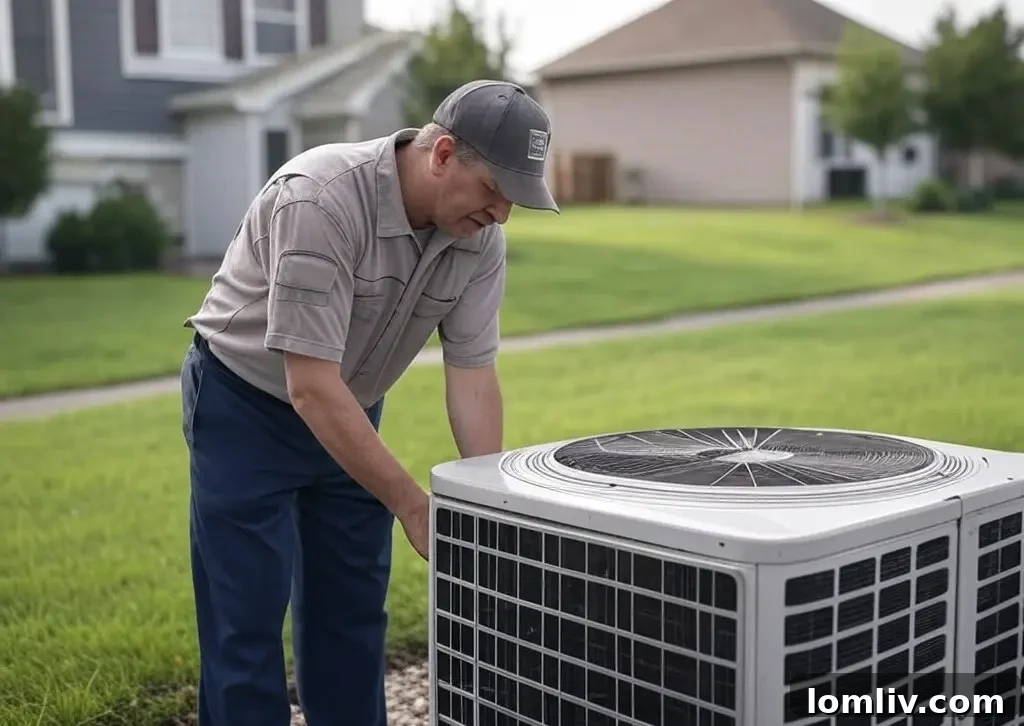
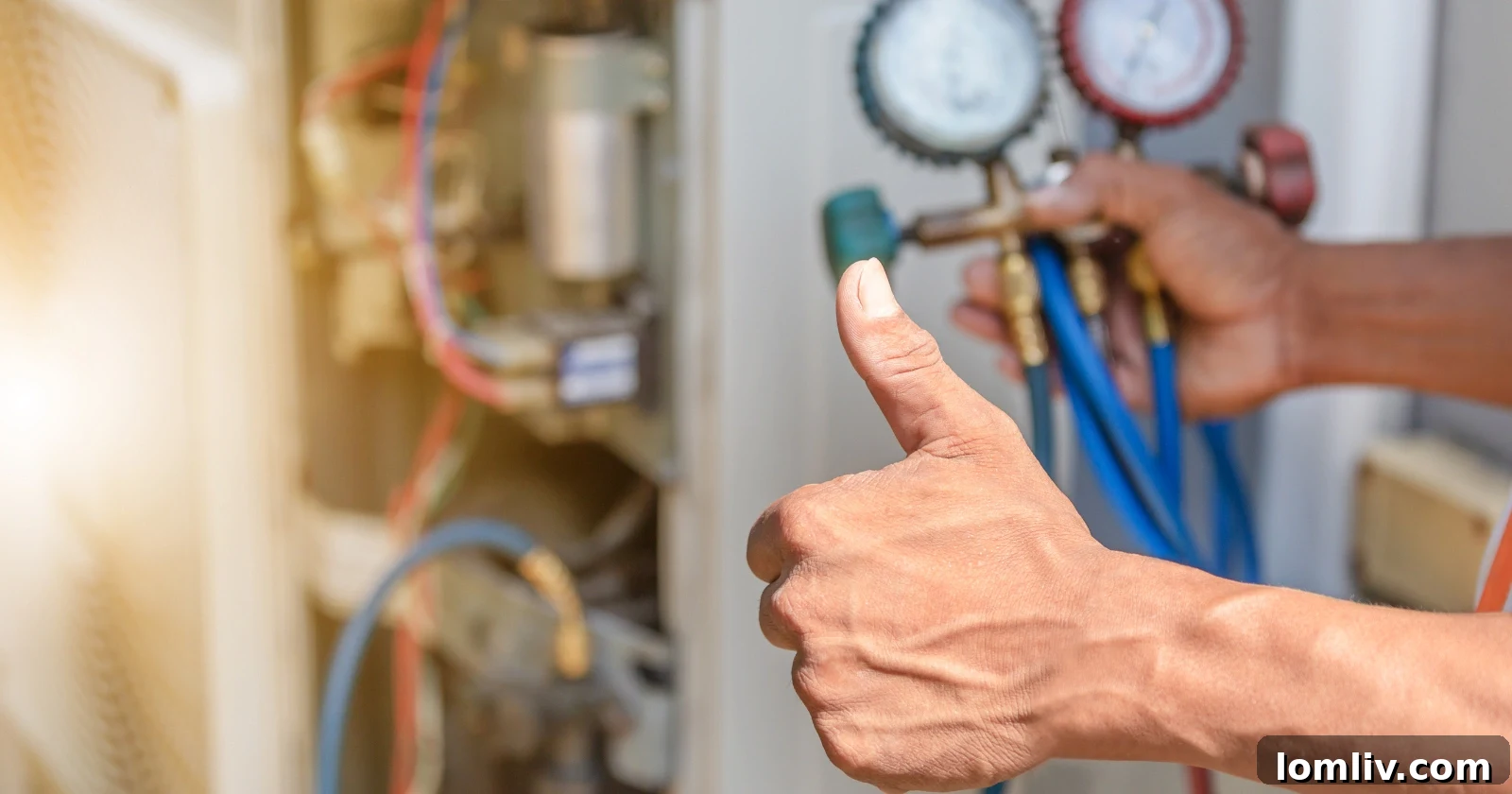
While Dallas winters are famously mild compared to many parts of the country, the drop in temperature can still pose a significant challenge for your home’s Heating, Ventilation, and Air Conditioning (HVAC) system. Without proper preparation, your HVAC unit may struggle to maintain a comfortable indoor environment, leading to increased energy consumption, potential breakdowns, and higher utility bills. Experts, such as those at The Chill Brothers, strongly recommend undertaking pre-winter preparation steps to ensure your HVAC system is robustly equipped to handle the cooler months with efficiency and reliability.
Proactive maintenance ensures your heating system doesn’t experience sudden, undue pressure to warm your living space from a cold start. Instead, it transitions smoothly into its heating role, delivering consistent and efficient performance throughout the season. This comprehensive guide will detail the essential steps to prepare your HVAC system for the unique demands of Dallas winters, helping you secure warmth, comfort, and peace of mind for your home.

| Key Takeaways:
Prepare your HVAC system in Dallas for the upcoming winter to make the system efficient and ready to cope with temperature drops. Follow these crucial steps for optimal performance and comfort:
|
Why Pre-Winter HVAC Preparation is Indispensable for Dallas Homes
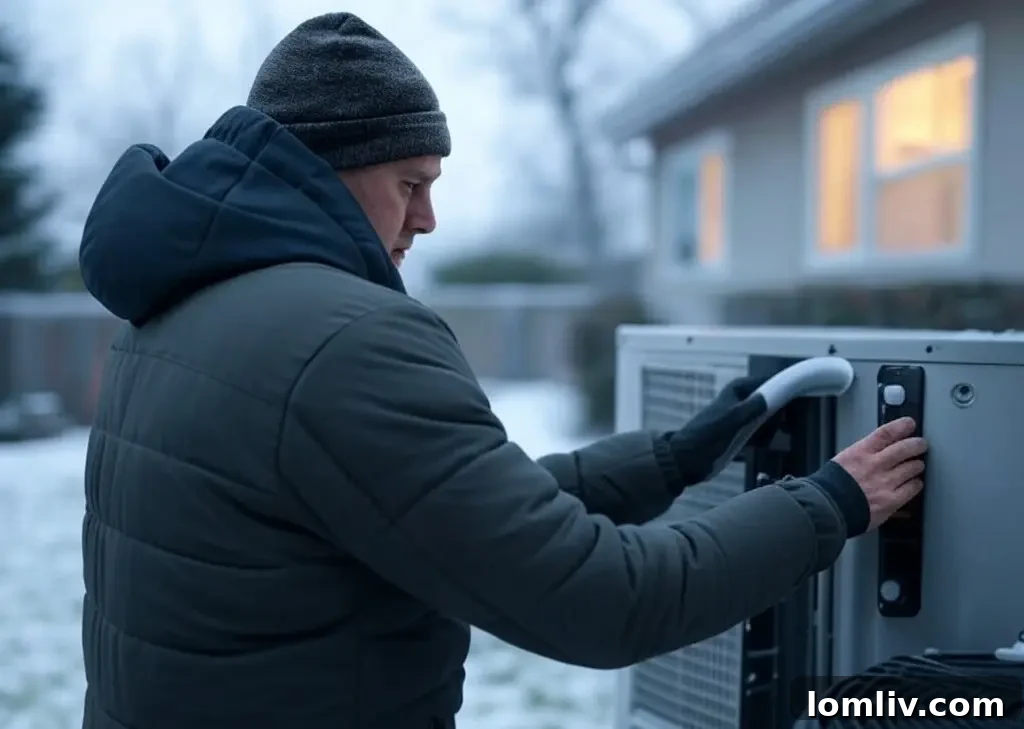
When winter temperatures unexpectedly plunge, an unprepared HVAC system can face immense strain, struggling to adapt and meet your home’s desired warmth. Proactive preparation is not merely a recommendation; it’s a critical step to ensure a seamless and efficient transition into the colder months. Here’s a detailed look at why pre-winter HVAC maintenance is absolutely essential:
- Ensures System Longevity and Reliability: Without proper pre-winter HVAC maintenance, your system is forced to work harder, accelerating wear and tear on vital components. This constant strain can significantly shorten its lifespan and increase the likelihood of unexpected breakdowns when you need heat the most. Regular tune-ups identify and address minor issues before they escalate, preserving your system’s health and ensuring reliable operation all season long.
- Boosts Energy Efficiency and Lowers Utility Bills: An unprepared HVAC system operates inefficiently, consuming more energy to achieve the same heating output. Dust-clogged filters, unlubricated moving parts, and uncalibrated thermostats all contribute to wasted energy. Pre-winter maintenance restores your system to optimal efficiency, reducing its energy footprint and leading to noticeable savings on your monthly heating bills.
- Prevents Costly Breakdowns and Emergency Repairs: Early fall checks are crucial for catching small problems, such as a faulty ignition system or a minor leak, before they evolve into major, expensive repairs. Addressing these issues proactively can save you from the discomfort and high costs associated with emergency service calls during the peak of winter.
- Enhances Indoor Comfort and Air Quality: A well-maintained HVAC system provides consistent, comfortable heating throughout your home, eliminating cold spots and ensuring even heat distribution. Furthermore, clean filters and sealed ductwork prevent the circulation of dust, allergens, and pollutants, significantly improving your indoor air quality – a vital benefit during months when windows are typically kept closed.
- Maintains Warranty Validity: Many HVAC manufacturers require evidence of bi-annual professional maintenance to keep your warranty valid. Skipping pre-winter preparation could inadvertently void your coverage, leaving you financially vulnerable for future repairs that would otherwise be covered.
- Ensures Safety: For homes utilizing gas-fired furnaces, regular inspections are critical for detecting potential carbon monoxide leaks, which are odorless, colorless, and highly dangerous. A professional tune-up includes vital safety checks, ensuring your system operates without posing a risk to your household.
- Provides Peace of Mind: Knowing your heating system has been professionally inspected and optimized for winter offers invaluable peace of mind. You can rest assured that your family will stay warm and safe, even when Dallas experiences its coldest days.
Comprehensive Pre-Winter HVAC Preparation Steps for Dallas Homeowners
To ensure your HVAC system is fully prepared for the upcoming winter season, experts advise initiating these crucial steps during early fall. This proactive approach allows ample time for any necessary adjustments or repairs, ensuring your system is ready before the cold weather truly arrives in Dallas, TX.
1. Hire a Qualified HVAC Professional for Inspection and Tune-ups
The cornerstone of effective pre-winter preparation is a comprehensive professional inspection and tune-up. While many AC services in Dallas, TX offer maintenance, selecting a highly qualified and experienced professional, such as those at The Chill Brothers, is paramount. These experts possess the specialized knowledge and tools to conduct a thorough assessment and ensure every component of your HVAC system is in peak condition.
During a professional tune-up, your technician will:
- Conduct Comprehensive System Diagnostics: This goes beyond a superficial check. Professionals meticulously inspect critical components like the heat exchanger for cracks, the blower motor for proper operation, and all electrical connections for safety and wear. They will also assess refrigerant levels in heat pumps and test the ignition system, gas pressure, and fan limit switch for furnaces.
- Clean and Lubricate Components: Accumulated dust, dirt, and debris can severely impede your system’s efficiency. Technicians will thoroughly clean the heating coils, burners, and the blower assembly to ensure optimal airflow and heat transfer. Moving parts, such as motor bearings, will be lubricated to reduce friction and prevent premature wear.
- Calibrate and Adjust Settings: Your thermostat will be calibrated to ensure accurate temperature readings and precise control. Gas pressure and flame sensors will be adjusted for safe and efficient combustion. These fine-tunings ensure your system operates exactly as it should.
- Inspect for Leaks and Cracks: Beyond visible duct leaks, professionals will check for refrigerant leaks in heat pumps and ensure the integrity of the heat exchanger in furnaces, which is crucial for preventing dangerous carbon monoxide leaks. Any identified leaks or cracks will be promptly sealed or repaired.
- Verify Safety Controls: All safety mechanisms, including limit switches, pilot lights, and emergency shut-offs, will be tested to confirm they are functioning correctly, providing an essential layer of protection for your home and family.
These detailed activities not only address any minor issues but also serve as a preventative measure, identifying potential problems before they can lead to major malfunctions, thereby initiating a robust preparation for the colder months.
2. Check and Replace the Air Filters
Regularly checking and replacing your air filters is a simple yet profoundly impactful step in maintaining optimal HVAC performance and indoor air quality. Clogged filters are a primary culprit behind inefficient heating and reduced airflow.
Over time, air filters accumulate pollutants, allergens, dust, pet dander, and other microorganisms, severely restricting the airflow your system needs to operate effectively. This forces your HVAC unit to work harder, consuming more energy and increasing the strain on the blower motor, which can lead to premature wear and higher utility bills. HVAC experts, like Francis Kaspar (whose insights are featured in this article), typically suggest replacing filters every one to three months, depending on factors such as household occupancy, presence of pets, and allergy sensitivity.
When selecting new filters, consider high-efficiency options like MERV-rated filters (Minimum Efficiency Reporting Value). A MERV rating indicates a filter’s ability to capture airborne particles. For most residential applications, MERV 8-11 offers a good balance between particle capture and airflow without excessively restricting your system. HEPA (High-Efficiency Particulate Air) filters provide superior filtration but may be too restrictive for some residential HVAC systems; always consult your system’s specifications or an HVAC professional before upgrading to higher MERV or HEPA filters. Choosing the right filter helps you experience excellent air quality and efficient heating during Dallas winters.
3. Check and Set the Thermostat
Your thermostat is the command center of your HVAC system, and ensuring its proper function and settings is crucial for both comfort and energy efficiency during winter. Begin by verifying that your thermostat is switched to the “Heat” mode. If you have a programmable or smart thermostat, take the time to review your scheduled settings.
The Chill Brothers and other industry experts often recommend setting your thermostat to an energy-efficient yet comfortable temperature, such as 68° Fahrenheit during the day when your home is occupied, and reducing it to 60° to 63° Fahrenheit at night or when the home is empty. This “setback” strategy can lead to significant energy savings without compromising comfort.
For enhanced control and automated adjustments, consider upgrading to a smart thermostat. These devices offer features like remote access via smartphone apps, learning capabilities that adapt to your schedule, and integration with other smart home systems. Smart thermostats can optimize your heating schedule based on real-time weather data and occupancy, leading to even greater efficiency and convenience, ensuring your home is always warm when you need it to be without wasting energy.
4. Test the Heating System Thoroughly
Since your heating system remains dormant for several months during the warmer seasons, it’s vital to test it proactively before the true cold sets in. This early test allows you to identify and resolve any underlying issues with your heating before you’re caught off guard by plummeting temperatures.
To test your heating system, simply turn the thermostat to its “Heat” mode and set the temperature significantly higher than the current room temperature, typically around 75-80°F, to ensure the system cycles on. Let it run for at least 15-30 minutes and meticulously observe the following:
| Checklist for Heating System Test | Check Yes or No | Action Required if No |
| Is the thermostat confirmed to be in heating mode? | Yes / No | Verify thermostat settings and programming. |
| Does the air coming from the vents feel consistently warm? | Yes / No | Could indicate issues with the furnace, heat exchanger, or heat pump. |
| Are all rooms heating properly and evenly? | Yes / No | Check for blocked vents, duct leaks, or insulation issues. |
| Is there consistency in the heating cycle (no short-cycling)? | Yes / No | Short-cycling often points to an oversized unit, clogged filter, or sensor problem. |
| Is the system running smoothly without any unusual sounds or smells? | Yes / No | Unusual noises (grinding, squealing, banging) or persistent strange smells (burning plastic, gas) require immediate professional attention. (A slight burning dust smell is normal for the first few minutes after extended disuse). |
If all your observations lead to “Yes” responses, your HVAC system has likely passed its preliminary heating test, indicating it’s ready for winter. However, if any of the answers are negative, or if you notice any concerning sounds, smells, or inconsistent performance, it is imperative to contact a qualified HVAC professional immediately to diagnose and resolve the issue before winter’s peak demand.
5. Inspect the Ducts, Vents, and Registers for Integrity
Your ductwork acts as the circulatory system of your HVAC unit, distributing conditioned air throughout your home. Any leaks or cracks in the ducts can lead to significant heat loss, directly impacting your home’s ability to retain warmth and increasing your energy bills. As a result, your HVAC system will work harder and longer to achieve the desired temperature, leading to accelerated wear and reduced lifespan.
Visually inspect your ductwork, particularly in accessible areas like attics, basements, and crawl spaces, for any visible cracks, gaps, or disconnections. Even small leaks can account for a substantial percentage of energy loss, often as much as 20-30%. If you discover any breaches, promptly seal them using high-quality mastic sealant or specialized HVAC foil tape (never use standard duct tape, as it degrades quickly). While DIY sealing can address minor issues, for extensive damage or difficult-to-reach areas, professional duct sealing is recommended for a truly airtight system.
Additionally, ensure all supply and return vents and registers are clean and unobstructed. Remove any furniture, rugs, or drapes that might be blocking airflow. Dust and debris can accumulate in registers, hindering efficiency and affecting indoor air quality. Keep them clean and fully open to ensure uninterrupted airflow and consistent heating throughout every room in your Dallas home.
6. Enhance Home Insulation and Utilize Humidifiers
Maximizing home insulation is paramount to prevent heat loss and maintain a comfortable indoor environment during Dallas’s winter. Your HVAC system might be generating heat efficiently, but if that warmth is escaping through poorly insulated areas, you’re essentially heating the outdoors. Ensure your home is sealed by inspecting common culprits for drafts and heat escape, such as around windows, doors, and electrical outlets.
Use weatherstripping for doors and windows, and caulk any cracks or gaps in walls and around window frames. Consider adding insulation to your attic, which is a significant source of heat loss, to meet recommended R-values. Additionally, heavy curtains or insulated blinds can provide an extra layer of protection against heat escaping through windows. These measures significantly reduce your HVAC system’s workload, resulting in substantial energy savings and a more stable indoor temperature.
While proper insulation keeps heat in, it also leads to less fresh air exchange, making indoor air feel stale and dry, especially when combined with winter’s naturally low humidity. This dryness can cause discomfort, including dry skin, irritated sinuses, static electricity, and can even exacerbate respiratory issues. To counteract this, consider using humidifiers. Portable units can target specific rooms, while a whole-house humidifier integrated into your HVAC system provides consistent moisture throughout your home. Maintaining an indoor humidity level between 30% and 50% can greatly enhance comfort, protect wooden furnishings, and improve overall respiratory health during the dry winter months.
7. Install a Carbon Monoxide Detector for Enhanced Safety
Many homeowners in Dallas rely on gas-powered furnaces for efficient winter heating. While these systems are generally safe, a malfunction or improper ventilation can lead to the silent, odorless, and colorless release of carbon monoxide (CO), a highly toxic gas. Carbon monoxide poisoning can cause flu-like symptoms, dizziness, confusion, and can be fatal if undetected.
To safeguard your household, installing reliable carbon monoxide detectors is an absolute necessity. Place detectors near sleeping areas, on every level of your home, and within 15 feet of all fuel-burning appliances. Test your detectors monthly and replace their batteries annually (if battery-powered), and replace the units themselves according to the manufacturer’s recommendations (typically every 5-7 years). This proactive safety measure provides crucial early warning, allowing you to take immediate action and potentially saving lives. It’s a small investment for invaluable peace of mind.
Final Thoughts on Winterizing Your Dallas HVAC
Pre-winter preparation is not just a seasonal chore; it’s a critical investment in the health, efficiency, and longevity of your HVAC system. Neglecting these essential steps leaves your system vulnerable to strain, inefficiency, and potential breakdowns, precisely when you need it most. By proactively addressing maintenance in early fall, you gain invaluable time to identify and rectify any issues, ensuring a seamless transition into the colder months.
These comprehensive preparations are designed to help you circumvent costly complications, minimize risks, and maximize comfort throughout the Dallas winter. After completing the outlined steps, it’s highly recommended to ask The Chill Brothers or your trusted HVAC professional to conduct a final, holistic performance test of your entire system. This typically involves running the system for 15 to 30 minutes while monitoring its operation, checking for any subtle issues that might have been missed. Should any concerns arise during this final assessment, prompt professional assistance will ensure your home remains warm, safe, and efficient, giving you ultimate peace of mind all winter long.
Author Bio:

I’m Francis Kaspar, a 35-year-old HVAC technician with over 10 years of extensive experience in the industry. I hold a comprehensive certification in HVAC technology from Texas State Technical College, where I honed the hands-on skills that have profoundly shaped my professional career.
Currently, I’m proud to be working at The Chill Brothers, where I specialize in a wide range of services including advanced AC installation, complex repair solutions, and implementing energy-efficient strategies for residential and commercial clients. Outside of my professional commitments, I cherish spending quality time with my wonderful wife and our two energetic kids.
I am also deeply passionate about sharing my HVAC expertise through informative articles, providing practical tips and valuable insights specifically tailored for homeowners, empowering them with the knowledge to maintain optimal home comfort and efficiency.